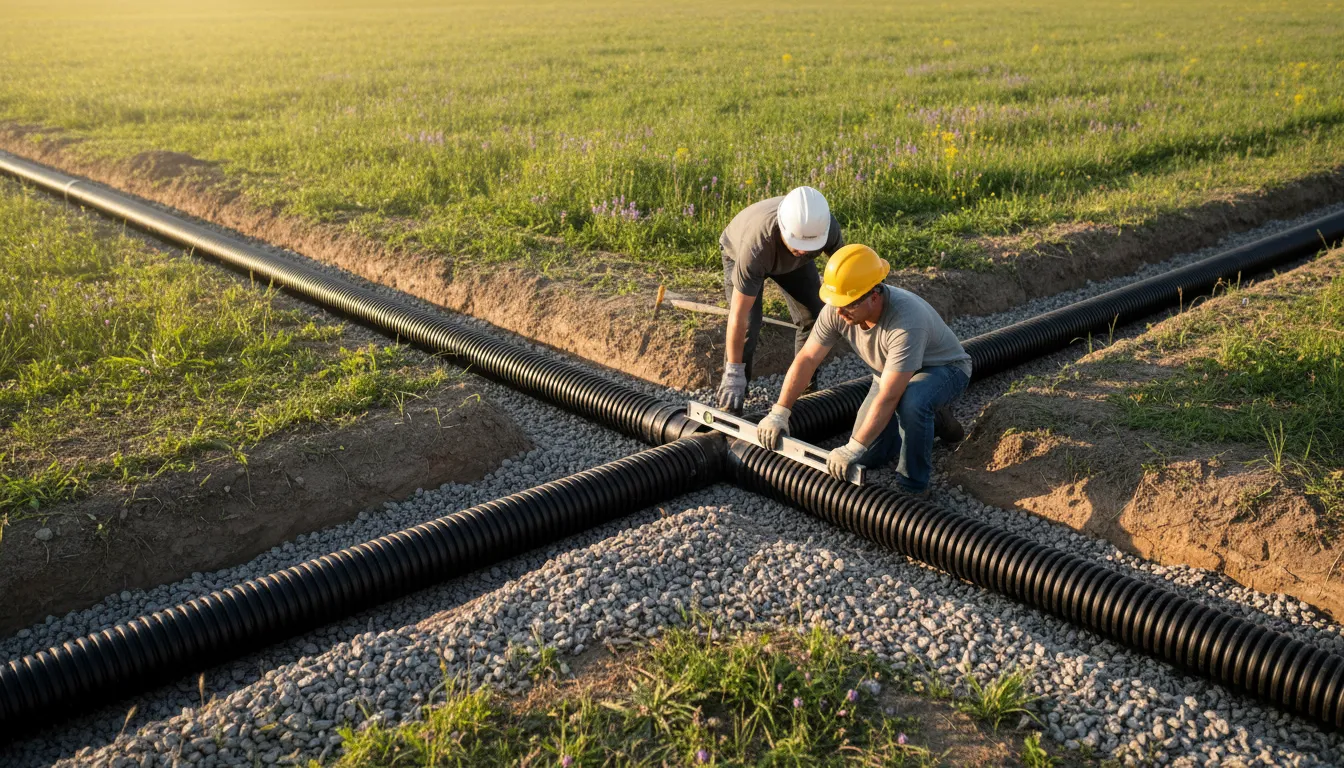
Find the Best Drain Field Repair Companies for Your Business
No obligation • Fast responses • Nationwide coverage

Why you can trust Septic Spot
Septic Spot is a leading United States resource for understanding and comparing septic services. Our editors review providers using consistent criteria and verify key business details. Listings and scores are independent, and companies cannot pay to influence our content.
Search providers near you
Top Drain Field Repair Companies in Round Rock, Texas Ranked
A failing drain field, also known as a leach field or absorption field, is a serious issue for any home with a septic system. This critical component is responsible for safely dispersing and filtering treated wastewater into the soil. When it malfunctions, it can lead to soggy yards, foul odors, and even sewage backups into your home. For homeowners in Round Rock, navigating the repair or replacement of a septic drain field involves understanding local soil conditions, Texas Commission on Environmental Quality (TCEQ) regulations, and the associated costs. This guide provides essential information to help you identify problems, understand the process, and connect with qualified local professionals for your leach field needs.
HomeField Williamson County
40203 Industrial Park Cir, Georgetown, TX 78626
HomeField Williamson County provides comprehensive septic system services in Austin, TX, covering residential and commercial needs. Their offerings include septic tank pumping, inspections, repairs, installations, drain field replacements, and system design. The company emphasizes local expertise and proactive maintenance plans to help prevent future problems. They serve Williamson County with a team familiar with local regulations and conditions, ensuring septic systems meet current requirements. HomeField also offers various maintenance plans tailored to different levels of coverage and support.
Godinez Septics Inc
5407 Phillips Cir, Austin, TX 78734
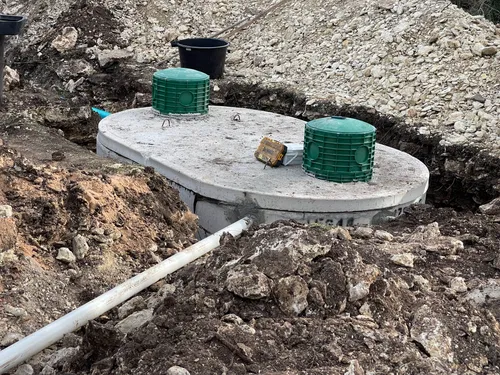
Godinez Septics Inc is a family-owned septic system company serving Austin, TX, and the surrounding Lake Travis area. They provide a range of services including septic tank pumping, inspection, repair, installation, and drain field replacement. The company is licensed by TCEQ for septic system maintenance and installation, offering specialized services such as aerobic system maintenance contracts and hydro-jetting to clear sewer lines. With over 40 years of experience in the septic and excavation business, Godinez Septics is led by Orlando Godinez, a longtime local resident and licensed installer.
Hines Septic Of Austin Tx
Austin, TX
Hines Septic Of Austin Tx is a family-owned septic service provider based in Austin, TX. They offer septic tank pumping, installation, inspection, and repair services, including drain field repair and replacement. The company is fully licensed and insured, ensuring all work is performed to code. They provide 24/7 emergency septic services and back their installations with a one-year labor warranty.

Eco Septic Tank Pumping Austin
Austin, TX
Eco Septic Tank Pumping Austin provides septic tank pumping, inspection, repair, and installation services in Austin, TX. They handle routine septic system cleaning, emergency septic sewer cleaning, and biological treatments to maintain system health. The company also offers septic system repairs and drain field replacement, ensuring compliance with local regulations. Their technicians follow a detailed pumping process and dispose of waste properly at licensed facilities. Eco Septic Tank Pumping Austin serves multiple areas around Austin and emphasizes regular maintenance to prevent system failures.
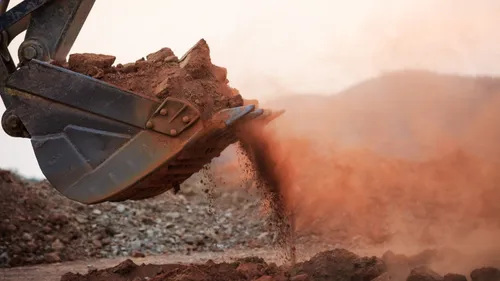
Sunset Construction & Excavation
Austin, TX
Sunset Construction & Excavation is a septic system service provider based in Austin, TX. They offer septic system installations, repairs, and design services for both residential and commercial clients. Their work includes excavation and landscaping related to septic systems, serving Austin and surrounding areas such as Travis County, Leander, and Bee Cave. The company has over a decade of experience and is licensed by the Texas Commission on Environmental Quality. They also provide hydro-mulching to restore properties after septic work is completed.
Recognizing the Signs of Drain Field Failure
Catching a problem with your absorption field early can prevent more extensive damage and higher repair costs. Be on the lookout for these common warning signs:
- Soggy Ground or Surfacing Effluent: The most obvious sign is standing water or persistently soggy soil over the drain field area, especially when it hasn't rained. You may even see grayish wastewater pooling on the surface.
- Foul Odors: Unpleasant sewage smells emanating from your yard, particularly near the drain field, are a strong indicator of a problem.
- Slow Drains and Backups: If sinks, showers, and toilets throughout your home are draining very slowly or backing up, it could point to a saturated drain field that is no longer accepting effluent from the septic tank.
- Unusually Green Grass: While some growth is normal, patches of grass over the drain field that are significantly lusher and greener than the rest of the lawn can signal a nutrient overload from leaking effluent.
- Failed Inspection: A routine septic inspection by a licensed professional may reveal biomat buildup, soil saturation, or damaged pipes, confirming the need for intervention.
The Round Rock and Williamson County Regulatory Process
Any significant repair or complete replacement of a septic system component in Texas is regulated. In Round Rock and Williamson County, this process is overseen by the TCEQ through local authorized agents.
Key Regulatory Steps:
- Site Evaluation and Soil Test: Before any design work, a licensed professional must conduct a site evaluation. This test determines the soil's permeability (percolation rate), depth to groundwater, and presence of bedrock-all critical factors for designing a functional system 1. This evaluation typically costs between $350 and $750.
- System Design: Using the site evaluation data, a designer creates a plan for the repair or new drain field. The design must comply with TCEQ standards, including required setbacks (e.g., at least 100 feet from water wells and 50 feet from home foundations) and be sized appropriately for your home, often based on the number of bedrooms 2.
- Permitting (Authorization to Construct - ATC): The design must be submitted to the local permitting authority to obtain an Authorization to Construct (ATC) before any work begins. Exception: For genuine emergency repairs that do not alter the system's function, work may start immediately, but the authority must be notified within 72 hours 3.
- Construction and Final Inspection: Once permitted, the repair or installation can proceed. After construction is complete but before the area is backfilled, a final inspection by the health authority is required to ensure compliance with the approved design 4.
Local Soil and Site Challenges
The soil composition in the Round Rock area presents specific challenges for drain field function and design:
- High Clay Content: Clay soils have slow permeability, meaning they do not absorb water quickly. This often requires a larger drain field area or the use of specialized systems like aerobic treatment units (ATUs) to adequately treat wastewater before it reaches the soil.
- Shallow Groundwater or Bedrock: If a soil profile reveals a high water table or shallow bedrock, a conventional in-ground drain field may not be feasible. In these cases, a raised "mound" system or an advanced aerobic system is typically necessary to ensure proper treatment and dispersal 5.
- Trench Safety: Excavation for a new leach field involves digging deep trenches. It's important to note that for safety, any trench deeper than 5 feet requires specialized, OSHA-compliant shoring or sloping techniques 6 7.
Understanding Repair vs. Replacement Options
The best course of action depends on the extent of the damage discovered during an inspection.
Drain Field Repair: If the problem is localized-such as a crushed or clogged section of pipe-a targeted repair may be possible. This involves excavating the affected area, replacing the damaged components, and restoring the gravel bed. Costs for standard drain field repairs in the area generally range from $3,000 to $7,000 8 9.
Drain Field Replacement: When the entire absorption field has failed due to biomat buildup, soil compaction, or irreversible saturation, a full replacement is necessary. This often involves designing and constructing a completely new leach field in a different area of your property. A full conventional system replacement (including tank and field) can cost between $6,000 and $12,000 or more 10.
System Upgrade/Replacement: In cases where soil conditions are poor or a higher level of treatment is needed, an aerobic treatment system may be recommended. These systems actively oxygenate the wastewater, providing a higher level of treatment suitable for challenging sites. However, they are more complex and expensive, with costs typically ranging from $12,000 to $20,000+ 11.
Find the perfect drain field repair companies for your needs
Get personalized recommendations and expert advice
The Professional Service Process from Start to Finish
Working with a licensed septic professional ensures the job is done correctly and complies with all regulations. Here's what you can expect:
- Initial Consultation and Inspection: A technician will assess the symptoms, locate your system, and perform an inspection to diagnose the issue. A general inspection costs between $300 and $600 12.
- Site Evaluation and Design: If replacement is needed, a formal site evaluation is conducted. The professional designer uses this data to create the engineered system plans required for the permit 13.
- Permit Acquisition: Your provider will typically handle the submission of the design and paperwork to secure the necessary ATC from Williamson County.
- Scheduling and Construction: Once permitted, excavation and construction are scheduled. The crew will install new distribution pipes in gravel-filled trenches, connected to the existing or new septic tank.
- Final Approval: After the final inspection by the county, the system is approved for use and the area is backfilled. You will receive documentation for your records.
Maintaining Your New or Repaired Drain Field
Protecting your investment is crucial. Proper maintenance extends the life of your entire septic system:
- Practice Water Conservation: Spread out laundry loads and fix leaky fixtures to avoid hydraulically overloading the field.
- Mind What You Flush: Only human waste and toilet paper should go down the drain. Avoid chemicals, grease, wipes, and feminine hygiene products.
- Protect the Area: Never drive or park vehicles over the drain field, and avoid planting trees or deep-rooted shrubs nearby.
- Divert Runoff: Ensure roof drains and yard drainage are directed away from the leach field area to prevent saturation.
- Schedule Regular Pumping: Have your septic tank pumped every 3-5 years by a professional to prevent solids from escaping into and clogging the drain field.
Frequently asked questions
Sources
Footnotes
-
Septic Installation - Round Services - https://www.round-services.com/services/septic-installation ↩
-
Are There Regulations or Guidelines for Septic Tank Drain ... - https://weebeewasteservices.com/are-there-regulations-or-guidelines-for-septic-tank-drain-field-maintenance-in-texas/ ↩
-
Septic System FAQs - https://newtools.cira.state.tx.us/upload/page/7913/docs/Health/Water%20Quality/Water%20Quality%20FAQs%20%282%29.pdf ↩
-
Texas Septic Tank Rules - https://dillonseptic.com/texas-septic-tank-rules/ ↩
-
Texas Septic System Regulations - https://dillonseptic.com/texas-septic-system-regulations/ ↩
-
SEPTIC SYSTEM LAWS IN TEXAS - https://www.terseptic.com/posts/septic-systems-its-the-law ↩
-
Page 1 of 2 - City of Round Rock - https://www.roundrocktexas.gov/wp-content/uploads/2025/08/General-Notes_8.20.25.pdf ↩
-
Septic Drain Field Replacement Cost - https://dillonseptic.com/septic-drain-field-replacement-cost/ ↩
-
Cost to Replace Septic Tank and Drain Field [2026 Data] | Angi - https://www.angi.com/articles/how-much-new-drain-fields-foot.htm ↩
-
Texas Septic Systems & OSSF Requirements | 2026 Guide - https://texaslandbrokerage.com/resources/texas-septic-systems-ossf-requirements-guide/ ↩
-
How Much Does a Septic System Cost? - https://septic-service-texas.com/how-much-does-a-septic-system-cost/ ↩
-
Septic Inspection Report Explained (Texas 2026) - https://www.texassepticguide.com/learn/how-to-read-septic-inspection-report-texas ↩
-
Septic Tank Laws in Texas - https://dillonseptic.com/septic-tank-laws-in-texas/ ↩