Find the Best Drain Field Repair Companies for Your Business
No obligation • Fast responses • Nationwide coverage

Why you can trust Septic Spot
Septic Spot is a leading United States resource for understanding and comparing septic services. Our editors review providers using consistent criteria and verify key business details. Listings and scores are independent, and companies cannot pay to influence our content.
Search providers near you
Top Drain Field Repair Companies in San Marcos, Texas Ranked
A failing drain field, also known as a leach field or absorption area, is a serious issue for any Texas property with a septic system. This critical component is responsible for safely filtering and dispersing treated wastewater into the soil. When it fails, it can lead to sewage backups, soggy yards, foul odors, and environmental contamination. Understanding Texas-specific regulations, repair options, and costs is essential for homeowners facing this problem. This guide provides clear, actionable information to help you navigate the process of diagnosing, permitting, and executing drain field repairs or replacements in compliance with state law.

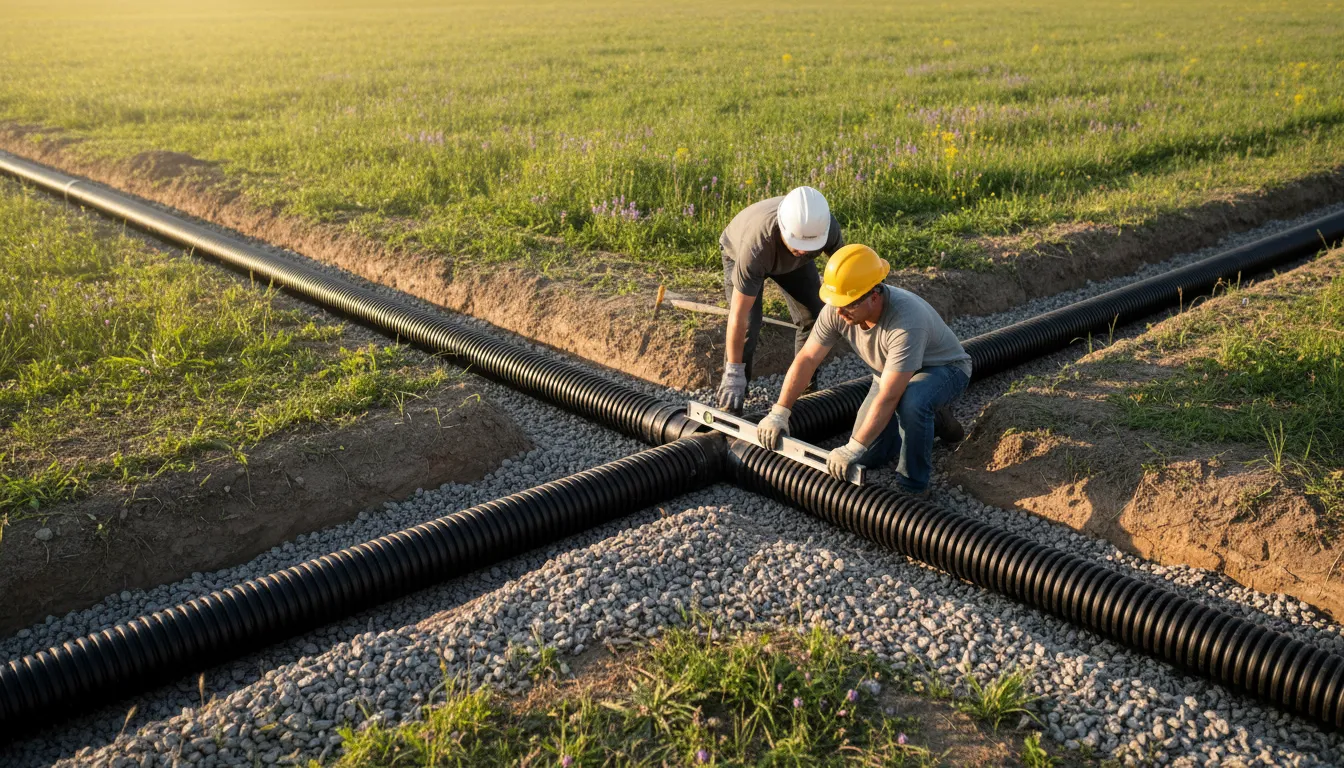
Hines Septic Of San Marcos
Austin, TX
Hines Septic Of San Marcos is a family-owned septic service provider operating in Austin, TX, as well as San Marcos and San Antonio. They offer septic tank pumping, inspection, installation, repair, and drain field repair or replacement. The company is fully licensed and insured, ensuring all work meets code requirements. They provide a one-year labor warranty on new septic tank and drain field installations. Hines Septic also offers 24/7 emergency septic services to support urgent needs in the area.
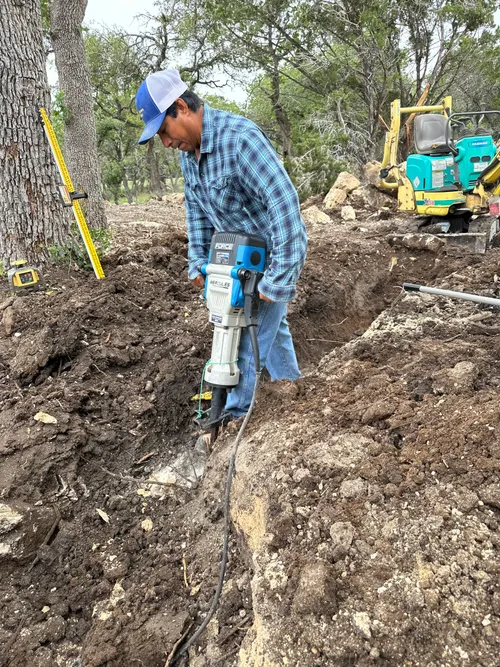
David Winters Septics
Cranes Mill Rd, Canyon Lake, TX 78133
David Winters Septics is a family-owned company providing septic system installation and repair services in San Antonio, TX. They serve both residential and commercial properties, offering services such as septic tank installation, septic repairs, field replacements, and septic design and permitting. The company emphasizes its experience and customer satisfaction in the septic industry.
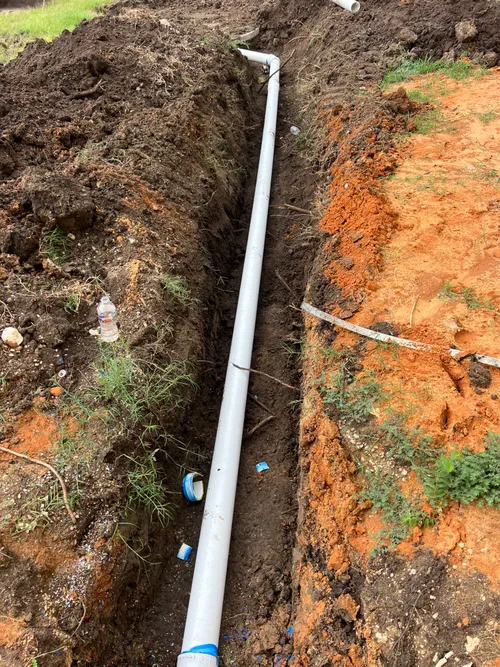
7H Septic Services, LLC
Austin, TX
7H Septic Services, LLC is a family-owned septic service company based in Austin, TX, serving Hays, Caldwell, Comal, and Guadalupe Counties. They provide septic tank inspections, installations, repairs, and maintenance for both conventional and aerobic systems. Their services include pump and float replacement, control panel repairs, alarm troubleshooting, and drain field repairs. The company uses advanced mobile technology to offer real-time updates and detailed inspection reports. They also provide 24/7 emergency service to their customers.
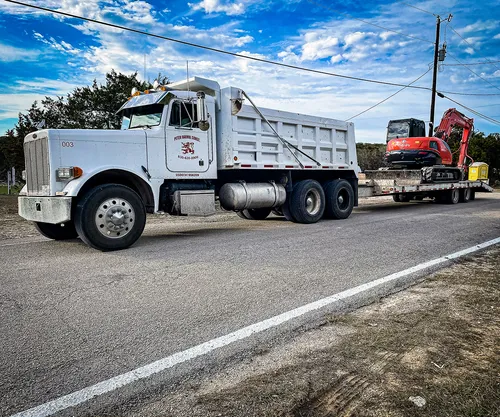
Peter Varhol Construction
8053 Farm To Market Rd 2722, New Braunfels, TX 78132
Peter Varhol Construction is a licensed and insured company based near San Antonio, TX, specializing in septic system installation and repair. They serve both residential and commercial clients in the Texas Hill Country, offering services such as septic design, aerobic system installation, septic pumping, site inspections, and drain field repair. The company also provides excavation, land clearing, and related site work, maintaining control over projects from start to finish to ensure quality and attention to detail.
Understanding Drain Field Failure in Texas
The drain field is the final stage of your On-Site Sewage Facility (OSSF), where effluent from the septic tank percolates into the soil. Failure occurs when the soil can no longer absorb liquid. Common signs include:
- Sewage backing up into household drains.
- Damp, spongy, or soggy soil over the drain field area, even in dry weather.
- Lush, green grass growing over the drain field compared to the rest of the yard.
- Persistent foul odors near the septic tank or drain field.
- Slow-draining sinks and toilets.
In Texas, common causes of failure include soil compaction (from driving or building over the field), hydraulic overloading (using too much water), biological mat buildup, and tree root intrusion. The state's diverse soil types, from sandy coastal regions to heavy clay inland, also significantly impact a system's lifespan and failure mode.
Texas Regulations and Permit Requirements
All drain field repair and replacement work in Texas is governed by the Texas Commission on Environmental Quality (TCEQ) under Title 30, Chapter 285 of the Texas Administrative Code (30 TAC 285) 1. Compliance is not optional; it's legally required to protect public health and groundwater.
Key Permit Rules:
- Permit Required: A permit is mandatory to construct, alter, repair, or extend an OSSF, which includes most drain field work.
- Licensed Professionals: Work must typically be performed by a TCEQ-licensed installer. However, a homeowner may perform work on their own single-family dwelling, though they are still responsible for obtaining permits and meeting all standards.
- The 10-Acre Rule: A notable exception exists for properties of 10 acres or larger serving a single-family home. A permit may not be required if the system does not create a nuisance or pollute groundwater, but local regulations may still apply, so verification is crucial 2 3.
- Emergency Repairs: If a repair can be made without removing the tank (like patching a leak), it may be classified as an emergency. While this may waive the permit fee, the repair must still be reported to the local permitting authority within 72 hours.
The Professional Site Evaluation: The First Critical Step
Before any repair or replacement plan is approved, a licensed professional must conduct a formal site evaluation 4. This is a non-negotiable step in the permitting process. The evaluator will assess:
- Soil Properties: Percolation (perc) tests determine the soil's absorption rate.
- Site Conditions: Slope, topography, and drainage patterns.
- Setback Distances: Required distances from wells, property lines, water bodies, and structures.
- Water Table Depth: Ensuring the drain field is placed well above the seasonal high groundwater level.
This evaluation determines if a simple repair is feasible or if a full replacement with a different, more suitable technology is required.
Repair vs. Replacement: Understanding Your Options
Not all drain field problems require a complete overhaul. A licensed professional can diagnose the issue and recommend the appropriate course of action.
Potential Repair Strategies:
- Jet Cleaning: High-pressure water jetting can sometimes clear minor blockages in distribution lines.
- Root Removal: Cutting and removing invasive tree roots from lines.
- Adding a Distribution Box: Improving effluent flow to all parts of the field.
- Resting the Field: Installing an alternating valve to allow one section of the field to "rest" while the other is in use.
When Replacement is Necessary: If the soil is permanently saturated or the existing infrastructure has collapsed, a full replacement is the only solution. Replacement systems must be designed based on the current site evaluation.
Find the perfect drain field repair companies for your needs
Get personalized recommendations and expert advice
Types of Replacement Drain Fields and Cost Estimates
Texas approves several types of advanced OSSF designs for replacement fields, especially when soil conditions are poor. Costs vary widely based on system type, property size, soil, and accessibility.
- Conventional Trench/Bed System: The standard gravity-fed system used in suitable soils. Cost: $6,000 - $9,000.
- Aerobic Treatment Unit (ATU) System: An advanced system that uses oxygen to break down waste more efficiently, often required for poor soils or small lots. It requires a state-mandated maintenance contract. Cost: $9,500 - $15,000.
- Mound System: An above-ground system where a sand mound is constructed to treat effluent before it reaches native soil. Used where the water table is high or soil is shallow. Cost: $10,000 - $18,000.
- Drip Irrigation System: Efficiently disperses small amounts of effluent over a large area, often used with ATUs. Cost: $12,000 - $20,000+.
Permit fees themselves typically range from $300 to $1,200, depending on the county and complexity of the system 5 6.
Maintenance: The Best Defense Against Failure
Proper maintenance is the most effective way to avoid a costly drain field crisis. Texas has specific guidelines:
- Regular Pumping: Septic tanks should be pumped every 3-5 years, or when the sludge layer exceeds recommended levels, to prevent solids from flowing into and clogging the drain field.
- Required Inspections: Standard systems should be inspected every 3 years. Aerobic systems are strictly regulated and require a maintenance contract with inspections typically every 4 months (3 times per year) by a licensed provider 7 8 9.
- Water Conservation: Spreading out laundry loads and fixing leaks reduces hydraulic load on the field.
- Mind What You Flush: Only human waste and toilet paper. Avoid wipes (even "flushable" ones), feminine products, grease, chemicals, and medications, which can kill beneficial bacteria and clog the soil 10 11 12.
Legal Obligations and Penalties for Non-Compliance
Texas homeowners are legally responsible for maintaining their OSSF to prevent groundwater contamination and public health nuisances 13 14. Actions that violate TCEQ rules include:
- Discharging untreated or partially treated effluent onto the ground surface.
- Failing to maintain a required maintenance contract for an aerobic system.
- Performing alterations or repairs without the necessary permit.
- Allowing a system to create a nuisance (odors, pooling sewage).
Violations can result in fines, mandatory corrective actions, and legal liability.
The Step-by-Step Process for Texas Homeowners
- Recognize the Problem: Identify symptoms of drain field failure.
- Contact Licensed Professionals: Hire a TCEQ-licensed installer or site evaluator to diagnose the issue.
- Site Evaluation & Design: The professional will perform the required evaluation and design a repair or replacement system that meets TCEQ standards.
- Apply for a Permit: Submit the design, application, and fee to your local permitting authority (often the county).
- Execute the Work: Once permitted, the licensed installer (or you, as the homeowner on your own property) completes the construction.
- Final Inspection: The permitting authority inspects the work before it is covered.
- Maintain Meticulously: Adhere to pumping, inspection, and water-use guidelines to protect your investment.
Frequently asked questions
Sources
Footnotes
-
Septic Tank - Understanding Septic Tank Permits and Regulations - https://westcoastsanitationinc.com/understanding-septic-tank-permits-and-regulations/ ↩
-
Basics for Septic Systems - https://www.tceq.texas.gov/assistance/water/fyiossfs.html ↩
-
SEPTIC SYSTEM LAWS IN TEXAS - https://www.terseptic.com/posts/septic-systems-its-the-law ↩
-
Getting a Permit for an OSSF - Such as a Septic System - Texas Commission on Environmental Quality - https://www.tceq.texas.gov/permitting/ossf/ossfpermits.html ↩
-
Texas Septic System Regulations - https://dillonseptic.com/texas-septic-system-regulations/ ↩
-
Cost of a Septic System in Texas - https://dillonseptic.com/cost-of-a-septic-system-in-texas/ ↩
-
Pearland Septic Systems Guide | New Texas Homeowners - https://accurateplumbingtx.com/pearland-septic-systems-new-homeowner-guide/ ↩
-
chapter 366. on-site sewage disposal systems - Texas Statutes - https://statutes.capitol.texas.gov/GetStatute.aspx?Code=HS&Value=366 ↩
-
Septic Tank Laws in Texas - https://dillonseptic.com/septic-tank-laws-in-texas/ ↩
-
Homeowner's Guide to Septic Systems - Lakeway-tx.gov - https://www.lakeway-tx.gov/DocumentCenter/View/35501/EPA---Homeowners-Guide-for-Septic-Systems ↩
-
Septic Tank Laws in Texas - https://dillonseptic.com/septic-tank-laws-in-texas/ ↩
-
Are There Regulations or Guidelines for Septic Tank Drain ... - https://weebeewasteservices.com/are-there-regulations-or-guidelines-for-septic-tank-drain-field-maintenance-in-texas/ ↩
-
Advice for an Owner of an On-Site Sewage Facility (Septic System) - https://www.tceq.texas.gov/permitting/ossf/ossfadvice.html ↩
-
Texas Septic Tank Rules - https://dillonseptic.com/texas-septic-tank-rules/ ↩