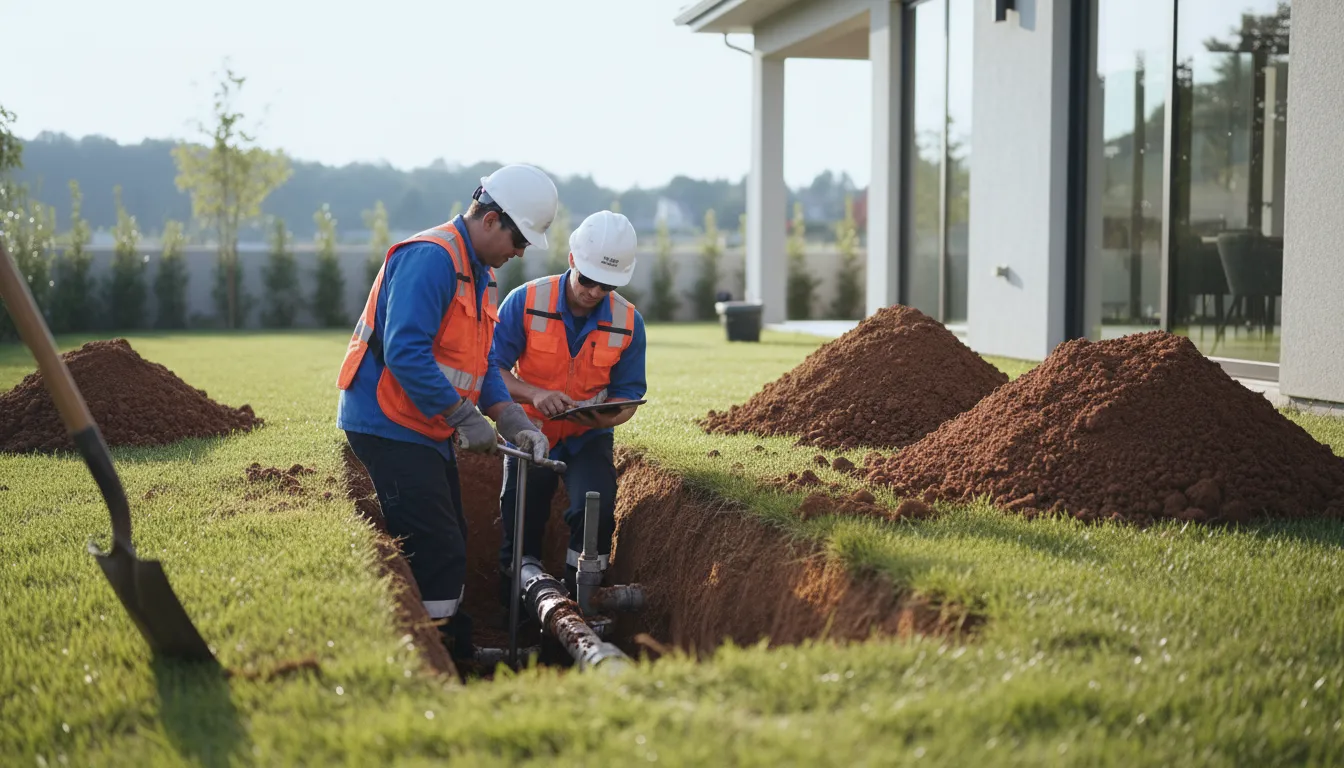
Find the Best Septic System Repair Companies for Your Business
No obligation • Fast responses • Nationwide coverage

Why you can trust Septic Spot
Septic Spot is a leading United States resource for understanding and comparing septic services. Our editors review providers using consistent criteria and verify key business details. Listings and scores are independent, and companies cannot pay to influence our content.
Search providers near you
Top Septic System Repair Companies in Atlanta, Georgia Ranked
When your home's wastewater system fails, it's more than an inconvenience-it's a pressing health and environmental issue that requires immediate, expert attention. Septic system repair involves diagnosing and fixing problems with your septic tank, drain field, or related components to restore proper function and protect your property. In Atlanta, this work is strictly regulated to ensure safety and environmental protection, meaning repairs must be handled by certified professionals following specific local codes. This guide explains the repair process, common issues, and how to connect with qualified local specialists to get your system back in working order.
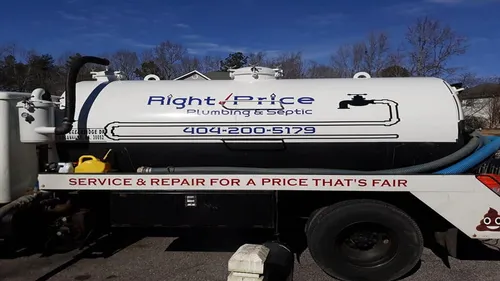
Right Price Plumbing and Septic
Atlanta, GA
Right Price Plumbing and Septic is a local, family-owned company serving Atlanta, GA, and surrounding counties. They provide a range of residential and commercial plumbing and septic services, including septic tank pumping, inspection, repair, and installation. The company also offers drain inspection, emergency plumbing, and water heater repair. They are known for their comprehensive service options and have experience handling various plumbing and septic system needs. Right Price Plumbing and Septic serves multiple counties in Georgia and offers financing options to customers.
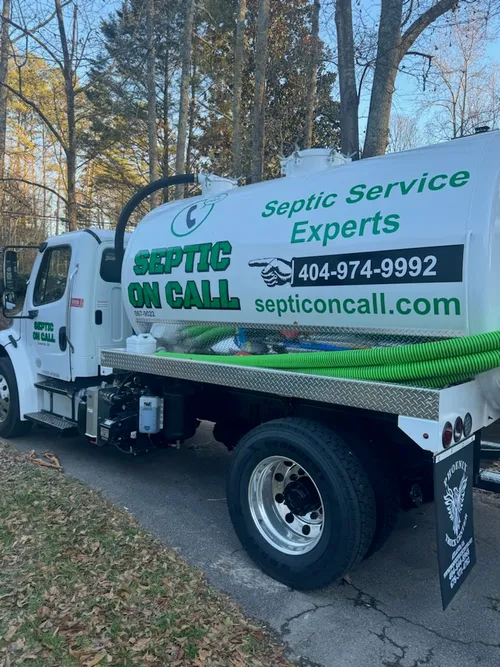
Septic On Call
2180 Satellite Blvd NW #400, Duluth, GA 30097
Septic On Call is a septic tank service provider based in Atlanta, GA. The company offers a range of services including septic tank pumping, inspections, repairs, and installation of septic tanks and drainfields. They provide thorough cleaning and maintenance to help prevent costly repairs and ensure proper system function. Septic On Call also specializes in diagnosing and repairing septic system issues, from minor leaks to major damage. The company offers 24/7 emergency services for septic tank problems and backups, responding quickly to urgent repair needs.
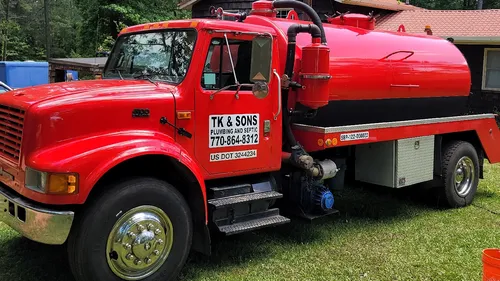
TK & Sons Plumbing and Septic
1370 GA-212, Conyers, GA 30094
TK & Sons Plumbing and Septic is a plumbing and septic service provider based in Atlanta, GA. They offer residential and commercial plumbing, septic system installation, pumping, maintenance, and repair services. The company also provides water well installation and hydro-jetting to clear clogs. With over 25 years of experience serving the East Atlanta Metro area, TK & Sons delivers comprehensive solutions including 24/7 emergency plumbing and septic services.
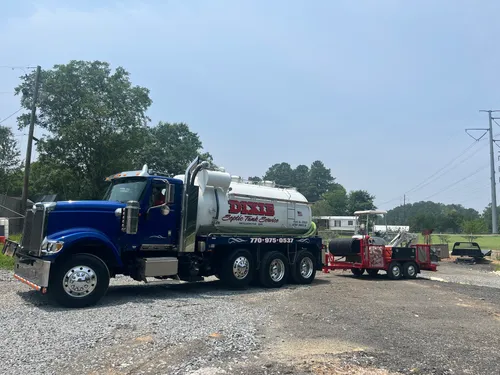
Dixie Septic Tank Service
4400 Pecan Ln SE, Acworth, GA 30102
Dixie Septic Tank Service is a family-owned business providing full-service septic solutions in South Fulton, GA. They offer septic tank pumping, installation, repair, and maintenance for both residential and commercial properties. Known for their transparent pricing and thorough workmanship, Dixie Septic has built a strong reputation through word-of-mouth referrals and long-term customer relationships. Their team also provides free second opinions on quotes from other companies, helping clients make informed decisions about their septic systems.
Smart Septic Pros
210 Holt Ct, Acworth, GA 30101
Smart Septic Pros is a septic tank pumping, inspection, and repair company based in South Fulton, GA. They provide thorough septic system maintenance aimed at reducing odors and sludge build-up to support healthier effluent discharge. With over a decade of experience and more than 1,000 tanks serviced, they handle everything from routine inspections to resolving solid blockages to maintain proper septic function. Their services focus on ensuring safety, compliance, and reliable waste management for homes in the area.
Understanding Septic System Failures
A failing septic system can manifest in several ways. Recognizing these early warning signs can help you address problems before they escalate into costly, extensive repairs or environmental hazards.
Common signs of system failure include:
- Slow-draining toilets and sinks throughout the home.
- Sewage backups into household drains.
- Foul odors emanating from the area of the tank or drain field.
- Unusually lush, green grass or standing water and soggy soil over the drain field area, especially when it hasn't rained 1.
These symptoms often point to issues like a clogged drain field, a failing tank, or blocked inlet/outlet baffles. Ignoring them can lead to groundwater contamination, property damage, and violations of local health codes.
The Regulatory Landscape for Repairs in Atlanta
All septic system maintenance and repair work in Georgia is governed by state rules (Chapter 511-3-1) and enforced by county health departments 2. This framework is designed to protect public health and water quality.
Key regulations homeowners must know:
- Permits Are Mandatory: Any repair or modification to your septic system requires a permit from your local county environmental health office (such as the DeKalb County Board of Health or the Northeast Health District) before any work begins 3.
- Certified Professionals Only: Installation and repair work must be performed by a contractor certified by the state. Hiring a certified professional ensures the work meets code and will pass the required inspections 4.
- Required Inspections: The county health department must inspect the repair upon completion to ensure it complies with all state and local regulations.
- System Setbacks: Repairs must maintain minimum required distances from wells, property lines, streams, and other structures. These setbacks are non-negotiable for permitting 5.
Navigating these regulations is a core part of a professional repair service's job, providing you with peace of mind that the work is legal and sound.
Common Types of Septic Repairs
The scope of a septic repair job in Atlanta can vary widely, from a simple component replacement to a major system overhaul. Here are the most frequent repairs performed by certified contractors.
Drain Field Rehabilitation or Replacement
This is often the most extensive and costly repair. A drain field (or leach field) can fail due to soil saturation, compaction, or biomat clogging. Symptoms include sewage surfacing in your yard. Solutions range from specialized cleaning to installing a completely new drain field in a different location 6.
Septic Tank Repairs
The tank itself can develop problems requiring attention:
- Cracked or Collapsed Tanks: Structural failure requires full tank replacement.
- Damaged Baffles: The inlet or outlet baffles inside the tank can break, allowing solids to escape into the drain field and cause clogs. Replacing baffles is a common repair 7.
- Faulty Lids or Access Risers: Broken or unsafe access points need replacement for safety and proper maintenance.
Component Upgrades and Additions
Sometimes, improving the system's function is part of the repair:
- Installing an Outlet Filter: Adding or replacing a filter on the tank's outlet pipe is a proactive repair that prevents solids from entering and clogging the drain field, extending its life.
- Pump or Alarm System Repair: For systems with a pump tank, electrical components can fail and need servicing.
The Professional Repair Process: From Diagnosis to Completion
A proper repair follows a logical sequence to ensure the root cause is addressed and the fix is compliant.
- Comprehensive Inspection: A certified professional will first perform a thorough inspection to diagnose the problem. This involves locating and opening the tank, checking liquid levels, inspecting baffles and filters, and evaluating the drain field for signs of failure 8 9. An inspection typically costs between $400 and $600 in the Atlanta area 10.
- Report and Repair Plan: The inspector provides a detailed report with findings and recommended repairs. A reputable contractor will explain this plan clearly, including all necessary permits.
- Permitting: Your contractor will handle pulling the required repair permit from the local county health department on your behalf 11.
- Execution of Repairs: The certified team performs the agreed-upon work, whether it's replacing a baffle, repairing a pipe, or installing a new drain field.
- Final Inspection: Once work is complete, the county health inspector visits to approve the repair and close out the permit 12.
Find the perfect septic system repair companies for your needs
Get personalized recommendations and expert advice
What to Expect: Repair Costs in Atlanta
The cost of septic system repairs in Atlanta varies significantly based on the repair's complexity and the system type. It's important to get detailed, written estimates from certified professionals.
- Minor Repairs: Fixing a baffle or replacing a lid typically ranges from $1,000 to $2,000.
- Drain Field Repair: Repairing or replacing a conventional drain field is a major project, with costs generally between $3,500 and $8,500.
- Full System Replacement: If both the tank and drain field need replacement, homeowners can expect costs from $5,000 to $12,000 for a conventional system.
- Advanced System Repairs: Repairs on engineered or aerobic treatment units (ATUs) are more complex and expensive, ranging from $10,000 to over $50,000 in some cases 13.
Maintaining Your System Post-Repair
After investing in a repair, proper maintenance is key to protecting that investment and preventing future failures. This includes regular pumping every 3-5 years, conserving water to avoid overloading the system, and avoiding flushing harmful chemicals or non-biodegradable materials 14. A well-maintained system can last for decades.
Finding the Right Professional for the Job
Choosing the right contractor is critical. Look for a company with:
- State Certification: Verify their certification is current with the Georgia Department of Public Health.
- Local Experience: Familiarity with Atlanta-area soils and county-specific health department protocols is invaluable.
- Comprehensive Services: The ability to handle inspection, permitting, repair, and follow-up.
- Transparent Communication: They should clearly explain the problem, the proposed solution, the cost, and the permitting timeline.
By understanding the repair process, regulations, and costs, Atlanta homeowners can make informed decisions to efficiently and effectively resolve septic system issues, restoring safety and function to their property.
Frequently asked questions
Sources
Footnotes
-
A Beginner's Guide to Septic Systems | CAES Field Report - https://fieldreport.caes.uga.edu/publications/B1421/a-beginners-guide-to-septic-systems/ ↩
-
GA R&R - GAC - Subject 511-3-1 ON-SITE SEWAGE MANAGEMENT SYSTEMS - https://rules.sos.ga.gov/gac/511-3-1 ↩
-
Septic Systems - DeKalb Public Health - https://dekalbpublichealth.com/environmental-health/septic-systems/ ↩
-
Residential-Study-Guide.pdf - GNR Health - https://gnrhealth.com/wp-content/uploads/2012/01/Residential-Study-Guide.pdf ↩
-
Georgia Septic Tank Requirements | On-Site Sewage Management Systems - https://www.ntotank.com/blog/georgia-septic-tank-requirements ↩
-
Reliable Atlanta Septic Tank Services with Smart Septic Pros - https://smartsepticpros.com/septic/atlanta/ ↩
-
Understanding the Different Types of Septic Repairs - https://septiccleanings.com/blog/different-types-of-septic-repairs/ ↩
-
homeowner's guide - to septic system maintenance - https://northgeorgiawater.org/wp-content/uploads/2017/10/SepticTankKit-MNGWPD.pdf ↩
-
What to Expect from a Septic Inspection - https://www.wrenvironmental.com/blog/2023/may/what-to-expect-from-a-septic-inspection/ ↩
-
Septic System Inspections in Acworth, GA - CityWIDE Plumbing - https://www.citywideplumbing.com/septic-inspections/ ↩
-
Sewage/Septic Systems - Northeast Health District - https://northeasthealthdistrict.org/services/environmental-health/sewage-septic-systems/ ↩
-
Septic Inspection Process Septic 911: A Comprehensive Guide | Septic System Professionals - https://septic911.com/septic-inspection-process-septic-911/ ↩
-
Complete Guide to Septic Inspection in Georgia - https://dandhsepticservices.com/septic-inspection-in-georgia/ ↩
-
Homeowner's Guide to Septic System Maintenance - Gwinnett County - https://www.gwinnettcounty.com/static/departments/water/pdf/Septic_Kit.pdf ↩