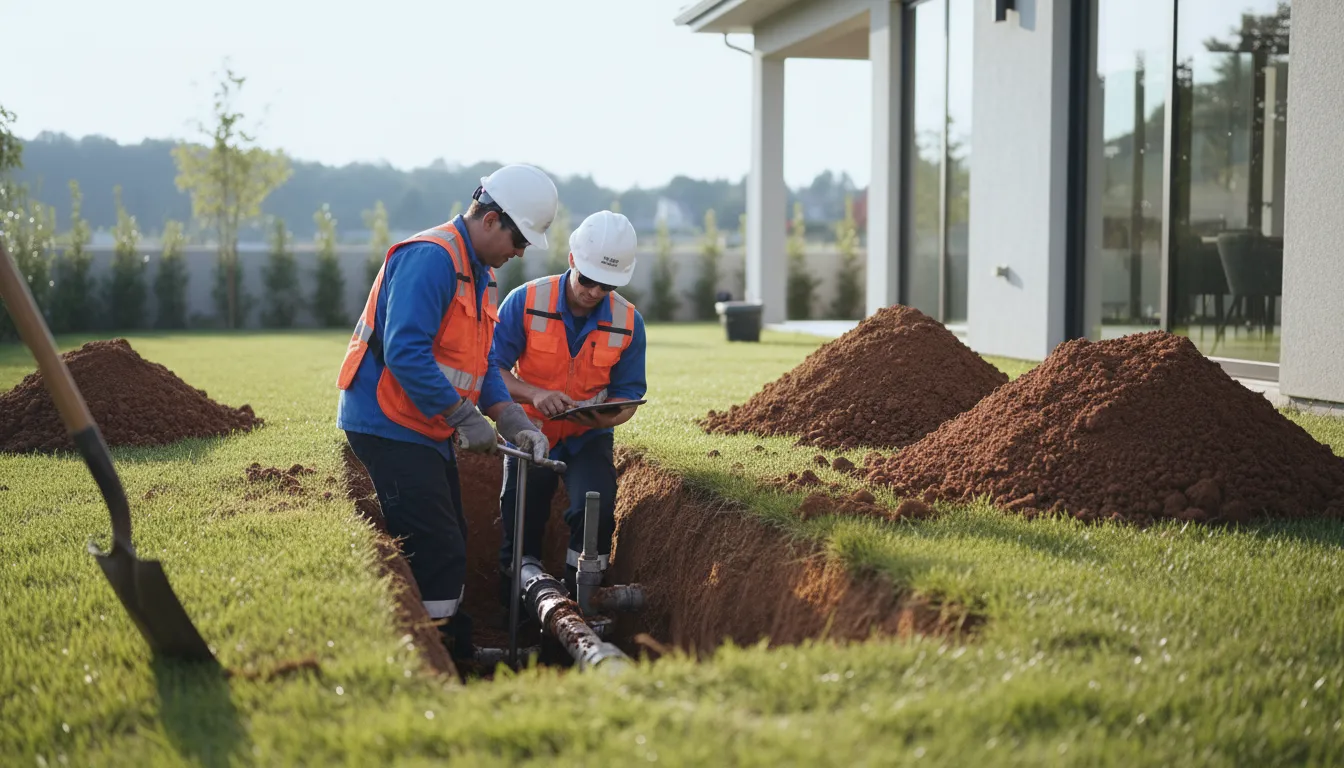
Find the Best Septic System Repair Companies for Your Business
No obligation • Fast responses • Nationwide coverage

Why you can trust Septic Spot
Septic Spot is a leading United States resource for understanding and comparing septic services. Our editors review providers using consistent criteria and verify key business details. Listings and scores are independent, and companies cannot pay to influence our content.
Search providers near you
Top Septic System Repair Companies in South Fulton, Georgia Ranked
A failing septic system is more than an inconvenience; it's a serious health and environmental hazard that requires immediate, professional attention. Septic system repair involves diagnosing and fixing issues with your on-site sewage treatment system, from the tank and pipes to the critical drain field. In South Fulton, this work is strictly regulated to protect groundwater and public health. This guide helps you understand the local repair process, regulations, and how to find qualified, certified professionals to restore your system to proper function.
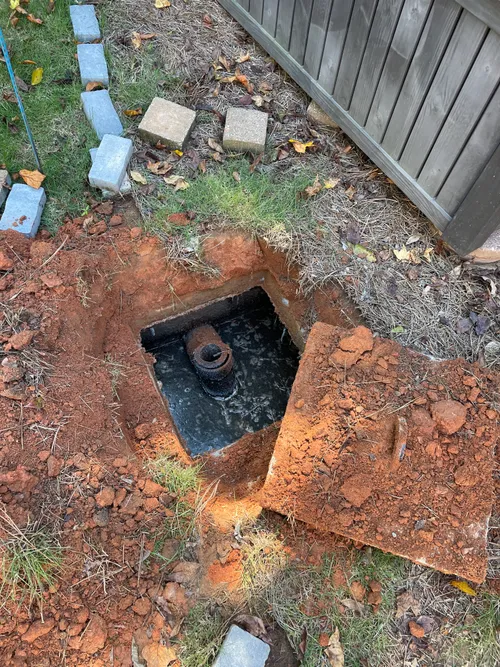
S&S Septic Services
5708 Toombs St, Lula, GA 30554
S&S Septic Services is a septic pumping, repair, and installation company serving South Fulton, GA, as well as northeast Georgia and Upstate South Carolina. They provide comprehensive septic solutions for residential, commercial, and government clients, including septic tank pumping, system repairs, new installations, and drain field cleaning through high-pressure jetting. The company also offers certified inspections, tank locating, and riser installations to support long-term maintenance. With over 20 years of experience, S&S Septic Services operates 24/7 to address emergency needs promptly.
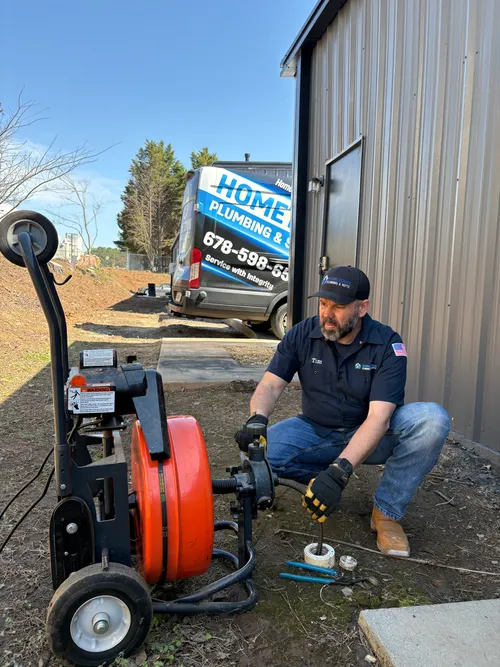
Hometown Plumbing and Septic
3375 Hutchinson Rd, Cumming, GA 30040
Hometown Plumbing and Septic provides professional septic services in South Fulton, GA, and the surrounding Metro Atlanta and North Georgia areas. They specialize in septic tank pumping, inspections, repairs, and complete system replacements for both residential and commercial properties. Their services also include drain field repair and lift station maintenance. With decades of experience and advanced equipment, they handle complex septic system issues with precision. They serve multiple counties including Barrow, Cherokee, Cobb, and others, offering preventative maintenance to help avoid emergency repairs.
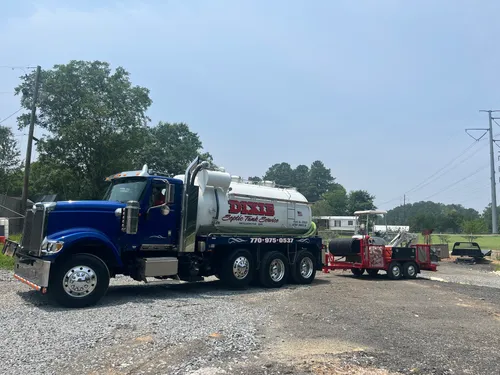
Dixie Septic Tank Service
4400 Pecan Ln SE, Acworth, GA 30102
Dixie Septic Tank Service is a family-owned business providing full-service septic solutions in South Fulton, GA. They offer septic tank pumping, installation, repair, and maintenance for both residential and commercial properties. Known for their transparent pricing and thorough workmanship, Dixie Septic has built a strong reputation through word-of-mouth referrals and long-term customer relationships. Their team also provides free second opinions on quotes from other companies, helping clients make informed decisions about their septic systems.
Smart Septic Pros
210 Holt Ct, Acworth, GA 30101
Smart Septic Pros is a septic tank pumping, inspection, and repair company based in South Fulton, GA. They provide thorough septic system maintenance aimed at reducing odors and sludge build-up to support healthier effluent discharge. With over a decade of experience and more than 1,000 tanks serviced, they handle everything from routine inspections to resolving solid blockages to maintain proper septic function. Their services focus on ensuring safety, compliance, and reliable waste management for homes in the area.
Independent Septic and Sewer LLC
Atlanta, GA
Independent Septic and Sewer LLC is a family-owned business serving Atlanta, GA, and surrounding counties. They provide septic tank pumping, cleaning, inspection, repair, and installation services for residential and commercial properties. With over 20 years of experience, the company offers expertise in diagnosing and repairing septic system issues, including drain field repairs and sewer line maintenance. They also provide a 10-year warranty on repairs and handle all necessary permits and building code requirements. Their services include thorough septic tank pumping that removes both liquids and solids, as well as hydro jetting and camera inspections when needed.
Understanding Septic System Failures and Repairs
When a septic system malfunctions, it can manifest in several alarming ways: sewage backups in household drains, soggy ground or standing water over the drain field, foul odors, or unusually lush grass near the tank area. These signs indicate that the system is not properly treating and dispersing wastewater, which is the core function of your onsite sewage management system. Addressing these issues promptly is not just about restoring convenience; it's a legal requirement to prevent contamination.
In South Fulton, all septic work falls under the jurisdiction of the Fulton County Board of Health and the Georgia Department of Public Health. A fundamental rule is that any installation, modification, or septic system repair requires a construction permit before work begins 1 2. Furthermore, the work itself must be performed by a contractor certified by the state. This regulatory framework ensures repairs meet strict safety and environmental standards.
Common Types of Septic Repairs
Not all system failures are equal, and repair strategies vary significantly based on the problem's location and severity. Here are the most common repair scenarios faced by homeowners:
- Septic Tank Repairs: This includes fixing structural issues like cracks or leaks in the tank itself, often requiring specialized patching or lining techniques. A very common fix is replacing damaged, deteriorated, or missing concrete baffles (or T-shaped outlet pipes), which are crucial for preventing solids from flowing into the drain field 3 4.
- Pipe and Line Repairs: The pipes connecting your home to the tank (inlet) and the tank to the drain field (outlet) can break, collapse, or become clogged with roots. Repairing or replacing these sections is a common and often less invasive fix.
- Drain Field Restoration or Replacement: This is typically the most extensive and costly repair. Partial restoration might involve hydro-jetting (high-pressure water cleaning) to remove biomat clogging in the lines. A complete drain field replacement is necessary when the soil is permanently saturated or the field has completely failed, requiring new trenches and distribution lines 5 6.
- Pump and Alarm System Service: For systems with a lift station or advanced treatment components, repairing or replacing the effluent pump, float switches, and alarm systems is essential to keep wastewater moving through the system.
The Regulatory Process for Repairs in Fulton County
Navigating the permit and inspection process is a non-negotiable part of any septic repair in South Fulton. Skipping these steps can result in fines, voided warranties, and an illegal system that can complicate property sales.
Step 1: Hire a Certified Professional. Your first move should be to contact a septic system repair contractor certified by the Georgia Department of Public Health 7. They have the expertise to properly diagnose the issue and understand the permit requirements.
Step 2: Obtain a Permit. Your contractor will typically help you submit a Residential Septic System Repair Permit Application to the Fulton County Health Department 8. For repairs involving the drain field, a new soil and site evaluation by a certified soil scientist may be required 9. The county must issue a construction permit before any digging or repair work commences.
Step 3: Schedule Pre-Repair Inspection. A health department inspector will often need to visit the site after the tank is exposed (but before repair) to verify the problem and the proposed solution.
Step 4: Perform the Repair. The certified contractor completes the approved septic system repair work.
Step 5: Final Inspection and Sign-off. Once repairs are complete but before the excavation is backfilled, the county inspector must return to approve the work. This final inspection is critical-it ensures the repair complies with all codes and is legally authorized for use.
Cost Considerations for Septic Repairs
Repair costs in South Fulton vary dramatically based on the repair's scope. It's important to get detailed, written estimates from multiple certified contractors.
- Permit and Inspection Fees: The county charges fees for processing your application. These can include a Residential Repair or Modification Permit/Inspection fee (approximately $170), a Minor Repair fee for non-field line work (approximately $85), and a Site Re-review fee if needed (approximately $85) 10.
- Minor Repair Costs: Fixing a baffle, repairing an inlet/outlet pipe, or servicing a pump typically falls in the range of $1,000 to $5,000.
- Major Repair or System Replacement: A full drain field restoration or complete system replacement is a significant investment, often ranging from $5,000 to over $15,000, depending on soil conditions and system size 11.
- Diagnostic Inspection Costs: A thorough inspection is the foundation of any repair. A basic visual inspection (without pumping) may cost $200-$350, while a full inspection that includes pumping the tank for a complete evaluation runs $400-$600 12. For advanced systems (ATUs, drip irrigation), inspections can be $500-$750.
Find the perfect septic system repair companies for your needs
Get personalized recommendations and expert advice
The Critical Role of Professional Inspection in Repairs
A professional inspection is not just for real estate transactions; it's the diagnostic tool that determines the exact cause of a system failure. A proper inspection for repair purposes involves several key steps that go beyond a simple look-see 13:
- Locating and Exposing the System: The technician must find and uncover the tank lids (both inlet and outlet) and, if possible, the distribution box to access all critical components 14.
- Pumping and Evaluating the Tank: The tank should be pumped by a licensed professional during the inspection. This allows them to check sewage levels before and after pumping to assess drain field function, inspect the tank's interior for cracks, and examine baffles for damage 15 16.
- Assessing the Drain Field: Using probes and often a camera, the technician evaluates the distribution lines for clogs, breaks, or saturation. This step is vital for distinguishing between a tank issue and a more serious leach field failure17 18.
This comprehensive evaluation provides the evidence needed to design an effective, code-compliant repair plan and satisfy health department permit requirements.
Maintaining Your System to Avoid Future Repairs
The best repair is the one you never need. Proactive maintenance is the most cost-effective strategy for South Fulton homeowners.
- Pump Regularly: Have your tank pumped every 3-5 years by a licensed contractor to prevent solids from overflowing into the drain field, which is a primary cause of failure 19.
- Conserve Water: Reduce hydraulic overload on the system by fixing leaks, using water-efficient fixtures, and spreading out laundry loads.
- Mind What You Flush: Only human waste and toilet paper should go down the drain. Avoid flushing chemicals, grease, wipes (even "flushable" ones), and feminine hygiene products.
- Protect the Drain Field: Never drive or park vehicles over the drain field, and avoid planting trees with deep roots nearby. Keep roof drains and sump pumps directed away from the area.
By understanding the repair process, respecting local regulations, and committing to regular maintenance, you can ensure your septic system protects your home, your health, and the local environment for years to come.
Frequently asked questions
Sources
Footnotes
-
Georgia Septic Tank Requirements | On-Site Sewage ... - https://www.ntotank.com/blog/georgia-septic-tank-requirements ↩
-
GAC - Subject 511-3-1 ON-SITE SEWAGE MANAGEMENT SYSTEMS - https://rules.sos.ga.gov/gac/511-3-1 ↩
-
Septic Tank Pumping and Repair in Atlanta, GA - https://www.simplysepticservice.com/atlanta-ga-septic-tank-pumping ↩
-
Precision Septic Tank Repair Atlanta GA | Call Us Today (404) 998- ... - https://atlantaseptictankpros.com/precision-septic-tank-repair-atlanta-ga/ ↩
-
THE BEST 10 SEPTIC SERVICES in FULTON COUNTY, GA - https://m.yelp.com/search?cflt=septicservices&find_loc=Fulton+County,+GA ↩
-
Septic System Repairs & Maintenance in Metro Atlanta - https://www.scorpionsepticservices.com/septic-system-repairs-maintenance ↩
-
Fulton County Health Department - https://co.fulton.in.us/DocumentCenter/View/854/Installer-Requirements-Policy-DOC ↩
-
RESIDENTIAL SEPTIC SYSTEM PERMIT APPLICATION - GNR Health - https://www.gnrhealth.com/wp-content/uploads/2024/07/06b.-GNR-Residential-Septic-System-Repair-Permit-App-and-Reqs-Rev.-2024.05.03.pdf ↩
-
Septic Systems | DeKalb Public Health - https://dekalbpublichealth.com/environmental-health/septic-systems/ ↩
-
Septic System Applications And Requirements - https://cobbanddouglaspublichealth.com/programs/environmental-health/septic-systems/septic-system-applications-and-requirements/ ↩
-
sewer line repair and replacement - Action Septic Tank Service - https://actionseptictankservice.com/?tag=sewer-line-repair-and-replacement ↩
-
Complete Guide to Septic Inspection in Georgia - https://dandhsepticservices.com/septic-inspection-in-georgia/ ↩
-
How Septic Systems Are Inspected - https://bennettinc.ca/blog/how-septic-systems-are-inspected/ ↩
-
DIY Septic Maintenance Tips for Georgia Homeowners - https://smartsepticpros.com/blog/diy-septic-system-maintenance-georgia/ ↩
-
Georgia Septic Tank Requirements | On-Site Sewage ... - https://www.ntotank.com/blog/georgia-septic-tank-requirements ↩
-
What to Do if Your Septic System Fails - https://www.wrenvironmental.com/blog/2025/september/failed-septic-system-here-s-what-you-should-do-/ ↩
-
Septic and Well Evaluation Application Cover Sheet - https://fultoncountyhealth.com/wp-content/uploads/2015/02/Septic-and-Well-Evaluation-Application_Revised.pdf ↩
-
Real Estate Septic Inspections: Avoid Costly Repairs | Septech - https://septechcanada.com/blog/real-estate-septic-inspections-a-failing-grade-could-cost-you-thousands/ ↩
-
A HOMEOWNER'S GUIDE TO ON-SITE SEWAGE ... - https://dph.georgia.gov/document/document/guide-septic-tanks/download ↩