Find the Best Septic System Repair Companies for Your Business
No obligation • Fast responses • Nationwide coverage

Why you can trust Septic Spot
Septic Spot is a leading United States resource for understanding and comparing septic services. Our editors review providers using consistent criteria and verify key business details. Listings and scores are independent, and companies cannot pay to influence our content.
Search providers near you
Top Septic System Repair Companies in Columbus, Georgia Ranked
A failing septic system is more than an inconvenience; it's a health hazard and a significant financial liability. Septic system repair in Georgia involves restoring a malfunctioning on-site sewage system to proper working order, ensuring it safely treats and disposes of household wastewater. This process is strictly regulated to protect public health and the state's water resources. Understanding the rules, common issues, and repair options is essential for Georgia homeowners to make informed decisions, protect their property value, and find qualified local professionals to perform the work correctly.
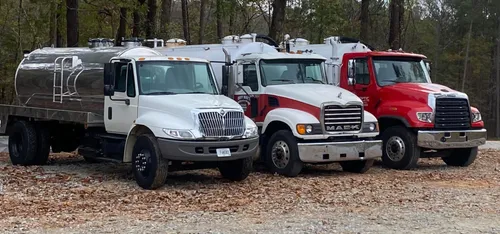
Dirty Mike's Septic & Hydro Jetting service
33 Mulberry Dr, Fortson, GA 31808
Dirty Mike's Septic & Hydro Jetting service is an owner-operated company based in Columbus, GA, providing a range of septic system services including pumping, inspection, repair, and installation. With over 15 years of experience, the business serves both residential and commercial clients, offering specialized capabilities such as hydro jetting and sewer cleaning. The company is available 24/7 to handle routine maintenance as well as emergency septic system repairs and installations.
A&B septic services
233 Jones Rd, Cataula, GA 31804
A&B septic services is a septic tank pumping, repair, and installation company based in Columbus, GA. They provide services including tank installation, system repairs, pumping and maintenance, as well as drain field repair and clearing. Their coverage includes multiple counties around Columbus, such as Harris, Talbot, Meriwether, Troup, Muscogee, Marion, Taylor, Pike, and Upson. The company also offers grading and landscaping related to septic systems.
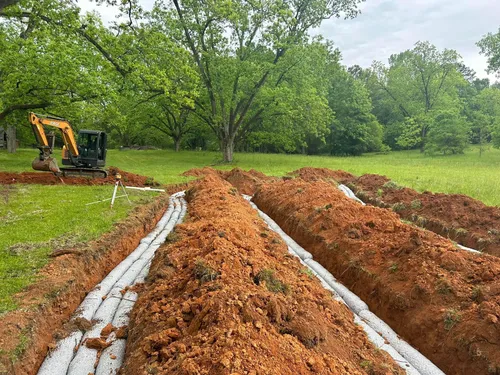
D&H Septic Services
3532 Dr Deryl Hart Rd, Buena Vista, GA 31803
D&H Septic Services is a family-owned company based in Marion County, serving Columbus, GA, and surrounding areas including Muscogee, Harris, Sumter, and Macon counties. They provide a range of septic services such as pumping, system installation, inspections, repairs, and maintenance for both residential and commercial clients. With over 16 years of experience since 2008, D&H Septic Services employs certified technicians and modern equipment to handle routine and emergency septic needs.
Columbus Septic Services
Columbus, GA
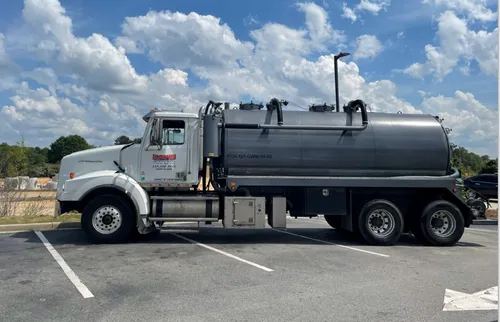
Columbus Septic Services is a locally owned company serving Columbus, GA, with over 20 years of experience in septic system care. They offer a full range of services including septic tank pumping, cleaning, installation, maintenance, and repairs. Their team is equipped to handle complex septic system issues and also provides grease trap cleaning for commercial clients. The company operates 24/7 to address emergency septic needs promptly and uses fully equipped trucks to ensure thorough service.

AB Septic Services
Columbus, GA 31904
AB Septic Services is a septic tank pumping, repair, and installation company based in Columbus, GA. They serve multiple counties including Harris, Talbot, Meriwether, Troup, Muscogee, Marion, Taylor, Pike, and Upson. Their services include tank installation, system repairs, pumping and maintenance, drain field repair, and clearing and grading. They provide emergency contact options for urgent septic needs.
Understanding Georgia's Regulatory Framework
All septic system repairs in Georgia are governed by state rules, primarily under the Georgia Department of Public Health's Chapter 511-3-1 for On-Site Sewage Management Systems. These regulations are enforced at the county level by local Environmental Health offices, often within the County Board of Health. The core principle is that any repair must bring the system into compliance with current standards, not just patch it to its previous, possibly outdated, state.
The first and most critical step for any repair beyond minor component replacement is obtaining a repair permit from your local county Environmental Health office. This permit is required for any work that alters the system's size, location, or functionality, such as replacing a drain field, relocating a tank, or significantly modifying the distribution system. Working without a required permit can result in fines and orders to remove unapproved work.
Furthermore, Georgia law mandates that all septic system repairs be performed by a state-licensed septic tank contractor 1. Hiring a licensed professional ensures the work meets code, is performed safely, and will be approved by the county inspector. Always verify a contractor's license with the state before signing any agreement.
Common Septic System Repairs and Their Causes
Septic systems fail for predictable reasons. Identifying the root cause is key to a lasting repair.
-
Drain Field (Absorption Field) Failure: This is the most common and costly repair. Symptoms include soggy ground over the field, sewage odors, and plumbing backups. Causes include:
- Biological Mat Buildup: Over time, a layer of sludge can clog the soil pores.
- Physical Damage: Compaction from vehicles or heavy equipment, or root intrusion from trees.
- System Overload: Consistently exceeding the system's design capacity with water use.
-
Poor Soil Conditions: Native clay soils in much of Georgia have low permeability, leading to premature failure if the system wasn't properly engineered.
-
Tank-Related Issues:
- Structural Damage: Cracks or collapses in concrete tanks, often from age, ground pressure, or poor installation.
-
Baffle or Effluent Filter Failure: Baffles (tees) at the inlet and outlet are crucial for preventing scum and sludge from exiting the tank. All tanks in Georgia are now required to have an effluent filter, which may need cleaning or replacement 2.
- Access Riser Problems: Missing or damaged risers make routine pumping and inspection difficult.
-
Distribution System Problems: This includes clogged or broken pipes that carry effluent from the tank to the drain field. Improper slope or alignment can cause uneven distribution and field failure.
The Role of Soil and Site Evaluation in Repairs
Georgia's diverse geology, from the clay soils of the Piedmont to the sandy coastal plains, directly dictates repair solutions 3. A critical factor is the vertical separation distance-the space required between the bottom of the drain field and the seasonal high-water table 4 5. If a repair involves a new drain field or significant modification, the county may require a new site evaluation, including a soil analysis and percolation (perc) test, to determine the soil's absorption rate.
For properties with poor soil or high groundwater, a conventional gravel trench system may not be viable for repair. In these cases, an engineered or alternative system may be the only approved repair option. These systems, such as aerobic treatment units (ATUs), sand filters, or low-pressure dosing systems, provide advanced treatment and are designed for challenging sites but come at a higher cost 6.
Find the perfect septic system repair companies for your needs
Get personalized recommendations and expert advice
Repair Costs and Considerations
The cost of septic system repair in Georgia varies widely based on the repair type, system size, soil conditions, and accessibility. It's important to get multiple detailed quotes from licensed contractors.
- Minor Repairs: Replacing a baffle, effluent filter, or access riser typically ranges from $500 to $1,500.
- Septic Tank Replacement: Replacing a damaged concrete tank can cost between $1,800 and $5,000, depending on size 7.
- Drain Field Repair/Replacement: This is the most significant expense. Partial repair may start around $3,000, while a complete drain field replacement often falls between $3,500 and $10,000 or more.
- Full Conventional System Replacement: Installing a new tank and drain field for a standard 3-4 bedroom home typically costs $3,500 to $8,5008.
- Advanced/Engineered System Replacement: For sites requiring alternative technology, homeowners should budget $10,000 to $50,000+ for a complete system 9.
Remember, these are repair costs. Permit fees from the county and landscaping restoration costs after excavation are almost always additional.
Homeowner Responsibilities and System Standards
When a system is repaired, it must meet current Georgia standards. Key requirements include 10 11 12:
- Tank Sizing: Minimum of 1,000 gallons for a 1-4 bedroom home.
- Effluent Filter: Mandatory on all tanks to protect the drain field.
- Setbacks: The repaired system must maintain legal distances from wells (typically 50-100 feet), property lines, buildings, and water bodies.
- Protection: The area over the tank and drain field must be kept clear of structures, pavement, and deep-rooted plants. Driving or parking vehicles over the system is prohibited.
Proper maintenance is the best way to avoid costly repairs. This includes regular pumping (every 3-5 years), conserving water, and avoiding flushing harmful chemicals or non-biodegradables.
Navigating the Repair Process: A Step-by-Step Guide
- Identify the Problem: Look for signs of failure: slow drains, odors, wet spots, or unusually green grass over the drain field.
- Contact a Licensed Professional: Hire a licensed septic contractor to diagnose the issue. They can perform an inspection and file the necessary reports 13.
- Apply for a Permit: Your contractor will usually handle this, submitting a repair application and plan to the local Environmental Health office for approval.
- Perform the Repair: The licensed contractor completes the permitted work.
- Final Inspection: The county inspector visits the site to verify the repair complies with the approved plan and state regulations.
- Maintain Your System: Once repaired, adhere to a strict maintenance schedule to protect your investment.
For specific guidance, always reach out to your local Georgia County Environmental Health office. They are the definitive source for permit applications, site-specific rules, and lists of licensed contractors in your area 14 15.
Frequently asked questions
Sources
Footnotes
-
GA R&R - GAC - Subject 511-3-1 ON-SITE SEWAGE MANAGEMENT SYSTEMS - https://rules.sos.ga.gov/gac/511-3-1 ↩
-
Recommendations for Effective Septic System Management in ... - https://rivercenter.uga.edu/wp-content/uploads/2021/01/Recommendations-for-Effective-Septic-System-Management-in-the-Upper-Etowah-Watershed.pdf ↩
-
How Soil Composition Affects Septic System Performance in Georgia - https://www.alternative-septic.com/how-soil-composition-affects-septic-system-performance-in-georgia ↩
-
Manual for On-site Sewage Management Systems - https://www.fultoncountyga.gov/-/media/Departments/Board-of-Health/Environmental-Health/Well-and-Septic-Inspection/Link-List-Items/Manual-For-Onsite-Sewage-Management-Systems.pdf ↩
-
Stay Compliant: Avoid Fines with Septic System Regulations - https://smartsepticpros.com/blog/septic-system-regulations/ ↩
-
Georgia's Septic Drain Field Requirements: Homeowner's Guide - https://smartsepticpros.com/blog/georgias-septic-drain-field-requirements/ ↩
-
Septic Tank Installation Cost in Georgia | Expert Guide - https://dandhsepticservices.com/septic-tank-installation-cost/ ↩
-
Complete Guide to Septic Inspection in Georgia - https://dandhsepticservices.com/septic-inspection-in-georgia/ ↩
-
How Much Does It Cost to Replace a Septic System? - https://alphaenvironmental.net/blog/how-much-cost-replace-septic-system/ ↩
-
A HOMEOWNER'S GUIDE TO ON-SITE SEWAGE ... - https://dph.georgia.gov/document/document/guide-septic-tanks/download ↩
-
Homeowner's Guide to Septic System Maintenance - https://www.gwinnettcounty.com/static/departments/water/pdf/Septic_Kit.pdf ↩
-
Georgia Septic Tank Requirements | On-Site Sewage Management Systems - https://www.ntotank.com/blog/georgia-septic-tank-requirements ↩
-
Septic Tank Inspection Report: How to Read It Correctly - https://dandhsepticservices.com/septic-tank-inspection-report/ ↩
-
Septic Systems - DeKalb Public Health - https://dekalbpublichealth.com/environmental-health/septic-systems/ ↩
-
Understanding Georgia's Septic Inspection Requirements - https://smartsepticpros.com/blog/septic-inspection-requirements/ ↩