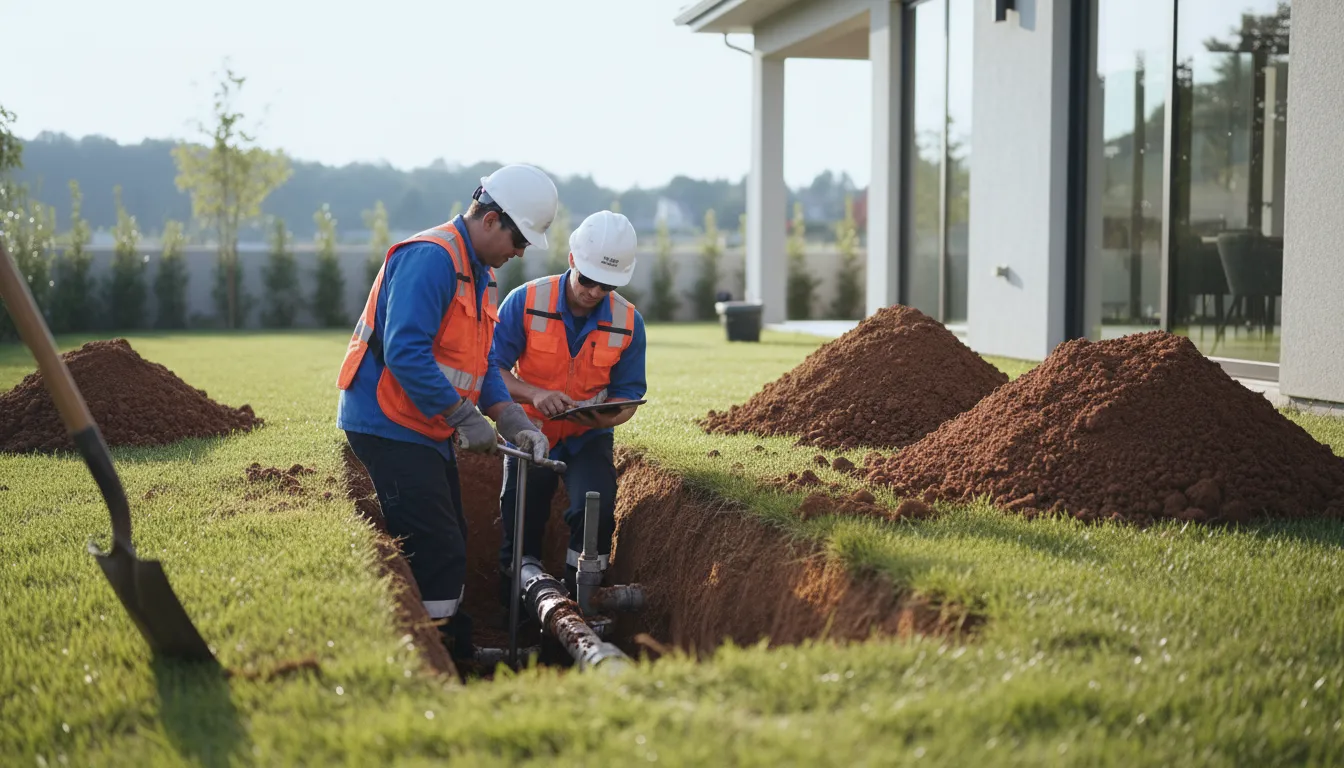
Find the Best Septic System Repair Companies for Your Business
No obligation • Fast responses • Nationwide coverage

Why you can trust Septic Spot
Septic Spot is a leading United States resource for understanding and comparing septic services. Our editors review providers using consistent criteria and verify key business details. Listings and scores are independent, and companies cannot pay to influence our content.
Search providers near you
Top Septic System Repair Companies in Augusta, Georgia Ranked
When your home's on-site wastewater treatment system fails, it's more than an inconvenience-it's a potential health hazard and a regulatory issue. Septic system repair in Augusta, Georgia, involves diagnosing and fixing problems with septic tanks, drain fields, and related components to restore proper function and environmental safety. This work is strictly regulated and must be performed by certified professionals. This guide will help you understand the local requirements, common repair scenarios, and how to find qualified specialists to address your system's needs.
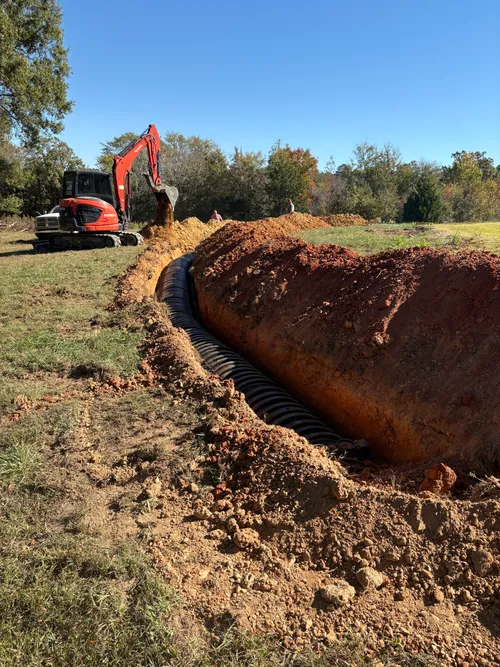
Skipper's Septic Service LLC
444 Clinton Church Rd, Salley, SC 29137
Skipper's Septic Service LLC provides septic system installation, maintenance, repair, and inspections for residential and commercial properties in Augusta, GA. Their services include septic tank pumping, drain field repair and replacement, grease trap installation and cleaning, and well installation. The company handles everything from site evaluation to final installation, ensuring compliance with local and state regulations. They also offer septic system inspections for home buyers and sellers. Skipper's Septic Service LLC has years of experience and provides emergency septic services.
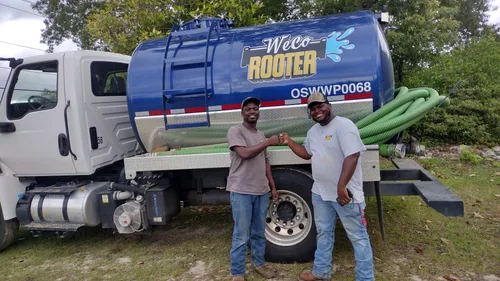
WeCo Rooter
1020 Leaphart St, West Columbia, SC 29169
WeCo Rooter is a plumbing and septic service company based in Augusta, GA, offering comprehensive septic tank inspections and repairs. They serve the local area and communities across the Midlands, including multiple counties in South Carolina. Their services include drain and sewer repair, leak detection, emergency plumbing, and water treatment, with a focus on thorough septic system maintenance to ensure optimal performance. With over 20 years of industry experience, WeCo Rooter provides licensed, bonded, and insured services and offers emergency plumbing support to address urgent issues promptly.
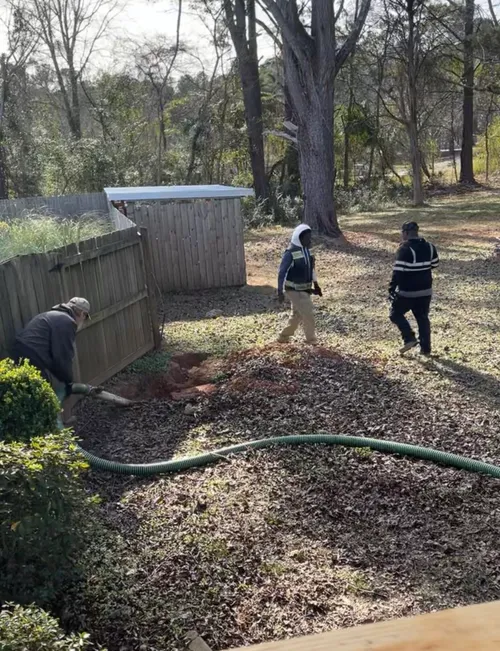
Bestway Septic Tank
Augusta, GA
Bestway Septic Tank is a full-service septic tank repair and maintenance company based in Augusta, GA. They serve both homeowners and businesses, offering services such as septic tank pumping, inspection, and system repair. With years of experience, Bestway Septic Tank is licensed and insured, adhering to industry standards. One notable capability includes identifying additional septic tanks and unclogging lines during service visits. The company has built a reputation for integrity and effective results over time.
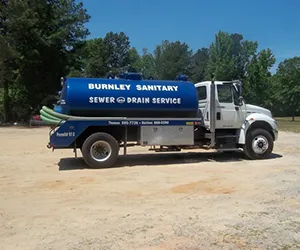
Burnley Sanitary Sewer & Drain Service LLC
Augusta, GA
Burnley Sanitary Sewer & Drain Service LLC is a family-owned business serving Augusta, GA, and surrounding areas since 1971. They provide septic tank pumping, inspection, repair, and installation services for both residential and commercial clients. Their team helps maintain septic systems to prevent leaks, backups, and other issues, with expertise in locating septic tanks and performing thorough pump-outs and resealing. Burnley serves a wide area including parts of Georgia and South Carolina, offering reliable septic system care based on decades of experience.
Longleaf Property Solutions LLC
2430 Old Belleville Rd, St Matthews, SC 29135
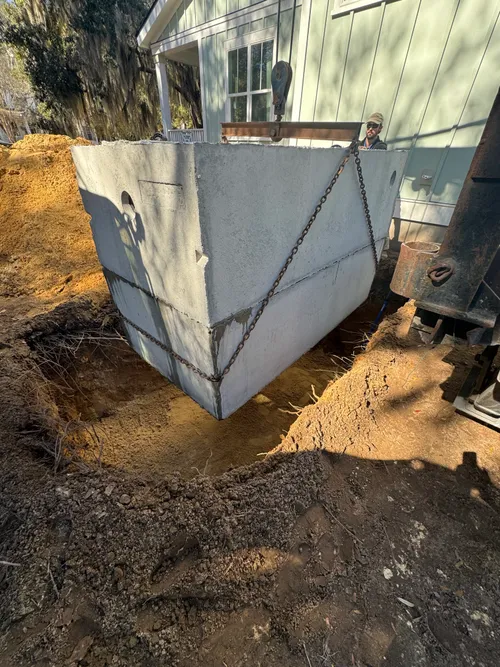
Longleaf Property Solutions LLC provides septic tank pumping, inspection, repair, and installation services in Augusta, GA. They also offer comprehensive land clearing, grading, and excavation services tailored for residential projects. With over 10 years of experience, the company handles septic system installation and replacement, including site leveling and drainage grading to ensure proper system function and compliance.
Understanding Augusta's Septic System Regulations
All repair work on residential septic systems in Augusta-Richmond County is governed by the Georgia Department of Public Health (DPH) and enforced locally by the East Central Health District 1. A critical first step for any homeowner facing a malfunctioning system is understanding these rules, as non-compliance can lead to fines and unresolved issues.
A paramount regulation is the connection mandate. According to Augusta-Richmond County Code (Title 5, Section 5-2-6), if a property is within 200 feet of a public sanitary sewer line, the owner is legally required to connect to the city sewer system rather than repair a failing septic system 2. This rule aims to phase out on-site systems in well-serviced areas to protect public health and water quality.
For properties where repair is the appropriate path, the process is formalized:
- Permitting: A permit from the local Environmental Health Office is required before any repair or modification work begins.
- Certified Contractors: Only state-licensed and certified septic system contractors are legally allowed to perform repairs or modifications 3.
- Inspection: Once work is completed, a final inspection by the health department is mandatory before the system can be covered or put back into use.
The Professional Diagnostic: What a Septic Inspection Entails
Before any septic tank repair or drain field work can be planned, a thorough professional inspection is essential to accurately diagnose the problem. This is not a simple look-over; it's a detailed process.
- Locating & Exposing the System: The technician must first locate all system components-the tank, distribution box, and drain field. This often requires digging to expose access points like the tank lid and inspection ports.
- Tank Structural Assessment: The tank is checked for integrity. This includes looking for cracks, leaks, signs of corrosion, and ensuring the lid and risers are secure and safe.
- Internal Component Inspection: Key internal parts are examined. Baffles (which prevent solids from exiting the tank) and effluent filters (if present) are checked for damage or clogging. The distribution box, which sends liquid to the drain field, is also inspected for proper function.
- Drain Field Evaluation: This is a crucial phase. Technicians assess the soil absorption area for signs of failure, such as soggy ground or effluent surfacing. They may perform a percolation test to see how well the soil absorbs liquid 4.
- Sludge and Scum Measurement: Using specialized tools, the inspector measures the levels of sludge (solid waste at the bottom) and scum (floating fats and greases) inside the tank. This determines if over-accumulation is contributing to the problem and if pumping is needed 5.
Find the perfect septic system repair companies for your needs
Get personalized recommendations and expert advice
Common Types of Septic System Repairs
The nature of the repair depends entirely on the inspection's findings. Here are the most common fixes for failing on-site sewage management systems in the Augusta area.
Tank Repairs and Component Replacement
Problems contained within the septic tank itself are often the most straightforward to address.
- Baffle Repair/Replacement: Broken or deteriorated inlet or outlet baffles can allow solids to escape into the drain field, causing clogs. Replacing them is a common repair.
- Riser Installation/Repair: Adding or fixing secure, watertight risers brings tank access to the surface, making future maintenance and pumping much easier and safer.
- Tank Structural Repair: Small cracks in concrete tanks can sometimes be sealed, but significant structural damage usually necessitates a full tank replacement.
Drain Field Rehabilitation and Replacement
Drain field (or leach field) failure is a serious and often costly issue. Repair options vary.
- Pipe Repair: Individual sections of perforated pipe in the drain field that have collapsed or become blocked can sometimes be replaced 6.
- Jet Cleaning: For partial clogs caused by biomat buildup, high-pressure water jetting can clean the pipes and surrounding soil to restore absorption.
- Full Drain Field Replacement: When the soil is permanently clogged (a condition called "failure"), the entire drain field may need to be replaced in a new location. This is the most extensive and expensive repair.
Pump and Alternative System Repairs
Many homes, especially those with high water tables or poor soil, use engineered systems with pumps, alarms, and advanced treatment components.
- Pump Replacement: Effluent pumps that move liquid to the drain field or aerobic treatment unit components can wear out and need replacement 7 8.
- Alarm System Repair: Electrical alarms that warn of high water levels in the tank are critical for preventing backups and require prompt repair if malfunctioning.
Cost Considerations for Septic Repairs
The cost for fixing a septic system in Augusta can vary dramatically based on the problem's scope and the system's size. It's important to get detailed estimates from certified contractors.
- Minor Repairs: Fixing a baffle, replacing a filter, or installing a riser typically costs under $1,000.
- Drain Field Work: Repairing or replacing sections of a drain field is more involved, with costs commonly ranging from $2,000 to over $10,000, heavily dependent on soil conditions and system size.
- Complete System Replacement: If both the tank and drain field have failed, a full new system installation can range from $3,000 to $12,000 or more9.
- Related Maintenance: Routine septic tank pumping, which is not a repair but a critical preventative measure, typically costs $300 to $600 in the Augusta area 10 11.
Proactive Maintenance to Avoid Major Repairs
The best "repair" is prevention. Adhering to a consistent maintenance schedule can extend your system's life for decades and prevent costly emergencies 12 13.
- Pump Regularly: Have your septic tank pumped by a professional every 3 to 5 years, or as recommended based on inspection.
- Conserve Water: Spread out laundry loads, fix leaking faucets and toilets, and use high-efficiency fixtures to avoid overloading the drain field.
- Mind What You Flush: Only human waste and toilet paper should go down the drain. Avoid flushing wipes, feminine hygiene products, grease, coffee grounds, and harsh chemicals like bleach or drain cleaners 14.
- Protect the Drain Field: Never drive or park vehicles, build structures, or plant trees with deep roots over the drain field area. Keep roof drains and sump pumps directed away from it.
Frequently asked questions
Sources
Footnotes
-
On-Site Sewage/Septic Systems - Georgia Coastal Health District - https://coastalhealthdistrict.org/programs-services/environmental-health-2/on-site-sewage-septic-systems/ ↩
-
A HOMEOWNER'S GUIDE TO ON-SITE SEWAGE MANAGEMENT ... - https://dph.georgia.gov/document/document/guide-septic-tanks/download ↩
-
Residential-Study-Guide.pdf - GNR Health - https://gnrhealth.com/wp-content/uploads/2012/01/Residential-Study-Guide.pdf ↩
-
DIY vs Professional Septic Inspections: Do You Need Pro Help? - https://www.sterlingsepticandplumbing.com/blog/diy-vs-pro-septic-inspections/ ↩
-
Georgia Septic System Guide: Regulations & Maintenance Tips - https://smartsepticpros.com/blog/georgia-septic-system-regulations/ ↩
-
Complete Guide to Septic Inspection in Georgia - https://dandhsepticservices.com/septic-inspection-in-georgia/ ↩
-
TO SEPTIC SYSTEMS - CAES Field Report - https://fieldreport.caes.uga.edu/wp-content/uploads/2025/08/B-1421_2.pdf ↩
-
Septic Tank Regulations Homeowners Compliance Guide | Blog - https://www.blueribbonseptic.com/blog/septic-tank-regulations-homeowners-compliance ↩
-
2026 Guide to Septic Tank Installation - https://dandhsepticservices.com/septic-tank-installation/ ↩
-
Septic System Inspections in Augusta: What To Expect - https://www.onewaysepticandsewer.com/blog/septic-system-inspection-augusta/ ↩
-
The Importance of Regular Septic Tank Pumping to Avoid Costly Repairs - https://jtserviceco.com/regular-septic-tank-pumping-to-avoid-costly-repairs/ ↩
-
A Beginner's Guide to Septic Systems - CAES Field Report - https://fieldreport.caes.uga.edu/publications/B1421/a-beginners-guide-to-septic-systems/ ↩
-
homeowner's guide - to septic system maintenance - https://northgeorgiawater.org/wp-content/uploads/2017/10/SepticTankKit-MNGWPD.pdf ↩
-
A Guide to Septic Systems - Augusta, GA - https://www.augustaga.gov/DocumentCenter/View/5326/Septic-Field-Maintenance ↩