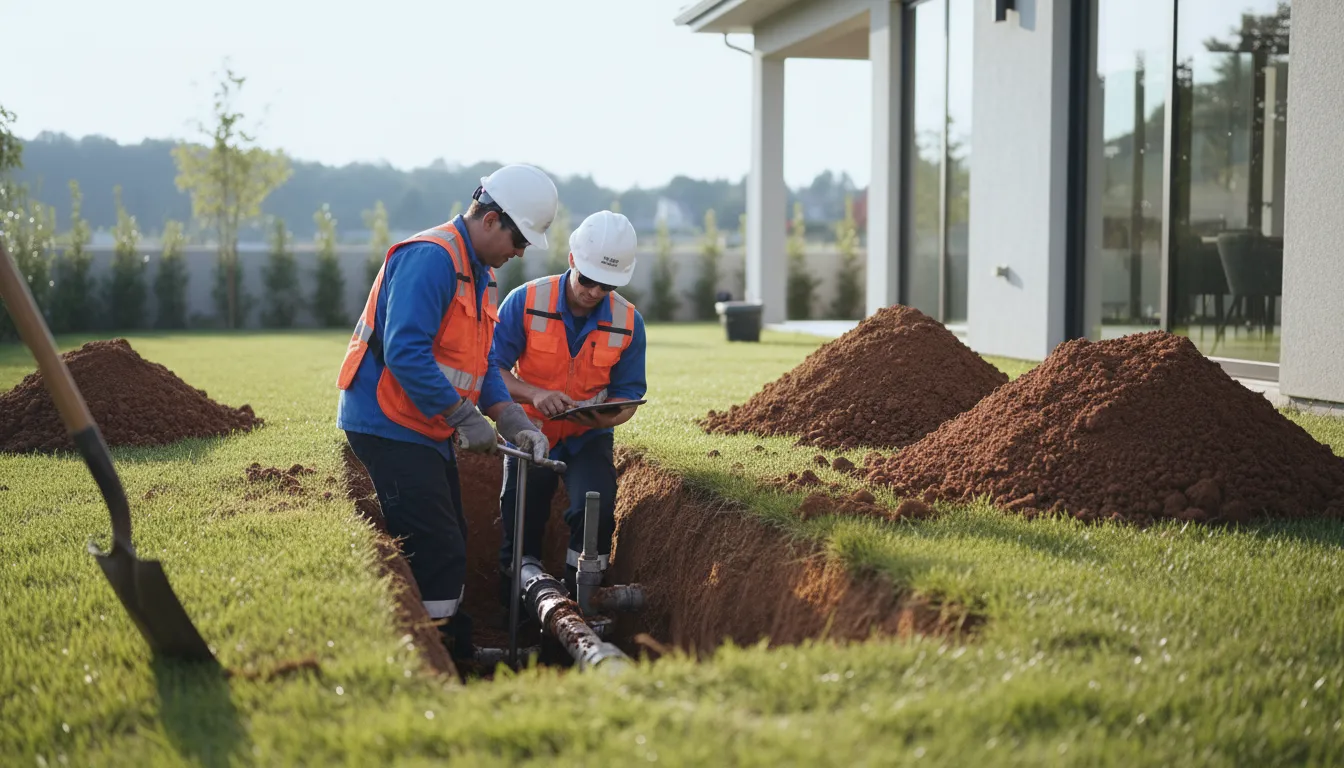
Find the Best Septic System Repair Companies for Your Business
No obligation • Fast responses • Nationwide coverage

Why you can trust Septic Spot
Septic Spot is a leading United States resource for understanding and comparing septic services. Our editors review providers using consistent criteria and verify key business details. Listings and scores are independent, and companies cannot pay to influence our content.
Search providers near you
Top Septic System Repair Companies in Sandy Springs, Georgia Ranked
Maintaining a functional septic system is crucial for the health of your home and the local environment in Sandy Springs. When issues arise, timely and professional septic system repair is essential to prevent backups, property damage, and environmental contamination. This guide explains the local repair process, common problems, and how to find certified professionals to ensure your system is fixed correctly and complies with all Fulton County and Georgia state regulations.
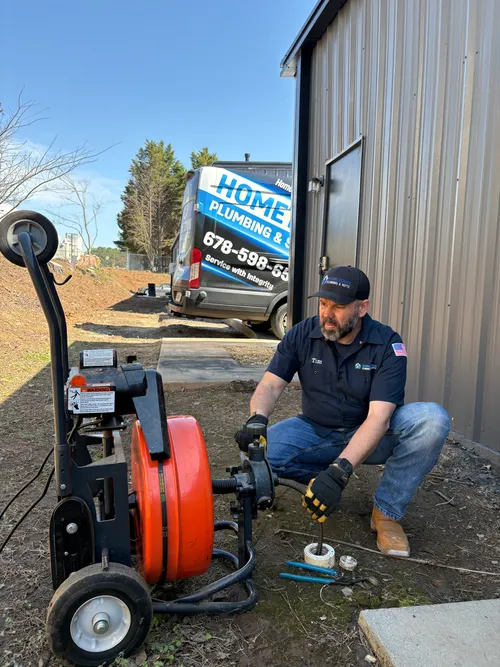
Hometown Plumbing and Septic
3375 Hutchinson Rd, Cumming, GA 30040
Hometown Plumbing and Septic provides professional septic services in South Fulton, GA, and the surrounding Metro Atlanta and North Georgia areas. They specialize in septic tank pumping, inspections, repairs, and complete system replacements for both residential and commercial properties. Their services also include drain field repair and lift station maintenance. With decades of experience and advanced equipment, they handle complex septic system issues with precision. They serve multiple counties including Barrow, Cherokee, Cobb, and others, offering preventative maintenance to help avoid emergency repairs.
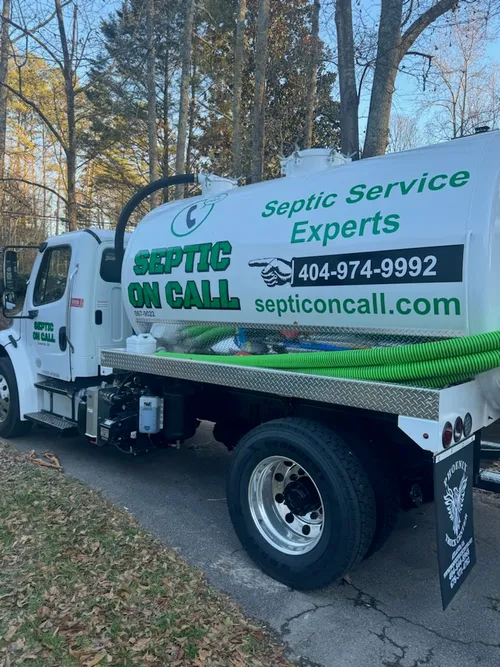
Septic On Call
2180 Satellite Blvd NW #400, Duluth, GA 30097
Septic On Call is a septic tank service provider based in Atlanta, GA. The company offers a range of services including septic tank pumping, inspections, repairs, and installation of septic tanks and drainfields. They provide thorough cleaning and maintenance to help prevent costly repairs and ensure proper system function. Septic On Call also specializes in diagnosing and repairing septic system issues, from minor leaks to major damage. The company offers 24/7 emergency services for septic tank problems and backups, responding quickly to urgent repair needs.
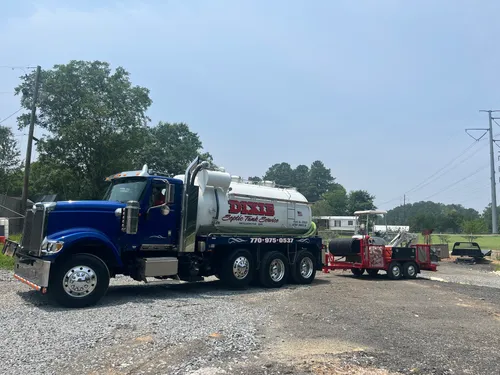
Dixie Septic Tank Service
4400 Pecan Ln SE, Acworth, GA 30102
Dixie Septic Tank Service is a family-owned business providing full-service septic solutions in South Fulton, GA. They offer septic tank pumping, installation, repair, and maintenance for both residential and commercial properties. Known for their transparent pricing and thorough workmanship, Dixie Septic has built a strong reputation through word-of-mouth referrals and long-term customer relationships. Their team also provides free second opinions on quotes from other companies, helping clients make informed decisions about their septic systems.
Smart Septic Pros
210 Holt Ct, Acworth, GA 30101
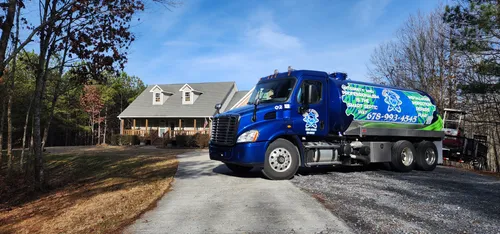
Smart Septic Pros is a septic tank pumping, inspection, and repair company based in South Fulton, GA. They provide thorough septic system maintenance aimed at reducing odors and sludge build-up to support healthier effluent discharge. With over a decade of experience and more than 1,000 tanks serviced, they handle everything from routine inspections to resolving solid blockages to maintain proper septic function. Their services focus on ensuring safety, compliance, and reliable waste management for homes in the area.
Independent Septic and Sewer LLC
Atlanta, GA
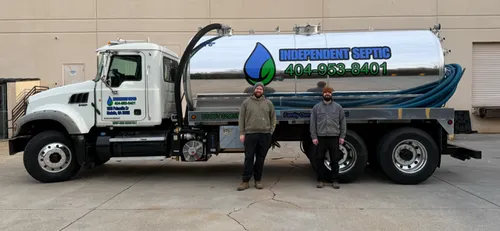
Independent Septic and Sewer LLC is a family-owned business serving Atlanta, GA, and surrounding counties. They provide septic tank pumping, cleaning, inspection, repair, and installation services for residential and commercial properties. With over 20 years of experience, the company offers expertise in diagnosing and repairing septic system issues, including drain field repairs and sewer line maintenance. They also provide a 10-year warranty on repairs and handle all necessary permits and building code requirements. Their services include thorough septic tank pumping that removes both liquids and solids, as well as hydro jetting and camera inspections when needed.
Understanding Septic System Regulations in Fulton County
All residential septic system repairs, modifications, or new installations in Sandy Springs are regulated by the Fulton County Health Department in compliance with Georgia's environmental rules. A critical first step for any repair project is obtaining the proper permit. Work cannot legally begin until a permit is issued, and the repair must be performed by a contractor certified by the Georgia Department of Human Resources (DHR).
Before issuing a permit, the health department often requires an inspection of the existing system and property. A final inspection is also typically required before the repaired system is backfilled. Homeowners can contact the Fulton County Health Department to locate their property's septic record drawing, known as the "as-built" design, which is invaluable for planning repairs.
Common Septic System Problems Requiring Repair
Septic systems are comprised of a tank and a drain field (or leach field). Failure can occur in any component. Here are the most frequent issues that necessitate septic tank repair or onsite sewage system maintenance in Sandy Springs:
- Drain Field Failure: This is often the most serious and costly repair. It occurs when the soil absorption area becomes saturated or clogged, preventing wastewater from properly percolating. Symptoms include soggy ground, sewage odors, and plumbing backups 1 2.
- Tank Structural Damage: Concrete tanks can crack over time due to ground shifting, root intrusion, or deterioration. Cracks can allow groundwater to flood the tank or, worse, allow raw sewage to leak into the surrounding soil.
- Baffle or Filter Failure: The inlet and outlet baffles (or tees) inside the tank are crucial for preventing solids from flowing into the drain field. If these break, solids can clog the distribution lines, leading to system failure 3.
- Distribution Box Issues: This box evenly distributes liquid effluent from the tank to the pipes in the drain field. If it becomes clogged, cracked, or tilted, it can cause uneven distribution and premature field failure 4.
- Pipe Blockages: Blockages in the pipes connecting the house to the tank or from the tank to the field can cause immediate backups and require excavation to clear.
The Professional Repair Process: From Diagnosis to Completion
A proper septic system fix follows a logical sequence to ensure the root cause is addressed.
- Comprehensive Inspection: A full inspection, often involving pumping the tank, is the cornerstone of any repair 5 6. This allows a certified professional to visually assess the tank's interior for cracks, check baffles and filters, and evaluate the sludge and scum levels.
- System Locating & Diagnosis: The technician will locate all system components (tank, distribution box, drain field) and perform tests, such as a flow test or soil percolation test, to diagnose the exact problem.
- Permitting & Planning: Based on the diagnosis, the certified contractor will apply for the necessary repair permit from the Fulton County Health Department and develop a repair plan.
- Execution of Repairs: Repairs vary widely:
- Minor Repairs: May include replacing a baffle, unclogging a pipe, or repairing a damaged tank lid.
- Major Repairs: Can involve excavating to repair a cracked tank, replacing a failed distribution box, or installing a completely new drain field absorption area 7.
- Final Inspection & Backfill: Once repairs are complete, a county inspector will typically check the work before the system is covered. Proper backfilling is crucial to protect the new components.
Find the perfect septic system repair companies for your needs
Get personalized recommendations and expert advice
Typical Repair and Inspection Costs in Georgia
While every repair is unique and site-specific, understanding general cost ranges can help Sandy Springs homeowners budget. Prices depend on system size, soil conditions, accessibility, and the extent of the damage.
- Septic System Inspection: A basic visual inspection may cost between $200 and $350. A full inspection that includes pumping the tank for internal assessment typically ranges from $400 to $600 8 9.
- Minor Septic Repairs: Fixing components like baffles, filters, or small pipes can range from $500 to $1,500 10.
- Major System Repairs: Significant work like drain field repair or replacement is a larger investment, often ranging from $3,000 to $12,000 or more, heavily dependent on the system's size and the property's landscape 11 12.
Maintaining Your System to Avoid Costly Repairs
Proactive maintenance is the most effective way to avoid emergency septic service and major rehabilitation costs.
- Pump Regularly: Have your tank inspected and pumped every 3 to 5 years by a certified pumper.
- Conserve Water: Reduce strain on the system by fixing leaks and spreading out laundry loads.
- Mind What You Flush: Never flush chemicals, grease, diapers, wipes, or excessive food waste (even with a garbage disposal) 13 14.
- Protect the Drain Field: Never drive, park, or build structures over the tank or drain field. Plant only grass over the field; tree and shrub roots can cause severe damage 15.
- Divert Water: Ensure roof downspouts and surface drainage are directed away from the septic field to prevent saturation 16 17.
If a system is beyond repair and is being replaced with a sewer connection or a new onsite system, the old tank must be properly abandoned. This involves pumping it out and having it filled with sand, soil, or rock, or physically removed, following county guidelines 18.
Finding Certified Help in Sandy Springs
For more information or to obtain records, homeowners can contact the Fulton County Environmental Health Department at 404-612-7518 19. When searching for service, always verify that the septic tank contractor or cleaner is certified by the Georgia DHR to perform repair, modification, or maintenance work. This certification is your assurance that they understand and will comply with the local and state rules that govern onsite wastewater system repairs 20 21 22.
Frequently asked questions
Sources
Footnotes
-
Septic Systems - DeKalb Public Health - https://dekalbpublichealth.com/environmental-health/septic-systems/ ↩
-
Georgia Septic System Guide: Regulations & Maintenance Tips - https://smartsepticpros.com/blog/georgia-septic-system-regulations/ ↩
-
Manual for On-Site Sewage Management Systems - https://dph.georgia.gov/document/document/envhealthonsitemanual2024-02-22sectionkpdf/download ↩
-
Understanding Georgia's Septic Inspection Requirements - https://smartsepticpros.com/blog/septic-inspection-requirements/ ↩
-
What to Expect from a Septic Inspection - https://www.wrenvironmental.com/blog/2023/may/what-to-expect-from-a-septic-inspection/ ↩
-
Cost of a Septic Inspection: A Comprehensive Guide - https://www.maxrealestateexposure.com/septic-inspection-cost/ ↩
-
2026 Guide to Septic Tank Installation - https://dandhsepticservices.com/septic-tank-installation/ ↩
-
How Much Does a Septic Inspection Cost? [2026 Data] | Angi - https://www.angi.com/articles/septic-inspection-cost.htm ↩
-
2026 Guide to Septic Inspection in Georgia - https://dandhsepticservices.com/septic-inspection-in-georgia/ ↩
-
Septic System Inspection: Costs, Precautions, and More - https://www.realtor.com/advice/sell/is-the-seller-obligated-to-get-a-septic-system-inspection-on-a-home/ ↩
-
Complete Guide to Septic Inspection in Georgia - https://dandhsepticservices.com/septic-inspection-in-georgia/ ↩
-
Septic Care for Tubac Homes: Simple Maintenance Plan - https://thaliakyriakis.com/blog/septic-care-for-rural-tubac-homes-a-simple-plan ↩
-
Homeowner's Guide to Septic System Maintenance - https://www.gwinnettcounty.com/static/departments/water/pdf/Septic_Kit.pdf ↩
-
7 Things That Will Damage Your Septic System - Russo Bros. & Co. - https://russobrosplumbing.com/blog/3-worst-put-septic-system/ ↩
-
A Beginner's Guide to Septic Systems - CAES Field Report - https://fieldreport.caes.uga.edu/publications/B1421/a-beginners-guide-to-septic-systems/ ↩
-
Septic Maintenance | Cobb County Georgia - https://www.cobbcounty.gov/water-education/water-education-resources-residents/outside-yard/septic-maintenance ↩
-
homeowner's guide - to septic system maintenance - https://northgeorgiawater.org/wp-content/uploads/2017/10/SepticTankKit-MNGWPD.pdf ↩
-
Georgia Septic Tank Requirements | On-Site Sewage ... - https://www.ntotank.com/blog/georgia-septic-tank-requirements?srsltid=AfmBOooBeuSqKgKXgeWehP1lrZh0cacdYOC8UU74jNvmUlhfLstrzxA7 ↩
-
Septic Tank and Sanitary Sewer - City of Sandy Springs - https://www.sandyspringsga.gov/septic-tank-and-sanitary-sewer/ ↩
-
GAC - Subject 511-3-1 ON-SITE SEWAGE MANAGEMENT SYSTEMS - https://rules.sos.ga.gov/gac/511-3-1 ↩
-
A HOMEOWNER'S GUIDE TO ON-SITE SEWAGE ... - https://dph.georgia.gov/document/document/guide-septic-tanks/download ↩
-
Information For Homeowners - Cobb & Douglas Public Health - https://cobbanddouglaspublichealth.com/programs/environmental-health/septic-systems/information-for-homeowners/ ↩