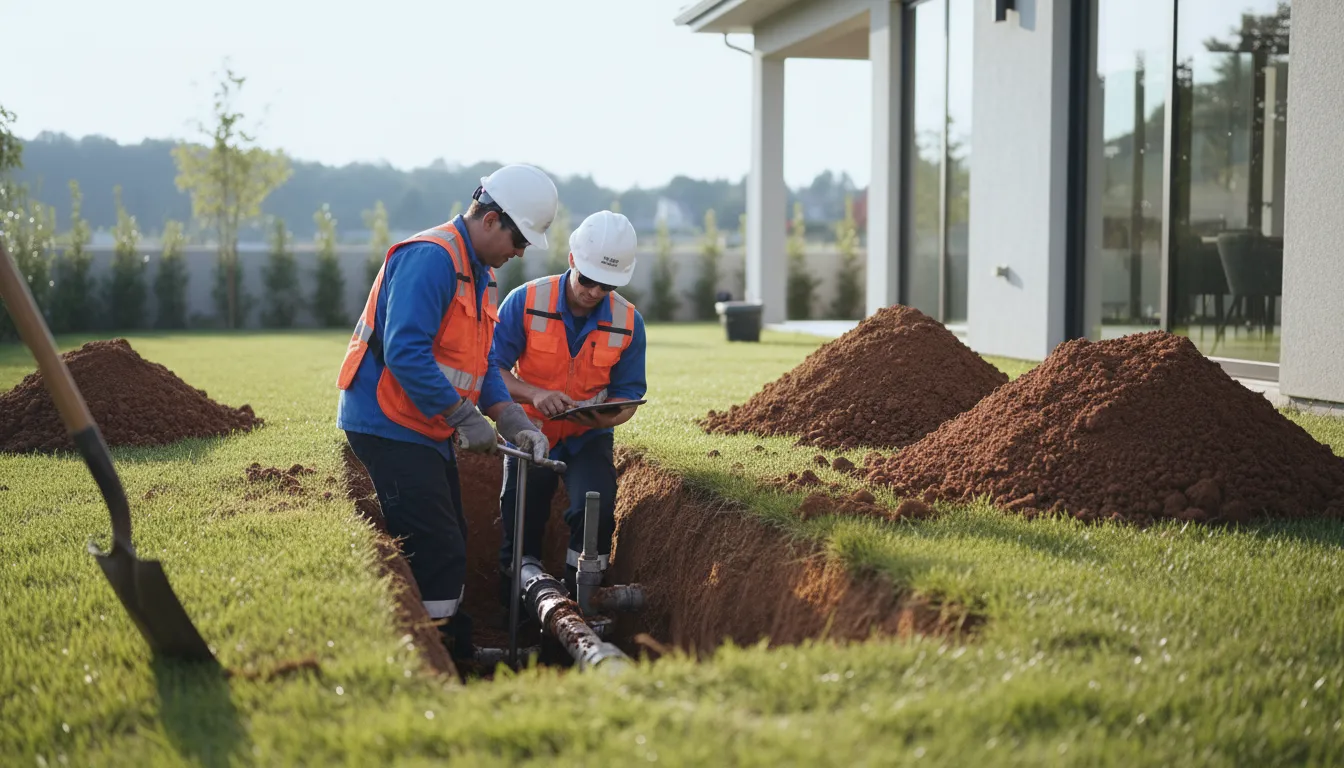
Find the Best Septic System Repair Companies for Your Business
No obligation • Fast responses • Nationwide coverage

Why you can trust Septic Spot
Septic Spot is a leading United States resource for understanding and comparing septic services. Our editors review providers using consistent criteria and verify key business details. Listings and scores are independent, and companies cannot pay to influence our content.
Search providers near you
Top Septic System Repair Companies in Peachtree Corners, Georgia Ranked
A failing septic system is a serious issue for any homeowner, leading to unpleasant odors, soggy yards, and potential health hazards. Septic system repair involves diagnosing and fixing problems with your on-site wastewater treatment system, from the tank to the drain field. In Peachtree Corners, this work is strictly regulated to protect public health and the environment. This guide explains the local repair process, common solutions, and how to connect with certified professionals who can restore your system to proper working order.
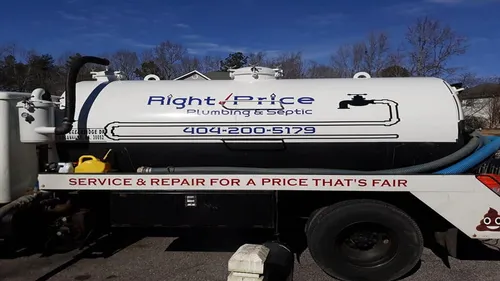
Right Price Plumbing and Septic
Atlanta, GA
Right Price Plumbing and Septic is a local, family-owned company serving Atlanta, GA, and surrounding counties. They provide a range of residential and commercial plumbing and septic services, including septic tank pumping, inspection, repair, and installation. The company also offers drain inspection, emergency plumbing, and water heater repair. They are known for their comprehensive service options and have experience handling various plumbing and septic system needs. Right Price Plumbing and Septic serves multiple counties in Georgia and offers financing options to customers.
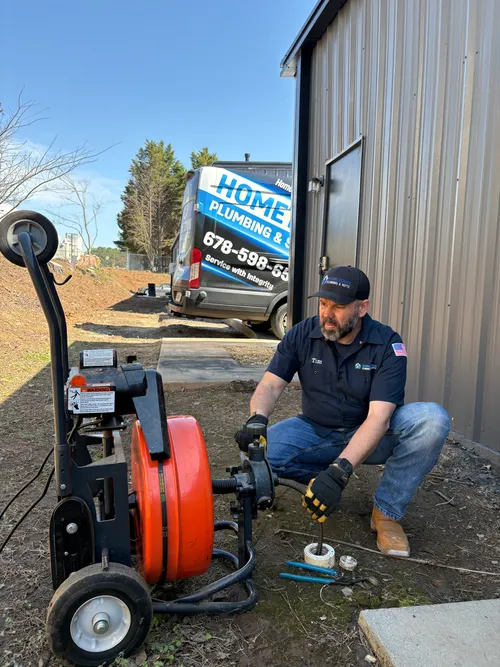
Hometown Plumbing and Septic
3375 Hutchinson Rd, Cumming, GA 30040
Hometown Plumbing and Septic provides professional septic services in South Fulton, GA, and the surrounding Metro Atlanta and North Georgia areas. They specialize in septic tank pumping, inspections, repairs, and complete system replacements for both residential and commercial properties. Their services also include drain field repair and lift station maintenance. With decades of experience and advanced equipment, they handle complex septic system issues with precision. They serve multiple counties including Barrow, Cherokee, Cobb, and others, offering preventative maintenance to help avoid emergency repairs.
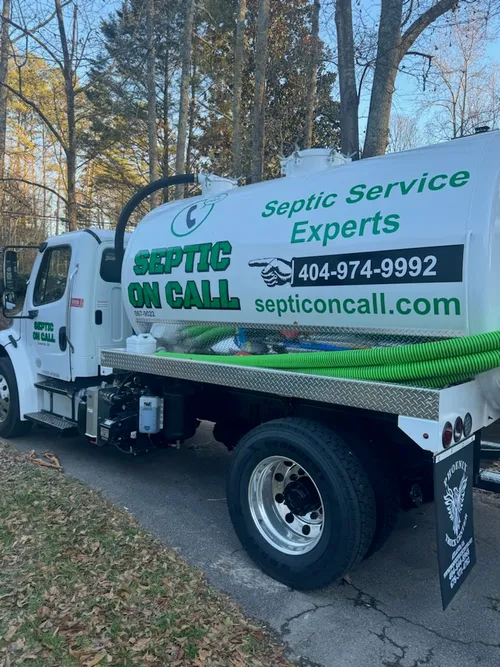
Septic On Call
2180 Satellite Blvd NW #400, Duluth, GA 30097
Septic On Call is a septic tank service provider based in Atlanta, GA. The company offers a range of services including septic tank pumping, inspections, repairs, and installation of septic tanks and drainfields. They provide thorough cleaning and maintenance to help prevent costly repairs and ensure proper system function. Septic On Call also specializes in diagnosing and repairing septic system issues, from minor leaks to major damage. The company offers 24/7 emergency services for septic tank problems and backups, responding quickly to urgent repair needs.
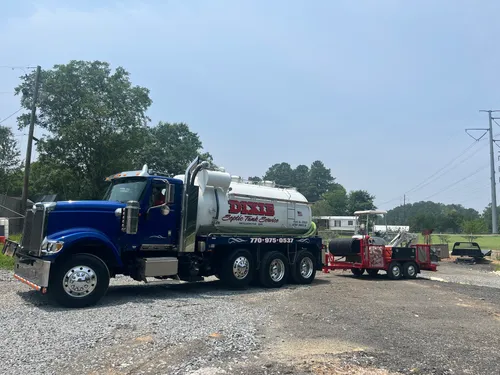
Dixie Septic Tank Service
4400 Pecan Ln SE, Acworth, GA 30102
Dixie Septic Tank Service is a family-owned business providing full-service septic solutions in South Fulton, GA. They offer septic tank pumping, installation, repair, and maintenance for both residential and commercial properties. Known for their transparent pricing and thorough workmanship, Dixie Septic has built a strong reputation through word-of-mouth referrals and long-term customer relationships. Their team also provides free second opinions on quotes from other companies, helping clients make informed decisions about their septic systems.
Smart Septic Pros
210 Holt Ct, Acworth, GA 30101
Smart Septic Pros is a septic tank pumping, inspection, and repair company based in South Fulton, GA. They provide thorough septic system maintenance aimed at reducing odors and sludge build-up to support healthier effluent discharge. With over a decade of experience and more than 1,000 tanks serviced, they handle everything from routine inspections to resolving solid blockages to maintain proper septic function. Their services focus on ensuring safety, compliance, and reliable waste management for homes in the area.
Understanding Septic System Failures
A septic system is a complex, buried network that treats household wastewater. When it malfunctions, the signs are often unmistakable. Common indicators that you need septic repair services include:
- Sewage Backups: Wastewater backing up into household drains or toilets.
- Surface Effluent: Standing water or soggy soil, often with a foul odor, appearing over the drain field.
- Unusually Lush Grass: Patches of grass over the drain field that are greener and grow faster than the rest of the yard, indicating a nutrient surge from leaking effluent.
- Slow Drains: Gurgling pipes and drains that empty slowly throughout the home.
- Foul Odors: Persistent sewage smells inside the home or around the yard.
When these signs appear, it typically means the system is overloaded, a component is broken, or the drain field has become clogged and can no longer absorb liquid 1. Immediate action is required to prevent environmental contamination and more costly damage.
The Peachtree Corners & Gwinnett County Regulatory Process
All septic system maintenance and repair work in Peachtree Corners falls under the jurisdiction of the Gwinnett County Environmental Health Department, which is part of the Georgia Department of Public Health's GNR Health District. Homeowners cannot legally begin any repair without following county protocols.
Step 1: Secure a Repair Permit Before any shovels hit the ground, you or your contractor must obtain a Repair Permit from the Gwinnett County Department of Environmental Health. The application requires details about the property and the proposed repair 2. A key requirement is a Level 3 soil report, which must be completed by a licensed soil classifier. This report is mandatory for all repairs and additions unless a valid one is already on file with the county.
Step 2: Hire a Georgia-Certified Contractor State law requires that all septic system construction, repair, and modification be performed by a contractor certified by the Georgia Department of Public Health 3. Hiring a certified professional ensures the work meets state code and will pass inspection.
Step 3: Schedule Required Inspections The county health department must inspect the repair work before it is covered (backfilled). This critical inspection verifies that the repair complies with the permit and regulations. Failing to get this inspection can result in fines and orders to re-excavate the work 4.
Step 4: Adhere to Repair Timetables Gwinnett County sets strict deadlines once a system failure is identified:
- Damaged components must be removed within 30 days.
- Repairs must be commenced within 60 days.
- Repairs must be completed within 120 days 5 6.
These timelines underscore the importance of acting quickly when a problem is detected.
Common Septic Repairs and Solutions
The scope of septic tank repair can vary from a simple component swap to a major excavation. Here are the most frequent repairs needed for systems in the Peachtree Corners area.
Initial Assessment and Pumping
Often, the first step in addressing a failure is to pump the septic tank. If the system is backing up, the tank may be overly full of sludge and scum, causing solids to flow into the drain field and clog it. A professional pumping ($300 - $600+) clears the tank, allowing for a proper inspection of the tank's interior and components 7 8 9.
Component Replacement and Repair
- Baffle Replacement: The inlet and outlet baffles (T-shaped pipes) inside the tank prevent solids from exiting into the drain field. If these are broken or missing, they must be replaced to prevent system failure. This is a common fix.
- Riser Installation: Many older tanks are buried several feet underground, making access difficult. Installing a riser brings the tank's access lid to ground level, simplifying future pumping, inspections, and minor repairs.
- Effluent Filter Cleaning/Replacement: Modern tanks often have an effluent filter on the outlet baffle to provide an extra layer of protection for the drain field. This filter requires periodic cleaning.
Drain Field Rehabilitation and Replacement
A failing drain field is one of the most serious and expensive problems.
- Cleanout Pipe Installation: In some cases, a professional can install a "cleanout" pipe to bypass a clogged section of a lateral line.
- Drain Field Replacement: If the soil absorption area is completely saturated and non-functional, new lateral lines or an entirely new drain field may need to be installed. This is a major excavation project.
- System Abandonment & Replacement: If the existing tank is structurally damaged (cracked, collapsed) or too small for the home, it must be properly abandoned-typically filled with sand or crushed rock-and a completely new septic system installed 10.
Find the perfect septic system repair companies for your needs
Get personalized recommendations and expert advice
The Role of Professional Septic Inspections
Before committing to a specific repair, a thorough inspection by a certified professional is essential. Inspections are recommended every 3-5 years as part of routine maintenance and are mandatory when buying or selling a home or when a failure is suspected 11 12. A comprehensive inspection includes:
- Locating and Uncovering: Using probes and records to find the tank and distribution box, then excavating to uncover the access lids.
- Pumping and Internal Examination: Pumping out the tank to inspect for cracks, leaks, corrosion, and the condition of baffles.
- Hydraulic Load Test: Running water into the system to check for backups and evaluate the drain field's absorption capacity 13.
- Drain Field Evaluation: Checking the soil over the lateral lines for signs of saturation, standing water, or effluent surfacing.
This inspection provides the diagnosis needed to determine the most effective and cost-efficient repair strategy.
Understanding Repair Costs in North Metro Atlanta
The cost for septic system servicing and repairs in Peachtree Corners varies widely based on the problem's severity and the system's size. Below are general price ranges observed in the North Metro Atlanta area:
- Tank Pumping/Cleaning: $300 - $600+
- Component Replacement (Baffles, Risers): $200 - $1,500
- Minor System Repairs: $500 - $3,000
- Major Drain Field Repair or Full System Replacement: $5,000 - $15,000+
For an accurate estimate, always get a detailed assessment and quote from a licensed contractor after a site inspection.
Local Resources and Proactive Maintenance Tips
- Gwinnett County Environmental Health: For permit applications and regulatory questions, contact (770) 963-5132 14.
- Confirm Your System: If you do not see a "Sewer Amount" charge on your Gwinnett County water bill, you are on a septic system.
- Stormwater Credit: The City of Peachtree Corners offers a 30% stormwater utility credit for five years to homeowners who provide documentation of having their septic tank pumped every five years 15.
- Protect Your Drain Field: Never drive, park, or build structures (sheds, patios) over the tank or drain field. Avoid planting trees nearby, as roots can infiltrate and damage lines 16 17.
- Conserve Water: Spreading out laundry loads and fixing leaky faucets reduces hydraulic load on the system, extending its life.
Frequently asked questions
Sources
Footnotes
-
Septic Systems | DeKalb Public Health - https://dekalbpublichealth.com/environmental-health/septic-systems/ ↩
-
Residential Septic System Permit Application - GNR Health - https://www.gnrhealth.com/wp-content/uploads/2022/03/06.-GNR-Residential-Septic-System-Repair-Permit-App-and-Reqs-Rev.-03.28.2022.pdf ↩
-
Residential-Study-Guide.pdf - GNR Health - https://gnrhealth.com/wp-content/uploads/2012/01/Residential-Study-Guide.pdf ↩
-
Septic Systems - GNR Health - https://www.gnrhealth.com/septic-systems/ ↩
-
city of peachtree corners property maintenance code - https://peachtreecornersga.gov/DocumentCenter/View/271/City-of-Peachtree-Corners-Property-Maintenance-Code-PDF ↩
-
Georgia Septic Tank Requirements | On-Site Sewage ... - https://www.ntotank.com/blog/georgia-septic-tank-requirements?srsltid=AfmBOooqyvscEw-gmwB7YAfLaj4DhyhkkfDKNZXES3Cl-bnsi2RMog4c ↩
-
THE BEST 10 Septic Services near PEACHTREE CITY, GA 30269 - https://m.yelp.com/search?cflt=septicservices&find_loc=Peachtree+City%2C+GA+30269 ↩
-
Septic Pumping in Peachtree Corners, GA - https://www.septicblue.com/septic-tank-pumping-peachtree-corners-ga-septic-cleaning.html ↩
-
Peachtree Corners - Action Septic Tank Service - https://actionseptictankservice.com/?tag=peachtree-corners ↩
-
Septic Tank Repair Peachtree Corners - https://www.septicblue.com/septic-tank-repair-and-installation-peachtree-corners.html ↩
-
homeowner's guide - to septic system maintenance - https://northgeorgiawater.org/wp-content/uploads/2017/10/SepticTankKit-MNGWPD.pdf ↩
-
DIY Septic Maintenance Tips for Georgia Homeowners - https://smartsepticpros.com/blog/diy-septic-system-maintenance-georgia/ ↩
-
Complete Guide to Septic Inspection in Georgia - https://dandhsepticservices.com/septic-inspection-in-georgia/ ↩
-
SEPTIC SYSTEM MAINTENANCE - Dacula - https://www.daculaga.gov/sites/default/files/fileattachments/community/page/2415/septic_tank_maintenance_brochure.pdf ↩
-
City of Peachtree Corners - https://www.peachtreecornersga.gov/DocumentCenter/View/715/Stormwater-Utility-Credits-Manual-PDF ↩
-
Homeowner's Guide to Septic System Maintenance - https://www.gwinnettcounty.com/static/departments/water/pdf/Septic_Kit.pdf ↩
-
Septic Tanks - Gwinnett County - https://www.gwinnettcounty.com/government/departments/water/get-educated/septic-tanks ↩