Find the Best Septic System Repair Companies for Your Business
No obligation • Fast responses • Nationwide coverage

Why you can trust Septic Spot
Septic Spot is a leading United States resource for understanding and comparing septic services. Our editors review providers using consistent criteria and verify key business details. Listings and scores are independent, and companies cannot pay to influence our content.
Search providers near you
Top Septic System Repair Companies in Stonecrest, Georgia Ranked
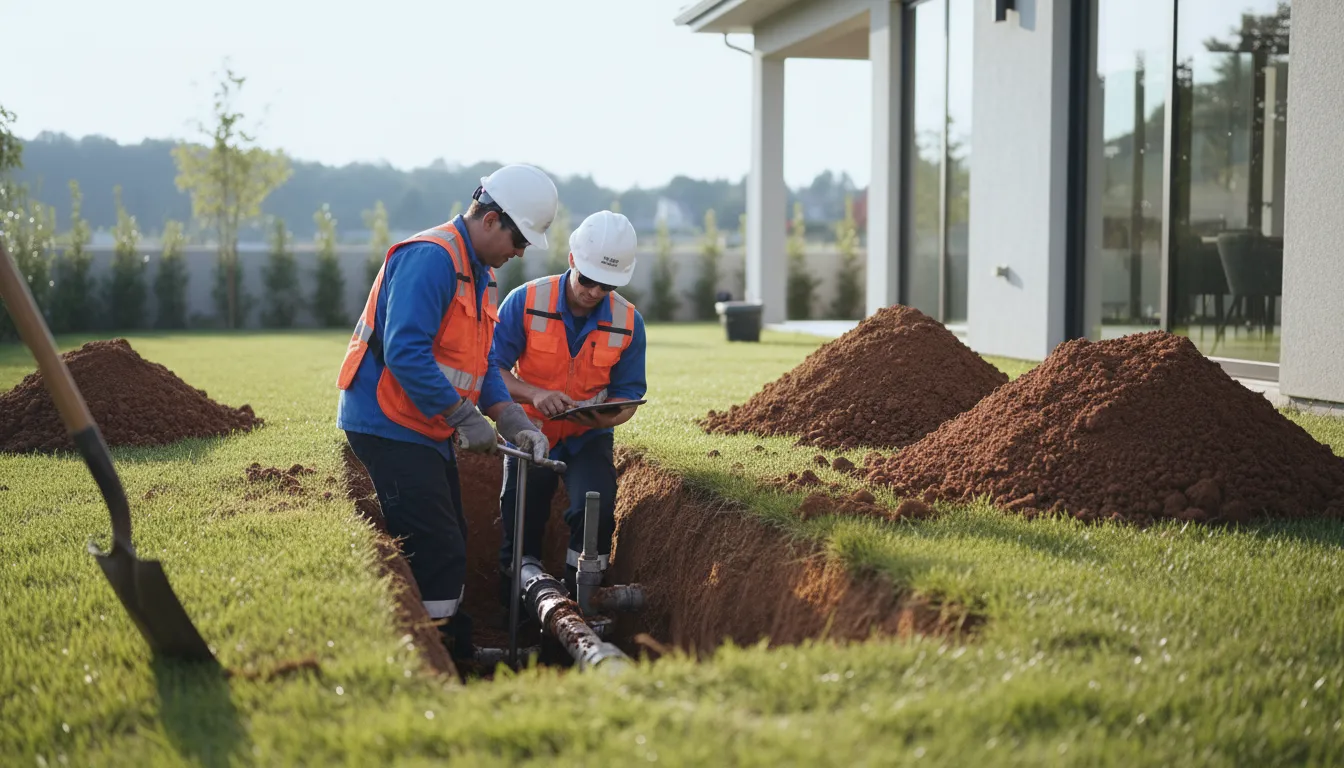
A failing septic system is more than an inconvenience; it's a serious health and environmental hazard. Septic system repair involves diagnosing and fixing issues with your tank, drain field, or related components to restore proper wastewater treatment on your property. In Stonecrest, this work is strictly regulated to protect local groundwater and public health. This guide will help you understand the repair process, local requirements, and how to find qualified, state-certified professionals to get your system functioning safely again.
Right Price Plumbing and Septic
Atlanta, GA
Right Price Plumbing and Septic is a local, family-owned company serving Atlanta, GA, and surrounding counties. They provide a range of residential and commercial plumbing and septic services, including septic tank pumping, inspection, repair, and installation. The company also offers drain inspection, emergency plumbing, and water heater repair. They are known for their comprehensive service options and have experience handling various plumbing and septic system needs. Right Price Plumbing and Septic serves multiple counties in Georgia and offers financing options to customers.
Septic On Call
2180 Satellite Blvd NW #400, Duluth, GA 30097
Septic On Call is a septic tank service provider based in Atlanta, GA. The company offers a range of services including septic tank pumping, inspections, repairs, and installation of septic tanks and drainfields. They provide thorough cleaning and maintenance to help prevent costly repairs and ensure proper system function. Septic On Call also specializes in diagnosing and repairing septic system issues, from minor leaks to major damage. The company offers 24/7 emergency services for septic tank problems and backups, responding quickly to urgent repair needs.
TK & Sons Plumbing and Septic
1370 GA-212, Conyers, GA 30094
TK & Sons Plumbing and Septic is a plumbing and septic service provider based in Atlanta, GA. They offer residential and commercial plumbing, septic system installation, pumping, maintenance, and repair services. The company also provides water well installation and hydro-jetting to clear clogs. With over 25 years of experience serving the East Atlanta Metro area, TK & Sons delivers comprehensive solutions including 24/7 emergency plumbing and septic services.
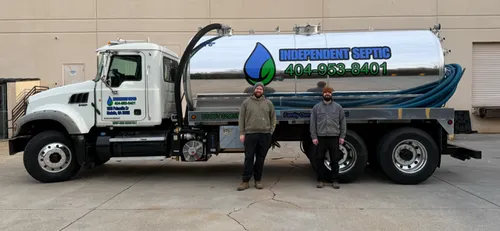
Independent Septic and Sewer LLC
Atlanta, GA
Independent Septic and Sewer LLC is a family-owned business serving Atlanta, GA, and surrounding counties. They provide septic tank pumping, cleaning, inspection, repair, and installation services for residential and commercial properties. With over 20 years of experience, the company offers expertise in diagnosing and repairing septic system issues, including drain field repairs and sewer line maintenance. They also provide a 10-year warranty on repairs and handle all necessary permits and building code requirements. Their services include thorough septic tank pumping that removes both liquids and solids, as well as hydro jetting and camera inspections when needed.
Easy Clean Septic
6520 Roswell Rd, Atlanta, GA 30328
Easy Clean Septic is a septic tank service provider based in Atlanta, GA. They offer septic tank pumping, inspection, installation, and repair services to maintain effective septic systems. The company uses modern tools and technology to address a range of septic issues, from minor repairs to full system replacements. Established in 2018 by a team with over 15 years of experience in the plumbing and septic industry, Easy Clean Septic emphasizes integrity and thorough workmanship. Their services include detailed inspections to detect potential problems early and comprehensive repairs to restore system function.
Understanding Septic System Regulations in DeKalb County
All septic system maintenance and repair work in Stonecrest falls under the jurisdiction of the DeKalb County Board of Health and the Georgia Department of Public Health (DPH) 1. This oversight is crucial because a malfunctioning system can contaminate soil and water sources. The core rule is simple: any modification, repair, or installation requires a permit from the DeKalb County Environmental Health Department, and the physical work must be performed by a contractor certified by the state.
Ignoring these regulations can lead to significant fines and may invalidate any work done, leaving you responsible for costly re-dos. Before any repair begins, a septic repair permit must be secured. This process ensures the proposed fix complies with Georgia's standards for system design and environmental protection 2 3.
Common Septic Repairs Needed in Stonecrest Homes
When a septic system shows signs of trouble, the issue typically falls into one of several categories. A professional diagnosis is essential, but understanding the common fixes can help you discuss options with a contractor.
- Septic Tank Pumping & Cleaning: This is often the first step in addressing slow drains or backups. Removing accumulated sludge and scum from the tank can prevent solids from flowing into and clogging the drain field, which is a leading cause of system failure.
- Drain Field (Field Line) Repair: When the soil absorption area fails, evidenced by soggy ground, standing water, or foul odors in the yard, repair is urgent. This can involve cleaning clogged pipes with high-pressure jetting or, in severe cases, excavating and replacing the entire gravel and pipe network 4.
- Baffle or Effluent Filter Replacement: The inlet and outlet baffles (often T-shaped pipes) inside your tank control the flow of wastewater. If these break, solids can escape. Similarly, effluent filters at the tank outlet can become clogged and need cleaning or replacement 5.
- Riser Installation: Many older systems have tanks buried deep underground. Installing access risers brings the tank lids to just below ground level, making future inspections, pumping, and repairs much easier and less expensive.
- System Upgrades: If soil conditions are poor or space is limited, a conventional system might not be repairable. Upgrades can include installing advanced aerobic treatment units (ATUs) or other alternative technologies approved by the county 6.
The Professional Diagnostic Process
A proper repair starts with a thorough inspection to identify the root cause of the problem. A certified professional will typically follow these steps:
- Locate Tank & Inspect Lids: The technician will locate the tank and distribution box, then inspect the lids and risers for structural damage or corrosion.
- Pump & Inspect Interior: The tank is pumped out to allow a complete internal inspection. The walls are checked for cracks or leaks, and the sludge and scum layers are measured to assess maintenance history.
- Check Baffles and Filter: The inlet and outlet baffles are examined for damage. If an effluent filter is present, it is removed, cleaned, and inspected 7.
- Evaluate the Drain Field: This is a critical step. The area over the drain field is checked for signs of saturation, such as damp soil, lush green grass, or foul odors, which indicate a failure in the absorption area 8.
- Inspect the Distribution Box: If accessible, the distributor box (D-box) is opened to ensure wastewater is being distributed evenly to all field lines 9.
This comprehensive evaluation provides the information needed to determine whether a simple fix like pumping or baffle replacement will suffice, or if a major drain field renovation is required.
Find the perfect septic system repair companies for your needs
Get personalized recommendations and expert advice
Understanding Repair Costs and Permitting
The cost of septic system remediation in Stonecrest varies widely based on the problem's complexity. It's important to budget not just for the labor and materials, but also for the required county permits and inspections.
- Professional Inspection: A detailed inspection to diagnose issues typically costs between $200 and $900, with an average around $550 10.
- Tank Pumping: Routine pumping to maintain system health or as part of a repair process generally ranges from $300 to $500.
- Repair Permit: The permit fee from DeKalb County for a septic repair can range from $500 to $1,200, depending on the scope of work.
- Minor Repairs: Fixing or replacing components like baffles, tees, or installing risers may cost between $500 and $1,500 11.
- Major Drain Field Work: This is the most significant expense. Repairing or replacing a failed leach field can range from $2,000 to well over $6,000, depending on the size and soil conditions 12 13.
Remember, all repair work must conclude with a final inspection by the county to ensure it meets health and environmental standards before the system is put back into use 14.
Key Requirements for Septic Systems in Georgia
Whether repairing an old system or installing a new one, certain state and county standards must be met. Being aware of these can help you understand your contractor's recommendations and the county's requirements.
- System Standards: A conventional septic system in Georgia typically requires a minimum 1,000-gallon, two-compartment tank for a three-bedroom home 15.
- Critical Setbacks: The system must be installed at specific minimum distances from other features: 50 feet from a well, 10 feet from a building foundation, and 5 feet from a property line, among others 16. Repairs cannot violate these setbacks.
- Certified Contractors: This cannot be overstated. Always verify that the professional you hire is currently certified by the Georgia Department of Human Resources to perform septic tank contracting or pumping work.
- Documentation: Keep all records of repairs, permits, and inspection reports. This documentation is vital for your home's records and any future real estate transactions.
Frequently asked questions
Sources
Footnotes
-
Handout text - https://cobbanddouglaspublichealth.com/wp-content/uploads/2025/12/ARPA-Low-Income-Septic-System-Repair-Application-fillable-12.18.25.pdf ↩
-
Septic Systems | DeKalb Public Health - https://dekalbpublichealth.com/environmental-health/septic-systems/ ↩
-
A HOMEOWNER'S GUIDE TO ON-SITE SEWAGE ... - https://dph.georgia.gov/document/document/guide-septic-tanks/download ↩
-
Monroe, GA Septic Tank Pump and Repair - https://www.simplysepticservice.com/monroe-ga-septic-tank-pumping ↩
-
One Way Septic- #1 Best Septic Company in Georgia - https://www.onewaysepticandsewer.com/ ↩
-
Restoring your failing septic system. - https://www.youtube.com/watch?v=WX52FWla2qc&t=19 ↩
-
Septic Systems | DeKalb Public Health - https://dekalbpublichealth.com/environmental-health/septic-systems/ ↩
-
Complete Guide to Septic Inspection in Georgia - https://dandhsepticservices.com/septic-inspection-in-georgia/ ↩
-
Georgia Septic System Guide: Regulations & Maintenance Tips - https://smartsepticpros.com/blog/georgia-septic-system-regulations/ ↩
-
How Much Does a Septic Inspection Cost? [2026 Data] - Angie's List - https://www.angi.com/articles/septic-inspection-cost.htm ↩
-
Top Septic Services in North Georgia: Athens, Winder, Dacula ... - https://www.greensepticclean.com/ ↩
-
Residential-Study-Guide.pdf - GNR Health - https://gnrhealth.com/wp-content/uploads/2012/01/Residential-Study-Guide.pdf ↩
-
Septic Tank Installation Cost in Georgia | Expert Guide - https://dandhsepticservices.com/septic-tank-installation-cost/ ↩
-
Homeowner's Guide to Septic System Maintenance - Gwinnett County - https://www.gwinnettcounty.com/static/departments/water/pdf/Septic_Kit.pdf ↩
-
Georgia Septic Tank Requirements | On-Site Sewage ... - https://www.ntotank.com/blog/georgia-septic-tank-requirements ↩
-
Georgia Septic Tank Requirements | On-Site Sewage Management Systems - https://www.ntotank.com/blog/georgia-septic-tank-requirements ↩