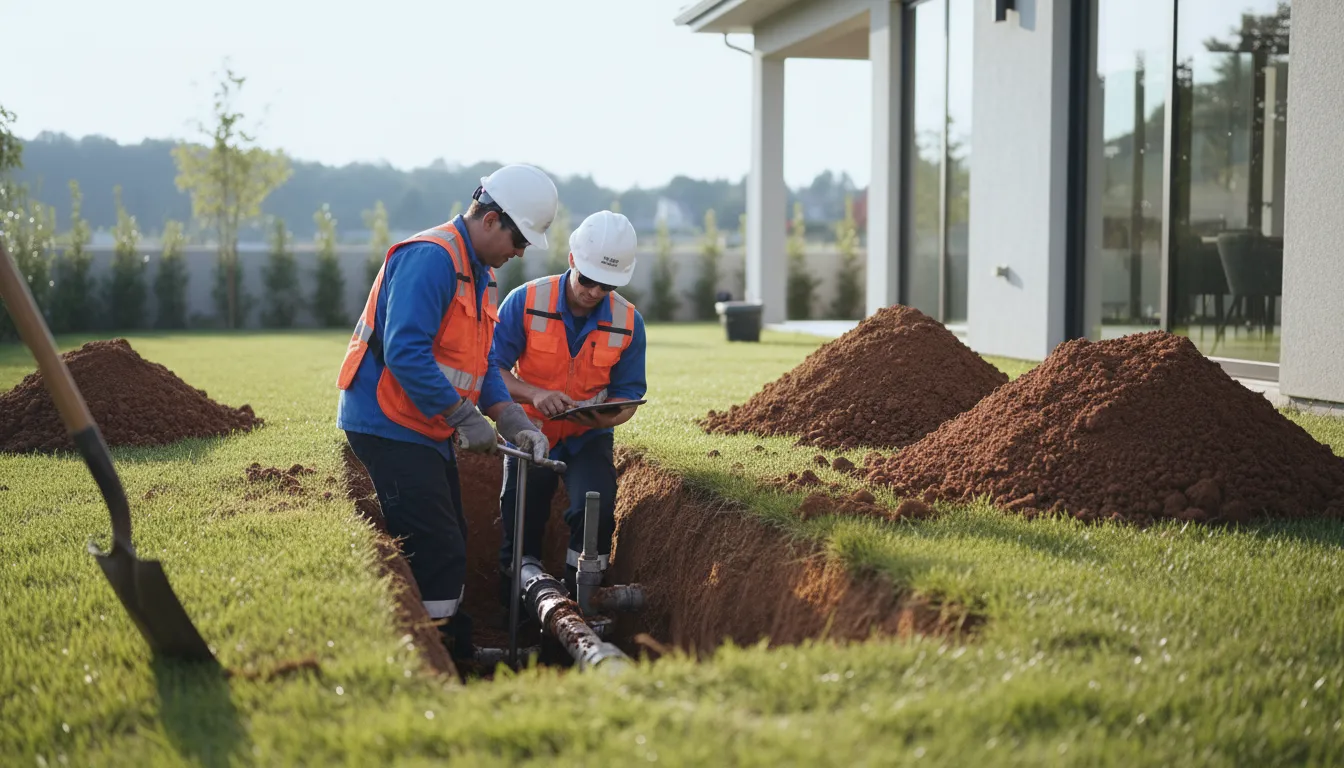
Find the Best Septic System Repair Companies for Your Business
No obligation • Fast responses • Nationwide coverage

Why you can trust Septic Spot
Septic Spot is a leading United States resource for understanding and comparing septic services. Our editors review providers using consistent criteria and verify key business details. Listings and scores are independent, and companies cannot pay to influence our content.
Search providers near you
Top Septic System Repair Companies in Cary, North Carolina Ranked
When your home's onsite wastewater system fails, it's more than an inconvenience-it's a public health and environmental issue that requires immediate, professional attention. In Cary, North Carolina, septic system repair is a regulated process governed by Wake County and state laws, designed to protect our groundwater and community health. This guide explains the critical steps, common repairs, and local resources to help you navigate fixing your septic system, connect with certified professionals, and understand the specific requirements for properties in our area.

Quality Service Today Plumbing & Septic
5412 US-70 suit A, Durham, NC 27705
Quality Service Today Plumbing & Septic provides a wide range of plumbing and septic services in Durham, NC. They specialize in septic tank pumping, septic system repair, and drain field repair or replacement, along with general plumbing, water heaters, well pumps, and water filtration. The company serves residential clients across Central North Carolina, including Durham and nearby communities. They are equipped to handle unique plumbing setups and offer 24/7 emergency plumbing services. Their team focuses on practical, effective solutions tailored to each home's specific needs.
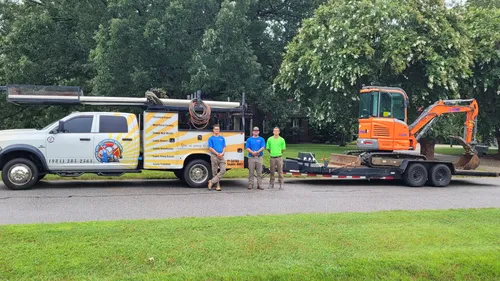
Environmental Systems & Services of NC LLC
Raleigh, NC
Environmental Systems & Services of NC LLC provides comprehensive septic and plumbing services in Raleigh, NC, and throughout Eastern and Central North Carolina. With over 30 years of experience, they handle septic tank pumping, inspections, repairs, and installations, as well as plumbing repairs, sewer line services, and drain field maintenance. Their team uses advanced equipment like cameras and hydro-jetting tools to diagnose and resolve issues efficiently. They offer customized maintenance plans to help extend the lifespan of septic and plumbing systems, ensuring compliance with local regulations and protecting water quality.
A1-Septic Tank Cleaning
Raleigh, NC
A1-Septic Tank Cleaning provides septic tank pumping, repair, and installation services in Raleigh, NC. Serving both residential and commercial clients, they offer comprehensive septic solutions including lift station maintenance and grease trap cleaning. With over 30 years of experience and 26 years in business, the company emphasizes personalized care and compliance with environmental regulations. They also offer 24/7 availability for septic needs.
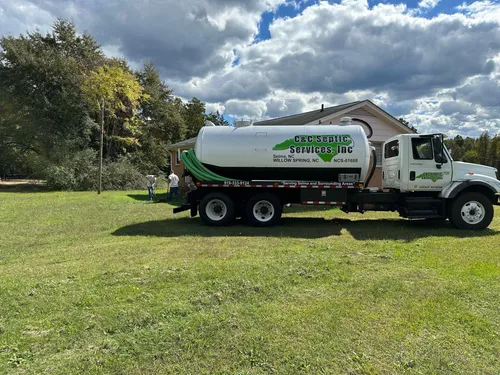
C & C Septic Services, Inc.
Raleigh, NC
C & C Septic Services, Inc. is a locally owned septic company based in Raleigh, NC. They provide septic tank pumping, inspections, repairs, and new system installations. Their service area includes Selma, Princeton, Smithfield, Clayton, Archers Lodge, Goldsboro, Pikeville, and surrounding locations. The company focuses on maintaining reliable septic systems and offers repair options and installations to meet customer needs.
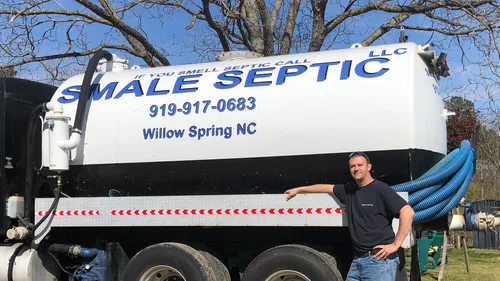
Smale Septic, LLC
Raleigh, NC
Smale Septic, LLC is a locally owned septic service company based near Raleigh, NC, serving Johnston and Wake counties. The business offers septic tank pumping, system repairs, drain field maintenance, and pump replacements. Their capabilities include locating and excavating septic tanks, water jetting drain field lines, and installing septic tank filter tees. The owner operates the business personally and provides direct customer service.
Understanding Septic System Failures in Cary
A failing septic system is often indicated by sewage surfacing in your yard, slow drains, gurgling pipes, or unpleasant odors. In Cary and the broader Wake County region, a primary cause of failure is the area's heavy red clay soil. This dense soil has poor drainage, which can lead to premature saturation and failure of a conventional drainfield. Older systems or those that haven't been properly maintained are particularly vulnerable. It's crucial to act quickly at the first sign of trouble, as an unrepaired failure can contaminate local waterways and pose serious health risks.
The Regulatory Landscape: Wake County Permits and Inspections
All significant septic work in Cary requires oversight from Wake County Environmental Services' Onsite Water Protection program. State law mandates that repairs beyond basic maintenance must be permitted 1.
- Repair Permit Required: Before any substantive repair work begins, a homeowner or their contractor must obtain a Repair Permit from the county 2. This ensures the proposed fix meets current health and environmental standards.
- Repair vs. Maintenance: Understanding the difference is key. Replacing a tank lid, adding risers for access, or swapping out a distribution box is typically considered maintenance. However, replacing drainfield lines, the septic tank itself, or expanding the system always requires a permit.
- Designated Repair Area: For properties permitted since the early 1980s, the original site plan includes a designated "repair area"-a reserved space on your lot for a replacement drainfield. If this area is used for repairs, the original drainfield must be taken offline and allowed to rest 3.
- Mandatory Inspections: Systems with pumps (common in Cary due to soil constraints) require recurring inspections by the county every 1 to 3 years to ensure they are functioning correctly 4. Furthermore, a final county inspection is required after any permitted repair is completed but before it is backfilled, leading to the issuance of an Operations Permit.
The Step-by-Step Repair Process
Navigating a septic fix can feel overwhelming. Following this structured process will help ensure the repair is legal, effective, and lasting.
- Contact Wake County: If you have a suspected failure (e.g., surfacing sewage), your first call should be to Wake County Onsite Water Protection to report the issue. They will guide you on the next steps and the permit process 5.
- Hire a Certified Professional: All repair work must be done by a state-certified septic contractor. Start by hiring one to perform a professional inspection. This often involves a "load and dye" test or a video pipe inspection to pinpoint the exact source and cause of the failure 6 7.
- Soil Evaluation (If Needed): If a new drainfield is part of the repair solution, a licensed soil scientist may need to evaluate the property's soil morphology to determine the best type of system for the site 8.
- Obtain the Permit: Your contractor will typically handle the Repair Permit application with the county, submitting the proposed repair plan based on the inspection and any soil findings.
- Complete the Repair: Once the permit is issued, the certified contractor will execute the repair work according to the approved plan.
- Final Inspection: County staff must inspect the completed repair before it is covered with soil. Once approved, they will issue an Operations Permit, closing out the project 9.
Common Types of Septic Repairs
The nature of the problem dictates the solution. Here are the most frequent septic repairs undertaken in Cary:
- Tank Repairs and Replacement: This includes replacing damaged or corroded inlet/outlet baffles, installing new tank access risers (a highly recommended upgrade for easier future pumping), or, in severe cases, replacing a cracked or collapsed tank 10 11.
- Drainfield Rehabilitation: Not all field failures require a full replacement. Techniques like aerobic remediation can sometimes break down the clogging biomat in existing trenches, restoring functionality 12. Repairing broken pipes in the distribution network is also common.
- Replacement Drainfield Installation: When the original drainfield has irreversibly failed, a new one must be installed in the designated repair area. Due to poor soil conditions, these are often engineered systems, such as low-pressure pipe (LPP) or shallow-placed systems, that distribute effluent more evenly 13.
- System Upgrades: In cases where soil conditions are particularly challenging, repairing the system may involve upgrading to an Advanced Treatment System (ATS). These systems treat the wastewater to a higher standard before it enters the drainfield, making them suitable for sites that cannot support a conventional system.
Find the perfect septic system repair companies for your needs
Get personalized recommendations and expert advice
Financial Considerations and Assistance Programs
The cost of septic system repair varies widely based on the scope of work. Minor repairs like a distribution box replacement may cost a few hundred dollars, while a full system replacement with an engineered drainfield can easily reach $15,000 to $25,000 or more 14 15. Inspection fees from independent professionals typically range from $200 to $500, and Wake County permit fees involve site visit charges around $200 16.
Importantly, Wake County offers a repair grant program for qualifying homeowners. Eligible low-income, elderly, or disabled residents may receive grants of up to $20,000 to cover the cost of necessary septic repairs 17. This vital program helps ensure all residents can maintain a safe and functional wastewater system.
How to Prevent the Need for Major Repairs
Proactive care is the most cost-effective strategy. Adhering to these best practices can extend the life of your system for decades:
- Pump Regularly: Have your septic tank pumped by a licensed pumper every 3 to 5 years. This prevents solids from flowing into and clogging the drainfield, the most common cause of failure.
- Protect Your Drainfield and Repair Area: Never drive, park, or build structures (like sheds or patios) over your drainfield or the designated repair area. The soil compaction can crush pipes and ruin the soil's ability to treat wastewater. Also, plant only grass over these areas; tree and shrub roots can cause severe damage 18.
- Conserve Water and Mind What You Flush: Excessive water use can overload the system. Avoid flushing anything besides human waste and toilet paper. Chemicals, grease, and non-biodegradable items can disrupt the bacterial balance and clog components 19.
- Avoid Illegal Repairs: Never attempt to "fix" a failing system by adding a pipe to dump sewage into a ditch or storm drain. This is a serious public health violation and environmental crime 20.
Frequently asked questions
Sources
Footnotes
-
Septic Maintenance and Repairs - https://www.wake.gov/departments-government/onsite-water-protection/septic-systems/septic-maintenance-and-repairs ↩
-
Septic System Owner's Guide - NC State Extension Publications - https://content.ces.ncsu.edu/septic-system-owners-guide ↩
-
Septic System Owner's Guide - NC State Extension Publications - https://content.ces.ncsu.edu/septic-system-owners-guide ↩
-
Septic System Inspections - https://www.wake.gov/departments-government/onsite-water-protection/septic-systems/septic-system-inspections ↩
-
NC Septic Permit Process: Step-by-Step Guide for Homeowners - https://septicandwell.com/articles/nc-septic-permit-process ↩
-
NC SEPTIC LAW - Elite Home Inspections - https://www.elitehomeinspectionsnc.com/nc-septic-law ↩
-
Guidance on Septic Repairs | NC DHHS - https://www.ncdhhs.gov/septic-repairs/download?attachment ↩
-
NC Septic System Permitting Process - Rowan County - https://www.rowancountync.gov/1860/NC-Septic-System-Permitting-Process ↩
-
How to Inspect a Private Septic System - https://www.youtube.com/watch?v=URhIPaX-csA&t=20 ↩
-
Septic Systems and Their Maintenance - https://content.ces.ncsu.edu/septic-systems-and-their-maintenance ↩
-
Septic Tank Repairs | Charlotte, North Charlotte & Mooresville - https://www.clearwatersepticandpumping.com/septic-tank-repairs ↩
-
Septic Aerobic Remediation based in Wilson, NC - https://www.creechsplumbing.com/septic-services/aerobic-remediation/ ↩
-
Wilson Septic Repair | Septic Tank Installation Services - https://www.creechsplumbing.com/septic-services/septic-repair-and-installations/ ↩
-
Septic Tank Repair| Wilmington, NC - https://www.skippersepticservice.com/septic-tank-repairs ↩
-
Septic Repair vs. Replacement: A Guide to Costs & Red Flags - https://prosepticri.com/septic-repair-vs-replacement-guide/ ↩
-
Septic System Permitting FAQs - Wake County Government - https://www.wake.gov/departments-government/onsite-water-protection/septic-systems/septic-system-permitting-inspections/septic-system-permitting-faqs ↩
-
Wake County Encouraging Homeowners to Open Doors to Septic ... - https://www.wake.gov/news/wake-county-encouraging-homeowners-open-doors-septic-inspections ↩
-
Understanding and Protecting Your Septic System - https://ehs.dph.ncdhhs.gov/oswp/docs/Understanding-protecting-septic-systems-FACTSHEET.pdf ↩
-
Septic System Owner's Guide - NC State Extension Publications - https://content.ces.ncsu.edu/septic-system-owners-guide ↩
-
NC Homeowners: Caring for Your Septic System - https://www.dph.ncdhhs.gov/programs/environmental-health/site-water-protection-branch/site-wastewater-program/nc-homeowners-caring-your-septic-system ↩