Find the Best Septic System Repair Companies for Your Business
No obligation • Fast responses • Nationwide coverage

Why you can trust Septic Spot
Septic Spot is a leading United States resource for understanding and comparing septic services. Our editors review providers using consistent criteria and verify key business details. Listings and scores are independent, and companies cannot pay to influence our content.
Search providers near you
Top Septic System Repair Companies in Chapel Hill, North Carolina Ranked
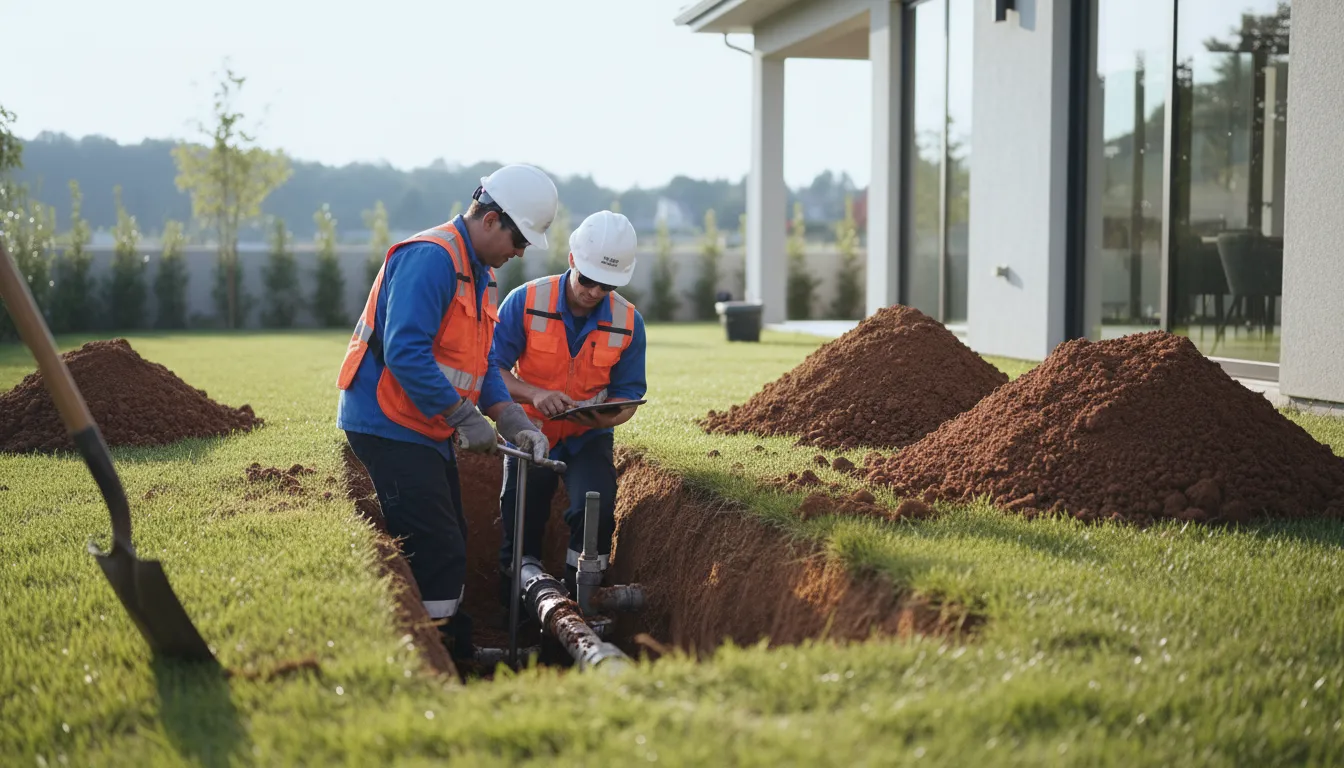
A failing septic system is more than an inconvenience; it's a serious environmental and public health concern that requires immediate, professional attention. Septic system repair involves diagnosing and fixing issues with your onsite wastewater treatment system, from the tank to the drainfield. In Chapel Hill, these repairs are strictly regulated by local health authorities to protect our groundwater and community. This guide will help you understand the repair process, local regulations, and how to connect with qualified professionals to restore your system to proper working order.

Quality Service Today Plumbing & Septic
5412 US-70 suit A, Durham, NC 27705
Quality Service Today Plumbing & Septic provides a wide range of plumbing and septic services in Durham, NC. They specialize in septic tank pumping, septic system repair, and drain field repair or replacement, along with general plumbing, water heaters, well pumps, and water filtration. The company serves residential clients across Central North Carolina, including Durham and nearby communities. They are equipped to handle unique plumbing setups and offer 24/7 emergency plumbing services. Their team focuses on practical, effective solutions tailored to each home's specific needs.
Septic Blue of Burlington
1803 N Jim Minor Rd, Haw River, NC 27258
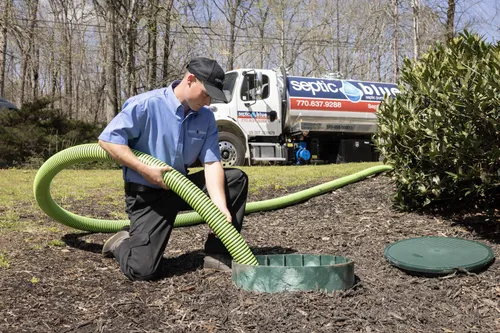
Septic Blue of Burlington provides septic tank pumping, inspection, repair, and installation services in Greensboro, NC. They offer emergency septic pumping and routine maintenance to help prevent system failures and protect property and local ecosystems. Their services include thorough septic cleaning that removes sludge and buildup to maintain system efficiency. Septic Blue emphasizes eco-friendly practices and personalized maintenance schedules based on household size and water usage.
Quality Service Today Plumbing & Septic
831 S 8th St, Mebane, NC 27302
Quality Service Today Plumbing & Septic provides plumbing and septic services in Greensboro, NC, and the surrounding Central North Carolina area. They handle a variety of home plumbing needs, including septic tank pumping, septic system repairs, and drain field replacements. The company is experienced in working with unique home plumbing setups, such as private wells and complex drainage systems, tailoring solutions to each property's specific requirements. They also offer general plumbing repairs, water heater installation, drain clearing, well pump services, and water filtration. Quality Service Today serves multiple communities including Durham, Cary, and Mebane, and provides 24/7 emergency plumbing support.
A1-Septic Tank Cleaning
Raleigh, NC
A1-Septic Tank Cleaning provides septic tank pumping, repair, and installation services in Raleigh, NC. Serving both residential and commercial clients, they offer comprehensive septic solutions including lift station maintenance and grease trap cleaning. With over 30 years of experience and 26 years in business, the company emphasizes personalized care and compliance with environmental regulations. They also offer 24/7 availability for septic needs.
McFarland Septic
501 Valley Forge Rd, Hillsborough, NC 27278
McFarland Septic is a septic tank pumping, inspection, and repair company serving Durham, NC. They specialize in diagnosing and addressing septic system issues, including drain field repair and replacement. The company provides guidance on common septic problems such as clogged inlet pipes and effluent filter maintenance. McFarland Septic helps customers understand when issues are septic-related versus plumbing-related and offers practical advice for system upkeep.
Understanding When You Need Septic Repairs
Your septic system is a complex network working quietly underground. Recognizing the early signs of trouble can prevent a minor issue from becoming a major, costly failure. Common indicators that your system may need repair include:
- Sewage odors around the yard or inside the home.
- Slow-draining sinks, toilets, or tubs.
- Gurgling sounds in your plumbing.
- Standing water or soggy, bright green grass over the drainfield area, especially when it hasn't rained.
- Sewage backing up into household drains.
In Orange County, a system is officially considered "failing" if it discharges sewage onto the ground surface, has sewage backing up into the home, or fails to drain wastewater adequately. If you notice any of these signs, it's time to contact a professional for an assessment.
The Chapel Hill & Orange County Regulatory Process
All significant septic system repairs in Chapel Hill are overseen by the Orange County Environmental Health Office. Undertaking repairs without following the proper steps can result in fines and unresolved system problems.
1. The Permit is Mandatory: Before any repair work begins-whether it's fixing a distribution box, replacing drainfield lines, or installing a new system-you must obtain a repair permit from the county 1. Routine maintenance, like pumping the tank, does not require a permit, but most structural repairs do 2.
2. Professional Diagnosis is Key: The first step is to hire a licensed septic contractor or certified inspector. They will locate your system (the county can provide existing records and plot plans ), diagnose the cause of the failure, and determine the most viable repair solution.
3. Site Evaluation and Repair Design: For drainfield issues, an Environmental Health Specialist (EHS) from the county will visit your property, often with your contractor, to evaluate the soil and site conditions 3. It's important to note that the old "perc" test is obsolete in Orange County; modern, comprehensive soil evaluations are used to design an appropriate repair.
4. The Crucial "Repair Area": Most homes built since the 1980s have a designated "repair area" on their property-a section of land reserved specifically for a new drainfield if the original fails. This area must be kept clear of structures, driveways, and heavy vehicles. Protecting this space is a critical part of long-term property management.
Common Types of Septic System Repairs
The nature of the repair depends entirely on the diagnosis. A qualified professional will typically recommend one of the following solutions:
- Drainfield Restoration: This involves repairing or replacing clogged or broken pipes and fixing distribution boxes to restore proper wastewater flow. It's often a solution for partial failures.
- Aerobic Remediation: For a clogged drainfield, this process introduces oxygen into the system to accelerate the breakdown of organic matter and help clean the surrounding soil. It can be a less invasive way to extend the life of an existing field 4.
- System Replacement: If the original drainfield is beyond repair, the system will need to be replaced. This typically involves using the designated "repair area" to install a new drainfield, which may be a conventional system or an engineered alternative like a Low-Pressure Pipe (LPP) system, depending on soil conditions.
- Tank Repairs and Upgrades: This includes sealing cracks in the concrete tank, replacing broken or deteriorated inlet/outlet baffles, and installing risers (access ports that extend to the ground surface) for much easier future inspection and pumping 5.
Find the perfect septic system repair companies for your needs
Get personalized recommendations and expert advice
What to Expect: Costs and Timelines for Repairs
Septic repair costs in Chapel Hill vary widely based on the repair's complexity and scope. It's wise to get multiple estimates from licensed contractors.
- Inspection and Permit Fees: The county charges fees for repair permits and inspections. An inspection that requires pumping the tank for access can range from $200 to $500 6 7.
- Minor Repairs: Installing a riser or replacing a baffle might cost a few hundred to a couple thousand dollars 8.
- Major Drainfield Work: This constitutes the most significant expense. Partial drainfield repairs can start in the low thousands, while a complete system redesign and replacement can range from $10,000 to $20,000 or more, depending on the technology required 9 10.
- Timeline: The process from diagnosis to completion can take several weeks to a few months. This timeline includes scheduling the professional assessment, the county's site evaluation, permit approval, the repair work itself, and the mandatory final inspection by the Environmental Health Specialist before the work is covered up 11 12.
Protecting Your Investment and Property
A repaired or new septic system is a major investment. To protect it:
- Keep the repair area clear. Never drive, park, or build over any part of your septic system or its designated repair area 13.
- Practice good water conservation to avoid overloading the system.
- Avoid flushing harmful chemicals or non-biodegradable materials.
- Keep detailed records of all repairs, inspections, and pumping schedules.
For repairs necessitated by a natural disaster like a hurricane, homeowners should check with FEMA to see if any financial assistance programs are available.
Frequently asked questions
Sources
Footnotes
-
Form Center • Environmental Health Septic & Well Permit Appl - https://www.orangecountync.gov/FormCenter/Health-6/Environmental-Health-Septic-Well-Permit--285 ↩
-
Septic System Owner's Guide - NC State Extension Publications - https://content.ces.ncsu.edu/septic-system-owners-guide ↩
-
Septic System Permitting Options | Chatham County, NC - https://www.chathamcountync.gov/government/departments-programs-a-h/environmental-health/wastewater-and-septic-permits-monitoring/new-how-to-apply-for-a-septic-permit ↩
-
Septic Aerobic Remediation based in Wilson, NC - https://www.creechsplumbing.com/septic-services/aerobic-remediation/ ↩
-
Septic Tank Repairs | Charlotte, North Charlotte & Mooresville - https://www.clearwatersepticandpumping.com/septic-tank-repairs ↩
-
Guidance on Septic Repairs | NC DHHS - https://www.ncdhhs.gov/septic-repairs/download?attachment ↩
-
NC SEPTIC LAW - Elite Home Inspections - https://www.elitehomeinspectionsnc.com/nc-septic-law ↩
-
Septic Tank Repair| Wilmington, NC - https://www.skippersepticservice.com/septic-tank-repairs ↩
-
Septic Systems and Their Maintenance - https://content.ces.ncsu.edu/septic-systems-and-their-maintenance ↩
-
Speedy Septic Repairs | Raleigh, NC - https://newdayseptic.com/septic-repairs-raleigh-nc/ ↩
-
Frequently Asked Questions - CivicPlus.CMS.FAQ - https://www.orangecountync.gov/faq.aspx?TID=42 ↩
-
Septic System Inspections - https://www.wake.gov/departments-government/onsite-water-protection/septic-systems/septic-system-inspections ↩
-
Understanding and Protecting Your Septic System - https://ehs.dph.ncdhhs.gov/oswp/docs/Understanding-protecting-septic-systems-FACTSHEET.pdf ↩