Find the Best Septic System Repair Companies for Your Business
No obligation • Fast responses • Nationwide coverage

Why you can trust Septic Spot
Septic Spot is a leading United States resource for understanding and comparing septic services. Our editors review providers using consistent criteria and verify key business details. Listings and scores are independent, and companies cannot pay to influence our content.
Search providers near you
Top Septic System Repair Companies in Huntersville, North Carolina Ranked
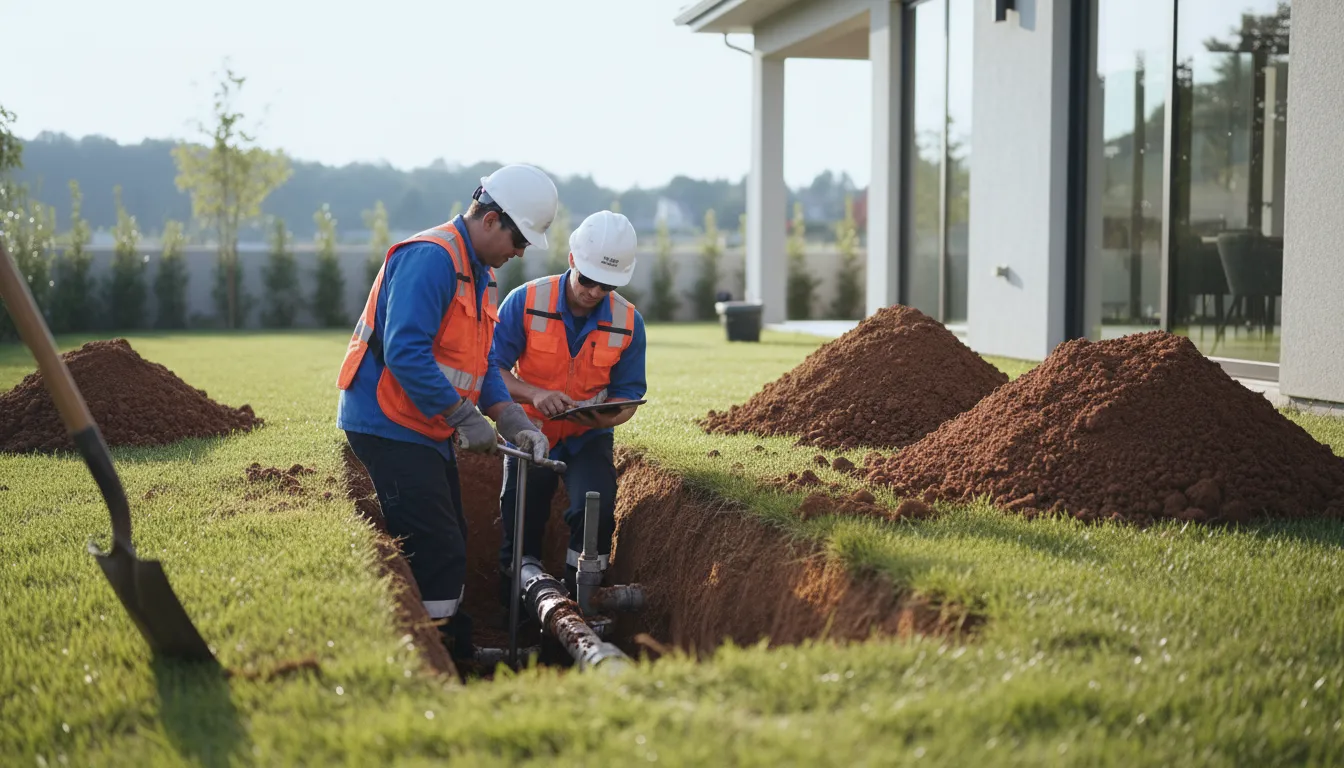
A failing septic system is more than an inconvenience; it's a serious environmental and public health concern for your Huntersville property. Septic system repair involves diagnosing and fixing issues with your onsite wastewater treatment system, from the tank and baffles to the drain field and distribution components. Proper maintenance and timely repairs are crucial to protect your home's value, your family's health, and local groundwater. This guide explains the repair process, local regulations, and how to find qualified professionals to restore your system to proper working order.
Full Spectrum Plumbing Services
150 B W Thomas Dr, Fort Mill, SC 29708
Full Spectrum Plumbing Services is a plumbing company based in Fort Mill, SC, serving the local community and surrounding York County areas including Tega Cay and Indian Land. They provide a range of services including septic tank inspections and minor repairs, sewer line repairs, water heater installation, and comprehensive plumbing solutions tailored to both older homes and new developments. With over 20 years of experience, they use advanced equipment like camera inspections and hydrojetting to address issues such as leaks, drain backups, and septic system performance. Their team is licensed and equipped to handle emergency plumbing and gas line repairs as well.

Lentz Wastewater Management - Mooresville
Charlotte, NC
Lentz Wastewater Management - Mooresville offers septic system repair, installation, and maintenance services in Charlotte, NC. They handle septic tank replacements, drain field repairs, and septic pump services, including installation of risers and sanitary tees to extend system life. The company also provides Terralift technology to address saturated drain fields without excavation. With over twenty years of experience, Lentz Wastewater Management installs various septic systems, including conventional and alternative types, and offers warranties on parts and workmanship.
All Pro Enviro
Charlotte, NC
All Pro Enviro is a septic tank pumping, repair, and installation company serving Charlotte, NC, and nearby areas including McAdenville, Gastonia, Huntersville, and Belmont. They provide comprehensive septic system services such as routine pumping, repairs, and new tank installations. The company emphasizes customer satisfaction and offers emergency repair services to address urgent septic issues promptly. They also provide guidance on septic system maintenance to help extend the life of the system and prevent problems.
Charlotte Septic Pros
4916 Stough Rd, Concord, NC 28027
Charlotte Septic Pros is a locally owned and licensed septic company serving Charlotte, NC, and nearby towns. They provide a range of septic services including tank pumping, cleaning, inspection, repair, and installation. Their team offers upfront pricing and focuses on maintaining the safety and efficiency of septic systems. Charlotte Septic Pros is insured and committed to clear communication with customers throughout the service process.
Rapid Rooter
4203 Ella St, Charlotte, NC 28206
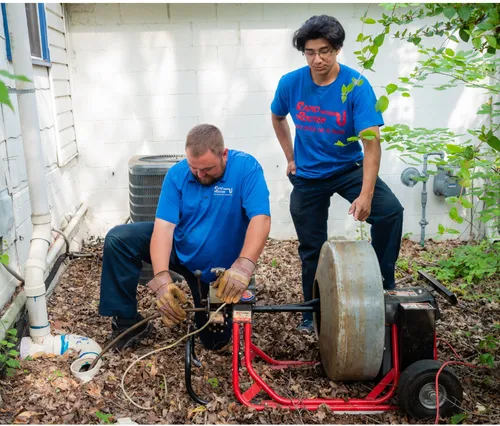
Rapid Rooter is a locally owned septic tank pumping and repair company based in Charlotte, NC. Serving Charlotte and surrounding areas such as Pineville, Huntersville, Matthews, and Cabarrus County, they offer a full range of septic services including septic tank pumping, interior drain cleaning, sewer cleaning, and septic system repairs. With over 30 years of experience since 1990, Rapid Rooter uses advanced equipment and trained staff to handle both residential and commercial projects while maintaining a personal, community-focused approach.
Understanding Septic System Failures and Repair Needs
Your septic system is a complex, buried network designed to treat household wastewater. When one component fails, it can compromise the entire system. In Huntersville, common signs that you need septic repair services include sewage backing up into household drains, persistent foul odors around the tank or drain field, and soggy, bright green grass or standing water over the drain field area 1. Gurgling sounds in plumbing and slow-draining sinks or toilets are also early warning signs.
Ignoring these symptoms can lead to complete system failure, groundwater contamination, and costly property damage. The Mecklenburg County Public Health Department regulates all onsite wastewater systems to prevent such environmental hazards 2. Understanding what constitutes a repair-versus routine maintenance-is your first step. While pumping the tank or replacing a pump typically doesn't require a permit, most physical alterations to the system's structure or location do 3.
Local Regulations: Permits and Required Inspections
Before any significant repair work begins on your Huntersville property, you must navigate Mecklenburg County's permitting process. The county's Environmental Health Division mandates that a Repair Permit (often called a Construction Authorization) be obtained for any component repair, replacement, or relocation 4. This rule ensures all work meets state and local health codes.
Key regulatory steps include:
- Hiring a Certified Contractor: All repair work must be performed by a North Carolina-certified onsite wastewater contractor 5.
- Applying for a Permit: The certified contractor typically handles the permit application with the county, which may require a site evaluation, especially if the drain field needs to be moved or expanded.
- County Inspection: A county inspector must examine the repair before the system is backfilled and covered. Once approved, they will issue an Operations Permit, officially closing out the repair project 6.
Failure to obtain the proper permits can result in fines and may complicate future property sales. The permit application itself involves fees; for example, Mecklenburg County requires specific payments for site evaluations and reinspections, which can be around $200 for certain services 7 8.
Common Types of Septic Repairs
The scope of septic system fixes can range from minor adjustments to major excavations. Here are the most common repairs needed for residential systems in the Huntersville area:
Tank Repairs and Replacement: Over time, concrete tanks can crack or deteriorate. Repairs may involve sealing leaks, installing new access risers for easier future maintenance, or in severe cases, completely replacing the tank.
Baffle and Filter Repair: The inlet and outlet baffles inside the tank are crucial for preventing solids from flowing into the drain field. These can break down and need replacement. Similarly, effluent filters require periodic cleaning or replacement.
Distribution Box Issues: The distribution box (D-box) ensures effluent is evenly distributed to each trench in the drain field. If it becomes clogged, cracked, or unlevel, it can cause uneven drainage and system failure, necessitating repair or full replacement 9.
Drain Field Restoration or Expansion: This is often the most extensive and costly repair. If the soil absorption field has become clogged (a condition called "biomat" buildup), it may fail to absorb liquid. Solutions can include installing new trenches, adding a completely new drain field area, or in some cases, using advanced technologies to rejuvenate the existing soil.
Advanced System Components: Homes with aerobic treatment units (ATUs) or other alternative systems have electrical components, pumps, and aerators that may need repair or replacement by specialists 10.
Find the perfect septic system repair companies for your needs
Get personalized recommendations and expert advice
The Professional Repair Inspection Process
A thorough inspection is the foundation of any effective repair. When you hire a professional for septic system inspection in Huntersville, here's what you can typically expect 11 12:
- Locating the System: The technician will use any available property records or a "soil probe" to find the tank, distribution box, and drain field lines.
- Exposing Access Points: The tank lids must be dug up and removed to access the interior. Homeowners can often reduce inspection costs by exposing these lids beforehand 13.
- Visual and Operational Checks: The inspector will examine the tank's interior for cracks, measure sludge and scum layers, check baffles, and assess the structural integrity. They will also verify that the D-box is level and functioning.
- Flow and Dye Tests: To check for leaks and confirm the system is accepting water, the inspector may run water through household fixtures or introduce a non-staining dye to trace the effluent's path 14 15.
- Detailed Report: A reputable inspector will provide a written report detailing the system's condition, any failures found, and specific recommendations for repairs. This report is essential for obtaining county repair permits.
Understanding Repair Costs
The cost for septic fixes in Huntersville varies widely based on the problem's complexity and the required materials. It's important to get detailed estimates from several NC-certified contractors.
- Minor Repairs: Tasks like replacing a distribution box, repairing a baffle, or fixing a pump typically range from a few hundred to one or two thousand dollars.
- Major Repairs: Partial or complete drain field replacement is a significant undertaking. Costs can range from several thousand to over ten thousand dollars, depending on soil conditions, system size, and the technology required 16 17.
- Additional Costs: Remember to factor in county permit fees and the cost of the mandatory inspection. Some local service providers also offer 24/7 emergency repair services, which may carry a premium rate 18.
Maintaining Your System Post-Repair
After investing in repairs, protecting that investment through proper maintenance is key. This includes having the tank pumped every 3-5 years, conserving water to avoid overloading the system, and avoiding flushing harmful chemicals or non-biodegradable materials. Regularly inspecting the area over your drain field for warning signs can help you catch small issues before they become major, expensive failures again 19 20.
Frequently asked questions
Sources
Footnotes
-
Guidance on Septic Repairs | NC DHHS - https://www.ncdhhs.gov/septic-repairs/download?attachment ↩
-
Basic Steps for a New Septic System - Public Health - https://health.mecknc.gov/news/basic-steps-new-septic-system ↩
-
Septic System Owner's Guide - NC State Extension Publications - https://content.ces.ncsu.edu/septic-system-owners-guide ↩
-
FAQ: Septic System Permits - https://mseptic.com/blog/2019/7/22/faq-septic-system-permits ↩
-
Investigate Before You Invest - NC State Extension Publications - https://content.ces.ncsu.edu/investigate-before-you-invest ↩
-
Septic Program | Henderson County North Carolina - https://www.hendersoncountync.gov/health/page/septic-program ↩
-
Septic System Fee Schedule - Public Health - https://health.mecknc.gov/environmental-health/groundwater-and-wastewater-services/septic-system-fee-schedule ↩
-
Septic System Fee Schedule - Public Health - https://health.mecknc.gov/environmental-health/groundwater-and-wastewater-services/septic-system-fee-schedule ↩
-
Speedy Septic Repairs | Raleigh, NC - https://newdayseptic.com/septic-repairs-raleigh-nc/ ↩
-
Septic Systems and Their Maintenance - https://content.ces.ncsu.edu/septic-systems-and-their-maintenance ↩
-
Septic Inspection Process: What Homeowners Should Know ... - https://www.lunspro.com/vlog/the-septic-system-inspection-process-what-homeowners-should-know ↩
-
What to expect at a well and septic inspection - https://www.lansingstatejournal.com/story/marketplace/real-estate/2017/06/18/expect-septic-inspection/102858854/ ↩
-
Septic System Inspections in Supply, NC | SewerMan - https://sewerman.com/supply-nc/services/oil-to-gas-conversions/ ↩
-
How to Inspect a Private Septic System - https://www.youtube.com/watch?v=URhIPaX-csA&t=20 ↩
-
Septic Inspection Service in Charlotte, NC - https://www.septicbluecharlotte.com/septic-inspection ↩
-
Septic Tank Repair| Wilmington, NC - https://www.skippersepticservice.com/septic-tank-repairs ↩
-
septic repair & replacement service winston-salem nc - https://www.plumbwithfamily.com/septic/repair-and-replacement/ ↩
-
Carolina Septic Pro - https://www.google.com/viewer/place?mid=/g/11c6t97zt3 ↩
-
Septic System Owner's Guide - NC State Extension Publications - https://content.ces.ncsu.edu/septic-system-owners-guide ↩
-
Understanding and Protecting Your Septic System - https://ehs.dph.ncdhhs.gov/oswp/docs/Understanding-protecting-septic-systems-FACTSHEET.pdf ↩