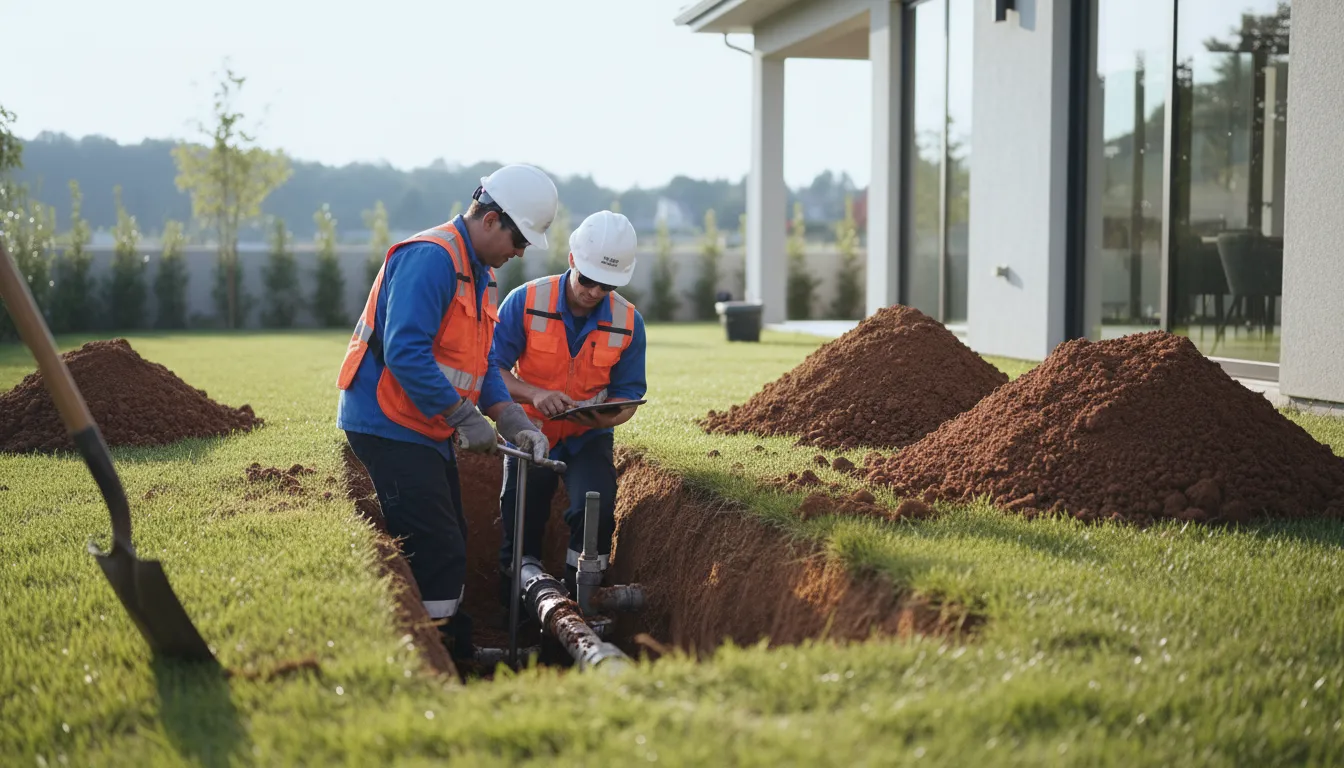
Find the Best Septic System Repair Companies for Your Business
No obligation • Fast responses • Nationwide coverage

Why you can trust Septic Spot
Septic Spot is a leading United States resource for understanding and comparing septic services. Our editors review providers using consistent criteria and verify key business details. Listings and scores are independent, and companies cannot pay to influence our content.
Search providers near you
Top Septic System Repair Companies in Wilson, North Carolina Ranked
A failing septic system is more than an inconvenience; it's a health hazard and a significant property issue that requires immediate, professional attention. Septic system repair involves diagnosing and fixing problems within your on-site wastewater treatment system, from the tank to the drain field. In Wilson, this work is strictly regulated to protect public health and groundwater. This guide explains the local repair process, common issues, and how to connect with licensed professionals who can restore your system to proper function.
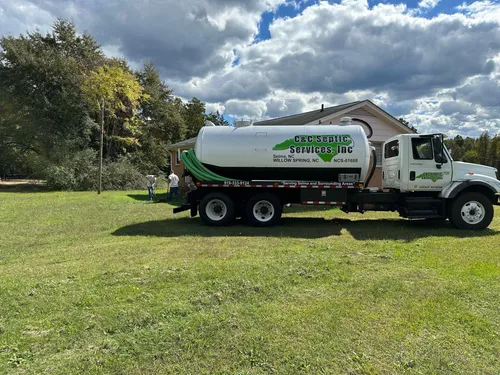
C & C Septic Services, Inc.
Raleigh, NC
C & C Septic Services, Inc. is a locally owned septic company based in Raleigh, NC. They provide septic tank pumping, inspections, repairs, and new system installations. Their service area includes Selma, Princeton, Smithfield, Clayton, Archers Lodge, Goldsboro, Pikeville, and surrounding locations. The company focuses on maintaining reliable septic systems and offers repair options and installations to meet customer needs.
David Brantley & Sons Inc
45 Green House Dr, Zebulon, NC 27597
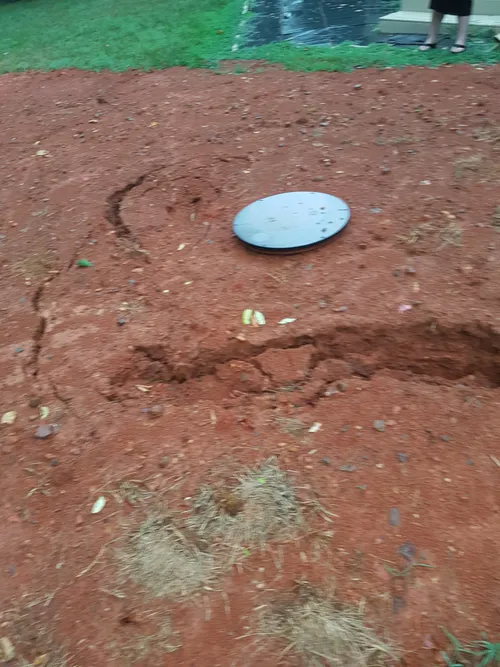
David Brantley & Sons Inc is a septic system repair and installation company based near Raleigh, NC. Serving the Triangle Area, including Wake Forest and surrounding counties, they provide waste disposal solutions such as septic systems and grease traps. Established in 1966, the company emphasizes an environmentally friendly approach to waste management and offers direct communication throughout their services.
Understanding Septic System Failures in Wilson
A malfunctioning septic system presents clear warning signs. Homeowners should be alert to sewage backups in household drains, foul odors around the tank or drain field area, unusually lush or soggy grass over the drain field, and slow-draining fixtures. These symptoms indicate that wastewater is not being properly treated and absorbed into the soil, which violates North Carolina health codes and requires prompt corrective action.
In Wilson County, all septic system repairs are governed by the North Carolina General Statutes and the rules established by the North Carolina Department of Health and Human Services (NCDHHS) 1. The local authority, the Wilson County Environmental Health Department, enforces these regulations to ensure repairs are done correctly and safely 2. Ignoring a failing system can lead to environmental contamination, costly fines, and a public health nuisance.
The Mandatory First Step: The Repair Permit
You cannot begin any corrective work on a failing septic system without first obtaining a Repair Permit from the Wilson County Environmental Health Department 3. This is a non-negotiable legal requirement designed to ensure the repair solution is appropriate and compliant.
The permit process typically follows these steps:
- Application: The homeowner or a licensed contractor applies for the permit through the county.
- Site Evaluation: A county sanitarian visits the property to evaluate the system failure. They assess the cause and determine the legally required corrective action based on soil conditions and existing site suitability rules (18A.1900 of the NC Administrative Code) 4.
- Permit Issuance: Once the repair plan is approved, a permit is issued. This permit will specify the work to be done and often requires that the repairs be completed within a set timeframe.
All permit fees are processed through the Wilson County OpenGov online portal. Only after you have this permit in hand should you proceed with hiring a contractor to perform the actual septic repair work.
The Professional Diagnostic Process
When you contact a licensed septic repair company in Wilson, such as Creech's Plumbing or Brantley Septic, they begin with a thorough assessment to pinpoint the problem 5 6. A proper diagnosis is critical for an effective and cost-efficient fix.
A comprehensive evaluation includes:
- Tank Inspection & Pumping: The technician will locate and pump the septic tank to inspect both chambers for excessive solids, sediment, or structural damage like cracks.
- Component Check: Key components like the inlet/outlet baffles, the effluent filter, and the distribution box (d-box) are examined for clogs, breaks, or wear.
- Mechanical System Review: For systems with pumps or alarms, the electrical components and pumps are tested for proper operation.
- Drain Field Assessment: This is often the most critical part. The professional will evaluate the soil in the drain field area for signs of saturation, biomat buildup, or surfacing sewage to determine if the field has failed 7.
Find the perfect septic system repair companies for your needs
Get personalized recommendations and expert advice
Common Types of Septic Repairs
The nature of the repair depends entirely on the diagnosis. Solutions can range from simple fixes to major excavations.
Minor Repairs and Component Replacement
These are typically the most affordable corrections and address issues before they cause systemic failure.
- Cleaning or Replacing the Effluent Filter: A clogged filter can cause backups into the house. Cleaning or replacing it is a common fix.
- Fixing or Replacing Baffles: Broken inlet or outlet baffles allow solids to escape into the drain field. These can often be replaced without replacing the entire tank 8.
- Distribution Box Repair: The d-box evenly distributes liquid effluent to the drain field lines. If it's cracked or clogged, it can be replaced.
- Installing Access Risers: Adding risers from the tank lids to the surface is not a repair for a failure, but it is a common upgrade that makes future pumping, inspection, and minor repairs much easier and less expensive.
Drain Field Remediation and Repair
When the problem lies in the soil absorption area, solutions become more complex.
- Hydro-Jetting and Root Removal: High-pressure water jetting can clear clogged perforated pipes in the drain field. Chemical root treatments can remove invasive tree roots that have blocked lines.
- Aeration and Biomat Reduction: Some techniques involve aerating the soil to restore permeability and break down the clogging biomat layer, potentially avoiding a full replacement 9.
- Drain Field Expansion or Replacement: If the original field is irreparably failed or undersized for the home's use, a new drain field may need to be installed in a designated repair area on the property 10. This is the most extensive and costly type of repair.
Major System Repairs and Replacements
- Septic Tank Replacement: If the tank itself is cracked, collapsed, or leaking, it must be excavated and replaced with a new, compliant tank.
- System Upgrade or Alternative Technology: If the existing conventional system cannot be repaired to meet standards, the county may require an upgraded or alternative system, such as a low-pressure dose or aerobic treatment unit (ATU), to function properly in the site's soil conditions 11.
Understanding Repair Costs in Wilson
The cost for septic system repair in Wilson varies dramatically based on the severity of the problem and the required solution. It's essential to get detailed, written estimates from licensed contractors. Always verify that a contractor is licensed, bonded, and insured to perform septic work in Wilson County 12.
Here is a general range of what you might expect, though prices can fluctuate with market conditions:
- Minor Repairs (filter, baffle, small pipe): $300 - $600+
- Distribution Box Replacement: $1,000 - $3,800+
- Drain Field Repair/Remediation: $1,500 - $5,000+ 13
- Complete Drain Field Replacement: $5,000 - $10,000+ (can be higher for large systems or difficult sites)
- Full Septic System Replacement: Costs can exceed $10,000, depending on system type and site work required 14.
Remember to factor in the required county permit fees, which are separate from contractor costs and paid directly to Wilson County 15.
Local Resources and Professional Services
Navigating a septic repair requires working with the right local entities.
- Wilson County Environmental Health Department: This is your primary regulatory contact for permit applications, site evaluations, and final inspections. Their On-Site Wastewater program manages all septic system oversight.
- Licensed Septic Contractors: Reputable local providers include companies like Creech's Plumbing & Septic, Brantley Septic, Roberson Home Services, and Boswell & Son Septic. These professionals understand local soils and county requirements.
Final inspections for completed repairs are typically scheduled through the county's OpenGov portal to ensure the work meets all codes before the permit is closed.
Frequently asked questions
Sources
Footnotes
-
NC General Statutes - Chapter 130A Article 11 - https://www.ncleg.gov/EnactedLegislation/Statutes/PDF/ByArticle/Chapter_130A/Article_11.pdf ↩
-
On-Site Wastewater - Wilson County - https://www.wilsoncountync.gov/departments/health-department/environmental-health/on-site-wastewater ↩
-
Repairing a Septic System | Onslow County, NC - https://www.onslowcountync.gov/715/Repairing-a-Septic-System ↩
-
Onsite Water Protection - https://www.deq.nc.gov/coastal-management/coastal-resources-commission-presentationjf2/open ↩
-
Septic Services in Wilson, NC | Creech's Plumbing - https://www.creechsplumbing.com/septic-services/ ↩
-
Septic Repair Wilson - https://www.brantleyseptic.com/septic-repair-wilson/ ↩
-
NC Homeowners: Caring for Your Septic System - https://www.dph.ncdhhs.gov/programs/environmental-health/site-water-protection-branch/site-wastewater-program/nc-homeowners-caring-your-septic-system ↩
-
How to Inspect a Private Septic System - https://www.youtube.com/watch?v=URhIPaX-csA&t=20 ↩
-
Wilson Septic Repair | Septic Tank Installation Services - https://www.creechsplumbing.com/septic-services/septic-repair-and-installations/ ↩
-
18A .1900 NORTH CAROLINA ADMINISTRATIVE CODE 01/21/99 ... - https://ehs.dph.ncdhhs.gov/oswp/docs/rules/jan99amen.pdf ↩
-
Guidance on Septic Repairs | NC DHHS - https://www.ncdhhs.gov/septic-repairs/download?attachment ↩
-
Creech's Plumbing: Wilson Septic Plumber - https://www.creechsplumbing.com/ ↩
-
TOP 10 BEST Septic Services in Wilson, NC - Updated 2026 - Yelp - https://m.yelp.com/search?find_desc=Septic+Services&find_loc=Wilson%2C+NC ↩
-
How Much Does a Septic System & Septic Tank Cost - NexGen Septics - https://www.nexgenseptics.com/septic-system-cost/ ↩
-
Inspections - Wilson County - https://www.wilsoncountync.gov/departments/inspections-division ↩