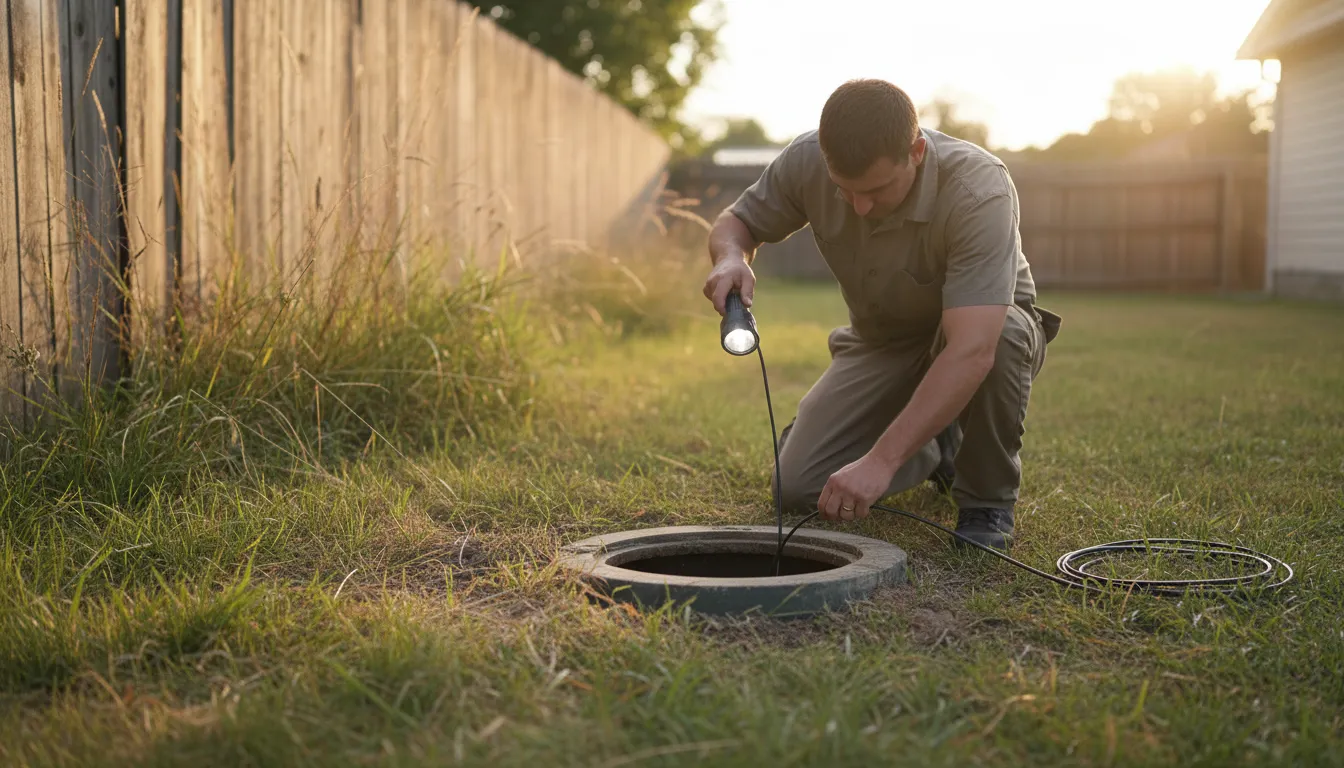
Find the Best Septic Tank Inspection Companies for Your Business
No obligation • Fast responses • Nationwide coverage

Why you can trust Septic Spot
Septic Spot is a leading United States resource for understanding and comparing septic services. Our editors review providers using consistent criteria and verify key business details. Listings and scores are independent, and companies cannot pay to influence our content.
Search providers near you
Top Septic Tank Inspection Companies in Alameda, California Ranked
A septic tank inspection is a critical evaluation of your onsite wastewater treatment system (OWTS) to ensure it is functioning safely and efficiently. This process matters because a failing system can pose serious health risks, contaminate local groundwater, and lead to costly property damage. For homeowners in Alameda, navigating local regulations and finding a qualified professional is essential, whether for routine maintenance or a property sale. This guide will help you understand what an inspection entails, why it's necessary, and how to connect with certified local providers for your system's evaluation.
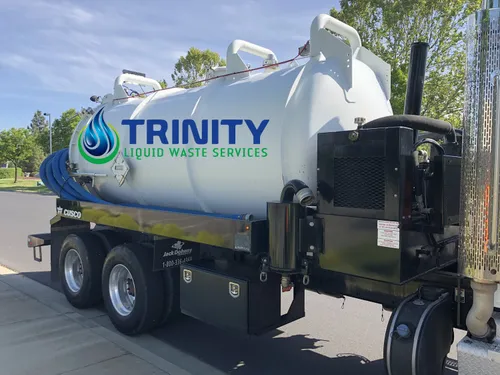
Trinity Liquid Waste Services
San Jose, CA
Trinity Liquid Waste Services provides septic tank pumping, inspection, repair, and maintenance services for residential and commercial clients in San Jose, CA. The family-owned company offers a wide range of septic system solutions including grease trap pumping, sewage ejector tank maintenance, and water jetting to keep systems functioning properly. They also handle storm drain cleaning and provide 24/7 same-day service for urgent septic issues. Their team is experienced in addressing common septic problems caused by household appliance overuse and sediment buildup, helping customers maintain optimal system performance.
PICHANGA PUMPING SERVICE LLC
901 N Rengstorff Ave, Mountain View, CA 94043
PICHANGA PUMPING SERVICE LLC is a family-owned business with over 10 years of experience, serving San Jose, CA. They provide septic tank pumping, inspection, repair, and installation services. The company uses specialized equipment for camera inspections and locating issues within pipes and sewer lines. They also offer restroom rentals. Pichanga Pumping Service provides after-hours and emergency services for added convenience.
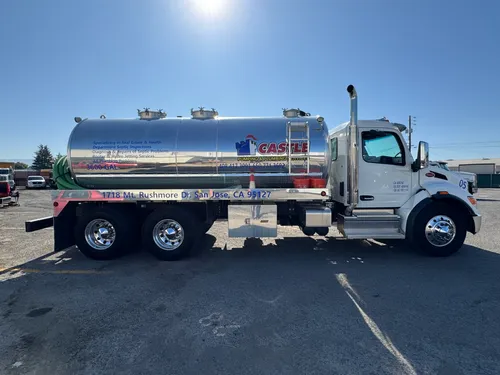
Castle Pumping and Plumbing Services
San Jose, CA
Castle Pumping and Plumbing Services is a locally owned company based in San Jose, CA, offering comprehensive septic system services including pumping, inspections, repairs, and installations. With over 32 years of experience, they serve residential and commercial properties in the San Jose area. Their expertise includes locating septic tanks, performing detailed inspections of tank components, and specialized outflow line exploration to diagnose backups without unnecessary replacements. The company uses advanced equipment and techniques to maintain and repair septic systems, ensuring long-lasting functionality.
Williams Sanitary Service Inc
Oakland, CA
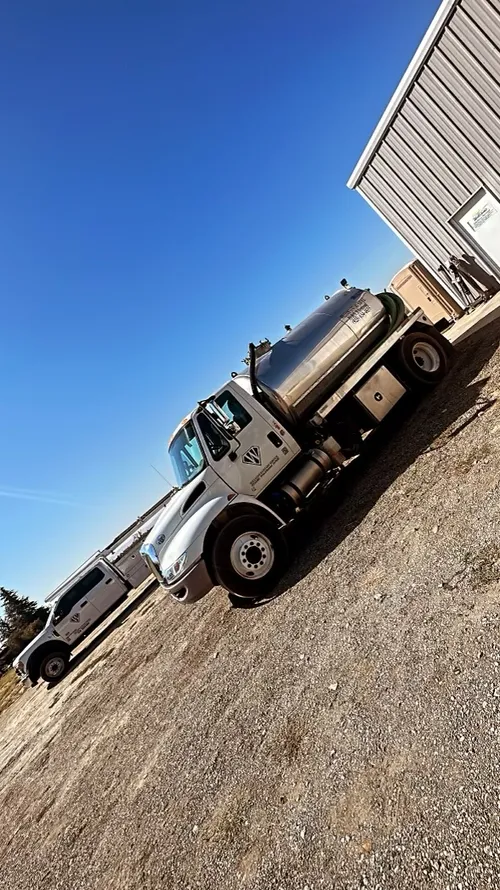
Williams Sanitary Service Inc is a family-owned septic system company serving Oakland, CA, and surrounding areas since 1950. They provide a full range of septic services including pumping, inspection, repair, and installation for both residential and commercial clients. The company also offers general plumbing services such as drain cleaning and water heater repair. Williams Sanitary Service Inc is equipped to handle all sizes of septic jobs across Contra Costa and Alameda Counties and offers 24/7 service availability.
Aaron's Septic Tank Service
San Jose, CA
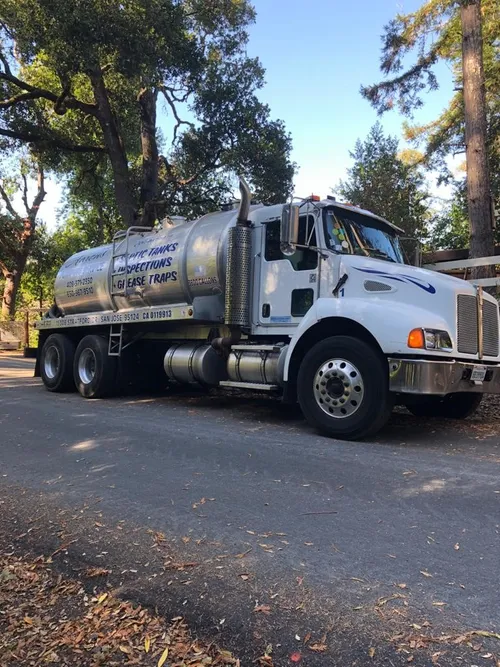
Aaron's Septic Tank Service is a septic tank pumping and inspection company based in San Jose, CA. Serving the Bay Area, including Santa Clara, San Mateo, and Santa Cruz counties, they offer a full range of septic services such as septic tank pumping, septic inspections, sewage ejector pump stations, and grease trap cleaning. Established in 1974, Aaron's Septic Tank Service brings over 45 years of experience to their work, specializing in real estate septic inspections and environmental health permit requirements.
Understanding Septic System Inspections in Alameda County
In Alameda County, septic systems, formally known as Onsite Wastewater Treatment Systems (OWTS), are regulated by the Alameda County Department of Environmental Health (ACDEH) 1. These inspections are not just a good idea-they are often a legal requirement. The county adheres to state standards, and many systems require an operating permit, with compliance verified through periodic checks 2. A professional septic system evaluation assesses the entire system's health, from the tank to the drainfield, ensuring it processes household waste without harming the environment or public health.
The primary goal is to identify problems early. Issues like excessive sludge, damaged baffles, or a failing drainfield can be addressed before they escalate into a full system failure, which can involve raw sewage backing up into your home or surfacing in your yard. Regular inspections are a cornerstone of responsible homeownership for the nearly 20% of U.S. households that rely on these private systems 3.
When is a Septic Inspection Required?
Knowing when to schedule a septic system check can save you from emergency situations and ensure you meet all legal obligations.
- Routine Maintenance: The Alameda County Department of Environmental Health and the U.S. Environmental Protection Agency recommend inspecting conventional systems at least every three years 4. Some alternative systems with electrical components may require more frequent checks, even annually.
- Property Sale or Transfer: This is one of the most common triggers. A point-of-sale septic inspection is almost always mandated during a real estate transaction in Alameda County. The inspection report must often be submitted to the county to confirm the system's viability before the sale can be finalized.
- Suspected Problems: If you notice warning signs like slow drains, gurgling pipes, sewage odors indoors or outdoors, soggy ground over the drainfield, or unusually lush grass in that area, you should schedule an inspection immediately.
- Before Major Additions: Planning to add a bedroom or expand your home's footprint? You'll likely need to verify that your existing OWTS has the capacity to handle the increased wastewater flow.
What Does a Certified Inspector Check?
A comprehensive septic tank inspection is a detailed process performed by a certified professional, such as a Registered Environmental Health Specialist (REHS) or a licensed septic contractor. Here's a breakdown of what a standard evaluation involves:
1. Locating and Accessing the System The inspector will first locate the septic tank and drainfield, often using county "as-built" plans if available. They will then excavate and uncover the tank's access lids.
2. Evaluating Tank Conditions and Sludge Levels This is a core part of the inspection. The inspector will measure the thickness of the sludge layer at the bottom of the tank and the scum layer floating on top. A general rule is that the tank needs pumping when the sludge depth equals one-third of the tank's liquid depth 5 6. They will also check the tank's structural integrity for cracks, leaks, or corrosion.
3. Inspecting Critical Components
- Baffles and Tees: The inlet and outlet baffles (or tees) are checked for damage or blockages. These components are crucial for preventing solids from flowing out into the drainfield.
- Tank Lid and Seal: The lid must be secure and in good condition to prevent accidents and infiltration of surface water.
4. Assessing the Drainfield (Leach Field) The inspector will examine the area above and around the drainfield for signs of failure. Key indicators include soggy or sunken soil, standing water, sewage surfacing, or odors. Unusually vibrant plant growth over the field can also signal a problem due to excess nutrients 7 8.
5. Checking Additional System Components For systems with pumps, siphons, or advanced treatment units, the inspector will test electrical components, alarms, and controls to ensure they are operational.
Find the perfect septic tank inspection companies for your needs
Get personalized recommendations and expert advice
The Cost of Septic Inspections and Related Services in Alameda
Understanding the potential costs helps homeowners budget for this essential maintenance. Prices can vary based on tank size, system complexity, and ease of access.
- Basic Inspection: A standard visual and operational inspection typically ranges from $150 to $300 9.
- Septic Tank Pumping: If the inspection reveals the tank is full, pumping is necessary. This service usually costs between $300 and $700+, depending on tank capacity (e.g., 1,000-gallon vs. 1,500-gallon) 10.
- Combined Maintenance Visit: It's common to bundle inspection and pumping. A full service visit can range from $450 to $1,000 or more.
- Repairs and Replacement: Costs here vary widely. Replacing a damaged baffle or lid may be a few hundred dollars. However, repairing a failed drainfield or replacing an entire system is a major expense, often ranging from $3,000 to over $10,000 11 12.
Always get detailed, written estimates from certified providers before work begins.
How to Prepare for a Septic Inspection
A little preparation can make the inspection go smoothly and may help your system pass.
- Locate Your Records: Find any "as-built" diagrams, past inspection reports, and maintenance records (especially pumping receipts) for the inspector.
- Clear Access: Ensure the inspector has clear access to the septic tank lids and the distribution box. Move vehicles, patio furniture, or landscaping features as needed.
- Know Your System: Be able to tell the inspector the approximate age of your system and any past issues you've noticed.
- Conserve Water: Avoid running dishwashers, washing machines, or taking long showers immediately before the inspection to allow for accurate sludge level measurements.
- Be Present: If possible, be home during the inspection to answer questions and receive preliminary findings.
Maintaining Your System Between Inspections
A successful inspection starts with good daily habits. Proper maintenance extends the life of your system and prevents failures.
- Conserve Water: Fix leaky faucets and toilets. Spread out laundry loads over the week to avoid overwhelming the system.
- Mind What You Flush: Only flush human waste and toilet paper. Never flush wipes (even "flushable" ones), feminine hygiene products, dental floss, diapers, or cooking grease.
- Protect the Drainfield: Never drive or park vehicles on the drainfield. Plant only grass over it; tree and shrub roots can clog and damage pipes.
- Divert Water: Ensure roof drains, sump pumps, and other surface water are directed away from the septic tank and drainfield area.
Frequently asked questions
Sources
Footnotes
-
OWTS Manual - Alameda DEH Home - https://deh.acgov.org/landwater-assets/docs/OWTS-Manual.pdf ↩
-
CHAPTER 15.18 County of Alameda Onsite Wastewater Treatment ... - https://www.waterboards.ca.gov/sanfranciscobay/board_info/agendas/2018/April/LAMP/2_AC_Revised_Ordinance.pdf ↩
-
Frequent Questions on Septic Systems | US EPA - https://www.epa.gov/septic/frequent-questions-septic-systems ↩
-
Homeowner's Guide to Septic Systems - Tuolumne County - https://www.tuolumnecounty.ca.gov/DocumentCenter/View/21759/Onsite-System-Care-and-Maintenance ↩
-
Pumping and Inspecting Your System - Indian Health Service - https://www.ihs.gov/california/index.cfm/offices/oehe/dsfc/drinking-water-and-sanitation/maintaining-your-septic-system-guide/pumping-and-inspecting-your-system/ ↩
-
Point of Sale Septic Inspections: What to Expect - https://westcoastsanitationinc.com/point-of-sale-septic-inspections-what-to-expect/ ↩
-
Septic System Inspections - InterNACHI® - https://www.nachi.org/inspecting-septic-systems.htm ↩
-
How to Get Septic to Pass Inspection - https://www.guardianangelinspections.com/how-to-get-septic-to-pass-inspection ↩
-
ONSITE SYSTEMS MANUAL - San Mateo County Health - https://www.smchealth.org/sites/main/files/file-attachments/201601_osm_complete.pdf ↩
-
Maintaining your Septic System A Guide for Homeowners - https://www.ihs.gov/california/tasks/sites/default/assets/File/SFC-MaintainingYourSepticSystemGuide.pdf ↩
-
What Does a Septic Inspection Entail? - HomeLight - https://www.homelight.com/blog/septic-inspection/ ↩
-
2026 Septic Inspection Costs | Tank, System, & Title 5 - https://homeguide.com/costs/septic-tank-inspection-cost ↩