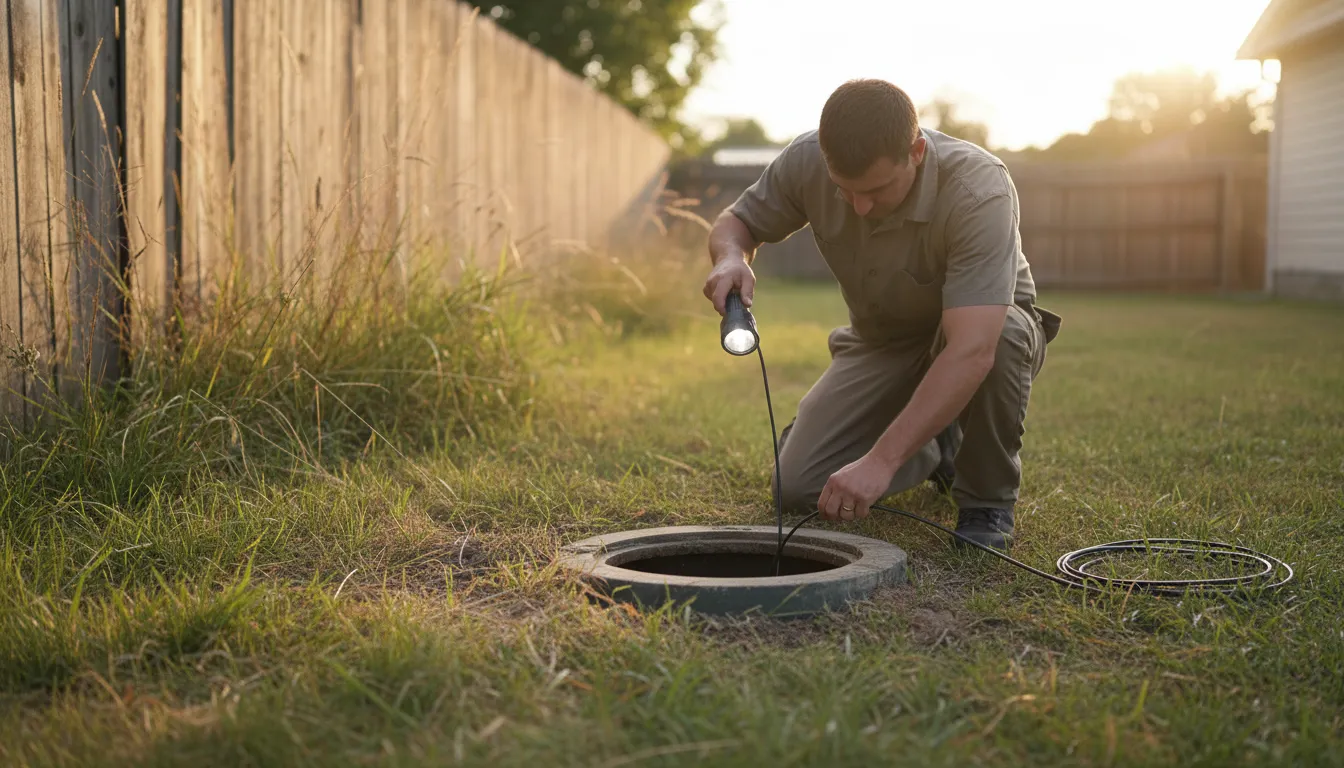
Find the Best Septic Tank Inspection Companies for Your Business
No obligation • Fast responses • Nationwide coverage

Why you can trust Septic Spot
Septic Spot is a leading United States resource for understanding and comparing septic services. Our editors review providers using consistent criteria and verify key business details. Listings and scores are independent, and companies cannot pay to influence our content.
Search providers near you
Top Septic Tank Inspection Companies in Bakersfield, California Ranked
A septic tank inspection is a vital assessment of your onsite wastewater system's health and functionality. In Bakersfield, where many homes rely on these private systems, regular evaluations are crucial for preventing environmental contamination, costly repairs, and ensuring your property remains compliant with local regulations. This guide will help you understand the process, local requirements, and how to find qualified professionals to conduct your septic system inspection.
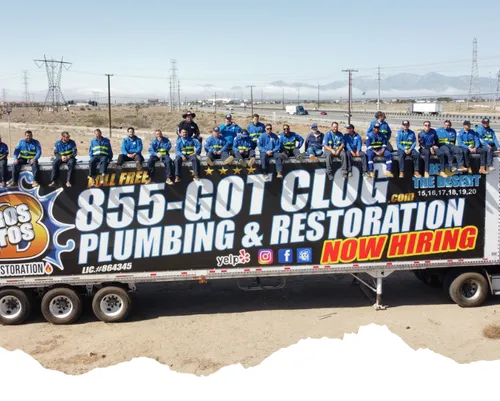
Cisneros Brothers Plumbing, Heating & AC Repair, Water Damage Restoration & Flood Services
2012 17th St, Bakersfield, CA 93301
Cisneros Brothers Plumbing, Heating & AC Repair, Water Damage Restoration & Flood Services is a septic tank inspection company based in Bakersfield, CA. They provide a range of plumbing and flood damage restoration services for both residential and commercial clients. The company is known for its expertise in plumbing installations, leak detection, water heater repair, and drain cleaning. With over 20 years of experience, Cisneros Brothers Plumbing offers licensed and insured services to ensure reliable plumbing solutions in the Bakersfield area.

Rescue Hero Plumbing & Pumping
12343 Jasmine Ave, Bakersfield, CA 93312
Rescue Hero Plumbing & Pumping is a family-owned company serving Bakersfield, CA, and nearby areas since 1991. They provide septic tank pumping, inspection, and repair services along with general plumbing solutions. The company offers 24-hour emergency service and same-day response for urgent plumbing and septic issues. Their licensed and insured technicians handle a range of problems including leak detection and septic system maintenance, aiming to deliver transparent and reliable solutions.
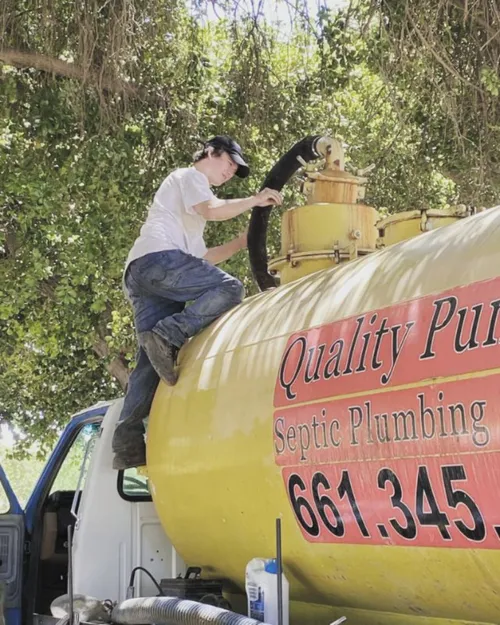
Quality Pumping
Bakersfield, CA
Quality Pumping is a septic tank pumping and inspection company serving Bakersfield, CA, and nearby areas including Lamont, Taft, Arvin, Wasco, and Shafter. They provide services for both residential and commercial clients, using specialized vehicles, pumps, and pressure washers to maintain septic systems properly. Their trained and experienced staff perform thorough inspections and advise on appropriate pumping schedules to ensure system reliability.
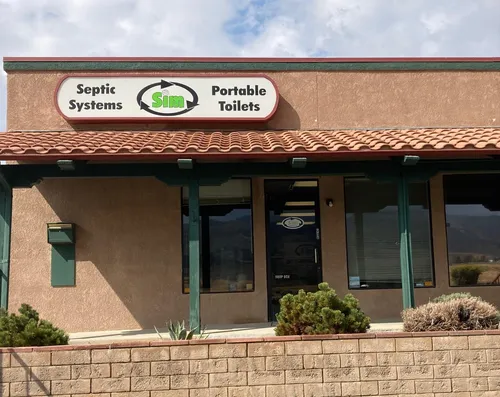
Sim Sanitation
20021 W Valley Blvd STE A, Tehachapi, CA 93561
Sim Sanitation is a licensed and insured environmental service company based near Bakersfield, CA. They specialize in septic system services including pumping, maintenance, inspection certification, repair, replacement, and new system installation. The company also offers percolation testing and is an authorized distributor and installer for Fuji Clean USA alternative wastewater treatment systems. Additional services include portable toilet and hand wash station rentals, temporary fencing, RV pumping, and holding tank rentals.
Superior Septic Service
3535 Bowman Ct B, Bakersfield, CA 93308
Superior Septic Service is a septic tank pumping and inspection company serving Bakersfield, CA, and all of Kern County. They provide a range of septic services including emergency septic tank pumping, acid treatment, and routine septic inspections to help maintain proper septic system function. Their experienced technicians respond promptly to emergencies to address septic tank overflows and other urgent issues.
Why Septic Inspections Are Critical in Kern County
For Bakersfield homeowners, a septic system is an out-of-sight but essential part of the property. Unlike a municipal sewer connection, you are solely responsible for its maintenance and performance. A professional septic inspection provides a clear picture of your system's condition, identifying potential problems before they escalate into emergencies like sewage backups or drainfield failure. In Kern County, these inspections are not just a good idea-they are often mandated by law during specific events to protect public health and groundwater.
Regular checks help ensure that solids are properly contained in the tank and that treated effluent is safely dispersed into the soil. Given the local climate and soil conditions, proactive maintenance through inspections can extend the life of your system for decades.
When Is a Septic System Inspection Required?
The Kern County Public Health Services Department, Environmental Health Division, sets the rules for onsite wastewater systems. Understanding when an inspection is mandatory can save you from legal and financial headaches.
- Property Transfer: One of the most common triggers is the sale of a home. A septic tank certification or inspection is frequently required to complete the transaction, assuring the buyer that the system is functional and compliant.
- New System Installation: Any new septic system installation must be permitted and inspected by the county to receive final approval.
- Major Repairs or Alterations: If you are planning significant repairs, expanding your home, or modifying the system, an inspection and permit are typically necessary 1.
- Suspected System Failure: Signs like slow drains, sewage odors indoors or outdoors, soggy ground over the drainfield, or unusually lush grass in that area are urgent calls for a professional inspection.
Beyond these mandatory situations, experts strongly recommend a routine septic tank check every 1 to 3 years to monitor sludge and scum levels and assess the overall system health.
What Does a Comprehensive Inspection Involve?
A thorough septic system evaluation by a certified contractor is a multi-step process designed to assess every component. It's much more than just checking if water is draining.
1. Locating and Accessing the System The inspector will first locate your septic tank and drainfield, often using probe rods or diagrams. They will then excavate to uncover the tank's access lids. Many modern inspections recommend installing permanent risers for easy future access.
2. Pumping and Initial Assessment To properly inspect the tank's interior, it usually needs to be pumped. This allows the inspector to see the tank walls, inlet and outlet baffles (or tees), and the bottom clearly.
3. Internal Structural Inspection With the tank empty, the contractor checks for cracks, corrosion, or structural damage. They examine the baffles, which are critical for preventing solids from flowing into the drainfield, and ensure the effluent filter (if present) is clean and functional 2 3.
4. Measuring Scum and Sludge Layers A key part of the inspection is measuring the depth of the scum layer (floating solids) and the sludge layer (settled solids). This determines how full the tank is and informs the recommended pumping schedule 4.
5. Drainfield Evaluation The inspector will examine the drainfield (or leach field) area for signs of failure. This includes looking for standing water, overly saturated soil, or sewage odors-all indicators that the field is not properly absorbing treated effluent 5.
6. Final Reporting A reputable inspector will provide a detailed written report outlining their findings, the system's condition, any necessary repairs, and recommendations for future maintenance.
Find the perfect septic tank inspection companies for your needs
Get personalized recommendations and expert advice
Understanding Costs: Inspection, Pumping, and Beyond
Budgeting for septic maintenance is part of responsible homeownership in Bakersfield. Costs can vary based on tank size, system complexity, and accessibility.
- Septic Inspection Cost: A standard inspection typically ranges from $300 to $800+. More comprehensive evaluations, including camera scans of lines or detailed soil percolation tests, will be on the higher end.
- Septic Tank Pumping Cost: Pumping is often done in conjunction with an inspection and generally costs between $250 and $600+, depending on tank capacity.
- System Repair or Replacement: This is where costs can rise significantly. Replacing a failed drainfield or installing a completely new septic system is a major project, with prices often ranging from $3,000 to over $10,0006 7.
While these may seem like substantial expenses, they pale in comparison to the cost and hassle of an emergency system failure or the liability issues that can arise during a property sale without proper certification.
Kern County Regulations and Setbacks You Must Know
Compliance with local codes is non-negotiable. Kern County has specific "setback" requirements dictating how far your septic system must be from other features on your property:
- At least 50 feet from any stream or watercourse.
- At least 5 feet from a seepage pit.
- At least 10 feet from large trees (to prevent root intrusion).
These setbacks are designed to protect water sources and the physical integrity of your system. Always check with the Kern County Public Health Department before planning any construction or landscaping near your septic tank or drainfield 8.
Proactive Maintenance Tips for Bakersfield Homeowners
An inspection tells you the current state; proper maintenance protects your investment for the future.
- Pump Regularly: Even with diligent care, tanks need to be pumped. The standard interval is every 3 to 5 years, but your inspector can give you a personalized schedule based on your tank size and household usage.
- Conserve Water: Reducing water flow into the tank prevents overload. Fix leaks, install efficient fixtures, and spread out laundry loads over the week 9.
- Mind What You Flush: Only human waste and toilet paper should go down the drain. Avoid flushing chemicals, grease, diapers, wipes (even "flushable" ones), and coffee grounds, as they can clog pipes and disrupt the bacterial balance in the tank 10 11.
- Protect the Drainfield: Never drive or park vehicles over it. Direct roof drains and surface runoff away from the area. When landscaping, choose grasses or shallow-rooted plants over trees or shrubs 12 13.
Frequently asked questions
Sources
Footnotes
-
onsite-wastewater-treatment-system-requirements-procedures. ... - http://www.publichealth.lacounty.gov/eh/docs/permit/onsite-wastewater-treatment-system-requirements-procedures.pdf ↩
-
Septic Tank Certification in Bakersfield, CA | Ensure a Smooth ... - https://rescueheroplumbing.com/septic-tank-certifications ↩
-
The Californian's Guide To Septic Tanks - https://cacciaplumbing.com/blog/california-septic-tank-guide/ ↩
-
Pumping and Inspecting Your System - Indian Health Service (IHS) - https://www.ihs.gov/california/index.cfm/offices/oehe/dsfc/drinking-water-and-sanitation/maintaining-your-septic-system-guide/pumping-and-inspecting-your-system/ ↩
-
Septic Inspections - Required by the Deptartment of Health - https://jupiterseptic.com/septic-inspections/ ↩
-
Maintaining your Septic System A Guide for Homeowners - https://www.ihs.gov/california/tasks/sites/default/assets/File/SFC-MaintainingYourSepticSystemGuide.pdf ↩
-
How Much Does a Septic Inspection Cost? [2026 Data] - Angie's List - https://www.angi.com/articles/septic-inspection-cost.htm ↩
-
Septic Systems | Kern County, CA - https://www.kernpublichealth.com/permitting-compliance/waste/septic-systems ↩
-
Frequent Questions on Septic Systems | US EPA - https://www.epa.gov/septic/frequent-questions-septic-systems ↩
-
Septic System DO's and DONT's - https://www.ihs.gov/california/index.cfm/offices/oehe/dsfc/water-san/maintaining-your-septic-system-guide/septic-system-do-s-and-dont-s/ ↩
-
Homeowner's Guide to Septic Systems - El Dorado County - https://www.eldoradocounty.ca.gov/files/assets/county/v/1/documents/government/environmental-management/environmental-management/septic-documents/epa_homeowner_septic_guide.pdf ↩
-
Septic System Setbacks | Kern County, CA - https://www.kernpublichealth.com/permitting-compliance/waste/septic-systems/septic-system-setbacks ↩
-
Septic Tank Pumping: Maintenance Checklist Guide - https://gatewayseptic.com/blog/guide-to-maintenance-checklist-of-septic-tank-pumping/ ↩