Find the Best Septic Tank Inspection Companies for Your Business
No obligation • Fast responses • Nationwide coverage

Why you can trust Septic Spot
Septic Spot is a leading United States resource for understanding and comparing septic services. Our editors review providers using consistent criteria and verify key business details. Listings and scores are independent, and companies cannot pay to influence our content.
Search providers near you
Top Septic Tank Inspection Companies in Fresno, California Ranked
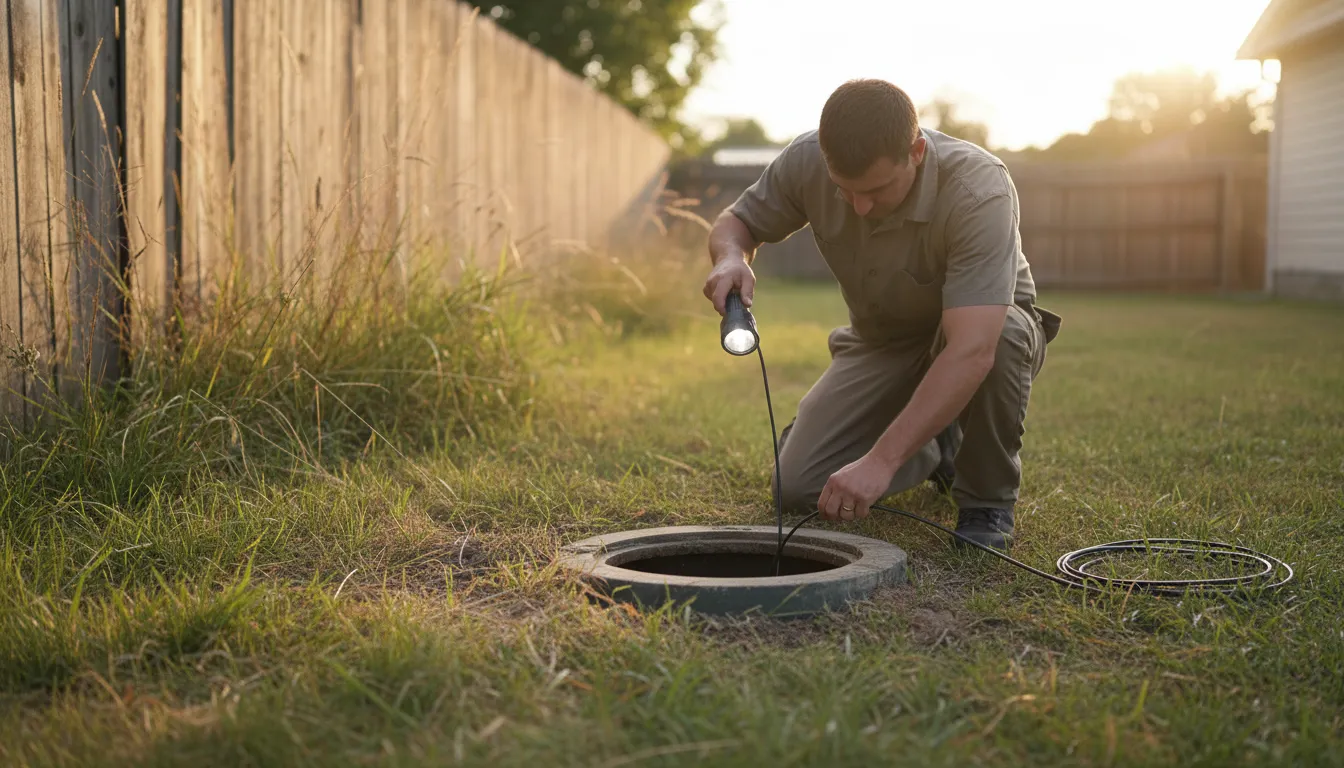
A professional septic tank inspection is a critical evaluation of your onsite wastewater treatment system's health and functionality. In Fresno, where many homes rely on these private systems, regular assessments are essential for protecting your property value, ensuring public health, and complying with local regulations. This guide will help you understand the inspection process, local requirements, and how to find qualified professionals to evaluate your septic system.
The Septic Guys
Fresno, CA
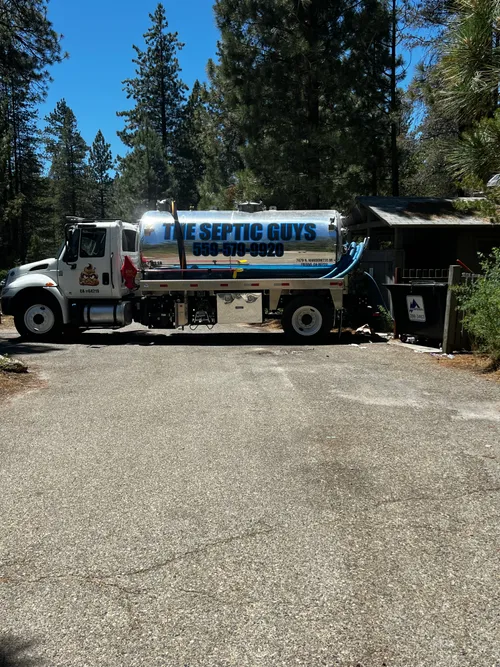
The Septic Guys provide septic tank pumping, inspection, repair, and installation services in Fresno, CA. They focus on maintaining septic systems to prevent costly damage, including drain field repairs and replacements. Their services include regular septic tank pumping, which helps identify potential problems early and reduces strain on the system components. This maintenance extends the life and functionality of septic systems and helps avoid major repairs.
Goode Plumbing
1044 San Jose Ave Ste 102, Clovis, CA 93612
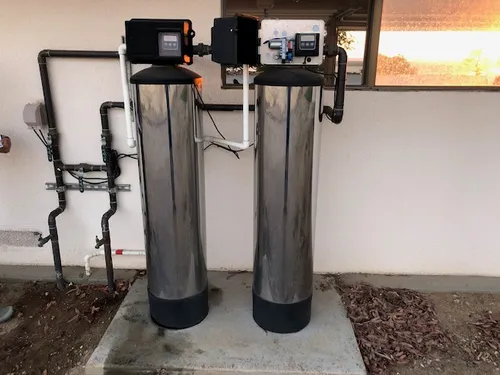
Goode Plumbing is a full-service plumbing and septic contractor serving Fresno, CA, and the Central Valley. They provide plumbing, septic system pumping, inspection, and repair services for residential, commercial, and industrial customers. Their team of licensed and certified plumbers has extensive experience handling a wide range of plumbing and septic issues. Goode Plumbing also offers water treatment solutions including whole house filtration systems. The company is known for dependable service and quality workmanship.
Horizon septic solutions
Fresno, CA
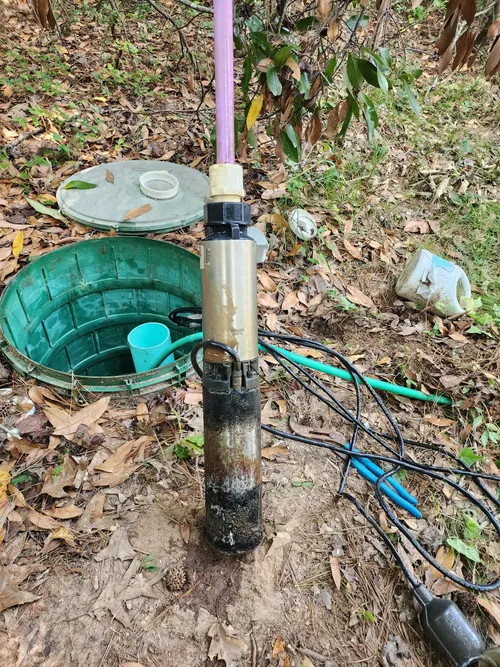
Horizon Septic Solutions provides comprehensive septic system services in Fresno, CA, including installation, pumping, inspection, repair, drain field installation, and maintenance. They use advanced technology and follow local regulations to ensure quality and environmentally responsible septic care. The company has years of experience and employs certified technicians to deliver professional service. Horizon Septic Solutions offers 24/7 emergency septic services to address urgent needs promptly.
Pro Rooter & Septic
Fresno, CA
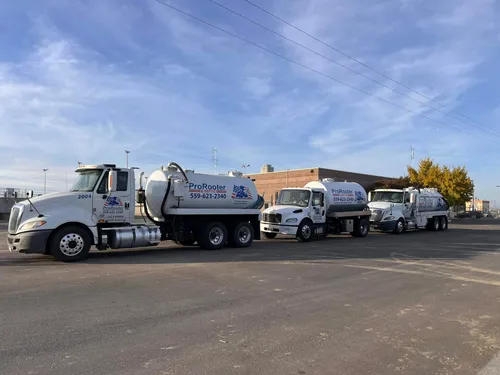
Pro Rooter & Septic is a family-owned plumbing and septic service provider based in Fresno, CA. Serving the Central Valley, they offer septic tank pumping, inspection, installation, and repair services, as well as drain field and sewer line repairs. The company uses modern equipment, including sewer video inspection and trenchless sewer line installation, to address plumbing and septic system needs efficiently. With over 40 years of experience, Pro Rooter & Septic is licensed, bonded, and insured, and provides 24/7 availability for emergencies.
Why Septic System Inspections Matter in Fresno
In Fresno County, septic systems are a common solution for wastewater management outside of municipal sewer lines. The proper functioning of these systems is not just a homeowner's concern-it's an environmental imperative. A failing system can contaminate groundwater, create unsanitary conditions, and lead to costly repairs or property damage. The Fresno County Department of Public Health oversees these systems under the California Onsite Wastewater Treatment Systems (OWTS) policy, which sets strict standards for installation, maintenance, and inspection 1 2 3.
Regular system evaluations are the most effective way to catch minor issues before they become major failures. They provide peace of mind that your wastewater is being treated safely and that your investment is protected. For many homeowners, the first encounter with a mandatory inspection comes during a real estate transaction, but proactive, routine checks are a hallmark of responsible homeownership.
Understanding Fresno County's Inspection Regulations
Local regulations significantly shape when and how your septic system must be inspected. Being aware of these rules can help you avoid legal and financial pitfalls.
- Property Transfer Inspections: A professional, licensed inspection is standard and often legally required when transferring property ownership in Fresno County. This process provides certification that the system is functioning properly and is a key contingency in most real estate contracts.
- System Failure Protocol: Regulations mandate that systems must not discharge wastewater onto the ground surface or threaten groundwater. If a failure is identified, immediate corrective action is required and must be reported to the County's Environmental Health division.
- Site and Setback Rules: Specific rules govern where systems can be placed. For example, seepage pits (a type of drainage system) are permitted for single-family homes but often require preliminary test borings. All system components must maintain mandated setbacks from wells, property lines, and water sources to prevent contamination 4.
What a Comprehensive Septic Inspection Involves
A standard professional inspection is a multi-step process designed to assess every critical component of your wastewater system. It's far more than just looking at the tank.
- Locating & Accessing the System: The inspector will first identify the exact location of the septic tank and drainfield (leach lines). Homeowner assistance is often valuable here, especially if records are unclear.
- Tank Access and Visual Check: The inspection ports (manholes) are opened. The inspector checks the liquid level and examines the inlet and outlet baffles (or tees) for integrity, as damaged baffles can allow solids to clog the drainfield.
- Sludge and Scum Measurement: This is a crucial quantitative step. Using specialized tools, the inspector measures the depth of the sludge layer at the bottom of the tank and the scum layer floating at the top. If the sludge depth equals one-third or more of the liquid depth, pumping is immediately necessary 5 6.
- Structural Integrity Inspection: The tank walls, lid, and seams are checked for cracks, damage, or excessive corrosion that could lead to leaks or collapse.
- Drainfield Assessment (Flow/Dye Test): Water is run through household fixtures to observe how effluent flows into the drainfield. Dye may be introduced to check for surfacing effluent or blockages, indicating a failing leach field 7.
- Pumping for Full Evaluation: For a thorough inspection, particularly of seepage pits, pumping the tank is often necessary. This allows the inspector to see the interior walls and bottom clearly, checking for structural issues that are hidden when the tank is full 8 9.
Find the perfect septic tank inspection companies for your needs
Get personalized recommendations and expert advice
Frequency and Costs of Septic Inspections in Fresno
Staying on top of maintenance schedules and understanding associated costs helps in budgeting and prevents emergencies.
Recommended Maintenance Schedule:
- Pump Your Tank: Every 3 to 5 years, depending on household size and usage.
- Inspect Your System: A professional inspection should be conducted annually, even if pumping is not needed. This annual check can identify early warning signs.
- Protect Your System: Avoid parking vehicles or heavy equipment over the tank or drainfield, and do not plant trees with deep root systems nearby.
Understanding Inspection and Pumping Costs: Costs can vary based on tank size, system complexity, and accessibility. Here's a general breakdown for the Fresno area:
- Inspection Only: Typically ranges from $300 to $600+. This covers the visual assessment, measurements, and basic functional tests.
- Pumping Only: Generally costs between $300 and $700+, heavily influenced by tank capacity (e.g., 1,000-gallon vs. 1,500-gallon) 10 11.
- Combined Service (Inspection & Pumping): Often offered as a bundled service. You can expect to pay over $600 to $900, with costs increasing if significant excavation is needed to locate tank lids or if troubleshooting complex problems is required 12 13 14.
Preparing for a Septic System Evaluation
A little preparation can make the inspection process smoother and more efficient, potentially saving you time and money.
- Locate Your Records: Find any existing diagrams, permits, or maintenance records for your system. This helps the inspector quickly understand your system's layout.
- Ensure Clear Access: Clear vegetation, debris, or any obstructions from around the septic tank lid and distribution box. Make sure the inspector can easily access the area.
- Know Your System's History: Be prepared to inform the inspector of the last known pumping date, any past issues, or additions to your household that increase water usage.
- Be Available for Questions: Plan to be home during the inspection. Your knowledge of the property's history and any subtle signs of trouble (like slow drains or damp spots in the yard) is invaluable.
Signs Your Fresno Home Might Need an Inspection Sooner
Don't wait for a scheduled check or a real estate transaction if you notice these red flags. They indicate that your system needs immediate professional attention:
- Sewage odors in the yard or home.
- Slow-draining sinks, toilets, or showers.
- Gurgling sounds in your plumbing.
- Unusually lush, green grass or soggy, wet spots over the drainfield area.
- Backups of wastewater into floor drains or household fixtures.
Frequently asked questions
Sources
Footnotes
-
The Californian's Guide To Septic Tanks - https://cacciaplumbing.com/blog/california-septic-tank-guide/ ↩
-
Point of Sale Septic Inspections: What to Expect - https://westcoastsanitationinc.com/point-of-sale-septic-inspections-what-to-expect/ ↩
-
California Septic Tank Requirements | Onsite Wastewater Treatment Systems - https://www.ntotank.com/blog/california-septic-tank-requirements ↩
-
72415-septic-setbacks.pdf - Fresno County - https://www.fresnocountyca.gov/files/sharedassets/county/vision-files/files/72415-septic-setbacks.pdf ↩
-
Septic Certifications Explained | Importance & Process for ... - https://prorooterseptic.com/septic-certifications/ ↩
-
Preparing for Septic Tank Inspection: 7 Key Steps | Septic System Professionals - https://septic911.com/preparing-for-septic-tank-inspection/ ↩
-
How to Get Septic to Pass Inspection - https://www.guardianangelinspections.com/how-to-get-septic-to-pass-inspection ↩
-
Pumping and Inspecting Your System - Indian Health Service - https://www.ihs.gov/california/index.cfm/offices/oehe/dsfc/drinking-water-and-sanitation/maintaining-your-septic-system-guide/pumping-and-inspecting-your-system/ ↩
-
Septic System Inspections - InterNACHI - https://www.nachi.org/inspecting-septic-systems.htm ↩
-
Maintaining your Septic System A Guide for Homeowners - https://www.ihs.gov/california/tasks/sites/default/assets/File/SFC-MaintainingYourSepticSystemGuide.pdf ↩
-
What Does a Septic Inspection Entail? - HomeLight - https://www.homelight.com/blog/septic-inspection/ ↩
-
Frequent Questions on Septic Systems | US EPA - https://www.epa.gov/septic/frequent-questions-septic-systems ↩
-
Essential Septic System Inspection Guide for Homeowners - https://smartsepticpros.com/blog/septic-system-inspection-for-homeowners/ ↩
-
2026 Septic Inspection Costs | Tank, System, & Title 5 - https://homeguide.com/costs/septic-tank-inspection-cost ↩