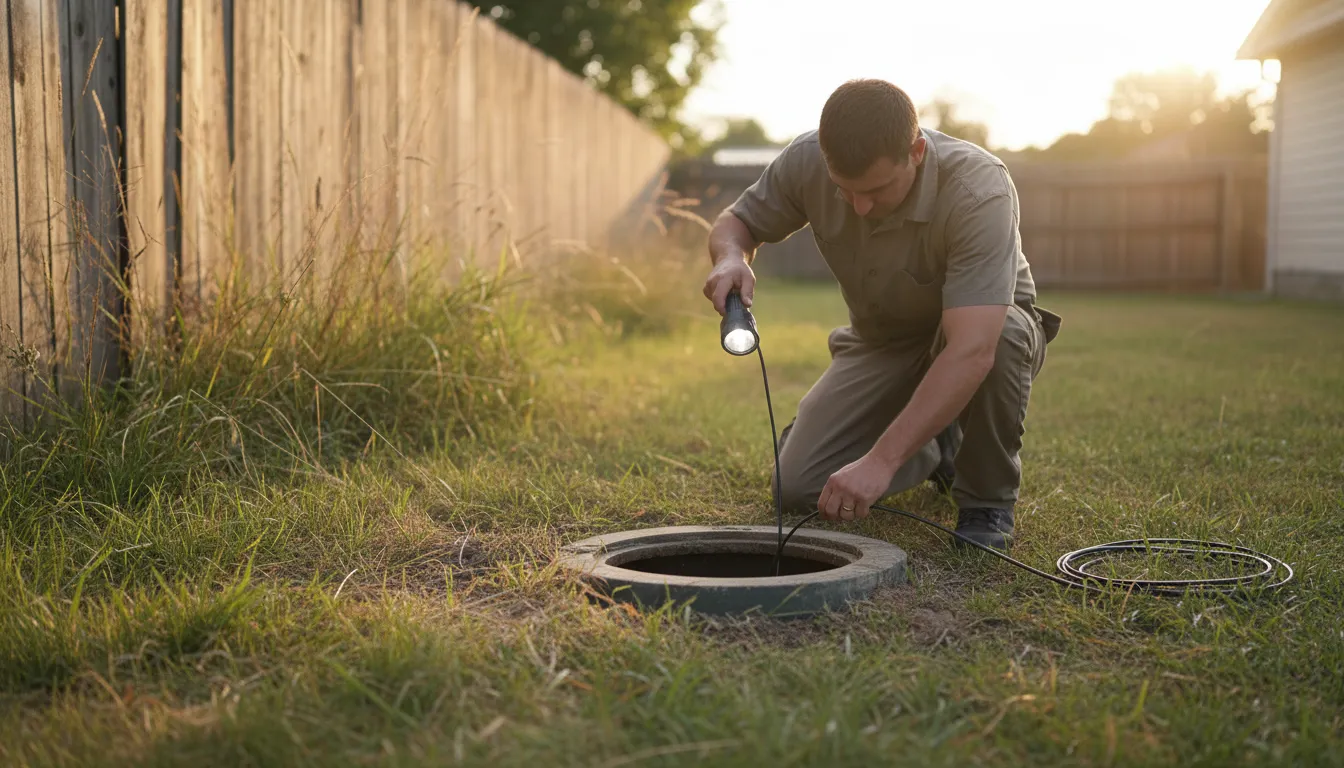
Find the Best Septic Tank Inspection Companies for Your Business
No obligation • Fast responses • Nationwide coverage

Why you can trust Septic Spot
Septic Spot is a leading United States resource for understanding and comparing septic services. Our editors review providers using consistent criteria and verify key business details. Listings and scores are independent, and companies cannot pay to influence our content.
Search providers near you
Top Septic Tank Inspection Companies in San Diego, California Ranked
A septic tank inspection is a professional evaluation of your onsite wastewater system to ensure it is functioning safely and in compliance with local regulations. This process is critical for protecting your property, your health, and the local environment, particularly in areas like San Diego where groundwater protection is paramount. Whether you're buying a home, maintaining your property, or addressing a suspected problem, a thorough inspection provides the clarity needed to make informed decisions. The following guide will help you understand the local requirements, what the inspection entails, and how to connect with qualified professionals in the San Diego area.
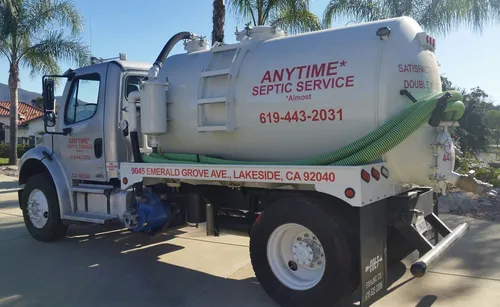
Anytime Septic Service
8867 Gardena Rd, Lakeside, CA 92040
Anytime Septic Service is a family-owned company serving San Diego, CA, with over 55 years of experience in septic system care. They provide septic tank pumping, inspection, repairs, and installation across multiple local communities including El Cajon, Lakeside, La Mesa, and others. The team uses modern techniques and equipment to ensure septic systems function properly, offering thorough visual inspections and detailed explanations of their findings. They also provide after-hours emergency service for urgent septic needs.
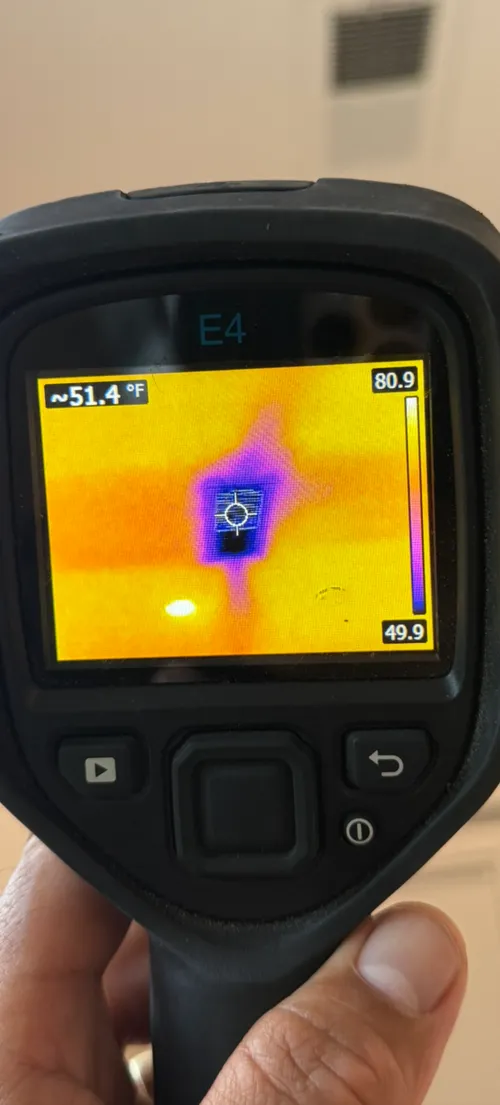
The San Diego Inspectors Company
4538 Cass St suite 14-D1, San Diego, CA 92109
The San Diego Inspectors Company is a certified home inspection provider based in San Diego, CA. They offer a wide range of inspection services including septic tank inspection, sewer line inspection, mold inspection, thermal imaging, and pool and spa inspection. Their team is certified by the International Association of Certified Home Inspectors (InterNACHI) and uses advanced equipment to deliver detailed reports. The company is known for thorough inspections that help buyers and sellers make informed decisions during real estate transactions. They also provide specialized inspections such as 4-point inspections and mobile home inspections.
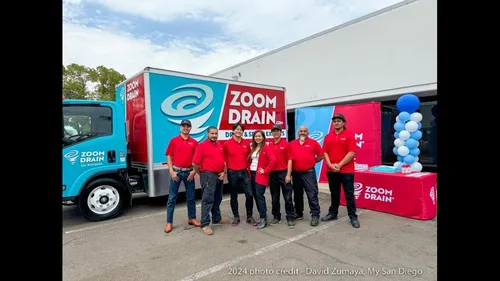
Zoom Drain SD North County
1317 Simpson Way Suite B, Escondido, CA 92029
Zoom Drain SD North County is a septic tank inspection company based in San Diego, CA, serving Escondido and surrounding areas. They specialize in drain and sewer services for residential and commercial clients, using advanced camera inspection technology to accurately diagnose plumbing issues such as clogs, leaks, and root intrusion. Their capabilities include high-pressure hydro jetting and eco-friendly treatments like RootX herbicide and CitraJet to maintain and restore plumbing systems. The company is known for tailored maintenance plans and supports real estate transactions with thorough inspections.
Modern Septic Service
1506 Pioneer Way, El Cajon, CA 92020
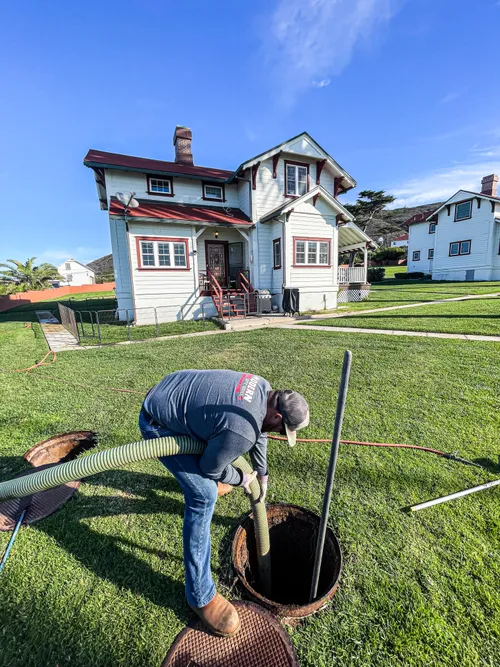
Modern Septic Service is a family-owned septic tank pumping, inspection, and repair company serving San Diego, CA. With over 60 years of experience, they provide residential and commercial septic services, including routine pumping, cleaning, troubleshooting, and maintenance. The company specializes in handling large-capacity septic systems for various commercial and municipal clients, offering 24/7 emergency pumping services and supporting public works projects with prevailing wage compliance. Founded in 1960, Modern Septic Service has grown through three generations, expanding its fleet and capabilities to meet diverse septic system needs across San Diego County.
A1 Septic Services
9787 Snow View Dr, El Cajon, CA 92021
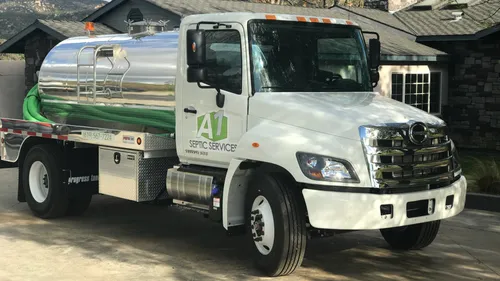
A1 Septic Services is a septic tank pumping and inspection company based in San Diego, CA. They serve El Cajon, Alpine, Lakeside, and East County San Diego, offering septic tank pumping, inspections for real estate certifications, and locating and digging out septic tank lids. Their inspection services include checking inlet and outlet baffles, separator walls, tank integrity, and leaching system tests. The company uses new, quiet equipment designed to avoid driveway damage and follows strict safety standards. A1 Septic Services emphasizes thorough inspections that must be paired with pumping to ensure full visibility of the system.
Understanding San Diego County's Septic System Regulations
In San Diego County, all septic systems are regulated by the Department of Environmental Health and Quality (DEHQ) under the Local Agency Management Program (LAMP). This means whether you're in the city of San Diego or an unincorporated area, the same county-wide standards apply. The DEHQ requires permits for any new installation, major modification, or repair of a septic system. A key requirement for all systems is the installation of a septic tank effluent filter on the outlet side of the tank, which helps protect the drainfield.
The county also sets minimum tank sizing standards: a 1,000-gallon tank for 1-3 bedroom homes, 1,200 gallons for 4 bedrooms, and 1,500 gallons for 5-6 bedrooms. These regulations are designed to ensure systems are adequately sized for household use, preventing premature failure. Compliance with these rules is not optional; failing a system inspection can trigger a mandatory repair process that requires a site-specific evaluation by a licensed contractor.
When Is a Septic System Evaluation Required?
Knowing when to schedule a septic assessment can save you from costly emergencies and legal complications. Common triggers include:
- Property Transactions: A septic inspection is a standard and highly recommended part of a home purchase in San Diego County. It provides essential due diligence for the buyer and can be a negotiating point based on the system's condition.
- Routine Maintenance: The County of San Diego and the EPA recommend having your system inspected every 1 to 3 years 1. Regular check-ups can identify minor issues before they become major, expensive failures.
- Suspected Problems: Signs like slow drains, sewage backups, foul odors near the tank or drainfield, or unusually lush grass over the drainfield are clear indicators that a professional evaluation is needed immediately.
- Before Major Repairs or Renovations: If you're planning a home addition or landscape project that could impact your drainfield, an inspection can help you plan responsibly.
- System Pumping: It is standard practice for a contractor to inspect the tank during a routine pumping service, which itself is recommended every 3 to 5 years depending on usage 2.
What Does a Professional Septic Inspection Involve?
A comprehensive septic system evaluation is a multi-step process conducted by a licensed professional. It goes far beyond just looking at the tank.
1. Locating and Accessing the System The inspector will first locate the septic tank and distribution box, which may involve consulting property records or using probing tools. They will then excavate and open the access ports (manholes) to the tank. Ensuring these ports are accessible is a homeowner's responsibility and a key step in preparing for an inspection 3.
2. Internal Tank Assessment This is the core of the inspection. The professional will:
- Measure Sludge and Scum Levels: Using specialized tools, they measure the depth of the sludge layer at the bottom and the scum layer at the top. A system is considered failing if the combined sludge and scum occupy more than one-third of the tank's liquid volume.
- Check Structural Integrity: The inspector looks for cracks, leaks, or corrosion in the tank walls, baffles, and the effluent filter 4.
- Inspect the Effluent Filter: They will check, and likely clean, the mandatory effluent filter to ensure it is not clogged 5.
3. Drainfield and Flow Test The inspector will evaluate the drainfield (leach field) area for signs of failure, such as surfacing effluent or saturated soil. A crucial part of the inspection is a flow test, where water is run through household fixtures to observe how the system handles a load. The goal is to confirm that water flows freely from the tank to the drainfield without backing up into the home or surfacing in the yard 6 7.
4. Reporting and Recommendations After the evaluation, the inspector provides a detailed report outlining the system's condition, any deficiencies found, and recommended actions. If the system fails, this report is necessary to obtain a repair authorization from the DEHQ 8.
Find the perfect septic tank inspection companies for your needs
Get personalized recommendations and expert advice
The Cost of Septic Inspections and Pumping in San Diego
Understanding the potential costs helps in budgeting for this essential service. Pricing can vary based on tank size, accessibility, and the scope of the inspection.
- Inspection Fee: A stand-alone, comprehensive septic system inspection in San Diego typically costs between $300 and $600. This fee covers the professional's time, expertise, and report generation.
- Pumping Fee: If the inspection reveals the tank needs to be pumped, or if you schedule pumping as routine maintenance, that service typically costs between $300 and $800 in the region, depending heavily on tank size (e.g., 1,000 vs. 1,500 gallons) and how easy it is to access the tank 9 10.
- Combined Service: Many homeowners opt for a combined inspection and pumping service. This is often the most practical approach, as pumping is required to properly inspect the tank's bottom and components. A combined service in San Diego often ranges from $500 to $1,200 or more 11.
Choosing a Qualified Septic Inspector in San Diego
Not all contractors are equal. For your safety and compliance, it's vital to hire a properly licensed professional. In California, septic work requires a specific contractor's license. The County of San Diego explicitly states that permits for septic system installation or modification must be obtained by a licensed C-36 (Plumbing), C-42 (Sanitation System), Class A (General Engineering), or Class B (General Building) contractor 12.
Always verify the contractor's license with the California Contractors State License Board (CSLB). Additionally, choose a provider with strong local knowledge of San Diego County's DEHQ procedures and LAMP standards, as they will be best equipped to navigate any permitting or repair authorization processes should your system need work 13.
Maintaining Your System Between Inspections
Professional inspections are essential, but day-to-day homeowner habits greatly impact system longevity. Follow these guidelines to keep your San Diego septic system healthy:
- Conserve Water: Fix leaks and spread out laundry loads to avoid overwhelming the system.
- Mind What You Flush: Only human waste and toilet paper should go down the drain. Never flush wipes (even "flushable" ones), feminine hygiene products, grease, or chemicals.
- Protect the Drainfield: Never park vehicles or build structures over the drainfield. Direct rainwater drainage away from the area.
- Keep Records: Maintain a file of all inspection reports, pumping receipts, and repair permits. This is invaluable for future service and if you sell your home.
Frequently asked questions
Sources
Footnotes
-
Frequent Questions on Septic Systems | US EPA - https://www.epa.gov/septic/frequent-questions-septic-systems ↩
-
Septic Systems - County of San Diego - https://www.sandiegocounty.gov/content/sdc/deh/lwqd/lu_septic_systems.html ↩
-
Preparing for Septic Tank Inspection: 7 Key Steps | Septic System Professionals - https://septic911.com/preparing-for-septic-tank-inspection/ ↩
-
County of San Diego - https://www.sandiego.gov/sites/default/files/legacy/water/pdf/graywatersys.pdf ↩
-
Septic System Design Criteria - County of San Diego - https://www.sandiegocounty.gov/content/dam/sdc/deh/lwqd/Septic_System_Design_Criteria_3-22-10.pdf ↩
-
Checklist for Septic System Inspections - Plumas County - https://plumascounty.us/DocumentCenter/View/30614/checklist_septic_system_inspections ↩
-
Septic Inspections: A Crucial Step for Home Buyers and Owners - https://lionhomeservice.com/septic/septic-system-inspections-a-crucial-step-for-home-buyers-and-owners/ ↩
-
Septic Repair Authorization Application - County of San Diego - https://www.sandiegocounty.gov/content/dam/sdc/deh/lwqd/Septic_Repair_Authorization_FILLABLE.pdf ↩
-
Septic Tank Pumping Cost: Guide & Pricing in 2025 - Splash Plumbing - https://www.splashplumbing.com/how-much-does-it-cost-to-pump-septic-tank-understanding-pricing-and-factors-involved/ ↩
-
Understanding the Average Cost to Pump a Septic Tank - https://www.scorpionsepticservices.com/blog/understanding-the-average-cost-to-pump-a-septic-tank ↩
-
Septic Tank Inspection Cost: What to Expect & What's Involved - https://atlantaseptictankpros.com/septic-tank-inspection-cost-what-to-expect-whats-involved/ ↩
-
Frequently Asked Questions on Septic Systems - https://www.sandiegocounty.gov/content/sdc/deh/lwqd/lu_septic_systems/lu_septic_faqs_page.html ↩
-
Southern California Septic System Regulations: What You Need to ... - https://www.lanikseptic.com/socal-septic-regulations/ ↩