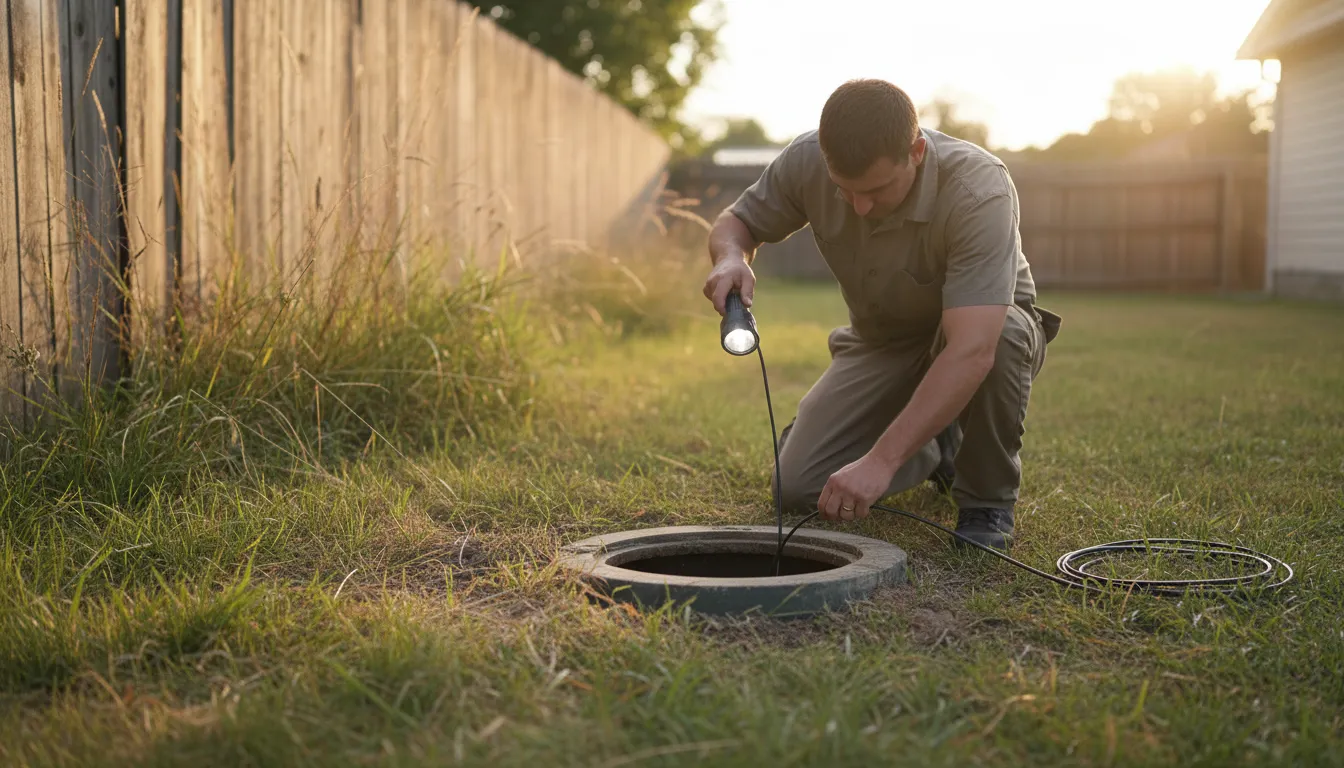
Find the Best Septic Tank Inspection Companies for Your Business
No obligation • Fast responses • Nationwide coverage

Why you can trust Septic Spot
Septic Spot is a leading United States resource for understanding and comparing septic services. Our editors review providers using consistent criteria and verify key business details. Listings and scores are independent, and companies cannot pay to influence our content.
Search providers near you
Top Septic Tank Inspection Companies in Los Angeles, California Ranked
A septic tank inspection is a critical evaluation of your onsite wastewater treatment system's health and functionality. In Los Angeles, where many homes rely on septic systems instead of municipal sewer lines, these assessments are vital for protecting your property value, ensuring public health, and preventing environmental contamination. This guide will help you understand the local requirements, the inspection process, and how to find qualified professionals to evaluate your system.
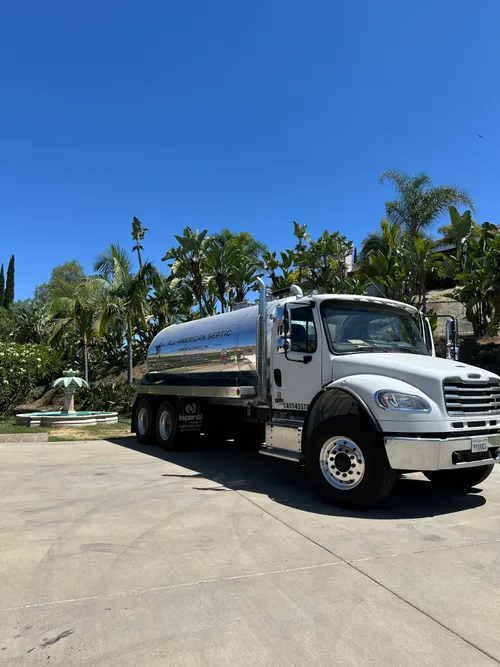
All-American Septic Pumping & Services, Inc
29105 Valley Center Rd Suite 115, Valley Center, CA 92082
All-American Septic Pumping & Services, Inc provides septic tank pumping, inspection, and repair services in Los Angeles, CA. They assist with maintaining and repairing septic systems to ensure proper function and compliance with local standards. Customers can conveniently book appointments online.
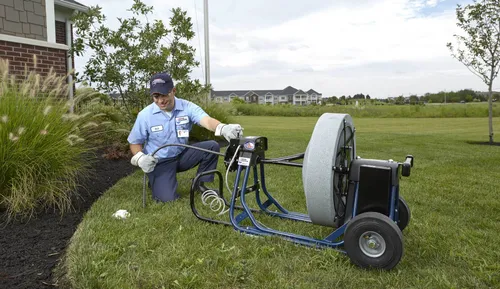
Roto-Rooter Plumbers and Septic Service
17208 Main St Unit A, Hesperia, CA 92345
Roto-Rooter Plumbers and Septic Service offers a wide range of plumbing and septic services in Los Angeles, CA. Their expertise includes septic tank pumping, inspection, and repair, along with plumbing repairs and installations tailored to local conditions such as hard water and temperature fluctuations. With over 90 years of experience, they provide advanced services like hydro jetting for drain cleaning and water leak detection using modern technology. The company also offers 24/7 emergency services to address urgent plumbing needs.
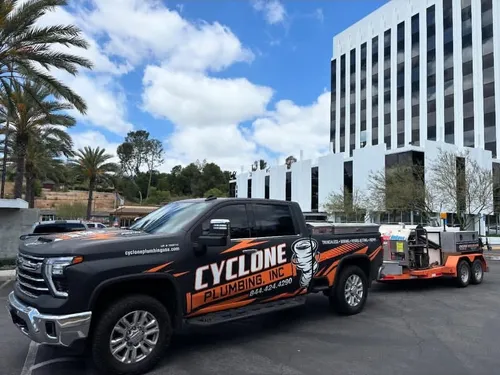
Cyclone Plumbing USA
1440 N Harbor Blvd suite 840, Fullerton, CA 92835
Cyclone Plumbing USA is a plumbing company based in Fullerton, CA, serving homes and businesses throughout Orange County. They offer a wide range of plumbing services, including septic tank inspection and septic system repair, as well as drain cleaning, hydro jetting, water heater installation, and leak detection. The company uses advanced equipment such as sewer cameras to diagnose issues and provides same-day repairs when needed. Cyclone Plumbing USA operates 24/7, offering emergency plumbing services at any time. The team at Cyclone Plumbing USA consists of licensed and insured professionals with years of hands-on experience. They emphasize transparency and fair pricing while delivering quality workmanship. Their commitment to customer satisfaction and comprehensive maintenance plans helps prevent costly repairs and ensures plumbing systems function efficiently.
Rooter Man Plumbing of Orange
521 W Katella Ave, Orange, CA 92867
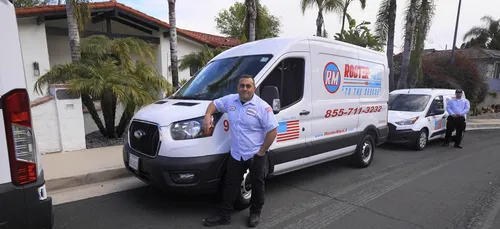
Rooter Man Plumbing of Orange provides septic tank pumping and inspection services in Santa Ana, CA. They offer a wide range of plumbing solutions including emergency repairs, drain cleaning, sewer line replacement, and hydro jetting. The company is equipped to handle both residential and commercial plumbing needs with capabilities such as leak detection and water heater maintenance. Emergency plumbing services are available 24/7 to address urgent issues at any time.
Advanced Sanitation - Septic Tank Pumping, Installation & Repair Ventura County
3379 Somis Rd Unit E, Somis, CA 93066
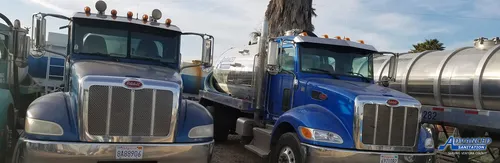
Advanced Sanitation - Septic Tank Pumping, Installation & Repair Ventura County provides septic system services in Los Angeles, CA, and surrounding areas including Ventura County and nearby cities. They offer septic tank pumping, installation, inspection, and repairs, as well as grease trap maintenance. The company uses modern equipment such as advanced camera technology for system inspections and works with registered geological engineers for septic system design and installation. With over 30 years of experience, Advanced Sanitation serves both residential and commercial clients and offers flexible hours to accommodate business schedules.
Why Septic System Inspections Are Crucial in Los Angeles
Los Angeles County has specific regulations governing onsite wastewater systems to protect groundwater and public health. Regular septic system evaluations are not just a good idea-they are often a legal requirement, especially during a property sale. The Los Angeles County Department of Public Health and the LA Department of Building and Safety (LADBS) oversee these rules, mandating that systems function properly to prevent failures that can lead to costly cleanups and health hazards 1. An inspection provides peace of mind, confirming that your system is processing household waste safely and efficiently.
Common Scenarios Requiring a Septic Inspection
Understanding when you need a system check can save you from regulatory headaches and expensive emergencies.
- Property Transactions: This is the most common trigger. California law and local regulations frequently require a formal septic system certification (often called a C-42 Certification) during the sale of a home. This inspection assures the buyer that the system is in good working order.
- Routine Maintenance: Even without a sale, experts recommend a professional evaluation every 1 to 3 years. The maximum recommended interval between full inspections is 3 to 5 years, which aligns with the typical pumping schedule.
- Warning Signs: Don't wait for a scheduled check if you notice problems. Slow drains, gurgling pipes, sewage odors inside or outside the home, or persistently soggy, bright green patches in your yard are all red flags that demand an immediate inspection 2.
The Septic Inspection Process: What to Expect
A thorough septic tank assessment is a multi-step procedure conducted by a licensed professional. Here's what typically happens during a comprehensive evaluation.
1. System Location and Access
The inspector will first locate all components of your septic system, including the tank, distribution box, and leach field (or seepage pits). If the tank lids are buried, they will need to be excavated, which may involve an additional fee.
2. Tank Interior Evaluation
This is the core of the inspection. The inspector will:
- Measure Sludge and Scum Levels: Using specialized tools, they measure the depth of solids (sludge) and floating materials (scum). This determines if the tank needs to be pumped immediately to prevent solids from flowing into and clogging the drainfield.
- Check Structural Integrity: The tank walls, baffles, and lids are inspected for cracks, corrosion, or root intrusion that could compromise the system.
- Inspect Baffles: The inlet and outlet baffles are crucial for controlling the flow of wastewater. The inspector ensures they are intact and securely in place to prevent blockages 3.
3. Drainfield and Hydraulic Testing
The inspection extends beyond the tank itself.
- Drainfield Assessment: The inspector examines the area over your leach lines for signs of failure, such as surfacing sewage, overly soggy soil, or unusual vegetative growth 4.
- Hydraulic Load Test: In some cases, especially for real estate certifications, the inspector may perform a test by running a significant amount of water into the system to see how well the drainfield absorbs and disperses the flow.
Find the perfect septic tank inspection companies for your needs
Get personalized recommendations and expert advice
Understanding Costs for Septic Inspections in LA
The price of a septic system check-up in Los Angeles varies based on the inspection's depth and any additional services required.
- Standard Inspection: A basic visual and measurement inspection typically ranges from $400 to $700 5.
- Inspection with Pumping: Many homeowners opt for a combined service. Inspecting and pumping the tank together usually costs between $700 and $1,200 or more, depending on tank size 6.
- Certification for Real Estate: The formal C-42 Certification required for a property sale is often more detailed and can be at the higher end of the price range, sometimes exceeding $900 7 8.
- Additional Fees: Be prepared for potential extra charges for locating a buried tank, excavating to access lids, or performing more advanced diagnostic tests 9.
Los Angeles Regulations and Licensing Requirements
Never hire an unqualified person to inspect your septic system. Los Angeles County requires that these evaluations be performed by a properly licensed contractor. The most common relevant licenses are the C-42 (Sanitation System) and C-36 (Plumbing) contractor licenses 10. A licensed professional will understand local codes, know how to properly file any necessary reports with the Department of Public Health, and provide a legally valid certification for real estate transactions 11.
Maintaining Your System Between Inspections
A good inspection report is a snapshot of your system's health. To keep it functioning well, practice smart maintenance:
- Pump Regularly: Even with careful use, tanks fill with solids. The universal recommendation for Los Angeles County is to pump your septic tank every 3 to 5 years to prevent drainfield failure 12.
- Conserve Water: Reducing overall water flow into the tank gives solids more time to settle and prevents overloading the drainfield.
- Mind What You Flush: Only human waste and toilet paper should go down the drain. Avoid chemicals, grease, diapers, and wipes (even those labeled "flushable"), as they can destroy the bacterial balance and clog the system.
Frequently asked questions
Sources
Footnotes
-
ONSITE WASTEWATER TREATMENT SYSTEM (OWTS) - LADBS - https://dbs.lacity.gov/sites/default/files/efs/forms/pc17/IB-P-BC-2023-027-OWTS-.pdf ↩
-
How Often To Pump Your Septic Tank: A Simple Guide For San Gabriel Valley Homes - https://westernrooter.com/how-often-to-pump-your-septic-tank-a-simple-guide-for-san-gabriel-valley-homes/ ↩
-
Septic System Inspections in Los Angeles, CA | SewerMan - https://sewerman.com/los-angeles/services/oil-to-gas-conversions/ ↩
-
Septic Tank Certification: What California Homeowners Need to Know - https://www.kgriverside.com/trending/septic-tank-certification-what-california-homeowners-need-to-know ↩
-
Septic Tank Testing & Inspection | What to Expect Guide | Blog - https://www.blueribbonseptic.com/blog/septic-tank-testing-and-inspection ↩
-
The Californian's Guide To Septic Tanks - https://cacciaplumbing.com/blog/california-septic-tank-guide/ ↩
-
Los Angeles Residential C-42 Certification - West Coast Sanitation - https://westcoastsanitationinc.com/los-angeles-residential-c-42-certification/ ↩
-
what is septic inspection? | ProSpect Inspection Services - https://gopro-spect.com/what-is-a-septic-inspection/ ↩
-
Septic Inspection Process: What Homeowners Should Know | LunsPro - https://www.lunspro.com/vlog/the-septic-system-inspection-process-what-homeowners-should-know ↩
-
California Septic License & Certification | 2024 Contractor Guide - https://www.servicetitan.com/licensing/septic/california ↩
-
Point of Sale Septic Inspections: What to Expect - https://westcoastsanitationinc.com/point-of-sale-septic-inspections-what-to-expect/ ↩
-
Rebuilding a Home with an Existing Septic System - https://recovery.lacounty.gov/rebuilding/septic-systems/ ↩