Find the Best Septic Tank Inspection Companies for Your Business
No obligation • Fast responses • Nationwide coverage

Why you can trust Septic Spot
Septic Spot is a leading United States resource for understanding and comparing septic services. Our editors review providers using consistent criteria and verify key business details. Listings and scores are independent, and companies cannot pay to influence our content.
Search providers near you
Top Septic Tank Inspection Companies in Santa Maria, California Ranked
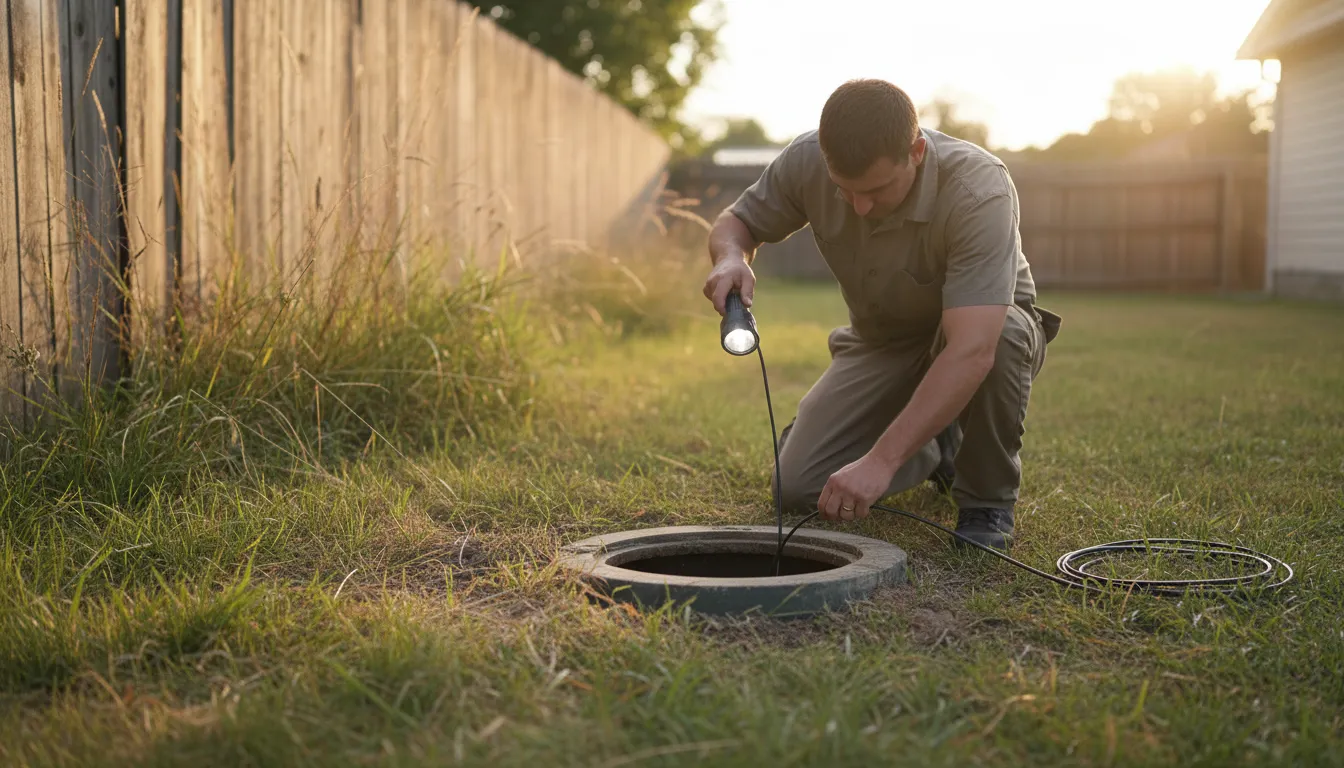
A septic tank inspection is a critical evaluation of your onsite wastewater treatment system to ensure it is functioning safely and legally. In Santa Maria, these assessments are vital for protecting your property value, your family's health, and the local groundwater. This guide will help you understand the process, local requirements, and how to connect with qualified professionals for your system evaluation.
Clay's Septic & Jetting Inc
867 Guadalupe St, Guadalupe, CA 93434
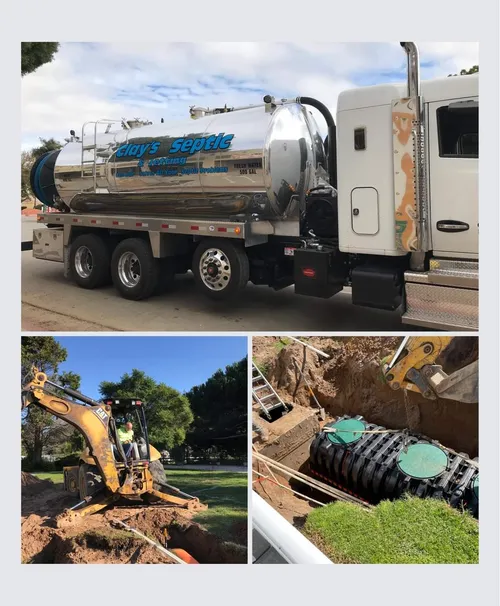
Clay's Septic & Jetting Inc is a septic tank pumping and inspection company based in Santa Maria, CA. Serving Santa Barbara and San Luis Obispo Counties, the company offers a range of services including residential and commercial septic tank pumping, grease trap pumping, winery waste management, and car wash sediment trap pumping. They also provide full escrow inspections, county verifications, and sewer video inspections to diagnose and locate issues in hard-to-reach areas. Established in 1987, Clay's Septic & Jetting Inc has over three decades of experience and offers 24/7 emergency service with same-day availability.
SLO septic pumping
858 Primrose Ln, Nipomo, CA 93444
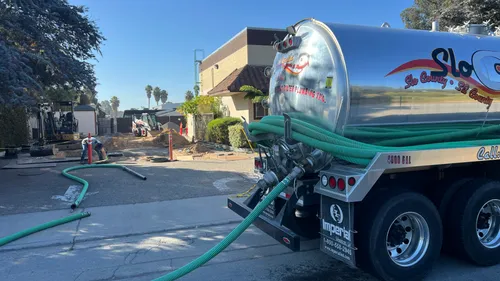
SLO Septic Pumping is a septic tank pumping and inspection company serving Santa Maria, CA, and the surrounding San Luis Obispo County including Paso Robles, Atascadero, Nipomo, and Arroyo Grande. They provide residential and commercial septic services with fully equipped trucks for septic pumping and sewer jetting. Their capabilities include high-pressure sewer jetting to clear roots, grease, and buildup, as well as preventive maintenance and inspections to help avoid system failures. The company offers 24-hour service and is licensed and insured.
Clay's Septic & Jetting Inc
Santa Maria, CA
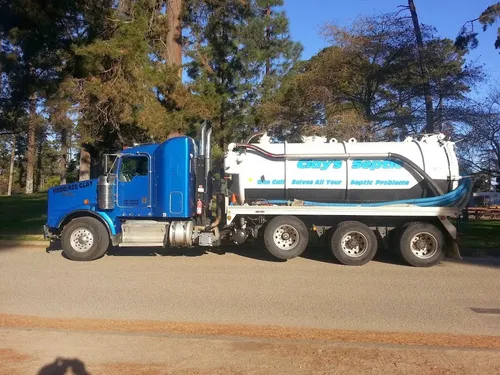
Clay's Septic & Jetting Inc is a septic tank pumping and inspection company based in Santa Maria, CA. Serving Santa Barbara and San Luis Obispo Counties since 1987, they provide residential and commercial septic tank pumping, grease trap pumping, and sewer video inspections. Their capabilities include using cameras to diagnose issues in hard-to-reach places and offering custom septic maintenance programs. The company also offers 24/7 emergency service with same-day availability.
Why Septic System Inspections Are Essential in Santa Maria
For homes not connected to a municipal sewer line, the septic system is a private wastewater treatment plant. A thorough septic inspection is the primary way to verify this system is not failing, which could lead to costly property damage, environmental contamination, and public health hazards. In Santa Barbara County, which includes Santa Maria, these evaluations are often mandated during property sales to satisfy lender requirements and ensure compliance with state and local codes 1 2. Even outside of a real estate transaction, regular inspections every 1-3 years are a cornerstone of responsible homeownership, helping to catch minor issues before they become major, expensive repairs 1 3.
Local Regulations and Oversight
Septic systems in Santa Maria are regulated by the Santa Barbara County Environmental Health Services (EHS). This department enforces California's Onsite Wastewater Treatment System (OWTS) policies, which set the standards for system performance, siting, and maintenance. Key compliance points include maintaining a minimum of five feet of separation between the system components and the groundwater table and ensuring the soil has adequate percolation for proper wastewater treatment. An official inspection provides documentation that your system meets these standards, which is crucial for obtaining permits for repairs or upgrades.
The Point-of-Sale Inspection
One of the most common triggers for a septic system evaluation is the sale of a home. Most mortgage lenders will require a certified inspection report before finalizing a loan on a property with a septic system. This protects the buyer from inheriting a failing system and gives the seller a chance to address any issues upfront. A clean inspection report can significantly smooth the real estate transaction process in Santa Maria.
What a Comprehensive Inspection Involves
A professional septic tank inspection is a multi-step process that goes far beyond just looking at the tank. Here's what you can expect a qualified inspector to do:
1. Locating and Uncovering the System: The inspector will first locate the septic tank and drain field. Modern systems should have accessible risers to the tank lids; if not, the lids must be excavated.
2. Evaluating Tank Contents and Structure: The access covers are removed so the inspector can measure the levels of sludge and scum inside the tank. This determines if immediate pumping is necessary. The tank's interior and exterior are also checked for cracks, leaks, and overall structural integrity to ensure it is watertight.
3. Checking Critical Components: The inlet and outlet baffles (or tees) are inspected. These devices are essential for preventing solids from flowing out of the tank and into the drain field, where they can cause clogging and system failure 4.
4. Assessing the Drain Field: This is a key part of the inspection. The inspector will examine the area over the leach field for telltale signs of failure, such as soggy soil, standing wastewater, or unusually lush and dark green grass 5.
5. Performing a Functional Check: Often, the inspector will run water through the household plumbing to check the system's drainage capacity and observe how quickly water enters and exits the septic tank 6 7.
6. Pumping for a Full Assessment: In many cases, especially for point-of-sale inspections, the tank will be pumped out. This allows for a complete visual inspection of the tank's interior walls and bottom and is considered a best practice for a thorough evaluation.
Find the perfect septic tank inspection companies for your needs
Get personalized recommendations and expert advice
Understanding Inspection Costs
The cost of a septic inspection in Santa Maria can vary based on the depth of the evaluation and whether pumping is included. A basic visual inspection might range from approximately $100 to $250. However, a full inspection that includes pumping the tank typically ranges from $300 to $700 or more, with the final price depending on the tank size, its accessibility, and the service provider 8 9 10. While this is an investment, it is minor compared to the cost of repairing or replacing a failed drain field.
Choosing a Qualified Inspection Professional
When selecting a provider for your septic system evaluation, look for licensed, experienced professionals familiar with Santa Barbara County's specific regulations. They should be able to provide a detailed report that can be submitted to the County Environmental Health Services if needed. Ask if their service includes a certification of compliance, which is often the required deliverable for real estate transactions 11.
Maintaining Your System Post-Inspection
An inspection is a snapshot of your system's health. To maintain that health, follow the inspector's recommendations, which will likely include a regular pumping schedule (typically every 3-5 years for an average household), conserving water to avoid overloading the system, and being mindful of what you flush or pour down the drain. Proper maintenance extends the life of your system and helps prevent emergencies.
Frequently asked questions
Sources
Footnotes
-
How Often Should You Have Your Septic Tank Checked? - https://www.drsepticsd.com/news/how-often-should-you-have-your-septic-tank-checked/ ↩ ↩2
-
Frequent Questions on Septic Systems | US EPA - https://www.epa.gov/septic/frequent-questions-septic-systems ↩
-
The Californian's Guide To Septic Tanks - https://cacciaplumbing.com/blog/california-septic-tank-guide/ ↩
-
Maintaining your Septic System A Guide for Homeowners - https://www.ihs.gov/california/tasks/sites/default/assets/File/SFC-MaintainingYourSepticSystemGuide.pdf ↩
-
Septic Inspections - Required by the Deptartment of Health - https://jupiterseptic.com/septic-inspections/ ↩
-
What Is a Septic Inspection? Everything Homeowners Need to Know - https://www.redfin.com/blog/what-you-need-to-know-about-septic-inspections/ ↩
-
What Does a Septic Inspection Entail? - HomeLight - https://www.homelight.com/blog/septic-inspection/ ↩
-
Point of Sale Septic Inspections: What to Expect - https://westcoastsanitationinc.com/point-of-sale-septic-inspections-what-to-expect/ ↩
-
Exploring the Costs of Septic Tank Inspections: What to Expect - https://www.theflushfellas.com/exploring-the-costs-of-septic-tank-inspections-what-to-expect ↩
-
Understanding Septic Tank Inspections: A Complete Homeowner's Guide to the Process - https://septic-masters.com/septic-tank-inspection-homeowner-guide/ ↩
-
Residential Septic Tank Inspection Services | Full Septic Tank Certification from - https://moonseptic.com/residential-septic-tank-inspection-certification/ ↩