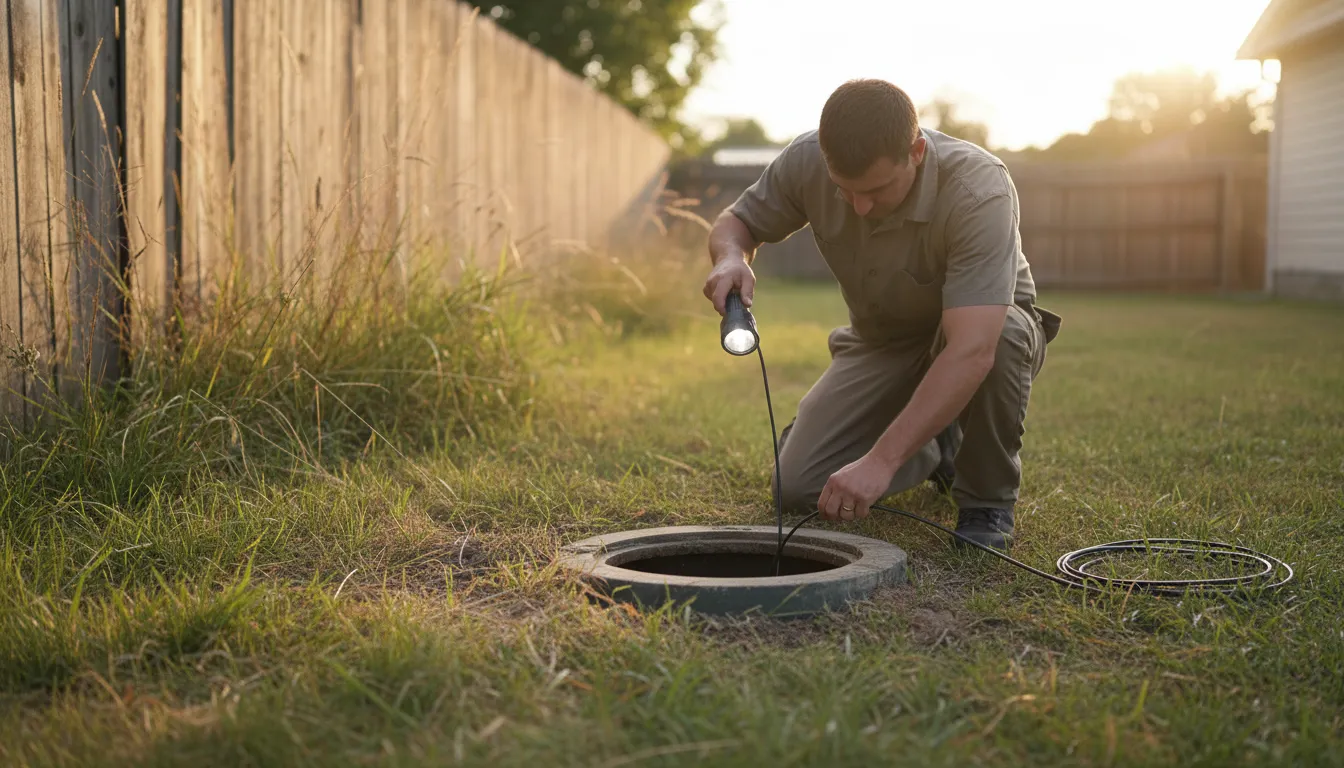
Find the Best Septic Tank Inspection Companies for Your Business
No obligation • Fast responses • Nationwide coverage

Why you can trust Septic Spot
Septic Spot is a leading United States resource for understanding and comparing septic services. Our editors review providers using consistent criteria and verify key business details. Listings and scores are independent, and companies cannot pay to influence our content.
Search providers near you
Top Septic Tank Inspection Companies in Bellflower, California Ranked
A professional septic tank inspection is a critical evaluation of your onsite wastewater treatment system's health and functionality. For Bellflower homeowners, these assessments are not just about routine maintenance; they are often a legal requirement tied to property transfers, major renovations, and county compliance. Understanding the process, local regulations, and what inspectors look for can help you protect your property value, avoid environmental hazards, and ensure your system operates safely for years to come. This guide will help you navigate the specifics of septic system evaluations in Bellflower and connect with qualified local professionals.
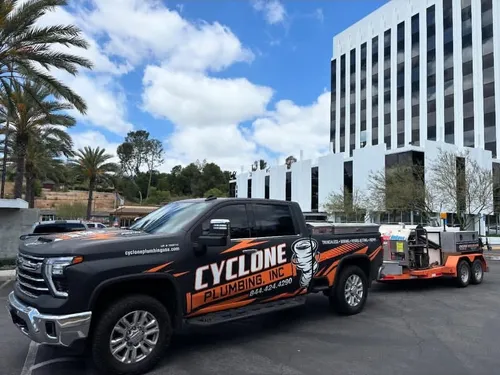
Cyclone Plumbing USA
1440 N Harbor Blvd suite 840, Fullerton, CA 92835
Cyclone Plumbing USA is a plumbing company based in Fullerton, CA, serving homes and businesses throughout Orange County. They offer a wide range of plumbing services, including septic tank inspection and septic system repair, as well as drain cleaning, hydro jetting, water heater installation, and leak detection. The company uses advanced equipment such as sewer cameras to diagnose issues and provides same-day repairs when needed. Cyclone Plumbing USA operates 24/7, offering emergency plumbing services at any time. The team at Cyclone Plumbing USA consists of licensed and insured professionals with years of hands-on experience. They emphasize transparency and fair pricing while delivering quality workmanship. Their commitment to customer satisfaction and comprehensive maintenance plans helps prevent costly repairs and ensures plumbing systems function efficiently.
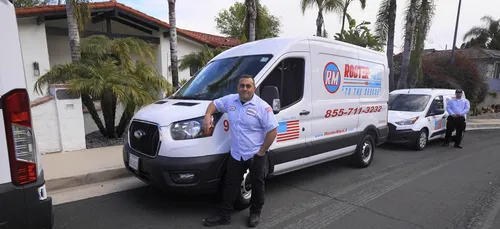
Rooter Man Plumbing of Orange
521 W Katella Ave, Orange, CA 92867
Rooter Man Plumbing of Orange provides septic tank pumping and inspection services in Santa Ana, CA. They offer a wide range of plumbing solutions including emergency repairs, drain cleaning, sewer line replacement, and hydro jetting. The company is equipped to handle both residential and commercial plumbing needs with capabilities such as leak detection and water heater maintenance. Emergency plumbing services are available 24/7 to address urgent issues at any time.
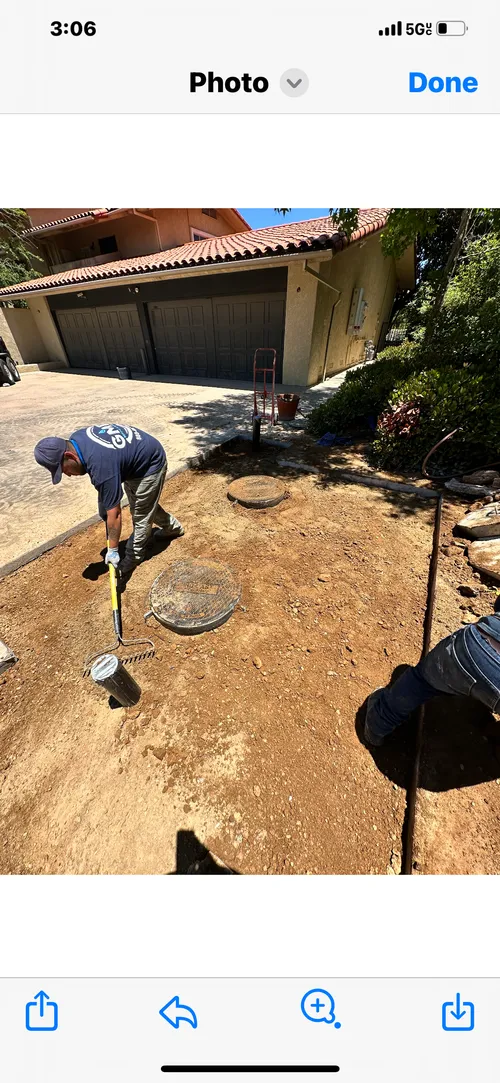
GMP Septic And Sewer
20 Surrey Ln, Rancho Palos Verdes, CA 90275
GMP Septic And Sewer provides a full range of septic services in Los Angeles, CA, including septic tank pumping, cleaning, inspections, repairs, installations, and system upgrades. They handle new construction, remodels, and replacements, ensuring systems are tailored to property needs. The company offers 24/7 emergency services for urgent septic system repairs. Their expertise covers diagnosing leaks, replacing damaged components, and maintaining system performance through regular maintenance and thorough inspections.
Septic Tank Pumping Rode Inc
14648 Sylvan St suite 107, Van Nuys, CA 91411
Septic Tank Pumping Rode Inc provides septic tank pumping and inspection services in Los Angeles, CA. They offer a full range of solutions including emergency pumping, routine maintenance, and detailed system inspections to maintain septic system health and environmental safety. Their certified technicians use advanced pumping technology to deliver efficient waste removal and thorough system care, suitable for medium to large properties. The company emphasizes compliance with local standards and offers 24/7 emergency response to address urgent septic issues promptly.

Rooter Man Plumbing of Los Angeles
3026 Kester Ave, Los Angeles, CA 91405
Rooter Man Plumbing of Los Angeles provides a range of plumbing services in Los Angeles, CA, including septic tank inspections, routine maintenance, and emergency repairs. They serve residential and commercial clients, offering specialized capabilities such as hydro jet drain cleaning, trenchless sewer repair, and advanced leak detection using thermal imaging and acoustic devices. The company supports high-rise and multi-unit buildings and is available 24/7 for plumbing emergencies across the city.
Understanding Los Angeles County Septic System Regulations
In Bellflower, septic system oversight falls under the Los Angeles County Department of Public Health (DPH) and its Local Agency Management Program (LAMP) for Onsite Wastewater Treatment Systems (OWTS) 1. These regulations are designed to protect public health and groundwater quality. Key county mandates that directly impact homeowners include:
- Mandatory Evaluations: A professional evaluation is required for systems older than 15 years or for any system without prior approval records on file with the county.
- Point-of-Sale Inspections: A septic system inspection is compulsory during real estate transactions. This ensures the system is functioning properly before the property changes hands 2.
- Property Improvement Triggers: Any project that increases potential wastewater flow-such as adding a bedroom, an Accessory Dwelling Unit (ADU), or a permanent structure like a swimming pool-requires a county plan review. This process may reveal that an older, non-conforming system needs to be upgraded to meet current standards 3 4.
- Sewer Availability: The county will not issue permits for new septic systems or major repairs if a public sewer line is available within 200 linear feet of the building.
Who Can Perform a Legitimate Inspection in Bellflower?
Not every handyman or plumber is qualified. Los Angeles County requires that septic system inspections and evaluations be conducted by a licensed professional. Acceptable credentials typically include a Class A General Engineering Contractor's license, a C-36 Plumbing license, or a C-42 Sanitation System contractor's license 5. Hiring a properly licensed professional ensures the inspection report will be accepted by the county for permitting or compliance purposes and that the assessment meets technical standards.
The Standard Septic Inspection Process: What to Expect
A thorough septic system evaluation by a qualified professional typically takes 1 to 2 hours and follows a detailed, multi-step procedure.
1. Pre-Inspection Preparation
The inspector will often ask you about your system's history, such as the last pumping date, and may request that you have water available for flow testing. They will also need clear access to the area where your tank and drain field are located.
2. Locating and Uncovering the System
The first task on-site is to locate the septic tank and its access lids. Tanks are usually buried 5 to 25 feet from the home. The inspector will then excavate to uncover the manhole and inspection port lids.
3. Visual Site Assessment
Before opening the tank, the inspector surveys the yard. They look for warning signs like:
- Foul odors near the tank or drain field.
- Soggy, spongy, or overly lush grass over the system components.
- Standing wastewater or sewage pooling on the ground surface. These are strong indicators of potential leaks or drain field failure.
4. Tank Interior Examination
This is the core of the inspection. The lids are removed, and the inspector will:
- Measure Sludge and Scum Layers: Using specialized tools, they measure the depth of the sludge layer at the bottom and the scum layer at the top. A common rule is that pumping is recommended if the sludge depth equals one-third of the liquid depth in the tank 6.
- Inspect Structural Integrity: They check the tank's interior walls, baffles (inlet and outlet), and the sanitary tee for cracks, corrosion, or damage.
- Check Effluent Filters: If present, the filter is removed and cleaned to ensure it is not clogged and is functioning properly 7 8.
5. Hydraulic and Dye Testing
To check the system's functionality, the inspector may perform a flow test by running multiple fixtures in the home simultaneously to see if wastewater moves into the tank properly. A dye test may also be used, where non-staining dye is flushed into the system to verify it reaches the tank and does not surface in the drain field, which would indicate a failure 9 10.
6. Detailed Reporting
A professional inspection concludes with a comprehensive written report. This document should detail all findings, note any existing or potential problems, assess the system's overall condition, and provide clear recommendations for any necessary maintenance, pumping, or repairs 11 12.
Find the perfect septic tank inspection companies for your needs
Get personalized recommendations and expert advice
Recommended Inspection Frequency and Maintenance
While Los Angeles County mandates inspections for specific triggers, proactive maintenance is crucial for system longevity. The U.S. Environmental Protection Agency (EPA) and the county recommend having your system inspected at least every three years 13 14. However, for households with five or more residents, or those that use garbage disposals frequently, an annual inspection is a wise precaution due to the increased wastewater load 15 14. Regular pumping, typically every 3-5 years depending on usage, should be part of your maintenance plan following the inspector's guidance.
Cost Factors for Septic Inspections in Bellflower
The cost of a septic system evaluation can vary. Key factors influencing the price include:
- Tank Size and Accessibility: Larger tanks or those with deeply buried lids that require more excavation time may cost more to inspect.
- Scope of Service: A basic visual inspection costs less than a full evaluation that includes hydraulic load tests, dye testing, and a detailed report for county submission.
- Bundling Services: Many companies offer discounted rates if you bundle an inspection with a routine tank pumping service.
While specific pricing should be obtained from local providers, understanding these factors helps in comparing estimates. Always ensure the quote clearly states what is included and confirms the inspector's license type.
Choosing a Local Septic Inspection Professional
Bellflower and the surrounding Los Angeles County area are served by several experienced septic service companies. When selecting a provider, verify their California contractor license (C-42, C-36, or Class A). Look for companies with strong local reputations, clear communication, and a commitment to following county health department protocols. Services you can find locally range from scheduled maintenance and point-of-sale inspections to 24/7 emergency response for suspected system failures.
Frequently asked questions
Sources
Footnotes
-
NEW ORDINANCE ADOPTED - Local Agency Management Program - http://publichealth.lacounty.gov/eh/docs/about/ordinance-adopted-local-agency-management-program.pdf ↩
-
Point of Sale Septic Inspections: What to Expect - https://westcoastsanitationinc.com/point-of-sale-septic-inspections-what-to-expect/ ↩
-
Rebuilding a Home with an Existing Septic System - https://recovery.lacounty.gov/rebuilding/septic-systems/ ↩
-
homeowners-guide-eh-review-septic-system. ... - http://www.publichealth.lacounty.gov/eh/docs/business/homeowners-guide-eh-review-septic-system.pdf ↩
-
Onsite Wastewater Treatment System in Los Angeles County - http://www.publichealth.lacounty.gov/eh/business/septic-systems.htm ↩
-
Pumping and Inspecting Your System - Indian Health Service (IHS) - https://www.ihs.gov/california/index.cfm/offices/oehe/dsfc/drinking-water-and-sanitation/maintaining-your-septic-system-guide/pumping-and-inspecting-your-system/ ↩
-
How Much Does a Septic System Inspection Cost? [2025 Data] - https://www.homeadvisor.com/cost/plumbing/septic-inspection-cost/ ↩
-
Septic System Inspection and Maintenance - https://www.youtube.com/watch?v=uzksFrBBlzM&t=36 ↩
-
Septic Tank Testing & Inspection | What to Expect Guide | Blog - https://www.blueribbonseptic.com/blog/septic-tank-testing-and-inspection ↩
-
A Complete Homeowner's Guide to the Process - Septic Masters - https://septic-masters.com/septic-tank-inspection-homeowner-guide/ ↩
-
Preparing for Septic Tank Inspection: 7 Key Steps - https://septic911.com/preparing-for-septic-tank-inspection/ ↩
-
What Is a Septic Inspection? Everything Homeowners Need to Know - https://www.redfin.com/blog/what-you-need-to-know-about-septic-inspections/ ↩
-
How to Care for Your Septic System | US EPA - https://www.epa.gov/septic/how-care-your-septic-system ↩
-
How Often Should You Have Your Septic Tank Checked? - https://www.drsepticsd.com/news/how-often-should-you-have-your-septic-tank-checked/ ↩ ↩2
-
Care for Your Septic System - County of Los Angeles Public Health - http://www.publichealth.lacounty.gov/eh/docs/business/how-to-care-septic-system.pdf ↩