Find the Best Septic Tank Inspection Companies for Your Business
No obligation • Fast responses • Nationwide coverage

Why you can trust Septic Spot
Septic Spot is a leading United States resource for understanding and comparing septic services. Our editors review providers using consistent criteria and verify key business details. Listings and scores are independent, and companies cannot pay to influence our content.
Search providers near you
Top Septic Tank Inspection Companies in Brentwood, California Ranked
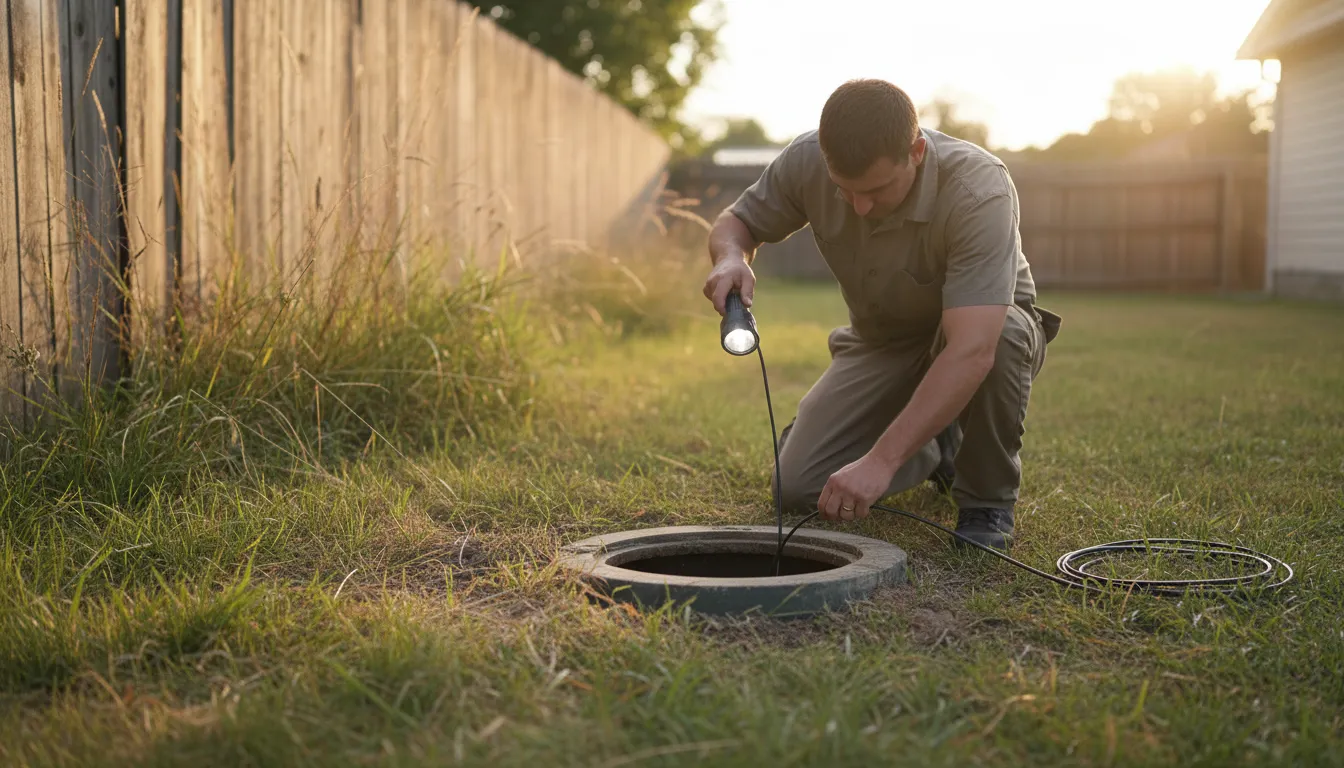
A septic tank inspection is a critical evaluation of your onsite wastewater treatment system to ensure it is functioning safely and efficiently. For Brentwood homeowners, these assessments are not just about maintenance-they are often a legal requirement for property transfers and are essential for protecting your property value and the local environment. This guide provides detailed information on the process, regulations, and costs of septic system evaluations in Brentwood, helping you understand what to expect and how to connect with qualified local professionals.
Castle Pumping and Plumbing Services
San Jose, CA
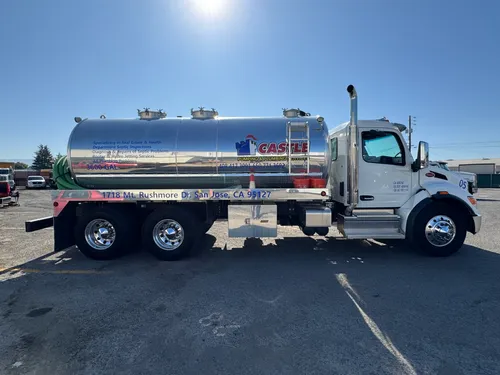
Castle Pumping and Plumbing Services is a locally owned company based in San Jose, CA, offering comprehensive septic system services including pumping, inspections, repairs, and installations. With over 32 years of experience, they serve residential and commercial properties in the San Jose area. Their expertise includes locating septic tanks, performing detailed inspections of tank components, and specialized outflow line exploration to diagnose backups without unnecessary replacements. The company uses advanced equipment and techniques to maintain and repair septic systems, ensuring long-lasting functionality.
AAA Septic Inc.
10583 S Airport Way, Manteca, CA 95336
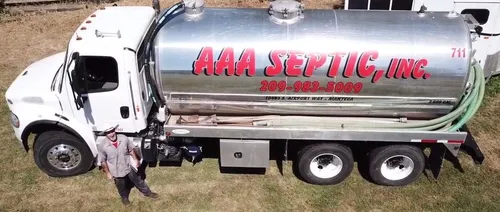
AAA Septic Inc. provides septic tank pumping and inspection services in Stockton, CA. They offer regular septic pumping to help maintain system efficiency and prevent backups, with advice tailored to household size and water use. Their services include locating and cleaning septic tanks, inspecting for damage, and installing septic risers for easier maintenance access. These capabilities help extend the life of septic systems and improve safety during yard activities.
Williams Sanitary Service Inc
Oakland, CA
Williams Sanitary Service Inc is a family-owned septic system company serving Oakland, CA, and surrounding areas since 1950. They provide a full range of septic services including pumping, inspection, repair, and installation for both residential and commercial clients. The company also offers general plumbing services such as drain cleaning and water heater repair. Williams Sanitary Service Inc is equipped to handle all sizes of septic jobs across Contra Costa and Alameda Counties and offers 24/7 service availability.
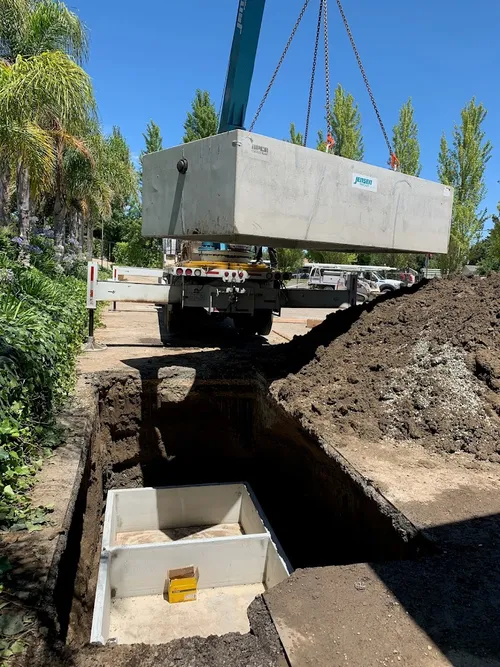
Central Valley Septic Backhoe & Drilling
3746 Fourteen Mile Dr, Stockton, CA 95219
Central Valley Septic Backhoe & Drilling is a septic system contractor serving Stockton, CA, and the surrounding Northern California region. Established in 1992, the company provides residential and commercial septic services including tank installation, pumping, inspection, system repair, and leach line repair. They also offer foundation drilling and backhoe services for various construction needs. Their expertise includes designing and installing septic systems that comply with San Joaquin and Sacramento county codes as well as California state regulations.

Clark's Septic Services
Manteca, CA 95336
Clark's Septic Services is a family-owned company providing septic tank pumping and inspection services in San Jose, CA. They serve residential, commercial, and industrial customers across Stanislaus and San Joaquin counties. The company operates three pump trucks to ensure timely septic tank cleaning, grease trap maintenance, and sewer lift station services. Their certified specialists also offer septic system inspections for real estate transactions. Clark's Septic Services safely disposes of waste at licensed facilities and provides emergency service when needed.
Understanding Septic System Inspections
A septic system inspection, sometimes called a septic evaluation or assessment, is a thorough examination of all components of your onsite wastewater system. This includes the tank itself, the inlet and outlet baffles, the distribution box, and the drain field (or leach field). The primary goal is to identify any existing problems, potential failures, or maintenance needs before they become expensive emergencies. Regular inspections are a cornerstone of responsible homeownership for those not connected to municipal sewer lines.
In Contra Costa County, which includes Brentwood, these systems are governed by state and local Onsite Wastewater Treatment Systems (OWTS) policies. Adhering to these rules through professional evaluations helps prevent groundwater contamination, protects public health, and extends the life of your system.
Why Inspections Are Crucial in Brentwood
Several factors make regular septic tank check-ups particularly important for Brentwood residents:
- Property Transfers: California law mandates a septic system inspection before the transfer of property ownership. This "point-of-sale" inspection is a standard part of real estate transactions and must be performed by a licensed professional. A clean inspection report can facilitate a smooth sale, while identifying issues allows for negotiations or necessary repairs before closing.
- Environmental Protection: Properly functioning systems treat wastewater and filter out contaminants. A failing system can leak untreated sewage into the soil and groundwater, posing risks to local waterways and community health.
- Cost Savings: The cost of a routine inspection ($150 to $600) is minimal compared to the price of a full system replacement, which can range from $3,000 to over $10,000. Identifying a clogged baffle or excessive sludge early can prevent drain field failure, which is the most costly component to repair.
Local Regulations and Inspection Frequency
Brentwood's septic systems fall under the jurisdiction of Contra Costa Health Services (CCHS). Homeowners should be aware of the following key regulations:
- Mandatory Inspection Schedule: While guidelines suggest an inspection every 1 to 3 years, the most critical mandated inspection occurs during a property sale. It's wise to check with CCHS to confirm if a specific, county-licensed professional is required for your inspection report.
- Permitting: Any major repairs, modifications, or replacements to your septic system require permits from the Contra Costa County Environmental Health Division 1. A professional inspection will clarify if any work needs to be permitted.
- System Maintenance: Regular pumping is a related and vital requirement. While inspection frequency is 1-3 years, pumping is typically needed every 3 to 5 years, depending on household size and usage. An inspection will measure sludge and scum levels to determine if pumping is immediately necessary.
What a Comprehensive Inspection Involves
A full septic system evaluation is a multi-step process conducted by a trained specialist. Here's what you can expect during a typical inspection in Brentwood:
- Locating and Exposing the Tank: The inspector will locate the tank and dig up the access lids. This is the first step in any hands-on assessment.
- Checking Liquid Levels: The inspector ensures the liquid level inside the tank is normal-not too high (indicating an outlet blockage) or too low (suggesting a leak).
- Measuring Scum and Sludge: Using specialized tools, the inspector measures the layers of scum (floating solids) and sludge (settled solids). This determines the tank's pumping needs and overall health 2.
- Assessing Baffles and Tees: The inlet and outlet baffles (or tees) are checked for integrity. Their job is to prevent solids from flowing out of the tank and into the drain field, so damage here is a serious concern 3.
- Hydraulic Load Test: The inspector may run all household water sources (faucets, showers, toilets) simultaneously to "load" the system. This tests the drain field's ability to absorb and disperse the effluent. They monitor for slow drainage or backups, which signal drain field problems 4 5.
- Drain Field Evaluation: The inspector walks the drain field area looking for visual signs of failure. These include soggy or spongy ground, foul odors, or unusually lush and green grass over the field lines.
- Detailed Reporting: Finally, you will receive a written report detailing the condition of each system component, any issues found, and recommended actions, such as immediate pumping or repairs 6.
Find the perfect septic tank inspection companies for your needs
Get personalized recommendations and expert advice
Costs of Inspection and Pumping in Brentwood
Understanding the potential costs helps homeowners budget for this essential service. Prices can vary based on tank size, accessibility, and the scope of the inspection.
- Inspection Costs: A standard septic tank inspection in Brentwood typically ranges from $150 to $6007. A more complex evaluation for a real estate transaction, which includes a full hydraulic load test and detailed reporting, will be at the higher end of this range.
- Pumping Costs: If the inspection reveals the tank is more than one-third full of sludge, pumping will be recommended. The cost for septic tank pumping in the area generally falls between $250 and $600+, depending on tank capacity (measured in gallons) and the volume of waste to be removed 8 9.
Warning Signs You Need an Inspection Immediately
Don't wait for a scheduled check if you notice any of these red flags. Contact a professional for an inspection right away if you experience:
- Slow Drains or Gurgling Pipes: Sinks, showers, and toilets that drain slowly or make gurgling sounds can indicate a blockage or a full tank.
- Sewage Odors: Unpleasant smells inside your home or around the yard near the tank or drain field.
- Wet Spots in the Yard: Soggy, mushy, or standing water over the drain field, especially when it hasn't rained.
- Unusually Lush Vegetation: Patches of grass that are much greener and grow faster than the rest of the lawn may be fed by nutrient-rich effluent from a leaking pipe.
- Sewage Backup: The most severe sign, where wastewater backs up into household drains.
Addressing these issues promptly after an inspection can prevent a minor repair from turning into a catastrophic system failure.
Maintaining Your System Between Inspections
A good inspection provides a snapshot of your system's health, but daily maintenance determines its long-term viability. Key maintenance tips include:
- Conserve Water: Spread out laundry loads and fix leaky faucets to avoid overwhelming the drain field.
- Mind What You Flush: Only human waste and toilet paper should go down the drain. Avoid flushing wipes (even "flushable" ones), feminine hygiene products, cooking grease, and chemicals.
- Protect the Drain Field: Never park vehicles or build structures over the drain field. Keep roof drains and sump pumps directed away from it.
- Keep Records: Maintain a file of all inspection reports, pumping receipts, and repair records. This is invaluable for troubleshooting and is essential documentation during a home sale.
By scheduling regular professional evaluations and following these maintenance guidelines, you can ensure your Brentwood septic system operates reliably for years to come.
Frequently asked questions
Sources
Footnotes
-
California Septic Tank Requirements | Onsite Wastewater Treatment Systems - https://www.ntotank.com/blog/california-septic-tank-requirements ↩
-
Homeowner's Guide to Septic Systems - Tuolumne County - https://www.tuolumnecounty.ca.gov/DocumentCenter/View/21759/Onsite-System-Care-and-Maintenance ↩
-
What to Expect from a Septic Inspection - https://www.wrenvironmental.com/blog/2023/may/what-to-expect-from-a-septic-inspection/ ↩
-
Septic System Inspections - InterNACHI - https://www.nachi.org/inspecting-septic-systems.htm ↩
-
Buying or Selling a House with a Septic System - https://westcoastsanitationinc.com/buying-or-selling-a-house-with-a-septic-system/ ↩
-
Point of Sale Septic Inspections: What to Expect - https://westcoastsanitationinc.com/point-of-sale-septic-inspections-what-to-expect/ ↩
-
Frequent Questions on Septic Systems | US EPA - https://www.epa.gov/septic/frequent-questions-septic-systems ↩
-
Maintaining your Septic System A Guide for Homeowners - https://www.ihs.gov/california/tasks/sites/default/assets/File/SFC-MaintainingYourSepticSystemGuide.pdf ↩
-
Brentwood CA Septic System Service - https://jlgsepticllc.com/service-areas/california/brentwood/ ↩