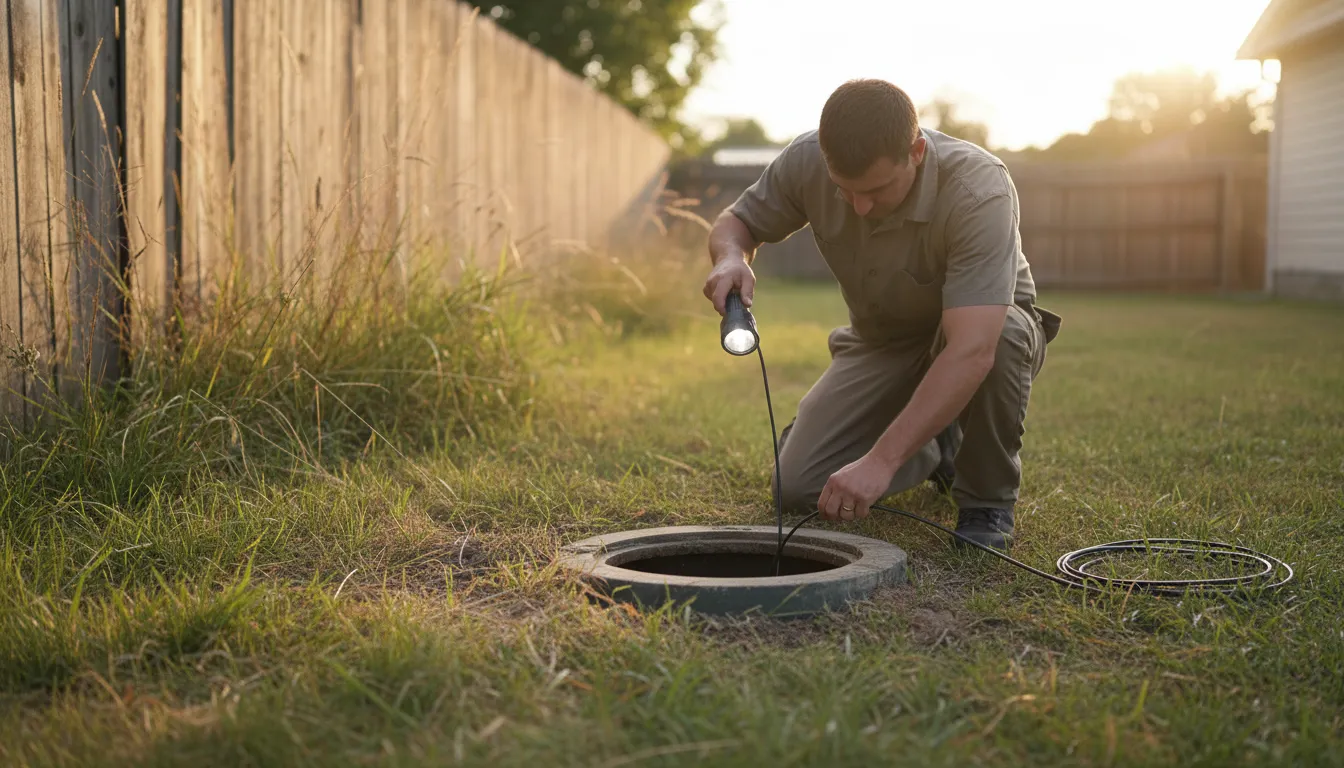
Find the Best Septic Tank Inspection Companies for Your Business
No obligation • Fast responses • Nationwide coverage

Why you can trust Septic Spot
Septic Spot is a leading United States resource for understanding and comparing septic services. Our editors review providers using consistent criteria and verify key business details. Listings and scores are independent, and companies cannot pay to influence our content.
Search providers near you
Top Septic Tank Inspection Companies in Ceres, California Ranked
A septic tank inspection is a professional evaluation of your onsite wastewater system's condition and functionality. In Ceres, these assessments are crucial for protecting your property value, ensuring public health, and complying with Stanislaus County regulations. Whether you're buying a home, planning a renovation, or performing routine maintenance, understanding the inspection process helps you find qualified local professionals to evaluate your tank, drain field, and overall system health.
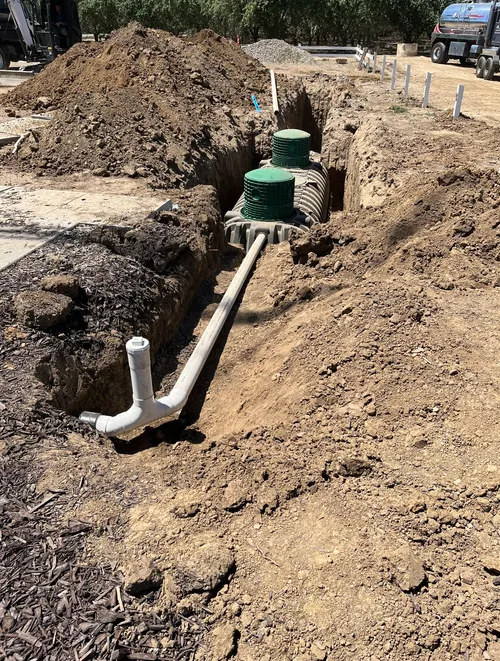
A-1 Septic Services
2125 Wylie Dr #6, Modesto, CA 95355
A-1 Septic Services is a full-service septic company based in San Jose, CA, offering comprehensive septic system solutions. They provide septic tank installation, repair, pumping, inspections, and drain field services, along with grading, excavation, and underground utility trenching. The company manages all aspects from design and permitting to final installation, ensuring code compliance and system longevity. With over 30 years of experience serving Stanislaus, San Joaquin, and Merced counties, A-1 Septic Services has extensive local knowledge and expertise. Their capabilities include septic system design, leach field installation, and utility trenching, supported by in-house crews and equipment to maintain control over project quality and scheduling.
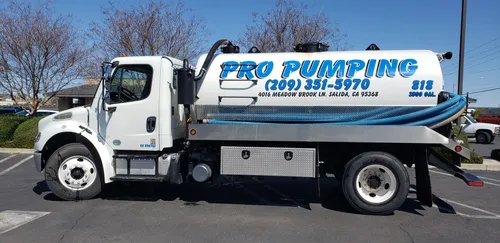
Pro Pumping Septic Service
4016 Meadow Brook Ln, Salida, CA 95368
Pro Pumping Septic Service is a septic tank pumping, inspection, and repair company serving San Jose, CA. They offer septic tank pumping, cleaning, maintenance, site inspections, and repairs for both residential and commercial clients. As an owner-operated business, they focus on personalized service and work to ensure safe and environmentally sound septic systems. Pro Pumping serves homeowners, restaurant owners, and commercial accounts in the San Jose area.
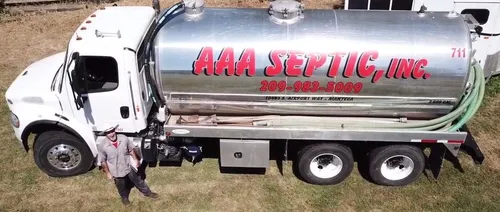
AAA Septic Inc.
10583 S Airport Way, Manteca, CA 95336
AAA Septic Inc. provides septic tank pumping and inspection services in Stockton, CA. They offer regular septic pumping to help maintain system efficiency and prevent backups, with advice tailored to household size and water use. Their services include locating and cleaning septic tanks, inspecting for damage, and installing septic risers for easier maintenance access. These capabilities help extend the life of septic systems and improve safety during yard activities.
Mountain Valley Pumping
581 Hi Tech Pkwy, Oakdale, CA 95361
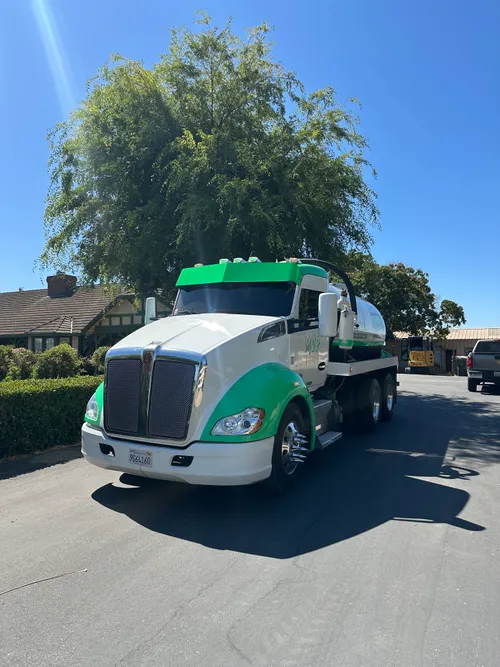
Mountain Valley Pumping is a septic tank pumping, inspection, repair, and installation company serving San Jose, CA. They provide a range of services including septic tank pumping, system inspections, repairs, and maintenance, as well as commercial lift station and grease trap pumping. The company uses up-to-date pumping technology to address various septic system issues. Mountain Valley Pumping offers 24-hour emergency service to assist customers whenever needed.
Applegate Septic & Sewer
1404 Fernview Dr, Modesto, CA 95355
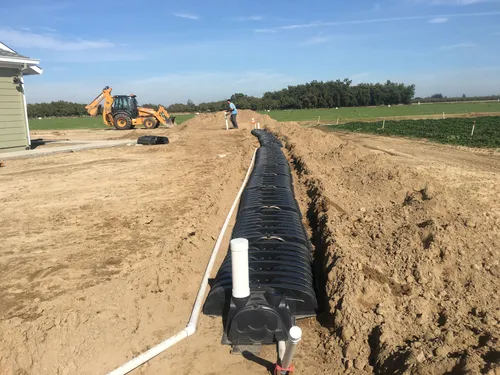
Applegate Septic & Sewer is a septic tank pumping, inspection, repair, and installation company serving San Jose, CA. Since 1995, they have provided septic and sewer services for residential and commercial clients in Modesto and nearby cities. The company is fully licensed and bonded, with a large fleet of service trucks and certified septic inspection capabilities. They offer 24/7 service and specialize in septic system construction and maintenance, ensuring precise and reliable work.
Why Septic System Inspections Are Required in Ceres
Stanislaus County Department of Environmental Health mandates septic system evaluations under specific circumstances to protect groundwater and public safety. The most common triggers for a mandatory inspection are property transfers and building permit applications. If you are selling your home, a clean inspection report is often a contingency for closing the sale. Similarly, if you apply for a permit to add a bedroom, expand your home, or construct an accessory dwelling unit (ADU), the county will require a system inspection to ensure it can handle the increased wastewater flow1 2. Proactive inspections outside of these requirements are highly recommended as part of regular maintenance to catch small problems before they become expensive failures.
Who Can Perform a Legitimate Inspection?
Not just any handyman can perform a valid septic evaluation in Ceres. The county requires inspections to be conducted by licensed professionals to ensure compliance. You should hire either a licensed septic contractor or a civil engineer registered as a Qualified Service Provider (QSP)3 4. These experts understand local soil conditions, county codes, and the detailed inspection protocols. Always verify a provider's license with the county before hiring. Using a qualified professional guarantees the inspection report will be accepted by the county for permitting purposes and provides you with an accurate assessment of your system's health.
The Step-by-Step Septic Inspection Process
A thorough septic system evaluation is methodical. Here's what a qualified inspector will do when they visit your property in Ceres.
1. Locating the System Components The inspector starts by locating the septic tank and drain field. They may use probe rods or reference existing property records. Finding the tank lids is the first step to accessing the system for visual checks.
2. Checking Tank Sludge and Scum Levels This is a core part of the inspection. The inspector will open the tank access ports and use a long measuring device (a "sludge judge") to determine the depth of the sludge layer at the bottom and the scum layer at the top. According to guidelines, if the sludge depth is greater than one-third of the liquid depth in the tank, pumping is immediately required 5. This measurement directly indicates the tank's maintenance needs.
3. Inspecting Tank Structure and Baffles The inspector checks the tank's interior and exterior for structural issues like cracks, leaks, or corrosion. They also examine the inlet and outlet baffles (or tees), which are crucial for preventing solids from flowing out into the drain field. Damaged or missing baffles are a common cause of drain field failure6.
4. Assessing the Drain Field The inspector surveys the area above and around the drain field (leach field). They look for telltale signs of failure, such as soggy or sunken ground, standing wastewater, or unusually lush and green grass. Any of these symptoms indicate that the field is not properly absorbing and filtering effluent.
5. Evaluating Pumps and Mechanical Components If your system includes a pump tank or an aerobic treatment unit (ATU), the inspector will test the pump, floats, and alarms to ensure they are operational. They will also check and clean the effluent filter if your tank is equipped with one7.
6. Reviewing System History and Compliance Finally, the inspector will often review any available records of past pumping, repairs, or permits to understand the system's history and determine its compliance with current county standards.
Find the perfect septic tank inspection companies for your needs
Get personalized recommendations and expert advice
Understanding Inspection and Pumping Costs in Ceres
Costs for septic services in the Central Valley vary based on the scope of work, tank size, and system complexity.
- Standard Inspection Cost: A basic septic system inspection in Ceres typically ranges from $300 to $600. This covers the visual assessment, sludge measurement, and a written report. More comprehensive inspections, such as those required for a real estate transaction, may be on the higher end of this range.
- Pumping Cost: If the inspection reveals your tank needs pumping, that service is separate. Pumping a residential septic tank in Ceres generally costs between $300 and $1,237, with the national average around $423. The final price depends on tank capacity (e.g., 1,000-gallon vs. 1,500-gallon) and accessibility.
- Combined Service Cost: It's common to schedule an inspection and pumping together. For a full inspection followed by pumping, Ceres homeowners can expect total costs in the range of $600 to $1,500 or more8 9.
Signs You Might Need a Septic Inspection Sooner Than Later
Don't wait for a property transaction to check your system. Be proactive if you notice any of these warning signs of a struggling septic system10:
- Slow drains throughout your home, especially if plunging or drain cleaners don't help.
- Gurgling sounds coming from your toilets or drains.
- Sewage odors in your yard or near the tank/drain field.
- Wet, spongy, or soggy soil over the drain field area.
- Backups of sewage into household drains.
Addressing these issues early with an inspection can prevent a complete system failure, which requires a costly drain field repair or replacement and a county permit.
The Permit Process for Repairs or a New System
If your inspection uncovers a failure or you're planning new construction, you'll need to engage with the Stanislaus County permit process. A failing system requires a site evaluation by a qualified professional, who will submit a repair or replacement application to the county11. This process often includes a percolation (perc) test to evaluate the soil's absorption rate. The county reviews the application to ensure the proposed solution meets all health and environmental standards before issuing a construction permit. This underscores the importance of an initial, accurate inspection from a licensed provider.
Maintaining Your System After Inspection
An inspection provides a snapshot of your system's health. To maintain it, follow the recommendations in your inspection report. This almost always includes pumping your tank every 3 to 5 years, depending on household size and usage12 13. Avoid flushing non-biodegradable items, excessive use of garbage disposals, and pouring grease or harsh chemicals down the drain. Proper care extends the life of your septic system and protects your investment.
Frequently asked questions
Sources
Footnotes
-
onsite-wastewater-treatment-system-requirements-procedures. ... - http://www.publichealth.lacounty.gov/eh/docs/permit/onsite-wastewater-treatment-system-requirements-procedures.pdf ↩
-
Inspection Service Tiers | City of San José - https://www.sanjoseca.gov/your-government/departments-offices/planning-building-code-enforcement/code-enforcement/multiple-housing-inspection-program/inspection-service-tiers ↩
-
Septic Systems | Riverside County Department of Environmental Health - https://rivcoeh.org/septic-systems ↩
-
The Septic System Quagmire: Septic System Regulation in Minnesota - https://www.bgs.com/blog/2013/09/16/the-septic-system-quagmire-septic-system-regulation-in-minnesota/ ↩
-
Septic System DO's and DONT's - https://www.ihs.gov/california/index.cfm/offices/oehe/dsfc/water-san/maintaining-your-septic-system-guide/septic-system-do-s-and-dont-s/ ↩
-
Understand the Septic Inspection Process - https://www.cetaylorandsoninc.com/understand-the-septic-inspection-process ↩
-
Well and Septic Inspection: 7 Crucial Risks to Avoid in 2025 - https://blairnorris.com/well-and-septic-inspection/ ↩
-
How Much Should a Septic Inspection Cost: Ultimate Money-Saving ... - https://www.firstcallseptic.com/septic-blog/how-much-should-a-septic-inspection-cost ↩
-
Septic Tank Pumping Cost: Guide & Pricing in 2025 - Splash Plumbing - https://www.splashplumbing.com/how-much-does-it-cost-to-pump-septic-tank-understanding-pricing-and-factors-involved/ ↩
-
The Californian's Guide To Septic Tanks - https://cacciaplumbing.com/blog/california-septic-tank-guide/ ↩
-
Construction Guide for On-Site Sewage Disposal Systems - https://monohealth.com/sites/default/files/fileattachments/environmental_health/page/29328/constr_guide_conv08-2.pdf ↩
-
Pumping and Inspecting Your System - Indian Health Service (IHS) - https://www.ihs.gov/california/index.cfm/offices/oehe/dsfc/drinking-water-and-sanitation/maintaining-your-septic-system-guide/pumping-and-inspecting-your-system/ ↩
-
Frequent Questions on Septic Systems | US EPA - https://www.epa.gov/septic/frequent-questions-septic-systems ↩