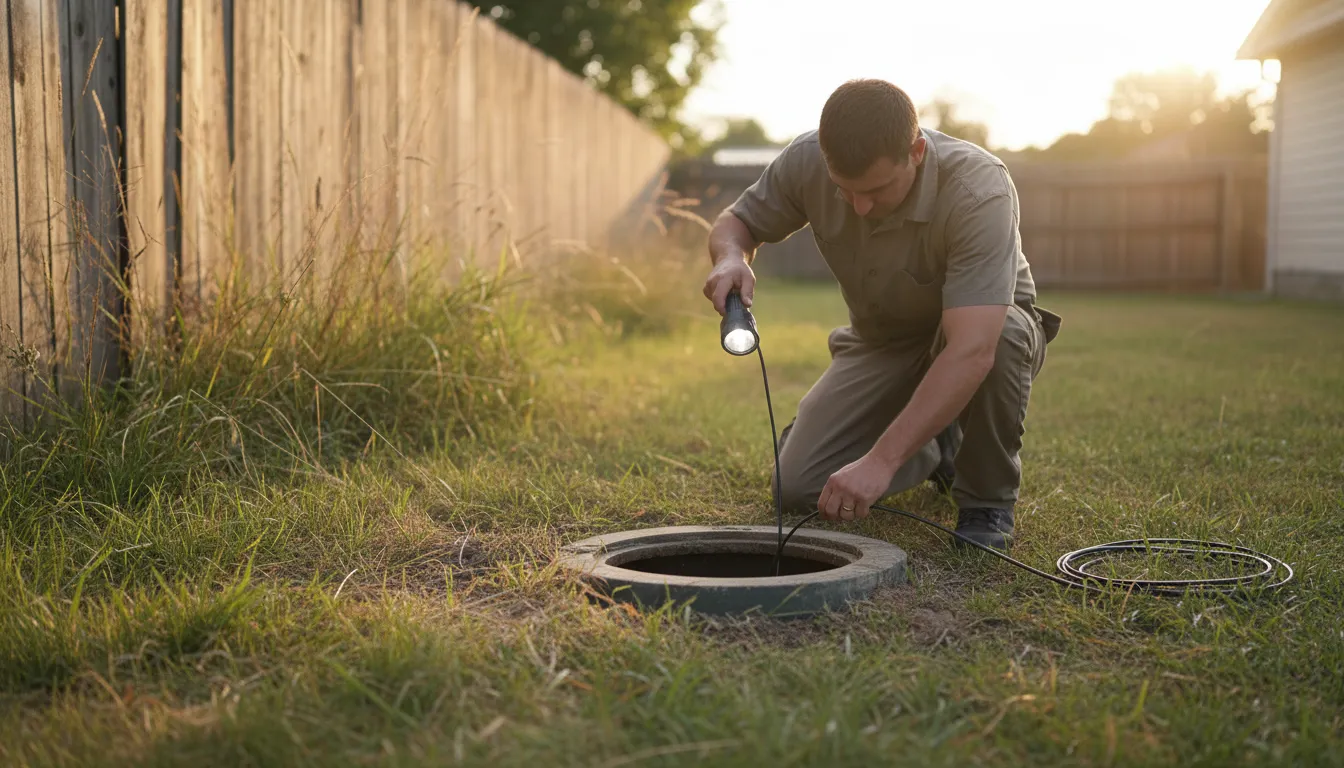
Find the Best Septic Tank Inspection Companies for Your Business
No obligation • Fast responses • Nationwide coverage

Why you can trust Septic Spot
Septic Spot is a leading United States resource for understanding and comparing septic services. Our editors review providers using consistent criteria and verify key business details. Listings and scores are independent, and companies cannot pay to influence our content.
Search providers near you
Top Septic Tank Inspection Companies in Chino Hills, California Ranked
A septic system inspection is a critical evaluation of your onsite wastewater treatment system's health and functionality. In Chino Hills, these assessments are not just a good idea-they are often a legal requirement, especially when buying or selling a home. This process helps identify potential failures before they become costly emergencies, protecting your property value and the local environment. The following guide explains what an inspection entails, why it's important, and how to connect with qualified local professionals to ensure your system is in compliance and working properly.
Cyclone Plumbing USA
1440 N Harbor Blvd suite 840, Fullerton, CA 92835
Cyclone Plumbing USA is a plumbing company based in Fullerton, CA, serving homes and businesses throughout Orange County. They offer a wide range of plumbing services, including septic tank inspection and septic system repair, as well as drain cleaning, hydro jetting, water heater installation, and leak detection. The company uses advanced equipment such as sewer cameras to diagnose issues and provides same-day repairs when needed. Cyclone Plumbing USA operates 24/7, offering emergency plumbing services at any time. The team at Cyclone Plumbing USA consists of licensed and insured professionals with years of hands-on experience. They emphasize transparency and fair pricing while delivering quality workmanship. Their commitment to customer satisfaction and comprehensive maintenance plans helps prevent costly repairs and ensures plumbing systems function efficiently.
Rooter Man Plumbing of Orange
521 W Katella Ave, Orange, CA 92867
Rooter Man Plumbing of Orange provides septic tank pumping and inspection services in Santa Ana, CA. They offer a wide range of plumbing solutions including emergency repairs, drain cleaning, sewer line replacement, and hydro jetting. The company is equipped to handle both residential and commercial plumbing needs with capabilities such as leak detection and water heater maintenance. Emergency plumbing services are available 24/7 to address urgent issues at any time.
The Pink Septic Services
Riverside, CA
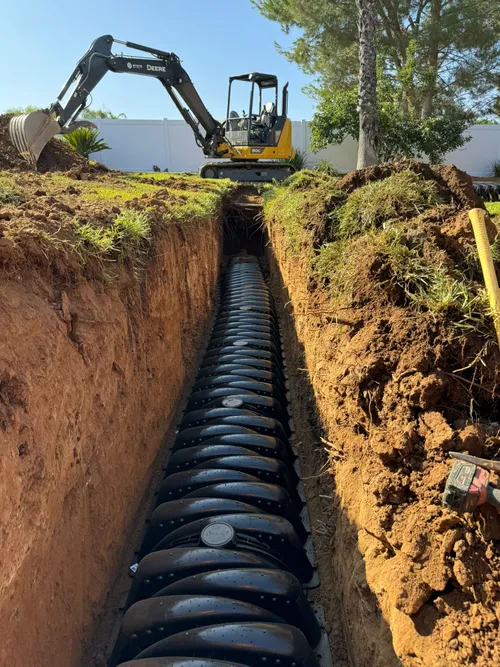
The Pink Septic Services is a septic tank inspection company based in Riverside, CA. They provide expertise in identifying and addressing common septic system issues, including odor problems both inside and outside the home. Their services include inspecting P traps, toilet seals, septic tank covers, and vent pipes to locate sources of septic gases. The company advises on practical solutions such as water replenishment in traps and installing charcoal filters to reduce odors. While specific years in business are not stated, The Pink Septic Services focuses on thorough septic system inspections to help maintain proper function and prevent potential failures.
Foureverfresh Septic & Sewer Solutions
Los Angeles, CA
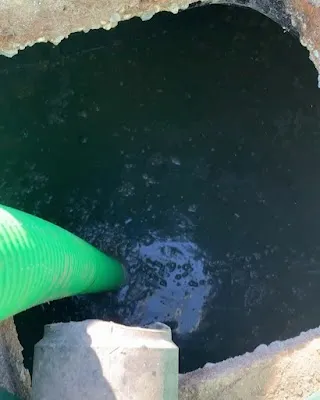
Foureverfresh Septic & Sewer Solutions provides a range of septic system services in Los Angeles, CA. Their offerings include septic tank pumping, inspections, repairs, installations, and sewer line repairs. They use advanced diagnostic tools like video inspections and leak detection to address issues such as tree root intrusion and blockages efficiently. With over 20 years of experience, the company emphasizes eco-friendly practices and customer satisfaction in their work.
Honey Doo Wagon Septic Pumping
Irvine, CA
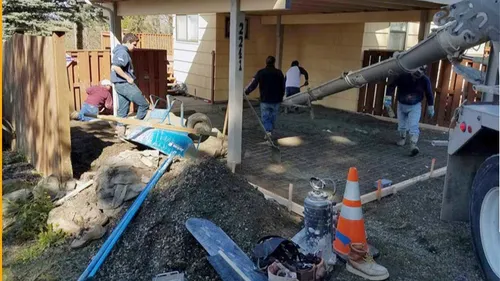
Honey Doo Wagon Septic Pumping is a full-service septic company serving Irvine, CA. They offer septic tank pumping, inspections, repairs, installations, replacements, and maintenance. With over 18 years of experience, the company provides a wide range of septic services backed by a commitment to professionalism and integrity.
Why Septic Inspections Are Essential in Chino Hills
For homeowners in Chino Hills, a septic system is a private wastewater treatment plant. Unlike a municipal sewer connection, you are solely responsible for its maintenance and any environmental impact it may have. A professional septic system evaluation is the primary tool for managing this responsibility. San Bernardino County Environmental Health Services (EHS) strictly regulates these systems to protect groundwater and public health. An inspection provides a documented snapshot of your system's condition, which is vital for preventative maintenance, real estate transactions, and fulfilling county permit requirements.
Regulatory Requirements and Real Estate
Local regulations make inspections a common necessity. In San Bernardino County, a septic tank certification is typically required before the sale of any property with an onsite system 1. This ensures the new owner inherits a functioning system. Furthermore, all sewage holding tanks in the county require an annual operating permit, which is contingent upon an annual inspection 1. Sellers are legally responsible for repairing any damage or malfunctions discovered during a pre-sale inspection 1. For those connecting to the city sewer where available, a permit to properly abandon the old septic system is required, which involves having the tank pumped dry by a licensed contractor 2.
What a Comprehensive Septic Inspection Involves
A thorough inspection is more than just looking at the tank. It's a systematic process conducted by trained professionals to assess every major component of your wastewater system.
1. Locating and Accessing the System
The first step is often finding the tank and its components. Inspectors will review any "as-built" drawings filed with the county or use specialized probes to locate the tank lid and distribution box 3. Modern systems may have risers installed for easy access, which simplifies this process.
2. Evaluating the Tank's Integrity
Once opened, the inspector checks the tank's structural condition. This includes looking for cracks, leaks, and checking the condition of inlet and outlet baffles or tees, which are crucial for preventing solids from flowing into the drain field. A compromised tank can lead to soil contamination and system failure.
3. Measuring Sludge and Scum Levels
A core part of the inspection is measuring the accumulation of sludge (solids at the bottom) and scum (floating materials). These levels determine if the tank needs to be pumped. As a general rule, pumping is recommended when the sludge layer is within about 12 inches of the outlet baffle or every 3-5 years. Inspectors use specialized tools to take these measurements accurately.
4. Assessing the Drain Field and Components
The inspection extends beyond the tank. The professional will examine the distribution box (if accessible) for even flow, check connecting pipes for blockages, and evaluate the leach field for signs of failure. Warning signs include soggy ground, foul odors, or unusually lush grass over the field area, which indicate that wastewater is not percolating properly into the soil 4 5.
5. Reporting and Documentation
Finally, a detailed report is provided. This document outlines the system's condition, notes any issues found, and recommends necessary repairs or maintenance. For real estate transactions, this report serves as the official certification of the system's functionality on the day of the inspection 6.
Find the perfect septic tank inspection companies for your needs
Get personalized recommendations and expert advice
Understanding Costs and Service Intervals
Being informed about typical costs helps homeowners budget for this essential service. In the Chino Hills area, a standard septic tank check can cost approximately $125 7. If the inspection reveals that pumping is needed, the cost for servicing a typical 900-1200 gallon residential tank is roughly $485, though this can vary based on tank size and accessibility 7. It's important to note that an inspection report is generally considered valid only on the day it was performed, as conditions can change 7.
Pumping frequency is not one-size-fits-all. While the common guideline is every 3 to 5 years, the actual interval depends on your household size, total wastewater generated, and the tank's capacity 8 9. The inspection itself is the best way to determine the precise timing for this service, moving you from a guess-based schedule to a condition-based maintenance plan.
Maintaining Your System Between Inspections
Professional inspections are periodic, but good daily habits protect your investment year-round. Avoid flushing anything besides human waste and toilet paper. Never pour cooking grease, chemicals, or medications down the drain, as these can kill the beneficial bacteria in your tank and contaminate groundwater. Be mindful of water usage; spreading out laundry loads and fixing leaky faucets reduces the hydraulic load on your system. Also, never drive or park heavy vehicles over your drain field, as compacted soil can destroy its ability to absorb and treat effluent.
Signs You May Need an Inspection Sooner
Don't wait for a scheduled check or a real estate transaction if you notice warning signs. Contact a professional for a septic system assessment if you observe:
- Slow drains or sewage backups in your home.
- Gurgling sounds in your plumbing.
- Foul odors around the tank or drain field.
- Standing water or overly soggy, bright green grass over the leach field.
- A notification from the county regarding permit renewal or a complaint.
Addressing these issues promptly after a professional diagnosis can prevent a minor repair from turning into a full system replacement, which is exponentially more expensive and disruptive.
Frequently asked questions
Sources
Footnotes
-
Land Use and Wastewater - Environmental Health Services - https://ehs.sbcounty.gov/programs/waste/ ↩ ↩2 ↩3
-
sewer connection requirements - Chino Hills - https://www.chinohills.org/DocumentView.aspx?DID=1767 ↩
-
What to Expect from a Septic Inspection - https://www.wrenvironmental.com/blog/2023/may/what-to-expect-from-a-septic-inspection/ ↩
-
Understanding Septic Tank Inspections: A Complete Homeowner's ... - https://septic-masters.com/septic-tank-inspection-homeowner-guide/ ↩
-
Septic System Inspections - InterNACHI - https://www.nachi.org/inspecting-septic-systems.htm ↩
-
Septic System Inspection & Certification | Center Septic - https://centerseptic.com/septic-system-inspection/ ↩
-
Septic Tank Service Rates - https://www.perkinsseptic.biz/septic-tank-service-rates/ ↩ ↩2 ↩3
-
The Californian's Guide To Septic Tanks - https://cacciaplumbing.com/blog/california-septic-tank-guide/ ↩
-
Pumping and Inspecting Your System - Indian Health Service - https://www.ihs.gov/california/index.cfm/offices/oehe/dsfc/drinking-water-and-sanitation/maintaining-your-septic-system-guide/pumping-and-inspecting-your-system/ ↩