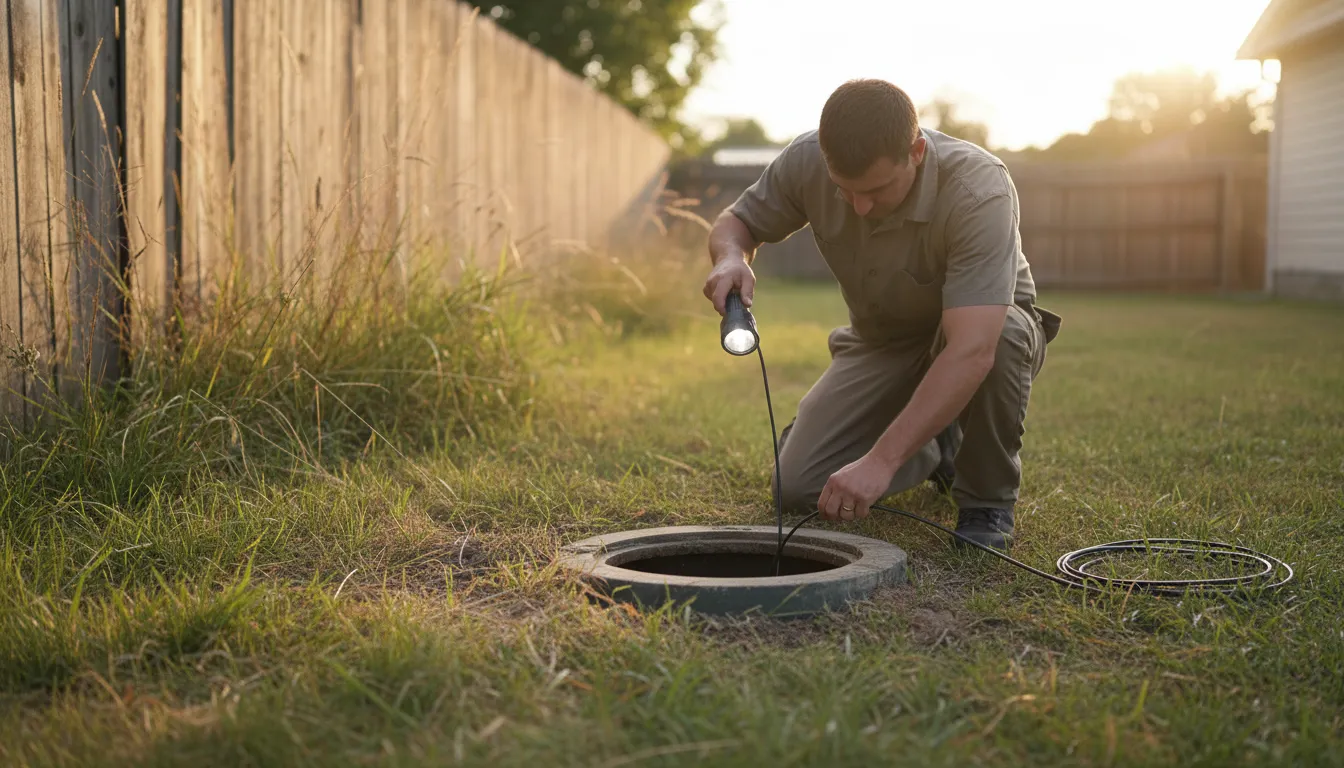
Find the Best Septic Tank Inspection Companies for Your Business
No obligation • Fast responses • Nationwide coverage

Why you can trust Septic Spot
Septic Spot is a leading United States resource for understanding and comparing septic services. Our editors review providers using consistent criteria and verify key business details. Listings and scores are independent, and companies cannot pay to influence our content.
Search providers near you
Top Septic Tank Inspection Companies in Colton, California Ranked
A septic tank inspection is a critical evaluation of your onsite wastewater treatment system, ensuring it is functioning safely and in compliance with local health codes. In Colton, these assessments are vital for protecting your property investment, safeguarding groundwater, and maintaining public health. This guide helps you understand the process, regulations, and what to look for when seeking a qualified professional for your system evaluation.
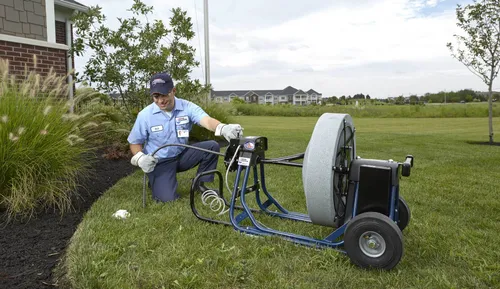
Roto-Rooter Plumbers and Septic Service
17208 Main St Unit A, Hesperia, CA 92345
Roto-Rooter Plumbers and Septic Service offers a wide range of plumbing and septic services in Los Angeles, CA. Their expertise includes septic tank pumping, inspection, and repair, along with plumbing repairs and installations tailored to local conditions such as hard water and temperature fluctuations. With over 90 years of experience, they provide advanced services like hydro jetting for drain cleaning and water leak detection using modern technology. The company also offers 24/7 emergency services to address urgent plumbing needs.
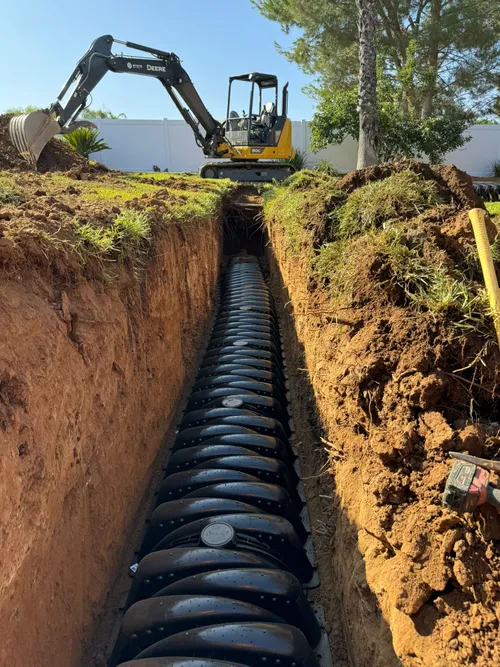
The Pink Septic Services
Riverside, CA
The Pink Septic Services is a septic tank inspection company based in Riverside, CA. They provide expertise in identifying and addressing common septic system issues, including odor problems both inside and outside the home. Their services include inspecting P traps, toilet seals, septic tank covers, and vent pipes to locate sources of septic gases. The company advises on practical solutions such as water replenishment in traps and installing charcoal filters to reduce odors. While specific years in business are not stated, The Pink Septic Services focuses on thorough septic system inspections to help maintain proper function and prevent potential failures.
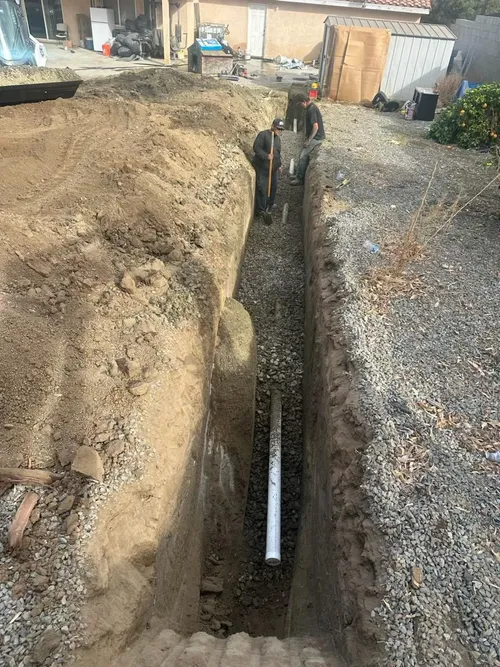
Sierra Septic Cleaning LLC
Irvine, CA
Sierra Septic Cleaning LLC is a septic tank pumping, inspection, and repair company based in Irvine, CA. With over five years of experience, they provide a range of septic system maintenance services including regular cleaning, inspections, and repairs to ensure systems function efficiently. Their team uses advanced equipment to deliver reliable septic cleaning and maintenance solutions aimed at preventing backups and protecting both homes and the environment.
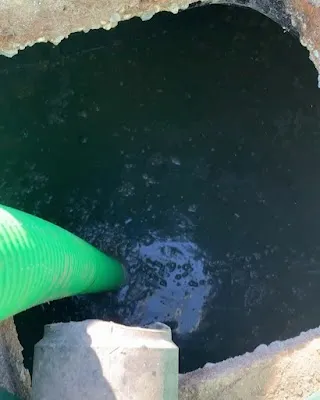
Foureverfresh Septic & Sewer Solutions
Los Angeles, CA
Foureverfresh Septic & Sewer Solutions provides a range of septic system services in Los Angeles, CA. Their offerings include septic tank pumping, inspections, repairs, installations, and sewer line repairs. They use advanced diagnostic tools like video inspections and leak detection to address issues such as tree root intrusion and blockages efficiently. With over 20 years of experience, the company emphasizes eco-friendly practices and customer satisfaction in their work.
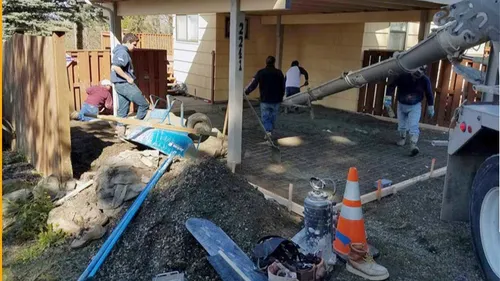
Honey Doo Wagon Septic Pumping
Irvine, CA
Honey Doo Wagon Septic Pumping is a full-service septic company serving Irvine, CA. They offer septic tank pumping, inspections, repairs, installations, replacements, and maintenance. With over 18 years of experience, the company provides a wide range of septic services backed by a commitment to professionalism and integrity.
Why Septic System Inspections Are Essential in Colton
Regular septic system evaluations are not just a good idea-they are often a legal requirement. In San Bernardino County, inspections are mandated for property transfers, before major renovations, and as part of routine maintenance every 3 to 5 years 1. An inspection can uncover hidden problems like a failing drain field or a damaged tank, preventing costly environmental contamination and even more expensive emergency repairs. For homeowners, a clean inspection report provides peace of mind and is a key document for real estate transactions.
Understanding Local Regulations and Permits
Septic systems in Colton fall under the jurisdiction of the San Bernardino County Department of Public Health and must also comply with California State Water Board standards. Any repair, construction, or full system replacement requires a permit from the county. Furthermore, if you are planning a home addition or significant remodel, the county will likely require an evaluation of your existing septic system by a qualified contractor to ensure it can handle the increased load 2.
Key regulatory points include:
- Setback Requirements: Strict rules govern the minimum distance a septic system must be from wells, property lines, and surface water to prevent contamination 3.
- Certified Professionals: Only state-certified septic professionals and registered waste haulers are authorized to perform official inspections and pump tanks in California.
- System Evaluation: A formal assessment is a prerequisite for most county permits related to the system itself or property improvements that affect it.
What a Professional Septic Inspection Involves
A comprehensive septic system inspection is a detailed process that typically takes 1 to 2 hours 4. It goes far beyond just checking the tank. Here's what you can expect a certified inspector to do:
- Locate and Expose the System: The inspector will find and uncover the septic tank's manhole and inspection ports, as well as the distribution box if accessible.
- Inspect Tank Integrity: The tank is checked for structural issues like cracks, leaks, or signs of corrosion that could lead to failure or groundwater pollution 5 6.
- Measure Scum and Sludge: The levels of scum (floating layer) and sludge (settled solids) are measured. This determines if the tank needs to be pumped. If sludge and scum occupy too much volume, they can flow into and clog the drain field 7.
- Check Baffles and Outlets: The inlet and outlet baffles (or tees) are inspected to ensure they are intact. These components are crucial for preventing solids from exiting the tank 8.
- Evaluate the Drain Field: The inspector will examine the leach field area for signs of failure, such as soggy ground, foul odors, or unusually lush vegetation, which indicate that effluent is not being properly absorbed 9.
- Provide a Detailed Report: After the evaluation, you should receive a written report detailing the system's condition, any issues found, recommended actions, and an estimate of the system's remaining lifespan 10.
Find the perfect septic tank inspection companies for your needs
Get personalized recommendations and expert advice
Common Inspection Findings and What They Mean
An inspection can reveal a range of issues, from minor maintenance needs to major failures.
- High Sludge Levels: This is the most common finding and simply indicates the tank is due for a routine pumping, which is a standard part of maintenance.
- Damaged Baffles: Broken or missing baffles allow solids to escape into the drain field, which can cause premature clogging and failure. Repair or replacement is necessary.
- Cracked Tank: Cracks can allow groundwater to seep in (overloading the system) or raw sewage to leak out (creating a health hazard). Depending on severity, repairs or tank replacement may be required.
- Drain Field Failure: Signs like surfacing effluent or sewage backups in the home are serious. Solutions can range from restorative treatments to a complete new leach field installation, which is a significant project 11.
Costs Associated with Septic Inspections and Services
Understanding potential costs helps in planning and budgeting for septic system care. Prices can vary based on tank size, system complexity, and property access.
- Basic Inspection: A standard visual inspection in the Colton area typically ranges from $50 to $150.
- Full Certification Inspection: For real estate transactions or permit applications, a more thorough inspection that meets county standards will generally cost more.
- Septic Tank Pumping: If the inspection reveals the tank is full, pumping usually costs between $150 and $250+, depending on tank capacity.
- System Repair or Replacement: This is where costs rise significantly. Replacing a failed drain field or a damaged septic tank is a major construction project, with costs often ranging from $3,000 to over $10,000 12.
Preparing Your Property for an Inspection
You can facilitate a smoother, more efficient inspection by taking a few preparatory steps:
- Locate Your System: If you have a diagram (as-built) from your home's records, have it ready. Otherwise, note the location of tank lids or cleanouts.
- Clear Access: Ensure the inspector can easily reach the tank lid and distribution box. Clear away any vegetation, debris, or outdoor furniture.
- Know Your System's History: Have any records of past pumping, repairs, or inspections available for the inspector.
- Mark the Drain Field: Clearly identify the area of your leach field and avoid driving or parking heavy equipment on it.
Choosing a Qualified Septic Inspector in Colton
Selecting the right professional is crucial. Look for:
- State and County Certification: Verify the inspector holds current certifications from the state and is registered with San Bernardino County.
- Experience and Reputation: Choose a company with a strong local reputation and experience specifically with the soil types and regulations in the Inland Empire.
- Detailed Reporting: Ensure they provide a comprehensive written report, not just a verbal summary.
- Range of Services: Many reputable companies offer inspection, pumping, and repair services, which can be convenient if work is needed.
Frequently asked questions
Sources
Footnotes
-
Maintenance of an OWTS - Santa Cruz County Environmental Health - https://scceh.com/NewHome/Programs/LandUse/MaintenanceofanOWTS.aspx ↩
-
Southern California Septic System Regulations: What You Need to ... - https://www.lanikseptic.com/socal-septic-regulations/ ↩
-
KERN COUNTY ONSITE SYSTEMS MANUAL - https://www.waterboards.ca.gov/lahontan/water_issues/programs/owts/docs/lamp_tracking/kcehd_os_manual.pdf ↩
-
Preparing for Septic Tank Inspection: 7 Key Steps | Septic System Professionals - https://septic911.com/preparing-for-septic-tank-inspection/ ↩
-
Pumping and Inspecting Your System - Indian Health Service (IHS) - https://www.ihs.gov/california/index.cfm/offices/oehe/dsfc/drinking-water-and-sanitation/maintaining-your-septic-system-guide/pumping-and-inspecting-your-system/ ↩
-
Septic System Inspections - InterNACHI® - https://www.nachi.org/inspecting-septic-systems.htm ↩
-
What to Expect from a Septic Inspection - https://www.wrenvironmental.com/blog/2023/may/what-to-expect-from-a-septic-inspection/ ↩
-
The Californian's Guide To Septic Tanks - https://cacciaplumbing.com/blog/california-septic-tank-guide/ ↩
-
Frequent Questions on Septic Systems | US EPA - https://www.epa.gov/septic/frequent-questions-septic-systems ↩
-
onsite-wastewater-treatment-system-requirements-procedures. ... - http://www.publichealth.lacounty.gov/eh/docs/permit/onsite-wastewater-treatment-system-requirements-procedures.pdf ↩
-
Onsite Wastewater Treatment Systems Standards - https://www.sjgov.org/docs/default-source/environmental-health-documents/liquid-waste/onsite-wastewater-disposal-standards.pdf?sfvrsn=1ae0589b_3 ↩
-
Maintaining your Septic System A Guide for Homeowners - https://www.ihs.gov/california/tasks/sites/default/assets/File/SFC-MaintainingYourSepticSystemGuide.pdf ↩