Find the Best Septic Tank Inspection Companies for Your Business
No obligation • Fast responses • Nationwide coverage

Why you can trust Septic Spot
Septic Spot is a leading United States resource for understanding and comparing septic services. Our editors review providers using consistent criteria and verify key business details. Listings and scores are independent, and companies cannot pay to influence our content.
Search providers near you
Top Septic Tank Inspection Companies in Concord, California Ranked
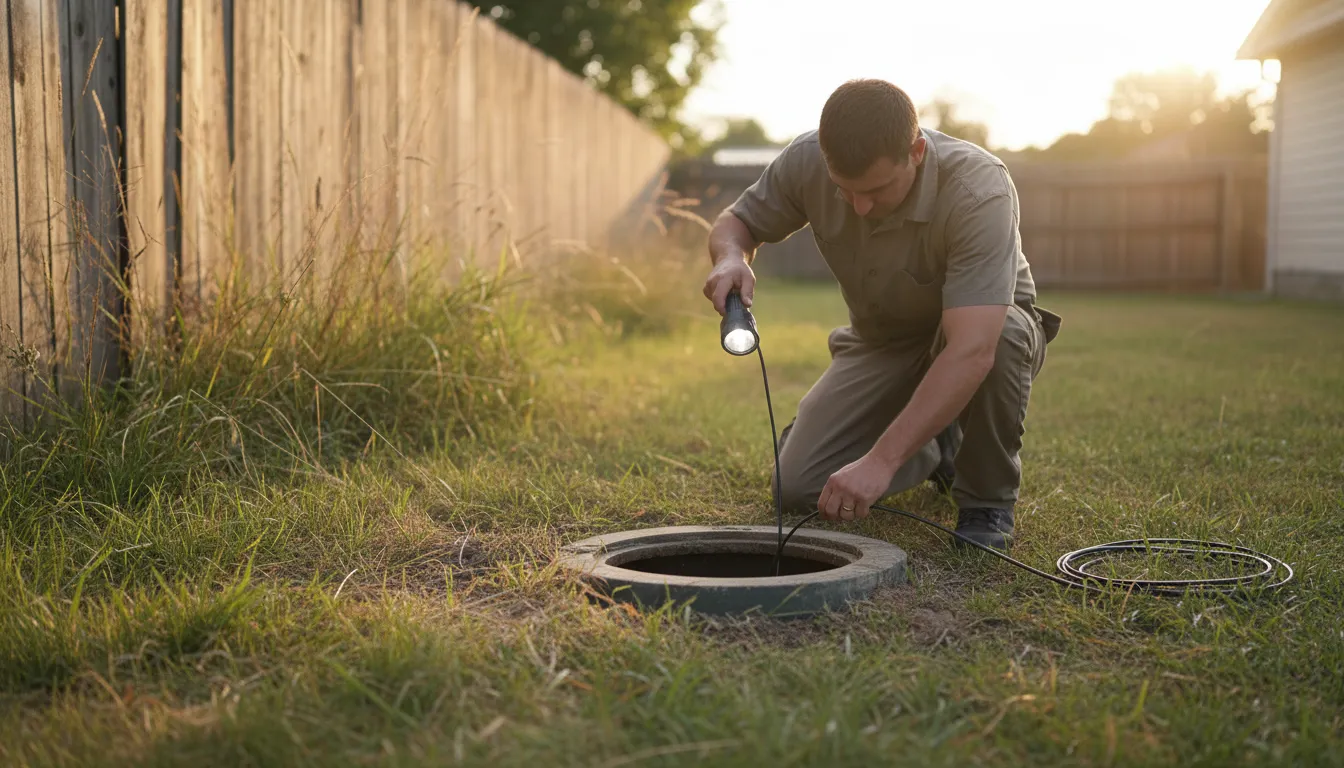
A septic system inspection is a professional evaluation of your onsite wastewater system's condition and functionality. In Concord, these evaluations are crucial for ensuring public health, environmental safety, and property value, as they are often mandated by local authorities during real estate transactions or major renovations. This guide explains the inspection process, local requirements, and how you can find qualified professionals to assess your system, helping you maintain a safe and compliant home.
Castle Pumping and Plumbing Services
San Jose, CA
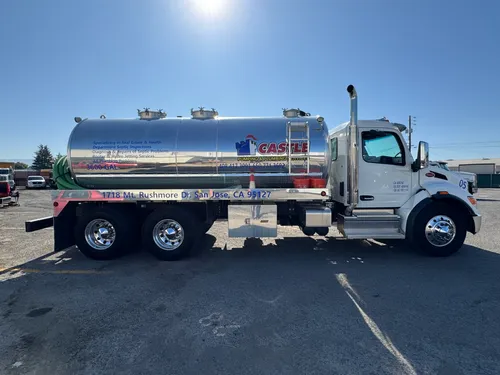
Castle Pumping and Plumbing Services is a locally owned company based in San Jose, CA, offering comprehensive septic system services including pumping, inspections, repairs, and installations. With over 32 years of experience, they serve residential and commercial properties in the San Jose area. Their expertise includes locating septic tanks, performing detailed inspections of tank components, and specialized outflow line exploration to diagnose backups without unnecessary replacements. The company uses advanced equipment and techniques to maintain and repair septic systems, ensuring long-lasting functionality.
Williams Sanitary Service Inc
Oakland, CA
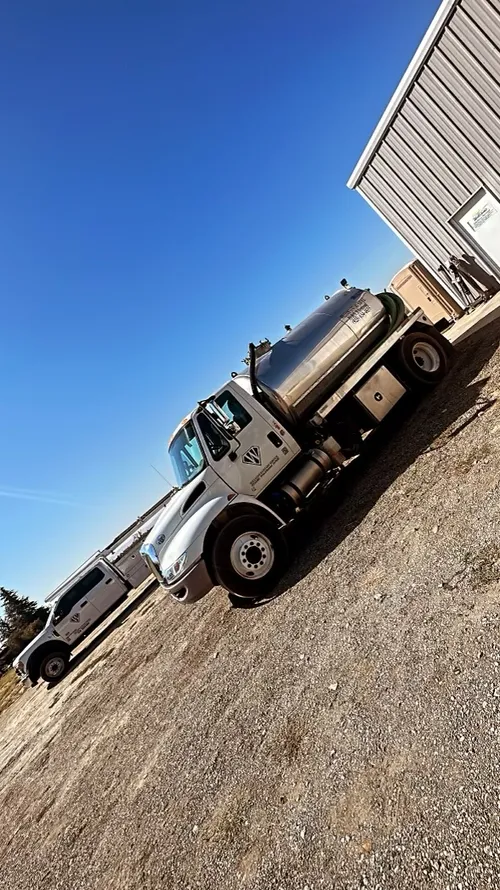
Williams Sanitary Service Inc is a family-owned septic system company serving Oakland, CA, and surrounding areas since 1950. They provide a full range of septic services including pumping, inspection, repair, and installation for both residential and commercial clients. The company also offers general plumbing services such as drain cleaning and water heater repair. Williams Sanitary Service Inc is equipped to handle all sizes of septic jobs across Contra Costa and Alameda Counties and offers 24/7 service availability.
Delatorre Septic and Trucking LLC
7000 Leisure Town Rd, Vacaville, CA 95688
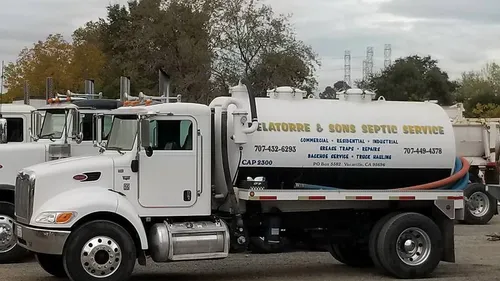
Delatorre Septic and Trucking LLC is a family-owned business providing septic system services in Fairfield, CA, and surrounding areas including Napa, Yolo, and Solano Counties. They offer septic tank pumping, inspection, repair, and installation for both residential and commercial customers. Established in 1992 initially as a trucking company, they have expanded to specialize in septic services and provide 24/7 emergency support. Their trucks can hold up to 2,600 gallons, enabling efficient waste removal for septic systems.
American Eagle Plumbing & Construction
5441 Victoria Ln, El Sobrante, CA 94803
American Eagle Plumbing & Construction is a licensed, bonded, and insured plumbing and construction company based near Berkeley, CA. Serving the East Bay, Peninsula, North Bay, South Bay, and San Francisco, they provide a full range of plumbing, sewer, septic system inspection, pumping, and repair services for residential, commercial, and municipal clients. With over 26 years of experience since 2001, the company specializes in trenchless sewer repair and works closely with PG&E and local municipalities to ensure code compliance and efficient project approvals. Their licensed plumbers are available 24/7 for emergency plumbing services.
Understanding Septic Inspections and Local Authority
In Concord and across Cabarrus County, septic system oversight falls under the jurisdiction of the Cabarrus Health Alliance (CHA). This local health department enforces North Carolina's onsite wastewater rules, which are designed to protect groundwater and public health. An inspection is not just a casual look; it's a formal assessment that determines if a system is functioning properly and complies with state regulations.
These evaluations are frequently required by law in specific situations. The most common trigger is a property transfer or sale. To finalize a real estate transaction for a home with a septic system, a passing inspection report is typically required. Inspections are also necessary if you plan to change your home's use, such as adding bedrooms, which increases the system's expected load, or if you are applying for a permit to repair or replace a failing system. Understanding this regulatory backdrop is the first step in recognizing the importance of a thorough system check.
What a Professional Inspector Evaluates
A comprehensive septic tank inspection in Concord is a multi-step process conducted by a state-certified professional. Here's what you can expect during a typical evaluation:
- System Location & Records Review: The inspector will start by locating all system components-the septic tank, distribution box, and drainfield. They may use "as-built" drawings from the CHA and probing tools to find tank lids and field lines.
- Tank Access and Interior Inspection: The inspector will excavate and open the tank's access ports. Inside, they assess critical elements:
- Sludge and Scum Levels: They measure the depth of sludge at the bottom and scum at the top. If these layers are too thick, it indicates the tank needs immediate pumping and may be at risk of sending solids into the drainfield.
- Structural Integrity: The tank walls, baffles, and outlet tee are checked for cracks, corrosion, or damage that could cause leaks or blockages 1.
- Effluent Filter: If present, the filter is checked and cleaned to ensure it is not clogged.
- Drainfield Assessment: This is a critical component. The inspector examines the soil over the drainfield for signs of failure, such as soggy areas, standing water, or unpleasant odors, which indicate that wastewater is not properly percolating into the soil 2.
- Functionality Test: Also known as a "flow test," this involves running a substantial amount of water through the household plumbing to simulate use. The inspector monitors how the system accepts and disperses this water, checking for backups, slow drainage, or surfacing effluent in the yard 3 4.
- Final Report: After the inspection, you will receive a detailed report outlining the system's condition, any deficiencies found, and recommendations for repairs, maintenance, or pumping.
Find the perfect septic tank inspection companies for your needs
Get personalized recommendations and expert advice
Costs and Recommended Frequency
The cost of a septic inspection in Concord is typically separate from any subsequent pumping or repair work. Based on regional data, you can expect to pay between $200 and $500 for a standard inspection 5 6. If the inspection reveals the tank needs to be pumped-which is common-that service generally costs an additional $290 to $560 6 7. The total can vary based on tank size, accessibility, and the scope of the inspection required by the local health department.
How often should you schedule a septic system evaluation? Even if you're not selling your home, proactive maintenance is key. Most experts, including the EPA and NC State Extension, recommend having your tank inspected at least every three years and pumped every three to five years 8 9. However, the exact frequency depends on your household size, total wastewater generated, and the tank's volume. A larger family will likely need more frequent checks than a single occupant.
The Permit Process for New or Repaired Systems
If an inspection reveals a failure or you're building a new home, you'll need to navigate the local permitting process managed by the Cabarrus Health Alliance. This process ensures any new construction meets current health and environmental standards 10.
- Improvement Permit (IP): This is the first permit required, granting preliminary approval for the proposed system based on soil evaluations and site plans.
- Construction Authorization (CA): Once the IP is issued, a CA is obtained just before installation begins, confirming all plans are in order.
- Final Inspection & Operation Permit (OP): After the system is installed, a CHA inspector performs a final check. Upon passing, an Operation Permit is issued, officially allowing the system to be used 11 12.
This structured process underscores why using a certified professional for both inspections and installations is essential for compliance.
How to Protect Your Septic System
A passing inspection is great, but long-term system health depends on daily habits. Here are essential tips to protect your investment and avoid future failures 13 14:
- Conserve Water: Spread out laundry and dishwasher loads to avoid overwhelming the system with a large volume of water at once.
- Mind What You Flush: Only human waste and toilet paper should go down the drain. Avoid flushing wipes (even "flushable" ones), feminine hygiene products, dental floss, grease, coffee grounds, and harsh chemicals like paint thinners or bleach.
- Protect the Drainfield: Never drive or park vehicles on the drainfield, as the weight can compact the soil and crush pipes. Also, avoid planting trees or deep-rooted shrubs nearby, as roots can infiltrate and clog lines.
- Divert Runoff: Ensure roof drains, sump pumps, and surface water are directed away from the septic tank and drainfield area to prevent saturation.
Following these guidelines can significantly extend your system's life and help it pass future inspections with ease.
Finding a Qualified Inspector in Concord
When searching for a septic inspection service, always verify that the professional is certified by the North Carolina Onsite Wastewater Contractor Inspectors Certification Board (NCOWCICB). This certification is a non-negotiable requirement for inspections that will be submitted to the Cabarrus Health Alliance for permit purposes 15. Look for established local companies with strong reviews and experience navigating Cabarrus County's specific regulations. A qualified inspector will be familiar with local soil conditions, common system types in the area, and the precise paperwork required by the health department.
Frequently asked questions
Sources
Footnotes
-
What to Expect from a Septic Inspection - https://www.wrenvironmental.com/blog/2023/may/what-to-expect-from-a-septic-inspection/ ↩
-
Point of Sale Inspection Requirements - MARLIN - https://mseptic.com/septic-inspection-requirements-north-carolina ↩
-
What Does a Septic Inspection Entail? - HomeLight - https://www.homelight.com/blog/septic-inspection/ ↩
-
How to Get Septic to Pass Inspection - https://www.guardianangelinspections.com/how-to-get-septic-to-pass-inspection ↩
-
NC SEPTIC LAW | Elite Home Inspections - https://www.elitehomeinspectionsnc.com/nc-septic-law ↩
-
How Much Does a Septic System Inspection Cost? [2025 Data] - https://www.homeadvisor.com/cost/plumbing/septic-inspection-cost/ ↩ ↩2
-
Residential Septic Tank Pricing | Homeowner's Guide to Costs - https://www.ntotank.com/blog/residential-septic-tank-pricing ↩
-
Frequent Questions on Septic Systems | US EPA - https://www.epa.gov/septic/frequent-questions-septic-systems ↩
-
Exploring the Costs of Septic Tank Inspections: What to Expect - https://www.theflushfellas.com/exploring-the-costs-of-septic-tank-inspections-what-to-expect ↩
-
NC Septic System Permitting Process - Rowan County - https://www.rowancountync.gov/1860/NC-Septic-System-Permitting-Process ↩
-
Onsite Wastewater | Cabarrus Health Alliance, NC - Official Website - https://www.cabarrushealth.org/132/Onsite-Wastewater ↩
-
FAQ: Septic System Permits - https://mseptic.com/blog/2019/7/22/faq-septic-system-permits ↩
-
Septic System Owner's Guide | NC State Extension Publications - https://content.ces.ncsu.edu/septic-system-owners-guide ↩
-
Understanding and Protecting Your Septic System - https://ehs.dph.ncdhhs.gov/oswp/docs/Understanding-protecting-septic-systems-FACTSHEET.pdf ↩
-
Septic & Wastewater - https://www.haywoodcountync.gov/458/Septic-Wastewater ↩