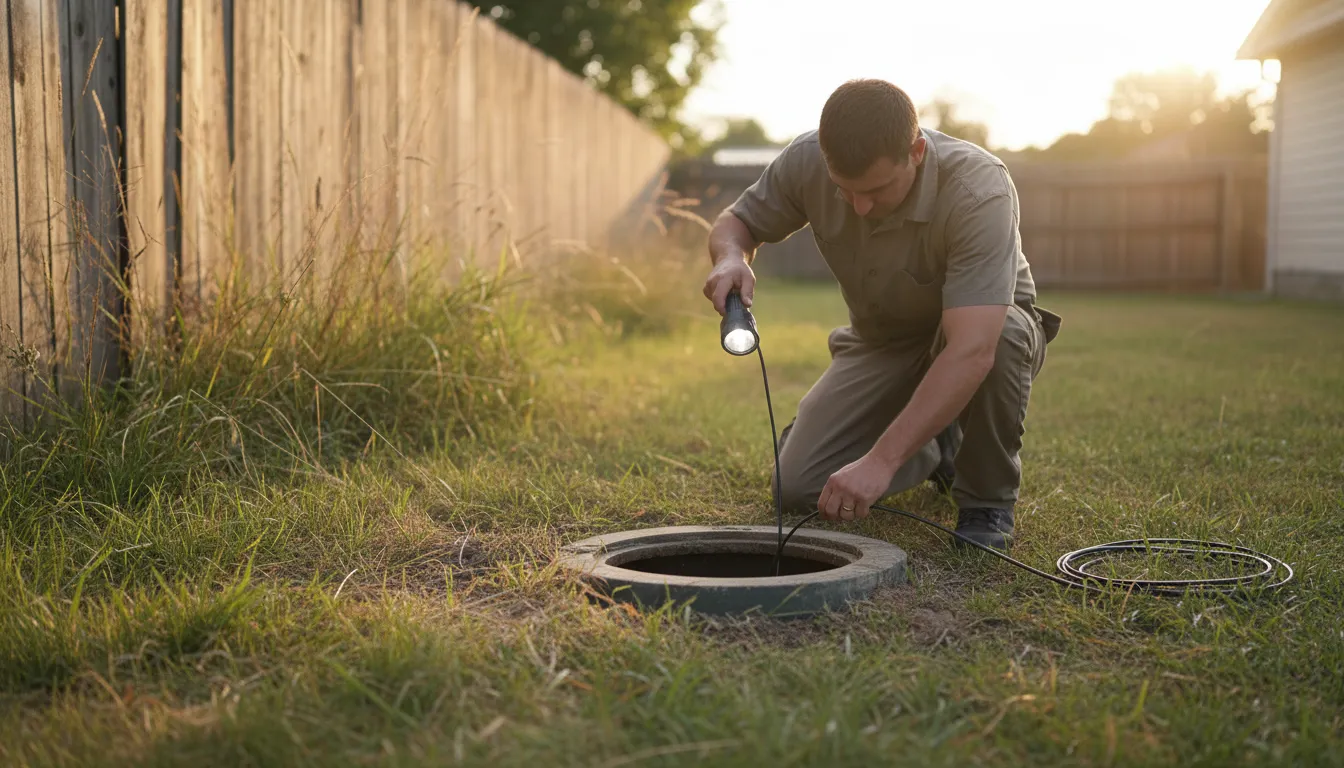
Find the Best Septic Tank Inspection Companies for Your Business
No obligation • Fast responses • Nationwide coverage

Why you can trust Septic Spot
Septic Spot is a leading United States resource for understanding and comparing septic services. Our editors review providers using consistent criteria and verify key business details. Listings and scores are independent, and companies cannot pay to influence our content.
Search providers near you
Top Septic Tank Inspection Companies in Cypress, California Ranked
A septic tank inspection is a critical evaluation of your onsite wastewater system to ensure it is functioning safely and efficiently. In Cypress, where many homes rely on these private systems, regular assessments are essential for protecting your property value, your family's health, and the local environment. This guide explains what a septic inspection entails, why it's necessary, and how you can find qualified local professionals to perform this vital service for your home.
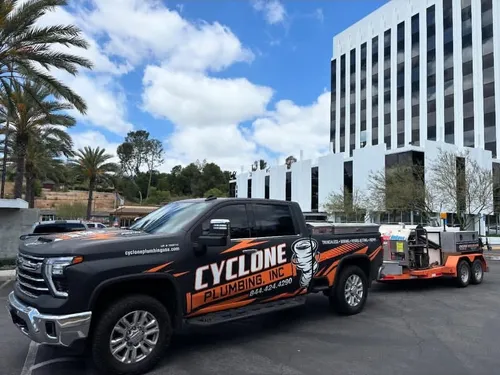
Cyclone Plumbing USA
1440 N Harbor Blvd suite 840, Fullerton, CA 92835
Cyclone Plumbing USA is a plumbing company based in Fullerton, CA, serving homes and businesses throughout Orange County. They offer a wide range of plumbing services, including septic tank inspection and septic system repair, as well as drain cleaning, hydro jetting, water heater installation, and leak detection. The company uses advanced equipment such as sewer cameras to diagnose issues and provides same-day repairs when needed. Cyclone Plumbing USA operates 24/7, offering emergency plumbing services at any time. The team at Cyclone Plumbing USA consists of licensed and insured professionals with years of hands-on experience. They emphasize transparency and fair pricing while delivering quality workmanship. Their commitment to customer satisfaction and comprehensive maintenance plans helps prevent costly repairs and ensures plumbing systems function efficiently.
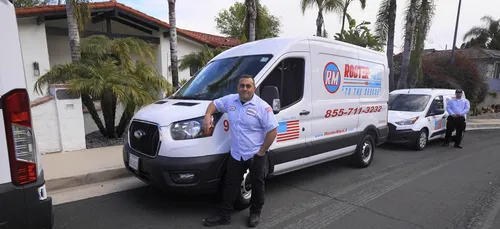
Rooter Man Plumbing of Orange
521 W Katella Ave, Orange, CA 92867
Rooter Man Plumbing of Orange provides septic tank pumping and inspection services in Santa Ana, CA. They offer a wide range of plumbing solutions including emergency repairs, drain cleaning, sewer line replacement, and hydro jetting. The company is equipped to handle both residential and commercial plumbing needs with capabilities such as leak detection and water heater maintenance. Emergency plumbing services are available 24/7 to address urgent issues at any time.
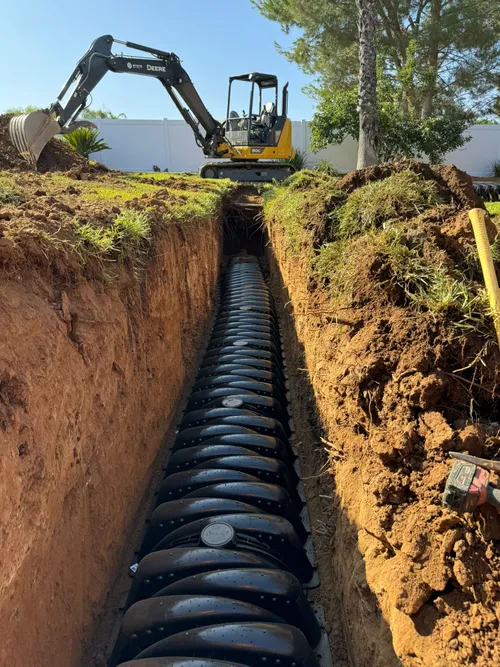
The Pink Septic Services
Riverside, CA
The Pink Septic Services is a septic tank inspection company based in Riverside, CA. They provide expertise in identifying and addressing common septic system issues, including odor problems both inside and outside the home. Their services include inspecting P traps, toilet seals, septic tank covers, and vent pipes to locate sources of septic gases. The company advises on practical solutions such as water replenishment in traps and installing charcoal filters to reduce odors. While specific years in business are not stated, The Pink Septic Services focuses on thorough septic system inspections to help maintain proper function and prevent potential failures.
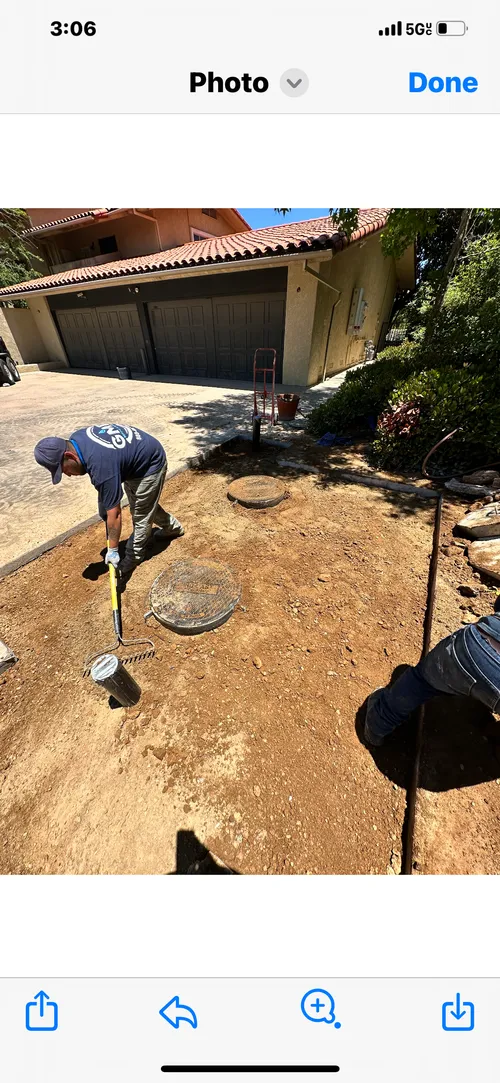
GMP Septic And Sewer
20 Surrey Ln, Rancho Palos Verdes, CA 90275
GMP Septic And Sewer provides a full range of septic services in Los Angeles, CA, including septic tank pumping, cleaning, inspections, repairs, installations, and system upgrades. They handle new construction, remodels, and replacements, ensuring systems are tailored to property needs. The company offers 24/7 emergency services for urgent septic system repairs. Their expertise covers diagnosing leaks, replacing damaged components, and maintaining system performance through regular maintenance and thorough inspections.
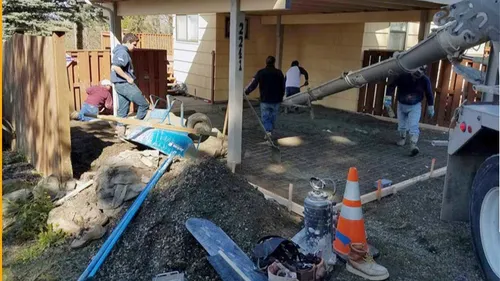
Honey Doo Wagon Septic Pumping
Irvine, CA
Honey Doo Wagon Septic Pumping is a full-service septic company serving Irvine, CA. They offer septic tank pumping, inspections, repairs, installations, replacements, and maintenance. With over 18 years of experience, the company provides a wide range of septic services backed by a commitment to professionalism and integrity.
Why Septic System Inspections Matter in Cypress
For Cypress homeowners not connected to the municipal sewer, the septic system is a silent workhorse, treating all household wastewater. Unlike a public sewer, maintenance is the homeowner's responsibility. A failing system can lead to sewage backups into the home, foul odors, and contamination of groundwater-a serious public health risk. Regular septic system evaluations are not just a good idea; they are often mandated by local regulations to prevent such failures.
Orange County Environmental Health oversees septic systems in the area, and compliance with their standards is mandatory. Whether you're a long-time resident, preparing to sell your home, or buying a property with a septic tank, understanding the inspection process is key to responsible homeownership.
Understanding Local Regulations and Requirements
Cypress falls under the jurisdiction of Orange County's environmental health regulations, which align with guidelines from the California Water Boards 1 2. Key requirements every homeowner should know include:
- Inspection Frequency: Routine septic tank inspections are recommended every 1 to 3 years to catch problems early 3. A more thorough inspection is typically required during a real estate transaction.
- Pumping Schedule: Tanks should generally be pumped every 3 to 5 years, though this depends heavily on household size and water usage.
- Permit Requirements: Any significant repair, alteration, or new installation of a septic system requires a permit from the Orange County Environmental Health Department 4. An inspection is usually part of the permitting process.
- Sewer Availability: If a public sewer line becomes available within 200 feet of your property, you may be legally required to connect to it and properly abandon your septic system.
Staying proactive with inspections helps you stay in compliance and avoid costly enforcement actions.
The Step-by-Step Septic Inspection Process
A comprehensive septic system assessment is methodical. Here's what you can expect a qualified professional to do during a full evaluation:
- Locating the System: The inspector will find all components, including the tank, distribution box, and drainfield, using probes, records, or electronic locating equipment.
- Uncovering Access Points: They will dig to and open the tank's manhole covers or access ports (risers). Having risers installed makes this step much easier and cheaper for future inspections.
- Measuring Sludge and Scum: This is a core part of the tank inspection. The inspector measures the depth of the sludge layer at the bottom and the scum layer at the top. If sludge fills more than one-third of the tank's liquid depth, pumping is needed 5.
- Inspecting Tank Integrity: After pumping (which is often recommended for a proper inspection), the interior of the tank is checked for cracks, leaks, and the condition of inlet and outlet baffles (or tees). Broken baffles can allow solids to escape and clog the drainfield.
- Performing a Flow/Dye Test: Water is run from the house to verify wastewater flows properly to the tank. Sometimes, a non-staining dye is flushed to check for surfacing effluent in the drainfield, indicating a blockage or failure.
- Evaluating the Drainfield: The inspector walks the drainfield area looking for telltale signs of failure, such as soggy soil, lush green grass over the lines, standing water, or unpleasant odors.
Find the perfect septic tank inspection companies for your needs
Get personalized recommendations and expert advice
Types of Septic Inspections
Not all inspections are the same. The scope depends on your goal.
- Routine Maintenance Inspection: A periodic check-up, often done during a pumping service, focusing on sludge levels and basic component function. This helps plan future maintenance.
- Full Comprehensive Inspection: A detailed evaluation following the steps above. This is the gold standard for understanding your system's complete health and is often required for septic system certification during a home sale.
- Point-of-Sale Inspection: Mandated by many counties during real estate transactions. This inspection must meet specific local standards and results in a pass/fail certificate that can affect the sale of the home 6.
Cost Factors for Inspection and Related Services
Understanding potential costs helps in budgeting. Prices vary based on system size, accessibility, and the inspection's comprehensiveness.
- Septic Tank Pumping: In the Cypress area, pumping costs typically range from $150 to $250 7. This is often a separate but related service.
- Septic System Inspection: A standard inspection fee generally falls between $300 and $500. For a full, detailed inspection required for a real estate transaction, costs can range from $500 to $1,000 or more, especially if the tank needs to be pumped to complete the visual inspection 8 9 10.
- Major Repair or Replacement: If an inspection reveals a failing system, repair costs can be significant. A complete septic system replacement in California can cost between $3,000 and $10,000 or higher, depending on soil conditions and system type 11 12.
Investing in a thorough inspection is minor compared to the cost of an emergency repair or system failure.
Maintaining Your System Between Inspections
A good inspection report is a starting point. Protect your investment with proper daily care:
- Conserve Water: Spread out laundry loads and fix leaks to avoid overloading the system.
- Mind What You Flush: Only human waste and toilet paper should go in. Avoid chemicals, grease, wipes, and feminine products.
- Protect the Drainfield: Never park or build over it. Divect rainwater runoff away from the area.
- Keep Records: Maintain a log of all inspections, pumpings, and repairs.
Finding a Qualified Inspector in Cypress
When searching for a septic professional, look for:
- Licensing: Ensure they are licensed by the state of California for onsite wastewater system work.
- Experience & Insurance: Choose an established company with liability insurance.
- Local Knowledge: Familiarity with Orange County soil types and regulations is a major advantage.
- Detailed Reporting: They should provide a clear, written report with photos and recommendations.
Frequently asked questions
Sources
Footnotes
-
California Septic Tank Requirements | Onsite Wastewater ... - https://www.ntotank.com/blog/california-septic-tank-requirements ↩
-
Onsite Wastewater Information (Septic Systems) - https://www.waterboards.ca.gov/centralcoast/water_issues/programs/septics/ ↩
-
Homeowner's Guide to Septic Systems - El Dorado County - https://www.eldoradocounty.ca.gov/files/assets/county/v/1/documents/government/environmental-management/environmental-management/septic-documents/epa_homeowner_septic_guide.pdf ↩
-
A Guide to Septic System Permits and Regulations - https://www.septicblue.com/a-guide-to-septic-system-permits-and-regulations ↩
-
Pumping and Inspecting Your System - Indian Health Service (IHS) - https://www.ihs.gov/california/index.cfm/offices/oehe/dsfc/drinking-water-and-sanitation/maintaining-your-septic-system-guide/pumping-and-inspecting-your-system/ ↩
-
Point of Sale Septic Inspections: What to Expect - https://westcoastsanitationinc.com/point-of-sale-septic-inspections-what-to-expect/ ↩
-
Maintaining your Septic System A Guide for Homeowners - https://www.ihs.gov/california/tasks/sites/default/assets/File/SFC-MaintainingYourSepticSystemGuide.pdf ↩
-
Buying or Selling a House with a Septic System - https://westcoastsanitationinc.com/buying-or-selling-a-house-with-a-septic-system/ ↩
-
What Is a Septic Inspection? Everything Homeowners Need to Know - https://www.redfin.com/blog/what-you-need-to-know-about-septic-inspections/ ↩
-
Septic System Inspection & Certification - Center Septic - https://centerseptic.com/septic-system-inspection/ ↩
-
Frequent Questions on Septic Systems | US EPA - https://www.epa.gov/septic/frequent-questions-septic-systems ↩
-
Compact Septic Systems: Big Solutions for Small Spaces - https://www.blueribbonseptic.com/blog/inspect-septic-system-buying-house ↩