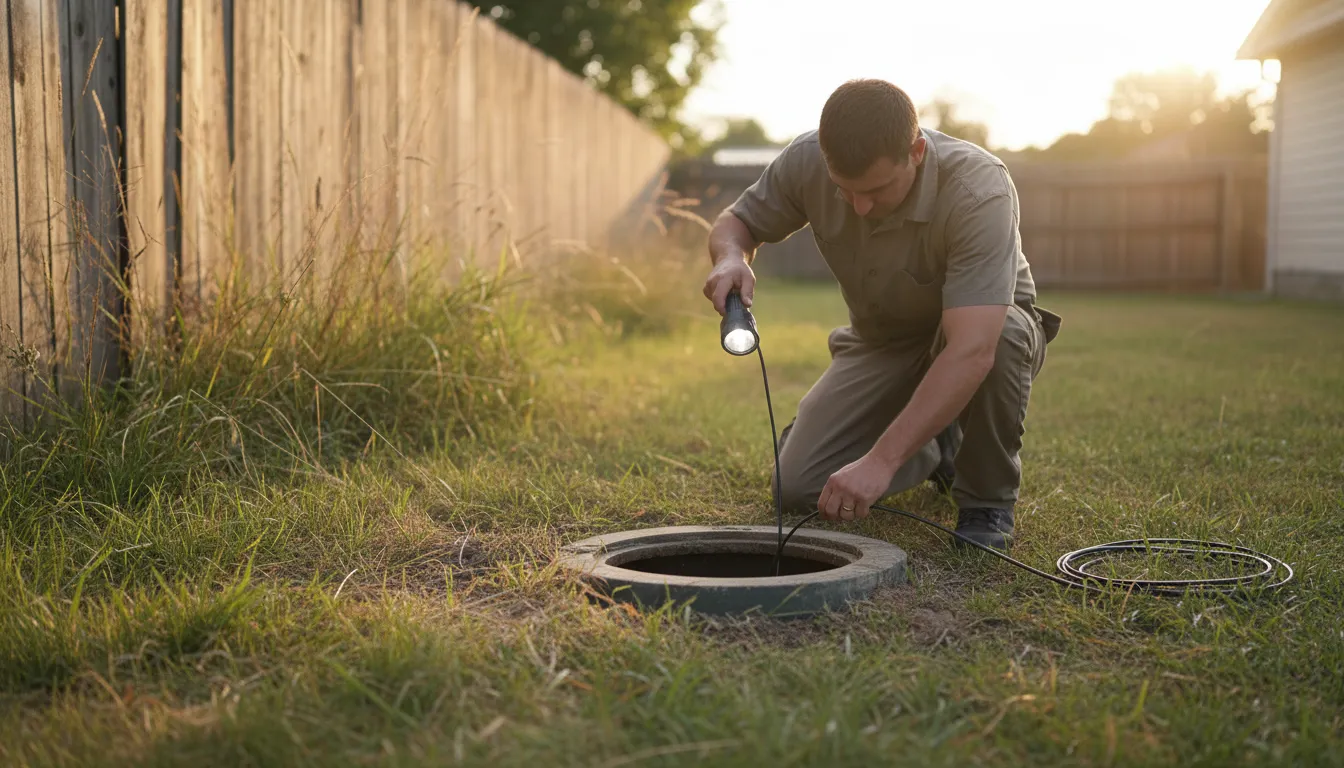
Find the Best Septic Tank Inspection Companies for Your Business
No obligation • Fast responses • Nationwide coverage

Why you can trust Septic Spot
Septic Spot is a leading United States resource for understanding and comparing septic services. Our editors review providers using consistent criteria and verify key business details. Listings and scores are independent, and companies cannot pay to influence our content.
Search providers near you
Top Septic Tank Inspection Companies in Diamond Bar, California Ranked
A professional septic tank inspection is a critical evaluation of your onsite wastewater treatment system to ensure it is functioning safely and efficiently. In Diamond Bar, these assessments are not just a good idea-they are often required by county health regulations to protect your property, your family's health, and the local environment. This guide will help you understand the process, regulations, and typical costs, empowering you to find and schedule a qualified local professional for your system evaluation.
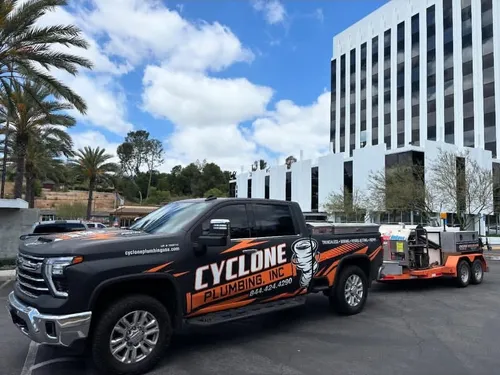
Cyclone Plumbing USA
1440 N Harbor Blvd suite 840, Fullerton, CA 92835
Cyclone Plumbing USA is a plumbing company based in Fullerton, CA, serving homes and businesses throughout Orange County. They offer a wide range of plumbing services, including septic tank inspection and septic system repair, as well as drain cleaning, hydro jetting, water heater installation, and leak detection. The company uses advanced equipment such as sewer cameras to diagnose issues and provides same-day repairs when needed. Cyclone Plumbing USA operates 24/7, offering emergency plumbing services at any time. The team at Cyclone Plumbing USA consists of licensed and insured professionals with years of hands-on experience. They emphasize transparency and fair pricing while delivering quality workmanship. Their commitment to customer satisfaction and comprehensive maintenance plans helps prevent costly repairs and ensures plumbing systems function efficiently.
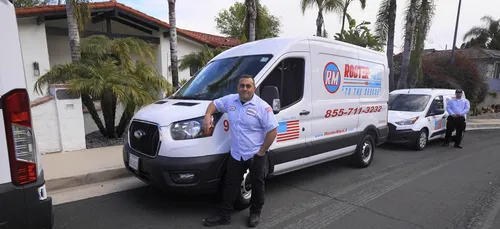
Rooter Man Plumbing of Orange
521 W Katella Ave, Orange, CA 92867
Rooter Man Plumbing of Orange provides septic tank pumping and inspection services in Santa Ana, CA. They offer a wide range of plumbing solutions including emergency repairs, drain cleaning, sewer line replacement, and hydro jetting. The company is equipped to handle both residential and commercial plumbing needs with capabilities such as leak detection and water heater maintenance. Emergency plumbing services are available 24/7 to address urgent issues at any time.
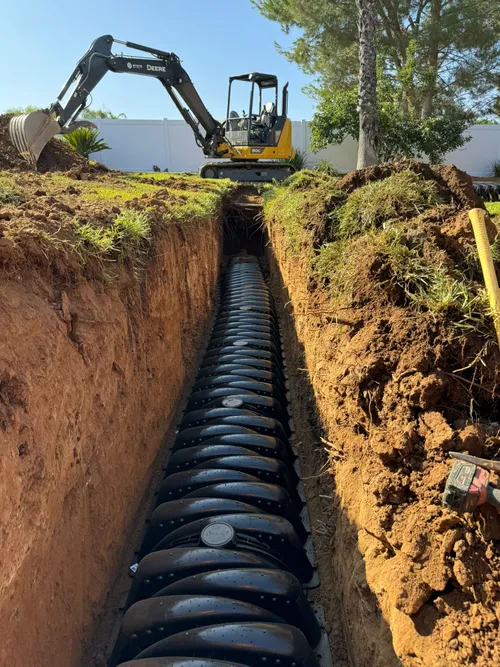
The Pink Septic Services
Riverside, CA
The Pink Septic Services is a septic tank inspection company based in Riverside, CA. They provide expertise in identifying and addressing common septic system issues, including odor problems both inside and outside the home. Their services include inspecting P traps, toilet seals, septic tank covers, and vent pipes to locate sources of septic gases. The company advises on practical solutions such as water replenishment in traps and installing charcoal filters to reduce odors. While specific years in business are not stated, The Pink Septic Services focuses on thorough septic system inspections to help maintain proper function and prevent potential failures.
Honey Doo Wagon Septic Pumping
Irvine, CA
Honey Doo Wagon Septic Pumping is a full-service septic company serving Irvine, CA. They offer septic tank pumping, inspections, repairs, installations, replacements, and maintenance. With over 18 years of experience, the company provides a wide range of septic services backed by a commitment to professionalism and integrity.
Countywide Septic Pumping LLC
5290 Capella Ct, Jurupa Valley, CA 91752
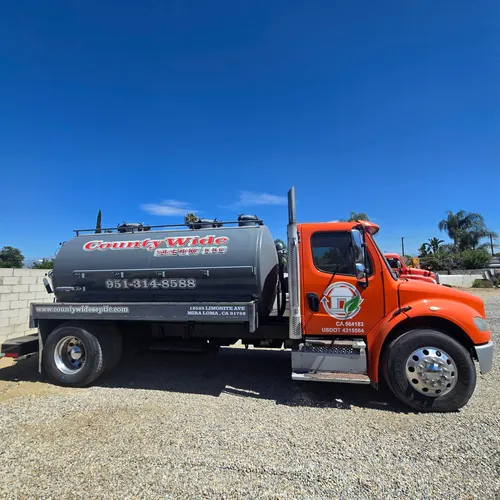
Countywide Septic Pumping LLC provides septic tank installation, pumping, inspection, and repair services in Los Angeles, CA, and surrounding counties including Riverside, Orange, and San Bernardino. They serve both residential and commercial clients, handling everything from soil sampling and permit acquisition to system maintenance and emergency repairs. The company offers 24-hour emergency septic tank pumping and repair services to address urgent needs promptly. Countywide Septic Pumping uses updated equipment to ensure effective septic system performance and safe installation, supporting properties where municipal water and sewage services are unavailable.
Why Septic System Inspections Are Essential in Diamond Bar
Your septic system is a significant, out-of-sight investment that manages all the wastewater from your home. Regular system evaluations are the most effective way to prevent catastrophic failures, which can lead to raw sewage backing up into your home or surfacing in your yard-a serious health hazard and an environmental violation. In Diamond Bar, properties are governed by the Los Angeles County Public Health (LACPH) Department and must comply with California's Onsite Wastewater Treatment Systems (OWTS) policy. A licensed inspection provides the documentation needed to prove your system is compliant with strict local rules regarding setbacks from wells and groundwater.
Beyond compliance, a routine septic assessment saves you money. Identifying minor issues like a clogged baffle or early signs of drainfield saturation during a check-up allows for affordable repairs. Catching problems early is far less expensive than the $10,000+ cost of a full system replacement. For homeowners, maintaining a detailed log of all inspections, pumping, and repairs is highly advised, as this record is invaluable during property transactions and for any regulatory inquiries1 2.
When Is a Septic Inspection Required?
Understanding the triggers for a mandatory system inspection can help you plan and avoid legal or transactional delays.
- Property Sale or Transfer: This is one of the most common reasons. A point-of-sale inspection is frequently required by lenders, buyers, or local ordinances to ensure the system is functional before the property changes hands.
- Suspected System Failure: Signs like slow drains, gurgling pipes, sewage odors indoors or outdoors, soggy ground or lush grass over the drainfield, and sewage backing up into the home are clear indicators that an immediate system evaluation is necessary.
- Routine Maintenance: Even without problems, experts like the U.S. EPA recommend a professional inspection every 1 to 3 years. This proactive schedule aligns with the typical 3-5 year pumping cycle, allowing you to combine services.
- For Alternative Systems: If your home uses an advanced treatment system (like an aerobic treatment unit or sand filter), it may require more frequent, often annual, inspections as per manufacturer and regulatory guidelines.
The Step-by-Step Septic Inspection Process
Knowing what to expect during a professional septic system evaluation demystifies the service. A thorough inspection by a Qualified Professional (QP) or licensed contractor involves several key stages.
1. Locating and Exposing the System
The inspector will first locate your septic tank and drainfield, often using property records or special probes. Modern systems should have risers installed, which are access ports that extend to the ground surface. If risers aren't present, the inspector will need to excavate to uncover the tank's manhole covers for inspection.
2. Tank Interior Assessment
Once the tank is opened, the inspector performs a detailed internal check:
- Liquid Level & Flow Check: They will check the inlet and outlet liquid levels to ensure wastewater is flowing into and out of the tank properly, which can reveal blockages or leaks.
- Sludge and Scum Measurement: Using specialized tools, the inspector measures the depth of the sludge layer at the bottom and the scum layer at the top. This determines if the tank needs to be pumped. If the combined thickness of these layers is too great, it can allow solids to escape into the drainfield, causing failure.
- Component Inspection: The structural integrity of the tank (concrete, fiberglass, etc.), the condition of the inlet and outlet baffles or tees, and all connecting pipes are examined for damage, corrosion, or clogs3.
3. Drainfield (Leach Field) Evaluation
The inspector will examine the area above and around your drainfield for telltale signs of failure. They look for overly saturated soil, standing water, foul odors, or unusually vigorous plant growth-all indicators that the drainfield is not properly absorbing and filtering the treated effluent4.
4. Pumping (If Needed)
If the sludge and scum measurements indicate the tank is more than one-third full, pumping is usually recommended. Many homeowners opt to combine the inspection with pumping service for efficiency. The inspector or a pumping crew will use a vacuum truck to remove all solid and liquid waste from the tank for proper disposal.
5. Final Report
A professional inspection concludes with a detailed written report. This document outlines the condition of every component, notes any issues found, provides recommendations for repairs or maintenance, and states whether the system passed or failed the evaluation. This report is your official record for compliance, maintenance planning, or real estate transactions5 6.
Find the perfect septic tank inspection companies for your needs
Get personalized recommendations and expert advice
Understanding Septic Inspection Costs in Diamond Bar
The cost of a septic system check-up in Diamond Bar depends on the scope of service and your system's specifics. Here's a general breakdown based on typical market rates:
- Inspection Only: A standard visual and operational inspection typically ranges from $300 to $6007. This covers the evaluator's time, expertise, and report.
- Inspection with Pumping: Bundling a full inspection with a tank pumping service is common. This combined service generally costs between $500 and $900 or more, with the final price heavily influenced by the size of your tank (e.g., 1,000-gallon vs. 1,500-gallon)8 9.
- Additional Factors: The final quote can be affected by how easy your tank is to access (the need for excavation adds cost), whether you have risers installed, and the individual pricing structure of the service provider.
Important Note: While cost is a factor, the most critical consideration is hiring a licensed and qualified professional. In Los Angeles County, septic work must be performed by a contractor licensed in the specific trade (like C-42 or C-36) or a Qualified Professional (QP) registered with the county10 11. Their expertise ensures the inspection meets regulatory standards and accurately assesses your system's health.
Los Angeles County Regulations You Need to Know
Diamond Bar homeowners must navigate a specific regulatory landscape. Key requirements include:
- Permits Are Mandatory: A permit from LACPH is required for any new septic system installation, a major repair, or a complete system replacement. An inspection is a core part of the permitting process.
- Qualified Professionals (QPs): The county maintains a list of individuals (engineers, geologists, etc.) who are qualified to design, inspect, and certify OWTS. Many inspections, especially for complex systems or property transfers, may require a QP's signature.
- Setback Requirements: California's OWTS policy enforces strict minimum distances (setbacks) between septic system components and wells, property lines, waterways, and structures. A professional inspection verifies your system continues to meet these vital public health protections12.
- Record Keeping: As mentioned, maintaining a file with your system's as-built diagram, all inspection reports, and pumping receipts is not just advised-it's a practical necessity for responsible homeownership in Diamond Bar.