Find the Best Septic Tank Inspection Companies for Your Business
No obligation • Fast responses • Nationwide coverage

Why you can trust Septic Spot
Septic Spot is a leading United States resource for understanding and comparing septic services. Our editors review providers using consistent criteria and verify key business details. Listings and scores are independent, and companies cannot pay to influence our content.
Search providers near you
Top Septic Tank Inspection Companies in Escondido, California Ranked
A septic tank inspection is a critical evaluation of your onsite wastewater system's health and functionality. In Escondido, where many homes rely on these private systems, a professional assessment is essential for protecting your property value, ensuring public health, and complying with local regulations. This guide will help you understand the inspection process, local requirements, and how to find qualified professionals to evaluate your system.

All-American Septic Pumping & Services, Inc
29105 Valley Center Rd Suite 115, Valley Center, CA 92082
All-American Septic Pumping & Services, Inc provides septic tank pumping, inspection, and repair services in Los Angeles, CA. They assist with maintaining and repairing septic systems to ensure proper function and compliance with local standards. Customers can conveniently book appointments online.
Anytime Septic Service
8867 Gardena Rd, Lakeside, CA 92040
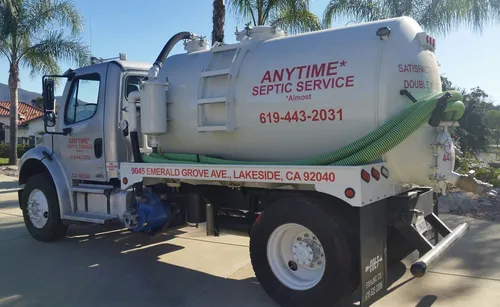
Anytime Septic Service is a family-owned company serving San Diego, CA, with over 55 years of experience in septic system care. They provide septic tank pumping, inspection, repairs, and installation across multiple local communities including El Cajon, Lakeside, La Mesa, and others. The team uses modern techniques and equipment to ensure septic systems function properly, offering thorough visual inspections and detailed explanations of their findings. They also provide after-hours emergency service for urgent septic needs.
The San Diego Inspectors Company
4538 Cass St suite 14-D1, San Diego, CA 92109
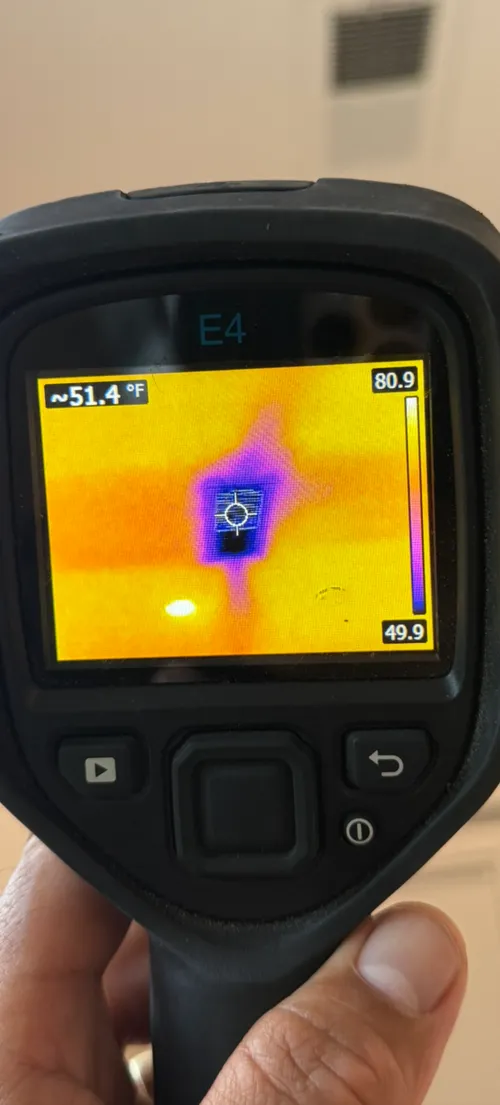
The San Diego Inspectors Company is a certified home inspection provider based in San Diego, CA. They offer a wide range of inspection services including septic tank inspection, sewer line inspection, mold inspection, thermal imaging, and pool and spa inspection. Their team is certified by the International Association of Certified Home Inspectors (InterNACHI) and uses advanced equipment to deliver detailed reports. The company is known for thorough inspections that help buyers and sellers make informed decisions during real estate transactions. They also provide specialized inspections such as 4-point inspections and mobile home inspections.
Zoom Drain SD North County
1317 Simpson Way Suite B, Escondido, CA 92029
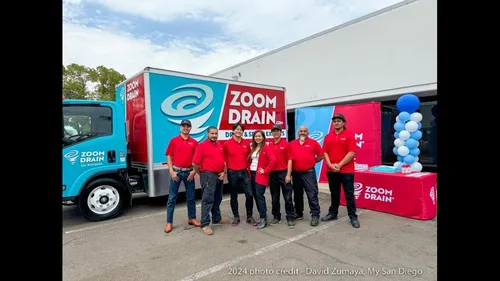
Zoom Drain SD North County is a septic tank inspection company based in San Diego, CA, serving Escondido and surrounding areas. They specialize in drain and sewer services for residential and commercial clients, using advanced camera inspection technology to accurately diagnose plumbing issues such as clogs, leaks, and root intrusion. Their capabilities include high-pressure hydro jetting and eco-friendly treatments like RootX herbicide and CitraJet to maintain and restore plumbing systems. The company is known for tailored maintenance plans and supports real estate transactions with thorough inspections.
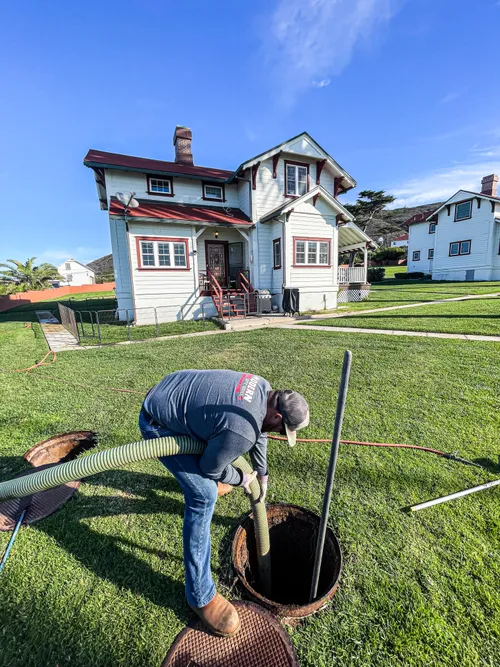
Modern Septic Service
1506 Pioneer Way, El Cajon, CA 92020
Modern Septic Service is a family-owned septic tank pumping, inspection, and repair company serving San Diego, CA. With over 60 years of experience, they provide residential and commercial septic services, including routine pumping, cleaning, troubleshooting, and maintenance. The company specializes in handling large-capacity septic systems for various commercial and municipal clients, offering 24/7 emergency pumping services and supporting public works projects with prevailing wage compliance. Founded in 1960, Modern Septic Service has grown through three generations, expanding its fleet and capabilities to meet diverse septic system needs across San Diego County.
Understanding Septic Systems in Escondido
Escondido, like many parts of San Diego County, has numerous properties not connected to municipal sewer lines. These homes depend on Onsite Wastewater Treatment Systems (OWTS), commonly known as septic systems, to safely process household wastewater. The system consists of a septic tank, where solids settle and begin to decompose, and a leach field (or drain field), where the treated liquid effluent is dispersed into the soil for final purification.
Proper maintenance, centered around regular inspections and pumping, is not just a recommendation-it's a necessity for environmental safety. A failing system can lead to groundwater contamination, unpleasant odors, and costly property damage. In Escondido, septic systems fall under the regulatory oversight of the County of San Diego Department of Environmental Health and Quality (DEHQ) 1. This agency sets the standards for installation, operation, and inspection to protect both individual homeowners and the community.
Why You Need a Professional Septic Inspection
Scheduling a routine septic system evaluation is one of the most responsible steps a homeowner can take. Think of it as a comprehensive physical exam for your property's wastewater infrastructure. There are several key scenarios that necessitate a professional inspection:
- Property Transfer (Point of Sale): California law typically requires a septic system inspection prior to the sale of a property. This "point of sale" inspection ensures the system is functioning correctly for the new owner and is a standard part of real estate transactions in Escondido.
- Routine Maintenance: Even without a sale, experts recommend a system assessment every 3-5 years. This proactive approach helps identify minor issues before they become major, expensive failures.
- Signs of Trouble: If you notice warning signs like slow drains, sewage backups, soggy ground or foul odors near the tank or leach field, an immediate inspection is crucial.
- Home Improvement: Planning a renovation or addition that may increase water usage? An inspection can determine if your existing system can handle the increased load.
- Permitting for New Systems: If you're building a new home or replacing a failed system, the county requires detailed site evaluations and design plans approved by a qualified professional before issuing a permit.
The Septic Inspection Process: What to Expect
A thorough septic tank inspection conducted by a licensed contractor follows a detailed, multi-step process. It's far more than just looking into a tank. Here's what a standard evaluation entails, often based on guidelines from organizations like the National Association of Certified Home Inspectors (InterNACHI):
- Record Review & Site History: The inspector will start by reviewing any available records, including past maintenance logs, as-built drawings of the system, and county permits. This provides valuable context about the system's age, design, and maintenance history.
- Locating System Components: The professional will locate and expose the septic tank's access lids, the distribution box (if present), and map the general area of the leach field. Accurate location is the first step to a proper assessment.
- Tank Access & Visual Inspection: The tank lids are carefully removed. The inspector visually checks the interior for structural integrity, looking for cracks, corrosion, or signs of collapse. The inlet and outlet baffles are examined to ensure they are intact and functioning; damaged baffles can allow solids to escape into the leach field, causing clogs and failure 2.
- Sludge and Scum Measurement: This is a core part of the inspection. Using a tool like a "sludge judge," the inspector measures the depth of the sludge layer at the bottom of the tank and the scum layer floating on top. A general rule is that if the combined sludge and scum occupy more than one-third of the tank's liquid depth, pumping is immediately needed 3.
- Hydraulic Load Test & Flow Check: The inspector may run water from the house to check the flow into the tank and ensure there are no blockages in the inlet or outlet pipes. They verify that wastewater is moving from the tank to the distribution system as intended.
- Leach Field Evaluation: The inspector surveys the entire leach field area for signs of failure. This includes looking for surfacing sewage, overly lush or soggy patches of grass, and persistent unpleasant odors-all indicators that the field is saturated and not properly absorbing effluent.
- Report & Recommendations: After the evaluation, you will receive a detailed report outlining the system's condition. This report will note any issues found, state whether the system passed or failed the inspection, and provide clear recommendations for any necessary repairs, maintenance, or pumping.
Find the perfect septic tank inspection companies for your needs
Get personalized recommendations and expert advice
Local Regulations and Compliance in San Diego County
Navigating local regulations is a key part of septic system ownership in Escondido. The County of San Diego DEHQ enforces specific rules to ensure systems are safe and effective. Key regulations include:
- Licensed Professionals: All inspections for permitting or point-of-sale must be performed by a state-licensed septic contractor or other qualified professional recognized by the county.
- Point of Sale Requirements: As mentioned, an inspection is mandatory during property transfer. The inspection report must often be submitted to the county to certify the system is operational before the sale can be finalized 4.
- Permits for Work: Any new installation, repair, or replacement of a septic system requires a permit from the DEHQ. The process involves soil testing (percolation tests), submission of engineered design plans, and inspections during construction 5 6.
- Alternative Systems: In areas with poor soil conditions (common in parts of Southern California), conventional leach fields may not be viable. Homeowners may need to install an Advanced Treatment Unit (ATU). These sophisticated systems require an annual operating permit and more frequent monitoring and maintenance 7.
Cost of Septic Inspections and Related Services in Escondido
Understanding the potential costs helps homeowners budget for this essential service. Prices can vary based on the tank size, its accessibility, the complexity of the system, and the scope of the inspection.
- Inspection Only: A standard septic system inspection in the Escondido area typically ranges from $300 to $600+. The cost may be higher if the tank access ports are buried and require excavation.
- Pumping Service: If the inspection reveals the tank needs to be pumped, that service generally costs between $500 and $900+, depending on tank size (e.g., 1,000-gallon vs. 1,500-gallon) and location 8 9.
- Combined Inspection & Pumping: It's common to bundle these services, especially during a property transfer or routine maintenance. You can expect a total cost in the range of $800 to $1,500+ 10.
- Major Repairs or Replacement: Addressing a failed baffle, repairing a damaged pipe, or dealing with a compromised tank is more costly. Complete system failure requiring a new leach field or full system replacement is a significant investment, often ranging from $3,000 to $10,000 or more 11.
Maintaining Your System Between Inspections
A professional inspection every few years is vital, but day-to-day care extends the life of your system. Follow these best practices:
- Pump Regularly: Don't wait for a problem. Have your tank pumped by a professional every 3-5 years, or as recommended based on your household size and inspection results.
- Conserve Water: Spread out laundry loads, fix leaky faucets, and install water-efficient fixtures. Reducing the flow into the tank prevents overload.
- Mind What You Flush: Only human waste and toilet paper should go down the drain. Never flush wipes (even "flushable" ones), feminine hygiene products, dental floss, diapers, or cat litter 12.
- Trash the Grease: Never pour cooking oils, fats, or grease down the drain. They solidify in pipes and the tank, causing blockages.
- Avoid Harsh Chemicals: Minimize the use of bleach, antibacterial soaps, and strong drain cleaners, which can kill the beneficial bacteria essential for breaking down waste in the tank.
- Protect the Leach Field: Never drive or park vehicles over the leach field. Avoid planting trees or deep-rooted shrubs nearby, as roots can invade and clog pipes. Do not build decks, sheds, or patios over this area 13.
Frequently asked questions
Sources
Footnotes
-
Septic Systems - County of San Diego - https://www.sandiegocounty.gov/content/sdc/deh/lwqd/lu_septic_systems.html ↩
-
What Is a Septic Tank Inspection - https://martinseptic.com/what-does-a-septic-tank-inspection-involve/ ↩
-
Septic System Inspections - InterNACHI - https://www.nachi.org/inspecting-septic-systems.htm ↩
-
Point of Sale Septic Inspections: What to Expect - https://westcoastsanitationinc.com/point-of-sale-septic-inspections-what-to-expect/ ↩
-
Septic Systems | Riverside County Department of Environmental Health - https://rivcoeh.org/septic-systems ↩
-
The SoCal Guide to Septic Tank Installation - https://www.lanikseptic.com/socal-guide-septic-tank-installation/ ↩
-
California Septic Tank Requirements | Onsite Wastewater ... - https://www.ntotank.com/blog/california-septic-tank-requirements ↩
-
Maintaining your Septic System A Guide for Homeowners - https://www.ihs.gov/california/tasks/sites/default/assets/File/SFC-MaintainingYourSepticSystemGuide.pdf ↩
-
Septic Pumping Service Inc.: Plumber Escondido, CA | Septic Pumping Service 92027 - https://escondidosepticpumper.com/ ↩
-
Septic System Inspection & Certification - Center Septic - https://centerseptic.com/septic-system-inspection/ ↩
-
Stay Compliant: Avoid Fines with Septic System Regulations - https://smartsepticpros.com/blog/septic-system-regulations/ ↩
-
Frequent Questions on Septic Systems | US EPA - https://www.epa.gov/septic/frequent-questions-septic-systems ↩
-
Building a New Home in Riverside County? Septic System ... - https://www.lanikseptic.com/septic-system-installation-guide/ ↩