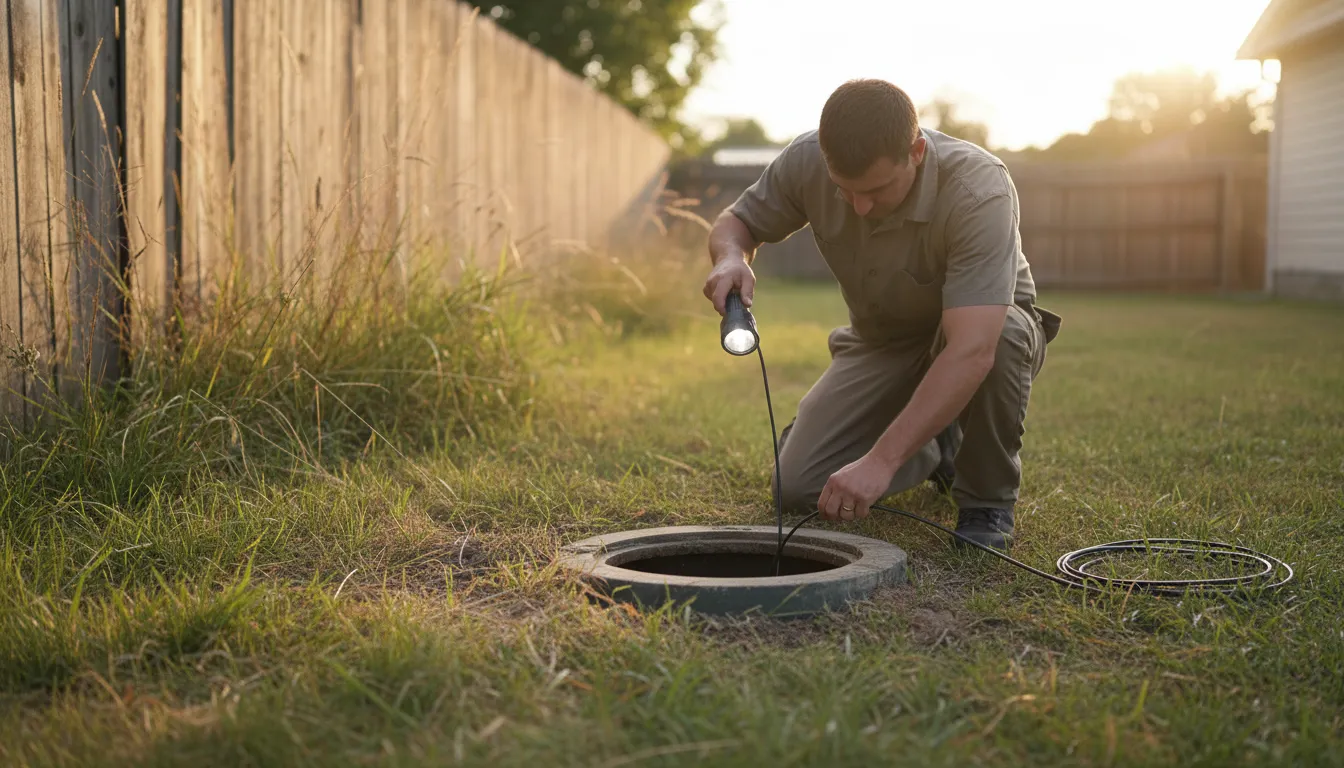
Find the Best Septic Tank Inspection Companies for Your Business
No obligation • Fast responses • Nationwide coverage

Why you can trust Septic Spot
Septic Spot is a leading United States resource for understanding and comparing septic services. Our editors review providers using consistent criteria and verify key business details. Listings and scores are independent, and companies cannot pay to influence our content.
Search providers near you
Top Septic Tank Inspection Companies in Gilroy, California Ranked
A professional septic tank inspection is a critical evaluation of your onsite wastewater treatment system's condition and functionality. In Gilroy, where many homes rely on these private systems, an inspection is essential for protecting your property value, ensuring public health, and complying with local regulations. Whether you're buying or selling a home, planning a renovation, or simply maintaining your property, this guide will help you understand the process, requirements, and how to find qualified local professionals to conduct your system assessment.
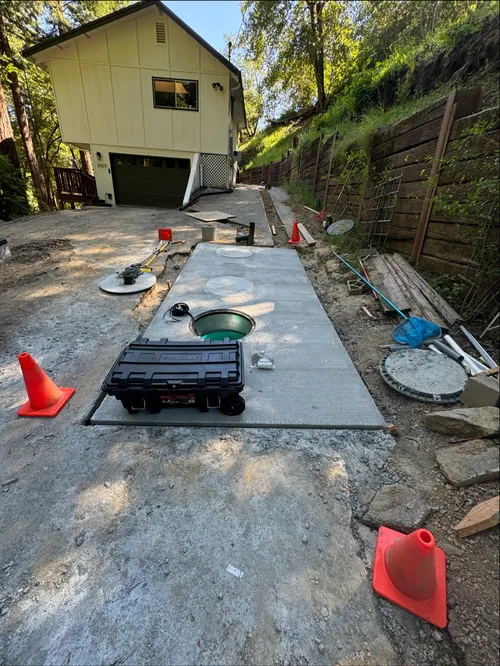
Wade's Plumbing & Septic
San Jose, CA
Wade's Plumbing & Septic is a family-owned company serving San Jose, CA, and licensed in California and Georgia. They specialize in septic tank pumping, inspection, repair, and installation, with a focus on enhanced treatment systems designed for challenging sites such as steep slopes, limited space, and environmentally sensitive areas. Their services include plumbing repairs and preventative maintenance, delivered by licensed professionals since 2021. Wade's offers upfront flat-rate pricing and emphasizes honest recommendations without upselling. They operate during regular business hours on weekdays.
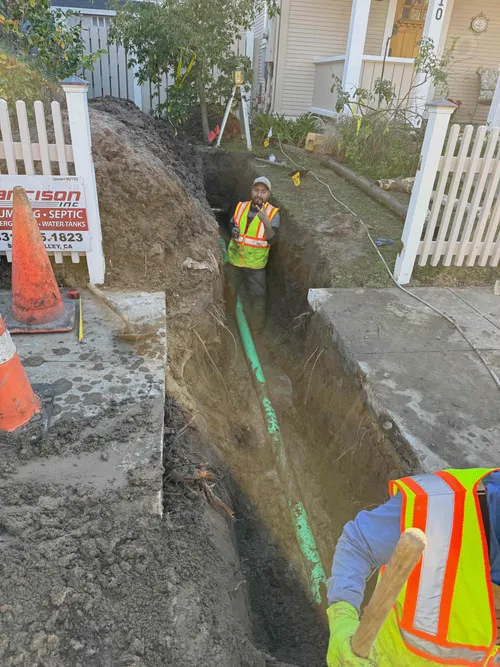
Garrison Plumbing Inc.
San Jose, CA
Garrison Plumbing Inc. is a licensed and insured septic and plumbing company serving San Jose, CA. Established in 1999, they offer septic tank pumping and inspection services, along with other plumbing needs including water tanks, heaters, and filtration systems. Their team can identify and investigate potential septic issues during service, providing comprehensive support for septic system maintenance and repairs.
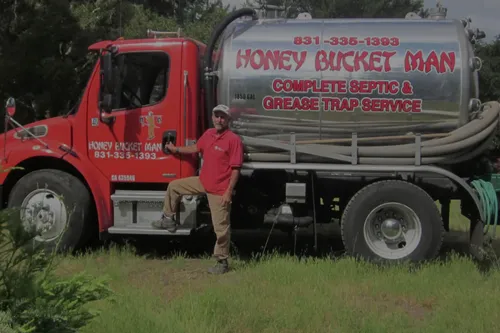
The Honey Bucket Man
6116 CA-9 # D, Felton, CA 95018
The Honey Bucket Man is a septic service provider located in San Jose, CA. They offer septic system cleaning, minor repairs, tank locating and uncovering, real estate inspections, and installation of new lids. Their services cover a range of septic system needs, including troubleshooting common problems to maintain system function.
Environmental Septic Solution
Stockton, CA
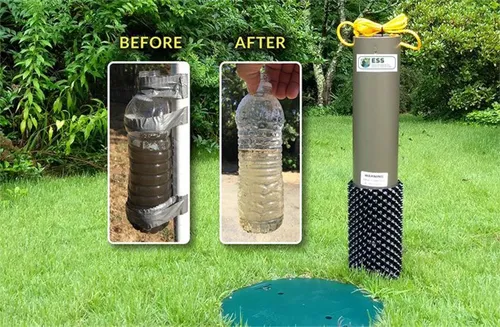
Environmental Septic Solution is a septic system service provider based in Stockton, CA. They specialize in septic tank pumping, inspection, repair, and drain field restoration using a proprietary aerobic bacteria technology. This system is designed to break down organic waste and biomat buildup, helping to avoid costly and invasive drain field replacements. Since 2007, they have offered solutions that can restore failing septic systems and reduce the need for frequent pumping. Their approach aims to maintain septic system function while protecting the environment.

Viking Septic Salinas
1337 Palmera Ave, Salinas, CA 93905
Viking Septic Salinas provides septic tank pumping and inspection services in Salinas, CA. The company helps maintain private septic systems to prevent environmental pollution by offering thorough cleaning and inspection using industry-standard tools and methods. Their team explains the process clearly and works to protect surrounding areas during service.
Why Septic System Inspections Are Crucial in Gilroy
In Santa Clara County, septic systems, formally known as Onsite Wastewater Treatment Systems (OWTS), are regulated by the County Department of Environmental Health (DEH). A failing system is not just a homeowner's problem; it can contaminate groundwater, create public health hazards, and lead to significant property damage. Regular septic evaluations are the best way to catch minor issues before they become expensive, permit-required repairs. For homeowners, a clean inspection report provides peace of mind that one of your property's most vital utilities is operating safely and efficiently.
When Is a Septic Inspection Required?
Understanding the local triggers for a mandatory system check can save you from legal and financial headaches. In Gilroy and throughout California, certain events legally necessitate a professional inspection.
Property Transfer (Real Estate Sale): California law mandates that any property sold with a septic system must undergo a professional inspection prior to the transfer of ownership1 2. This "point-of-sale" inspection is a standard part of real estate transactions and must be performed by a licensed company. The resulting report documents the entire system's functionality and is a key piece of due diligence for both buyers and sellers3.
Major Building Additions: If you plan to add onto your home-such as adding a bedroom, expanding square footage, or installing a pool-the Santa Clara County DEH requires a "septic clearance." This process involves submitting a current septic pumper's report (from within the last three years) and may require a 30-minute water flow test to prove the existing system can handle the increased load4.
Suspected System Failure: If you notice warning signs like sewage odors, soggy ground or pooling water over the drainfield, or drains backing up in your home, an immediate inspection is needed. A failing system requires an emergency repair permit from the DEH, and the tank must be pumped immediately to prevent surfacing sewage until repairs are complete5.
What a Professional Septic Inspection Involves
A thorough septic system evaluation in Gilroy is a multi-step process conducted by a licensed inspector or pumper. It goes far beyond just looking at the tank. Here's a breakdown of what you can expect during a standard professional inspection.
1. Record Review & Site History The inspector will start by gathering information. They will ask for the last pumping date, try to determine the system's age and design, and review any available past inspection or permit records. This historical context helps them understand what to look for during the physical assessment.
2. Locating & Accessing System Components The inspector must locate the tank and drainfield. If risers (access ports to the tank) are not already installed, they may need to excavate to open the tank lids. Having risers installed beforehand can save time and money on inspection day.
3. Visual Assessment of the Drainfield A key part of the inspection happens above ground. The inspector will walk the entire drainfield area looking for telltale signs of failure: unpleasant odors, areas of persistently soggy soil, pooling effluent (wastewater), or patches of unusually lush, green grass 6. These indicate that the soil is no longer properly absorbing and filtering the treated wastewater.
4. Tank Interior Inspection Once the tank is opened, the inspector performs several critical measurements and checks:
- Liquid Level: They confirm the liquid level is at the base of the outlet pipe. A level higher than this suggests a blockage or a drainfield that is not accepting effluent.
- Solids Measurement: The inspector measures the thickness of the "scum" layer (floating fats, oils, and grease) and the "sludge" layer (settled solids) at the bottom of the tank. A general rule is that pumping is needed if the combined depth of these layers exceeds one-third of the tank's liquid depth7.
- Structural Integrity: The tank walls, lids, and baffles are checked for cracks, corrosion, or deterioration that could compromise the tank's watertightness.
- Baffle & Filter Check: The inlet and outlet baffles (which direct the flow of wastewater) are inspected for damage. If the system has an effluent filter (which prevents solids from leaving the tank), it will be removed and cleaned 8.
Find the perfect septic tank inspection companies for your needs
Get personalized recommendations and expert advice
5. Operational & Flow Testing To see the system in action, the inspector will often conduct a load test. This involves running a substantial amount of water from the house (e.g., multiple faucets and showers) and observing how the tank accepts the inflow and discharges it to the drainfield. This test helps identify hydraulic overloading issues 9.
6. Advanced Diagnostics (If Needed) For a more in-depth analysis, some inspections may include a camera line inspection. A specialized camera is snaked through the home's main sewer line and into the tank's inlet to check for root intrusion, blockages, or broken pipes between the house and the tank10.
Understanding Santa Clara County Regulations for Pumping & Hauling
An inspection often leads to a recommendation for pumping. It's vital to know that Santa Clara County has strict rules about who can perform this service. Only Registered Liquid Waste Haulers in good standing with the County are permitted to pump septic tanks in Gilroy11. These haulers are required to pump both compartments of a septic tank clean during service and must dispose of the waste at approved facilities11 12. Always verify a provider's county registration before hiring them for pumping.
Maintaining Your System Between Inspections
A good inspection result is a snapshot of your system's health. To keep it functioning well, consistent maintenance is key. The U.S. EPA and local health officials recommend13 14 15:
- Regular Pumping: Have the tank pumped every 3-5 years by a registered hauler, depending on household size and usage.
- Water Conservation: Spread out water use and fix leaks to avoid overloading the drainfield.
- Mind What You Flush: Only human waste and toilet paper should go down the drain. Avoid chemicals, grease, wipes (even "flushable" ones), and feminine hygiene products.
- Protect the Drainfield: Never park or drive over it, and plant only grass over the area. Keep roof drains and sump pumps directed away from it.
Frequently asked questions
Sources
Footnotes
-
Point of Sale Septic Inspections: What to Expect - https://westcoastsanitationinc.com/point-of-sale-septic-inspections-what-to-expect/ ↩
-
ONSITE SYSTEMS MANUAL - California Water Boards - https://www.waterboards.ca.gov/sanfranciscobay/board_info/agendas/2016/January/SantaClaraOWTS/SCC_OWTS_B_Onsite_Systems_Manual.pdf ↩
-
A Guide for Selling a Home with a Septic System - https://www.a1tank.net/septic-and-selling-what-real-estate-agents-wish-homeowners-knew/ ↩
-
Application for septic/OWTS clearance for major building additions - https://deh.santaclaracounty.gov/land-use/onsite-wastewater-treatment-system-owts/application-septicowts-clearance-major-building-additions ↩
-
Application for repair of failing septic/OWTS - Environmental Health - https://deh.santaclaracounty.gov/land-use/onsite-wastewater-treatment-system-owts/application-repair-failing-septicowts ↩
-
A 3-Step Checklist for Septic Tank Inspection - https://www.aaapumpingservice.net/a-3-step-checklist-for-septic-tank-inspection ↩
-
Septic Tank Inspection Checklist: Free PDF Download - https://www.servicetitan.com/templates/septic/inspection-checklist ↩
-
How to Get Septic to Pass Inspection - https://www.guardianangelinspections.com/how-to-get-septic-to-pass-inspection ↩
-
Free Septic Tank Inspection Templates | PDF | SafetyCulture - https://safetyculture.com/checklists/septic-tank-inspection ↩
-
Septic Tank Testing & Inspection | What to Expect Guide | Blog - https://www.blueribbonseptic.com/blog/septic-tank-testing-and-inspection ↩
-
PUMPER VEHICLE PERMIT APPLICATION - Santa Clara County - https://files.santaclaracounty.gov/migrated/Permit%20Application%20-%20Pumper%20Vehicles%202022%20with%20Reg%20Guidance%20for%20Septic%20Tank%20SWP-092.pdf?VersionId=pzrjhJtFQZYIhCNyjUfZOoNelMGh5Su5 ↩ ↩2
-
Maintenance of an OWTS - https://scceh.com/NewHome/Programs/LandUse/MaintenanceofanOWTS.aspx ↩
-
Frequent Questions on Septic Systems | US EPA - https://www.epa.gov/septic/frequent-questions-septic-systems ↩
-
How to Care for Your Septic System | US EPA - https://www.epa.gov/septic/how-care-your-septic-system ↩
-
Maintaining your Septic System A Guide for Homeowners - https://www.ihs.gov/california/tasks/sites/default/assets/File/SFC-MaintainingYourSepticSystemGuide.pdf ↩