Find the Best Septic Tank Inspection Companies for Your Business
No obligation • Fast responses • Nationwide coverage

Why you can trust Septic Spot
Septic Spot is a leading United States resource for understanding and comparing septic services. Our editors review providers using consistent criteria and verify key business details. Listings and scores are independent, and companies cannot pay to influence our content.
Search providers near you
Top Septic Tank Inspection Companies in Glendale, California Ranked
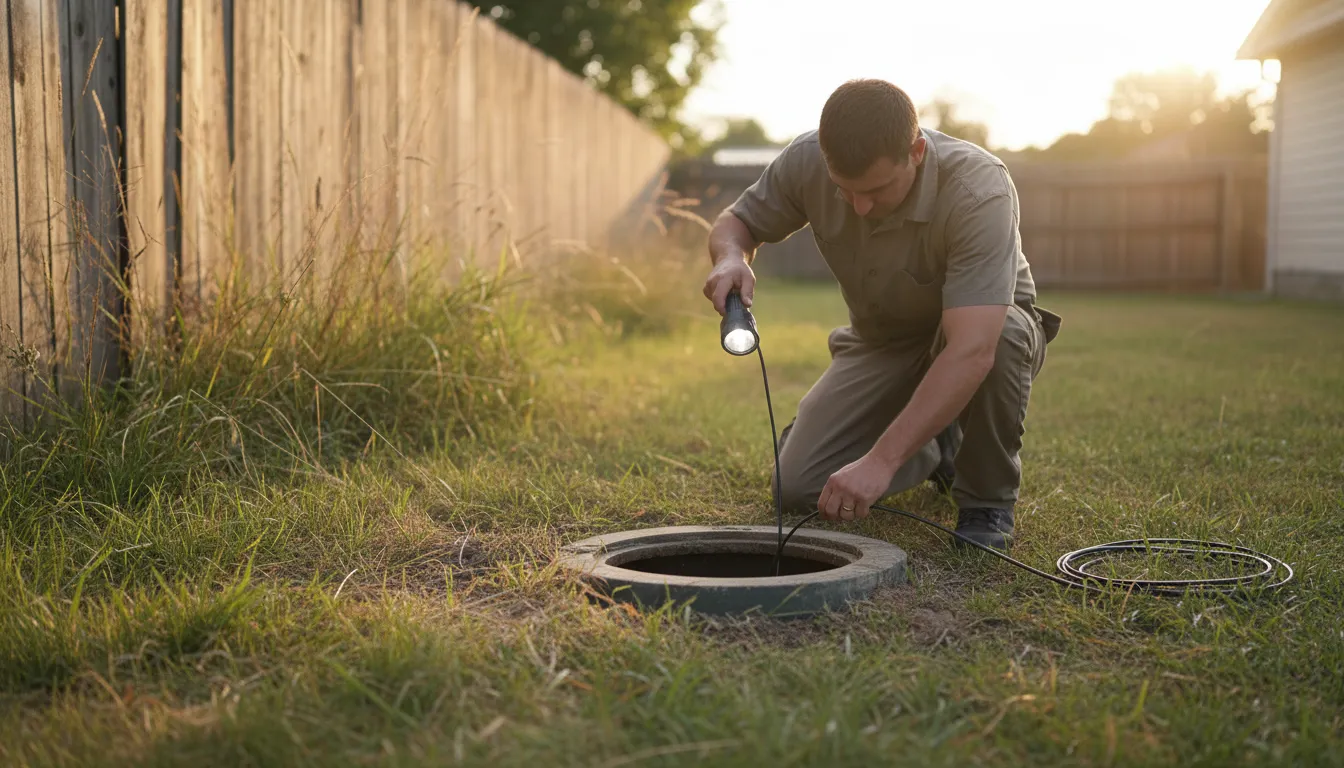
A septic tank inspection is a professional assessment of your onsite wastewater treatment system's condition and functionality. In California, where many homes rely on these private systems, regular inspections are crucial for protecting your property value, your family's health, and the local environment. This guide explains California's specific regulations, costs, and processes for septic inspections, helping you understand when you need one, what it entails, and how to find qualified local professionals to perform the service.
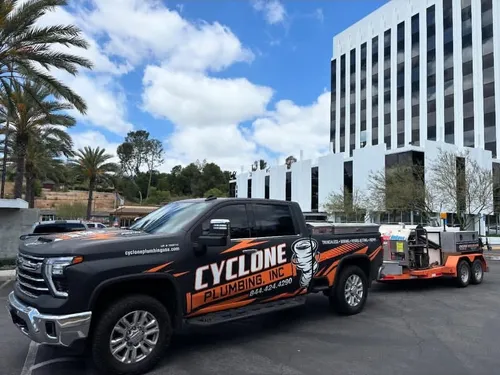
Cyclone Plumbing USA
1440 N Harbor Blvd suite 840, Fullerton, CA 92835
Cyclone Plumbing USA is a plumbing company based in Fullerton, CA, serving homes and businesses throughout Orange County. They offer a wide range of plumbing services, including septic tank inspection and septic system repair, as well as drain cleaning, hydro jetting, water heater installation, and leak detection. The company uses advanced equipment such as sewer cameras to diagnose issues and provides same-day repairs when needed. Cyclone Plumbing USA operates 24/7, offering emergency plumbing services at any time. The team at Cyclone Plumbing USA consists of licensed and insured professionals with years of hands-on experience. They emphasize transparency and fair pricing while delivering quality workmanship. Their commitment to customer satisfaction and comprehensive maintenance plans helps prevent costly repairs and ensures plumbing systems function efficiently.
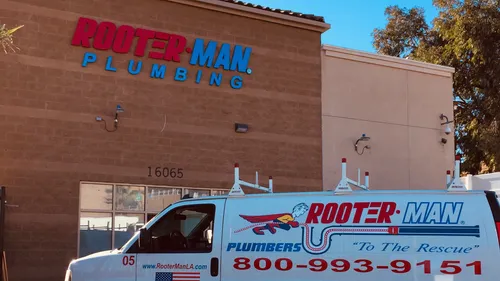
Sewer Man Septic Tank Pumping
16065 Foothill Blvd # B, Sylmar, CA 91342
Sewer Man Septic Tank Pumping provides septic tank pumping, cleaning, inspection, repair, and installation services in Los Angeles, CA. They use specialized equipment such as vacuum trucks and high-pressure water jets to maintain and clean septic systems, helping prevent backups and slow drainage. The company offers emergency septic pumping services for urgent needs and serves a wide range of nearby communities. Sewer Man Septic Tank Pumping is experienced in handling various septic system maintenance tasks to support property owners in the Los Angeles area.
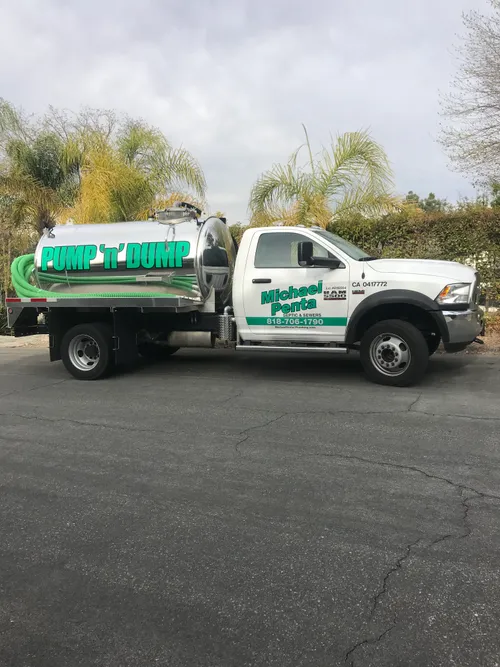
Michael Penta Septic Tank Pumping
Los Angeles, CA
Michael Penta Septic Tank Pumping provides a range of septic services in Los Angeles, CA, including septic tank pumping, installation, inspection, and repair. The company also handles drain field repairs, sewage ejection pump services, and sewer line replacements. Their expertise includes advanced capabilities such as camera inspections for leaks and cracks, soil analysis for leach line repair, and installation of micro septic systems that treat wastewater to a higher quality. They ensure compliance with local regulations and offer comprehensive maintenance to extend the life of septic systems.
Septic Tank Pumping Rode Inc
14648 Sylvan St suite 107, Van Nuys, CA 91411
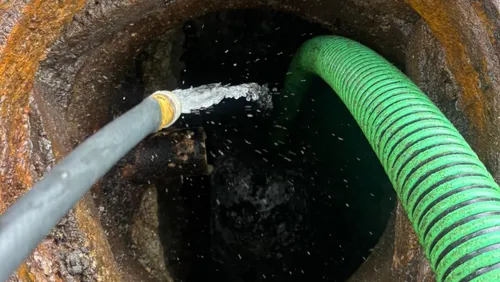
Septic Tank Pumping Rode Inc provides septic tank pumping and inspection services in Los Angeles, CA. They offer a full range of solutions including emergency pumping, routine maintenance, and detailed system inspections to maintain septic system health and environmental safety. Their certified technicians use advanced pumping technology to deliver efficient waste removal and thorough system care, suitable for medium to large properties. The company emphasizes compliance with local standards and offers 24/7 emergency response to address urgent septic issues promptly.
GMP Septic And Sewer
20 Surrey Ln, Rancho Palos Verdes, CA 90275
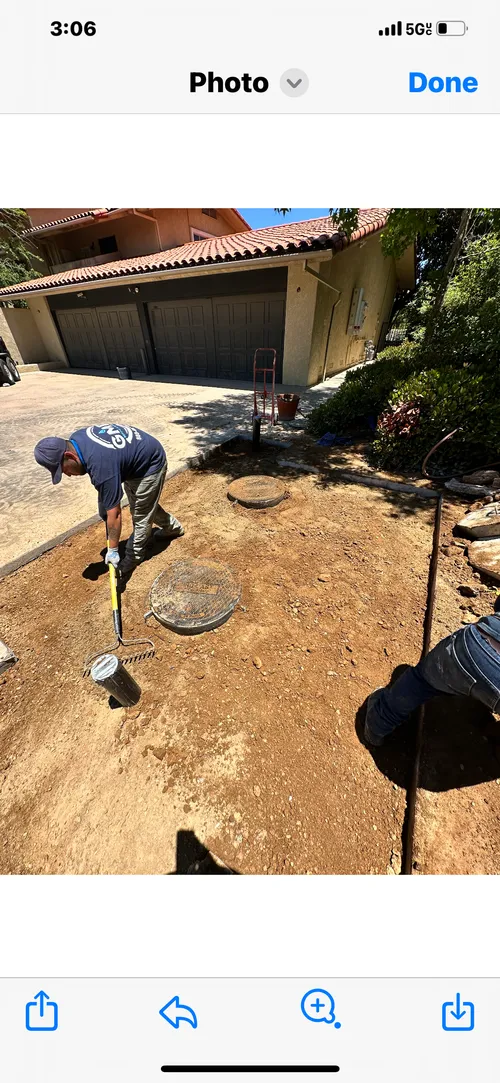
GMP Septic And Sewer provides a full range of septic services in Los Angeles, CA, including septic tank pumping, cleaning, inspections, repairs, installations, and system upgrades. They handle new construction, remodels, and replacements, ensuring systems are tailored to property needs. The company offers 24/7 emergency services for urgent septic system repairs. Their expertise covers diagnosing leaks, replacing damaged components, and maintaining system performance through regular maintenance and thorough inspections.
Understanding California's Septic System Regulations
In California, septic systems are formally known as Onsite Wastewater Treatment Systems (OWTS). They are regulated at the state level by the State Water Resources Control Board, with enforcement and permitting handled by local county environmental health departments 1. This two-tiered system means that while state policy sets the baseline, your specific county's Local Agency Management Program (LAMP) will have the final say on requirements 2.
A key statewide rule is that a permit from your local Department of Environmental Health is mandatory for installing, repairing, modifying, or replacing any part of an OWTS 3 4. Furthermore, this work must be performed by a licensed contractor, typically holding a C42 Sanitation System Contractor license 5. There are also siting restrictions; for instance, a new septic system generally cannot be installed if a public sewer connection is available within 300 feet of the property line (200 feet in some jurisdictions) 6.
Why Regular Septic Inspections Are Essential
Routine septic inspections are not just a good idea-they are a critical part of responsible homeownership in California. The U.S. Environmental Protection Agency (EPA) recommends inspections every one to three years 7. Many California guidelines align with this, advising a professional assessment at least every three years.
Regular inspections help you:
- Prevent Costly Failures: Catching minor issues like a clogged baffle or high sludge levels early can prevent a complete system failure, which often requires a full replacement costing tens of thousands of dollars.
- Protect Health and Environment: A failing system can contaminate groundwater, nearby wells, and surface water with harmful bacteria and nutrients, posing a serious public health risk.
- Maintain Property Value: A well-documented, functional septic system is a significant asset during a property sale. An unexpected failure can derail a transaction.
- Comply with Local Ordinances: An increasing number of California counties have ordinances requiring periodic inspections and maintenance records.
What Happens During a Professional Inspection?
A comprehensive septic tank inspection in California goes beyond just looking at the tank. A qualified inspector will evaluate the entire system's operation. Here's what you can typically expect:
- Record Review & Site Evaluation: The inspector will review any available system records (as-built diagrams, past permits) and assess the property for signs of trouble, such as soggy ground or unpleasant odors over the drain field.
- Tank Access & Interior Inspection: The inspector will locate and uncover the tank access ports. In counties like El Dorado, regulations may require the installation of permanent inspection risers to make this process easier 8. They will then check:
- Sludge and Scum Levels: Using specialized tools, they measure the depth of sludge at the bottom and scum at the top. These levels determine if pumping is needed.
- Baffles and Outlets: The inlet and outlet baffles are checked for integrity and blockages.
- Tank Structure: The tank is inspected for cracks, leaks, and signs of corrosion.
- Drain Field Assessment: The inspector will check for surfacing effluent, which indicates a clogged or failing drain field. They may also use a dye test or perform a water load test to evaluate the field's absorption capacity.
- Component Check: All mechanical components, including pumps, alarms, and distribution boxes, are tested for proper operation.
- Detailed Report: You will receive a written report detailing the system's condition, any problems found, recommended actions (such as immediate pumping or repairs), and an estimated remaining lifespan for key components 9.
Find the perfect septic tank inspection companies for your needs
Get personalized recommendations and expert advice
When Is a Septic Inspection Required in California?
Beyond routine maintenance, several specific situations legally or practically necessitate a septic inspection in California:
- Home Sale: This is the most common trigger. A septic inspection is almost always required during a real estate transaction. It is typically paid for by the seller and is crucial for the sale to proceed 10. The standard California purchase agreement often includes contingencies based on the septic inspection's results.
- Home Purchase: Even if not strictly required, a buyer should always insist on an inspection to avoid inheriting expensive, undisclosed problems.
- Applying for a Permit: If you plan to remodel, add living space, or modify your property, the local building department will likely require a current septic inspection to ensure the existing system can handle the increased load.
- System Malfunction: Signs like slow drains, sewage backups in the house, or standing water over the drain field warrant an immediate inspection.
- County Compliance Programs: Some counties have established mandatory inspection cycles for all OWTS within their jurisdiction.
Cost of Septic Inspections and Pumping in California
The cost of a septic inspection in California varies based on several factors. On average, you can expect to pay between $500 and $1,000 for a standard inspection, though prices can range from $300 to well over $1,000 for larger or more complex systems 11 12.
Key factors influencing cost include:
- Tank Accessibility: Tanks without inspection risers that are buried deep or under hardscapes (like patios) will cost more to inspect due to the extra labor required for excavation 13.
- Tank Size: Larger tanks take more time to inspect and evaluate.
- System Complexity: Systems with pumps, advanced treatment components, or multiple tanks will incur higher inspection fees.
- Location: Prices can be higher in remote areas or regions with a higher cost of living.
It is very common-and often recommended-to combine an inspection with a tank pumping. Pumping costs an additional $300 to $800 on average 14 15. If the inspection reveals that the sludge and scum levels exceed certain thresholds, pumping becomes an immediate necessity to keep the system functioning properly.
Maintaining Your System Between Inspections
Professional inspections are vital, but day-to-day homeowner care is what keeps a system healthy for decades. Key maintenance tips include:
- Keep Detailed Records: Maintain a log of all inspections, pumpings, repairs, and permits. This record is invaluable for troubleshooting, selling your home, and complying with local ordinances.
- Conserve Water: Spread out laundry and dishwasher use. Fix leaky faucets and toilets promptly. Excessive water flow can overwhelm the drain field.
- Mind What You Flush: Only human waste and toilet paper should go into the system. Never flush chemicals, paints, oils, coffee grounds, diapers, wipes (even "flushable" ones), or feminine hygiene products 16.
- Protect the Drain Field: Never drive or park vehicles on the drain field. Keep roof drains, sump pumps, and other rainwater sources directed away from it. Plant only grass over the field; tree and shrub roots can cause severe damage.
Finding a Qualified Inspector in California
Always hire a professional who is specifically licensed to work on septic systems in California. Look for a C42 Sanitation System Contractor or an inspector certified through a recognized organization like the National Association of Wastewater Technicians (NAWT). They should be familiar with both the State Water Board's OWTS Policy and your county's specific LAMP requirements. Ask for proof of insurance, references, and a detailed explanation of what their inspection includes.
Frequently asked questions
Sources
Footnotes
-
Onsite Wastewater Information (Septic Systems) - https://www.waterboards.ca.gov/centralcoast/water_issues/programs/septics/ ↩
-
Updating County Septic System Regulations - https://permitsonoma.org/divisions/engineeringandconstruction/wellandsepticsystems/septicsystems/owtsmanual/owtsmanualupdateprocess ↩
-
Santa Clara County Onsite Systems Manual - California Water Boards - https://www.waterboards.ca.gov/sanfranciscobay/board_info/agendas/2016/January/SantaClaraOWTS/SCC_OWTS_B_Onsite_Systems_Manual.pdf ↩
-
onsite-wastewater-treatment-system-requirements-procedures ... - http://www.publichealth.lacounty.gov/eh/docs/permit/onsite-wastewater-treatment-system-requirements-procedures.pdf ↩
-
California Septic License & Certification | 2024 Contractor Guide - https://www.servicetitan.com/licensing/septic/california ↩
-
California Septic Tank Requirements | Onsite Wastewater ... - https://www.ntotank.com/blog/california-septic-tank-requirements?srsltid=AfmBOoqQF2UnmKzIXdrFIh3lnB2-7iiZTuoWYpioWv35g4_E456sImeR ↩
-
How to Care for Your Septic System | US EPA - https://www.epa.gov/septic/how-care-your-septic-system ↩
-
Septic System Components - El Dorado County - https://www.eldoradocounty.ca.gov/County-Government/County-Departments/Environmental-Management/Environmental-Health/Septic-System-Components ↩
-
What to Expect from a Septic Inspection - https://www.wrenvironmental.com/blog/2023/may/what-to-expect-from-a-septic-inspection/ ↩
-
draft - California Association of Realtors - https://www.car.org/-/media/CAR/Documents/Transaction-Center/PDF/Standard-Forms/December-2017/SWPI_2017_Draft10.pdf?hash=34C8E3F6652DD6B916008069BCD0129ECCAA48AE&la=en ↩
-
California Home Inspections- What You Need To Know(2024) | The Bienstock Group-Expert Los Angeles Real Estate - https://thebienstockgroup.com/california-home-inspections-2023/ ↩
-
How Much Does a Septic Inspection Cost? [2026 Data] | Angi - https://www.angi.com/articles/septic-inspection-cost.htm ↩
-
How Much Does a Septic System & Septic Tank Cost - NexGen Septics - https://www.nexgenseptics.com/septic-system-cost/ ↩
-
The Californian's Guide To Septic Tanks - https://cacciaplumbing.com/blog/california-septic-tank-guide/ ↩
-
California Home Inspections- What You Need To Know(2024) - https://thebienstockgroup.com/california-home-inspections-2023/ ↩
-
Homeowner's Guide to Septic Systems - El Dorado County - https://www.eldoradocounty.ca.gov/files/assets/county/v/1/documents/government/environmental-management/environmental-management/septic-documents/epa_homeowner_septic_guide.pdf ↩