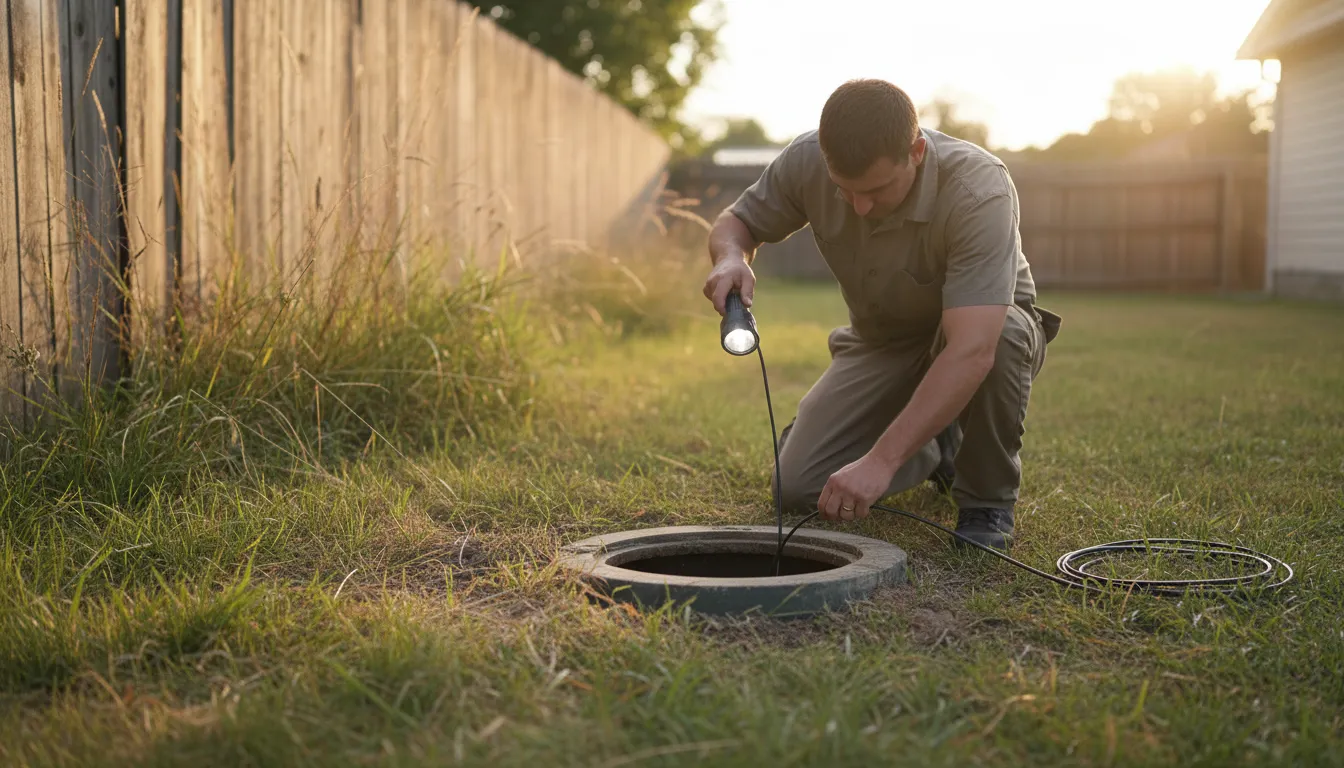
Find the Best Septic Tank Inspection Companies for Your Business
No obligation • Fast responses • Nationwide coverage

Why you can trust Septic Spot
Septic Spot is a leading United States resource for understanding and comparing septic services. Our editors review providers using consistent criteria and verify key business details. Listings and scores are independent, and companies cannot pay to influence our content.
Search providers near you
Top Septic Tank Inspection Companies in Hanford, California Ranked
A septic tank inspection is a vital evaluation of your onsite wastewater system's health and functionality. This process helps identify potential problems before they lead to costly repairs or environmental hazards, ensuring your system operates safely and complies with local regulations. For homeowners in Hanford, understanding the inspection process and schedule is key to protecting your property and investment. This guide explains what a septic system evaluation entails, why it's important, and how you can connect with qualified local professionals to maintain your system.
PRS Plumber Tulare
Visalia, CA
PRS Plumber Tulare provides septic tank pumping, inspection, installation, and repair services in Visalia, CA. They serve residential, commercial, and industrial clients throughout the Central Valley. The company offers specialized capabilities such as trenchless sewer line installation and sewer video inspection to efficiently diagnose and repair plumbing and septic issues. With over 40 years of experience, PRS Plumber Tulare is a family-owned business known for its licensed, bonded, and insured crews. They also provide 24/7 emergency plumbing services to address urgent needs at any time.
Pro Rooter & Septic - Visalia Plumbing
12148 Ave 272, Visalia, CA 93277
Pro Rooter & Septic - Visalia Plumbing provides septic tank pumping, inspection, repair, and installation services in Visalia, CA. They also handle drain field repair and sewer line services, including trenchless sewer line installation and sewer video inspection. With over 40 years of experience serving the Central Valley, the company is family owned and operated, offering 24/7 availability for plumbing and septic emergencies.
Pro Rooter & Septic
Fresno, CA
Pro Rooter & Septic is a family-owned plumbing and septic service provider based in Fresno, CA. Serving the Central Valley, they offer septic tank pumping, inspection, installation, and repair services, as well as drain field and sewer line repairs. The company uses modern equipment, including sewer video inspection and trenchless sewer line installation, to address plumbing and septic system needs efficiently. With over 40 years of experience, Pro Rooter & Septic is licensed, bonded, and insured, and provides 24/7 availability for emergencies.
Why Regular Septic System Evaluations Are Essential in Kings County
Your septic system is a critical, yet often overlooked, component of your property. Regular inspections are not just a recommendation; they are a cornerstone of responsible homeownership in Hanford. The California State Water Resources Control Board's Onsite Wastewater Treatment System (OWTS) policy sets the framework for system management, emphasizing the prevention of public health nuisances 1. In Kings County, environmental health guidelines typically recommend a professional assessment every 1 to 3 years, alongside pumping every 3 to 5 years, to prevent system failure. Proactive checks can save you thousands of dollars by catching minor issues-like a failing baffle or excessive sludge-before they escalate into a full system replacement, which can cost $10,000 or more.
What Happens During a Professional Septic Inspection?
A comprehensive septic tank assessment is a multi-step process conducted by a trained specialist. It goes far beyond just checking if the toilet flushes. Here is a breakdown of what a thorough evaluation involves:
- Locating and Accessing the Tank: The inspector will first locate your tank and distribution box. The use of risers over the access lids is highly recommended, as it makes this step safer and easier for all future service.
- Measuring Sludge and Scum Levels: This is a core part of the inspection. Using a tool called a "sludge judge," the professional measures the depth of solids (sludge) and floating scum. A general rule is that sludge should not occupy more than one-third of the tank's liquid volume 2. Accurate measurement determines if pumping is immediately necessary.
- Inspecting Tank Components: The inspector will examine the structural integrity of the tank itself (for cracks or leaks) and, crucially, check the inlet and outlet baffles. These baffles are essential for preventing solids from flowing out into the drainfield, and if they are broken or missing, they must be repaired.
- Checking the Effluent Filter: Many modern tanks have an effluent filter on the outlet tee. The inspector will clean this filter, as a clogged filter can cause backups into the home 3.
- Assessing the Drainfield: The inspection extends to the leach field. The specialist will look for telltale signs of failure, such as surfacing effluent, soggy ground, unexplained lush grass, or foul odors in the yard 4 5. A failing drainfield is the most serious and expensive septic problem to rectify.
Understanding Local Regulations and Requirements
Septic system maintenance in Hanford is governed by specific state and county regulations. Being aware of these can help you avoid violations and fines.
- Permits Are Mandatory: Any new septic system installation or significant repair in Kings County requires a permit from the Community Development Agency - Environmental Health division. Always ensure your service provider is familiar with the local permitting process.
- The Sewer Connection Rule: If a municipal sewer line is available (typically within 200 feet of your property), local codes usually require you to connect to it, phasing out the use of your septic system 6.
- Inspection Triggers: Beyond routine maintenance, a system inspection is often legally required during a property transfer or sale. It is also mandated if there are any signs of system failure, such as slow drains, sewage backups, or odors 7.
Find the perfect septic tank inspection companies for your needs
Get personalized recommendations and expert advice
Cost Breakdown for Septic Services in Hanford
Understanding the potential costs for septic maintenance can help you budget effectively. Prices can vary based on tank size, accessibility, and the extent of work needed.
- Inspection-Only Service: If you simply need a professional evaluation without pumping, you can expect costs in the range of $50 to $150.
- Standard Pumping Service: The most common service, which often includes a basic visual inspection, typically costs between $150 and $250 in the Hanford area, though the final price depends on tank capacity.
- Repairs and Replacements: This is where costs rise significantly. Repairing components like baffles or a damaged pipe may cost a few hundred dollars. However, more extensive repairs or a complete septic system replacement can range from $3,000 to well over $10,000, depending on soil conditions and system type 8.
Recognizing the Signs You Need an Inspection Now
Don't wait for a scheduled check if you notice any of these red flags. Contact a professional immediately if you observe:
- Slow Drains and Sewage Backups: Gurgling pipes, slow-draining sinks/showers, or backups in toilets are primary indicators of a system problem.
- Unpleasant Odors: Foul smells of sewage inside your home or in your yard, particularly near the tank or drainfield area.
- Wet, Spongy, or Lush Ground: Soggy patches or areas of grass that are inexplicably greener and faster-growing than the rest of your lawn over the drainfield.
- Standing Water: Surfacing grey or black water in your yard is a critical sign of drainfield failure.
Maintaining Your System Between Inspections
A professional inspection is crucial, but day-to-day care extends the life of your system. Follow these best practices:
- Conserve Water: Spread out laundry loads and fix leaky faucets to avoid hydraulically overloading the system.
- Mind What You Flush: Only human waste and toilet paper should go down the drain. Avoid flushing wipes (even "flushable" ones), feminine hygiene products, dental floss, cooking grease, and chemicals.
- Protect Your Drainfield: Never park vehicles or build structures over the leach field. Divect downspouts and surface runoff away from the area.
Frequently asked questions
Sources
Footnotes
-
California Septic Tank Requirements | Onsite Wastewater ... - https://www.ntotank.com/blog/california-septic-tank-requirements ↩
-
Septic Inspections - Required by the Deptartment of Health - https://jupiterseptic.com/septic-inspections/ ↩
-
The Californian's Guide To Septic Tanks - https://cacciaplumbing.com/blog/california-septic-tank-guide/ ↩
-
Pumping and Inspecting Your System - Indian Health Service (IHS) - https://www.ihs.gov/california/index.cfm/offices/oehe/dsfc/drinking-water-and-sanitation/maintaining-your-septic-system-guide/pumping-and-inspecting-your-system/ ↩
-
Septic System Inspections - InterNACHI - https://www.nachi.org/inspecting-septic-systems.htm ↩
-
Southern California Septic System Regulations: What You Need to ... - https://www.lanikseptic.com/socal-septic-regulations/ ↩
-
Onsite Wastewater Information (Septic Systems) - https://www.waterboards.ca.gov/centralcoast/water_issues/programs/septics/ ↩
-
Maintaining your Septic System A Guide for Homeowners - https://www.ihs.gov/california/tasks/sites/default/assets/File/SFC-MaintainingYourSepticSystemGuide.pdf ↩