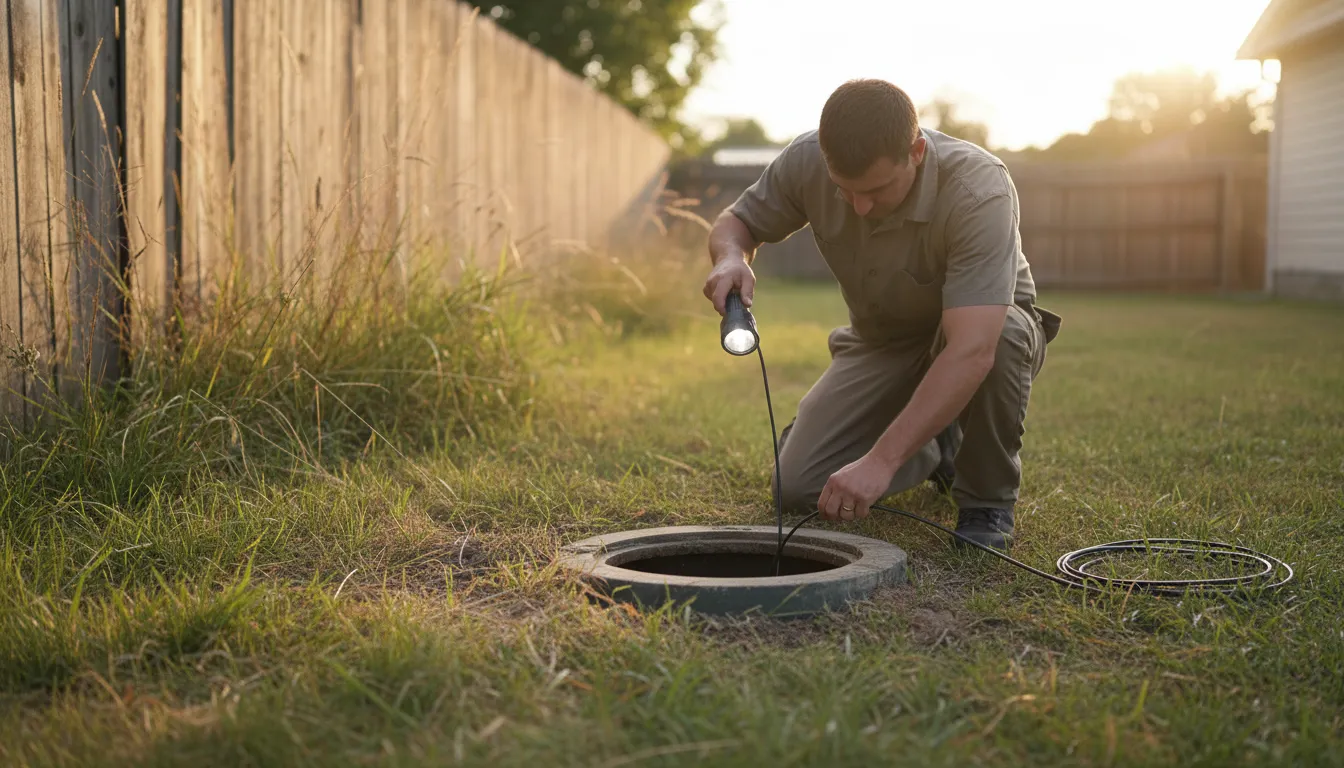
Find the Best Septic Tank Inspection Companies for Your Business
No obligation • Fast responses • Nationwide coverage

Why you can trust Septic Spot
Septic Spot is a leading United States resource for understanding and comparing septic services. Our editors review providers using consistent criteria and verify key business details. Listings and scores are independent, and companies cannot pay to influence our content.
Search providers near you
Top Septic Tank Inspection Companies in Hayward, California Ranked
A septic tank inspection is a professional assessment of your onsite wastewater treatment system to ensure it is functioning safely and legally. For Hayward homeowners, these evaluations are crucial for protecting your property value, your family's health, and the local environment. This guide will help you understand the local requirements, what happens during an inspection, and how to find qualified professionals to perform this essential service.
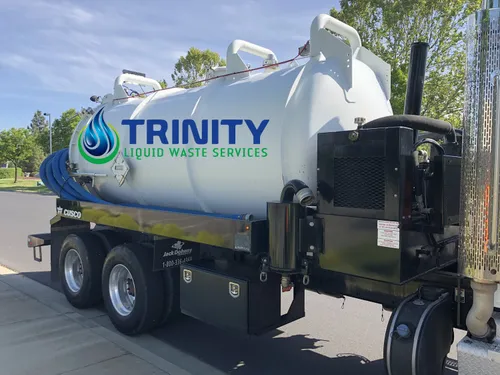
Trinity Liquid Waste Services
San Jose, CA
Trinity Liquid Waste Services provides septic tank pumping, inspection, repair, and maintenance services for residential and commercial clients in San Jose, CA. The family-owned company offers a wide range of septic system solutions including grease trap pumping, sewage ejector tank maintenance, and water jetting to keep systems functioning properly. They also handle storm drain cleaning and provide 24/7 same-day service for urgent septic issues. Their team is experienced in addressing common septic problems caused by household appliance overuse and sediment buildup, helping customers maintain optimal system performance.
PICHANGA PUMPING SERVICE LLC
901 N Rengstorff Ave, Mountain View, CA 94043
PICHANGA PUMPING SERVICE LLC is a family-owned business with over 10 years of experience, serving San Jose, CA. They provide septic tank pumping, inspection, repair, and installation services. The company uses specialized equipment for camera inspections and locating issues within pipes and sewer lines. They also offer restroom rentals. Pichanga Pumping Service provides after-hours and emergency services for added convenience.
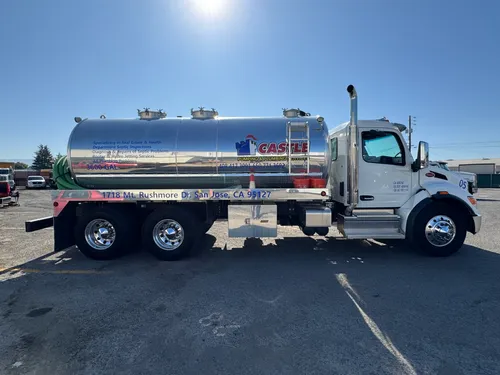
Castle Pumping and Plumbing Services
San Jose, CA
Castle Pumping and Plumbing Services is a locally owned company based in San Jose, CA, offering comprehensive septic system services including pumping, inspections, repairs, and installations. With over 32 years of experience, they serve residential and commercial properties in the San Jose area. Their expertise includes locating septic tanks, performing detailed inspections of tank components, and specialized outflow line exploration to diagnose backups without unnecessary replacements. The company uses advanced equipment and techniques to maintain and repair septic systems, ensuring long-lasting functionality.
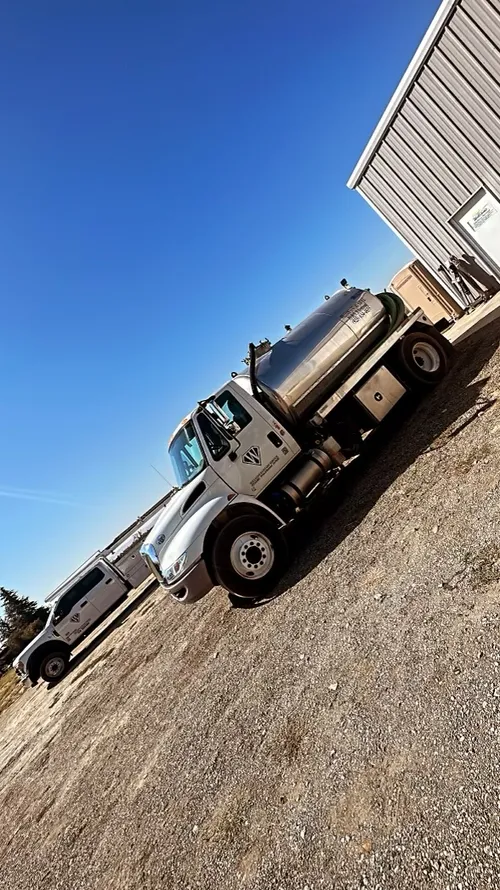
Williams Sanitary Service Inc
Oakland, CA
Williams Sanitary Service Inc is a family-owned septic system company serving Oakland, CA, and surrounding areas since 1950. They provide a full range of septic services including pumping, inspection, repair, and installation for both residential and commercial clients. The company also offers general plumbing services such as drain cleaning and water heater repair. Williams Sanitary Service Inc is equipped to handle all sizes of septic jobs across Contra Costa and Alameda Counties and offers 24/7 service availability.
American Eagle Plumbing & Construction
5441 Victoria Ln, El Sobrante, CA 94803
American Eagle Plumbing & Construction is a licensed, bonded, and insured plumbing and construction company based near Berkeley, CA. Serving the East Bay, Peninsula, North Bay, South Bay, and San Francisco, they provide a full range of plumbing, sewer, septic system inspection, pumping, and repair services for residential, commercial, and municipal clients. With over 26 years of experience since 2001, the company specializes in trenchless sewer repair and works closely with PG&E and local municipalities to ensure code compliance and efficient project approvals. Their licensed plumbers are available 24/7 for emergency plumbing services.
Understanding Septic System Regulations in Hayward
Septic systems in Hayward are governed by California's statewide Onsite Wastewater Treatment Systems (OWTS) Policy, with direct oversight from the Alameda County Environmental Health Department under its Local Agency Management Program (LAMP) 1. This means any septic system evaluation, repair, or installation must comply with strict county and state standards designed to prevent groundwater contamination and public health hazards.
Key regulations homeowners should know include:
- Mandatory Point-of-Sale Inspections: California law requires a comprehensive system inspection by a licensed professional before any property transfer. You cannot legally sell a home with a septic system in Hayward without this certification.
- Regular Maintenance Inspections: Even outside of a sale, the Alameda County Environmental Health Department recommends-and often requires-routine septic system inspections every 1 to 3 years 2. This proactive approach helps catch minor issues before they become costly failures.
- System Performance Standards: Your system must be watertight, properly maintained, and functioning without any surfacing effluent (sewage) in your yard 3. Failure to meet these standards can result in significant fines and mandatory repairs.
What a Professional Septic Inspection Covers
A thorough septic system evaluation is more than just looking at the tank. A qualified inspector follows a detailed process to assess the entire system's health.
1. Record Review & System Locating
The inspection begins before the technician arrives at your home. They will often review any available permits and as-built records for your system, which may be on file with the county health department. On-site, the first task is to locate and uncover the tank's access lids, which may require probing if the exact location is unknown.
2. Internal Tank Assessment
This is the core of the inspection. The inspector will:
- Check Sludge and Scum Levels: Using specialized tools, they measure the depth of sludge at the bottom and scum at the top. A key rule is that pumping is needed if the sludge depth is one-third or more of the liquid depth in the tank 4.
- Inspect Baffles and Tees: The inlet and outlet baffles (or tees) are critical for preventing solids from flowing into the drainfield. The inspector checks for damage, clogs, or deterioration.
- Evaluate Structural Integrity: The tank walls, lid, and seams are examined for cracks, leaks, or signs of corrosion that could compromise the tank's watertight seal 5 6.
- Clean the Effluent Filter: Many modern tanks have an effluent filter on the outlet. The inspector will typically clean this filter, as a clogged filter is a common cause of system backups 7.
3. Drainfield and Overall System Evaluation
The inspector doesn't stop at the tank. They will also:
- Visually inspect the drainfield (leach field) area for telltale signs of failure, such as soggy ground, surfacing sewage, or unusually lush and green grass.
- Check for proper drainage from household fixtures and look for any unauthorized connections to the system.
- Assess the general condition of the distribution box (if present) and the soil absorption area.
Find the perfect septic tank inspection companies for your needs
Get personalized recommendations and expert advice
When You Need a Septic System Evaluation
Knowing when to schedule a septic inspection can save you from emergency situations. Beyond the mandatory point-of-sale check, consider scheduling a professional assessment for these reasons:
- Routine Maintenance: Adhering to the recommended 1-3 year inspection schedule is the best way to manage your system's health.
- Before Major Home Improvements: If you're planning to add a bedroom, bathroom, or other structure that increases water usage, an inspection can determine if your existing system can handle the additional load.
- Signs of Trouble: Be proactive if you notice any warning signs like slow-draining sinks and toilets, gurgling sounds in your plumbing, sewage odors indoors or near the tank, or wet, mushy spots in your yard 8 9.
- After Heavy Storms: Significant rainfall can saturate the drainfield. If your system is already marginal, this can trigger a failure.
Costs of Septic Inspections in Hayward
The cost for a septic system check-up in Hayward varies based on the scope of work. It's important to clarify with providers what is included in their quoted price.
- Inspection-Only Service: A standard visual and operational inspection, which includes measuring sludge/scum levels and a basic functional check, typically ranges from $300 to $600 10.
- Inspection with Pumping: Many companies recommend or require pumping the tank to perform a complete inspection of the baffles and tank walls. A combined inspection and pumping service often costs between $500 and $900 or more, depending on your tank's size and accessibility 11 12 13.
- Point-of-Sale Certification: This comprehensive inspection for a real estate transaction is usually on the higher end of the scale, as it must meet specific county documentation standards for the transfer of ownership 14.
Remember, while pumping is an additional cost, it is a critical part of maintenance. The EPA and local health departments recommend pumping your septic tank every 3 to 5 years to prevent solids from escaping into the drainfield 15 16.
Choosing a Qualified Septic Inspector in Alameda County
Not all septic service providers are equal. For an inspection that will satisfy county requirements and give you an accurate picture of your system's health, look for:
- Proper Licensing: Ensure the company or individual is licensed by the state of California for septic work and is familiar with Alameda County's LAMP requirements.
- Detailed Reporting: A good inspector will provide a written report with photos, measurements (sludge/scum depths), a diagram of your system, and a clear assessment of its condition.
- Experience with Local Soils: Hayward's specific soil conditions can affect system performance. Local experience is invaluable.
- Clear Communication: The inspector should be willing to explain their findings, answer your questions, and discuss any recommended repairs or maintenance without using excessive pressure tactics.
Maintaining Your System Between Inspections
A professional inspection gives you a snapshot of your system's health, but daily maintenance is up to you. Protect your investment by:
- Conserving water and spreading out laundry loads.
- Avoiding pouring fats, oils, grease, or harsh chemicals down the drain.
- Never flushing anything besides human waste and toilet paper.
- Keeping cars and heavy equipment off the drainfield area.
- Maintaining detailed records of all inspections, pumpings, and repairs.
Frequently asked questions
Sources
Footnotes
-
California Septic Tank Requirements | Onsite Wastewater Treatment Systems - https://www.ntotank.com/blog/california-septic-tank-requirements ↩
-
How Often Should You Have Your Septic Tank Checked? - https://www.drsepticsd.com/news/how-often-should-you-have-your-septic-tank-checked/ ↩
-
Southern California Septic System Regulations: What You Need to ... - https://www.lanikseptic.com/socal-septic-regulations/ ↩
-
Homeowner's Guide to Septic Systems - El Dorado County - https://www.eldoradocounty.ca.gov/files/assets/county/v/1/documents/government/environmental-management/environmental-management/septic-documents/epa_homeowner_septic_guide.pdf ↩
-
Septic System Inspections - InterNACHI® - https://www.nachi.org/inspecting-septic-systems.htm ↩
-
Study Guide for How to Inspect Septic Systems - https://education.nachi.org/coursemedia/course-73/documents/Study_Guide_Septic_Systems.pdf ↩
-
Free Septic Tank Inspection Templates | PDF | SafetyCulture - https://safetyculture.com/checklists/septic-tank-inspection ↩
-
The Californian's Guide To Septic Tanks - https://cacciaplumbing.com/blog/california-septic-tank-guide/ ↩
-
Maintaining your Septic System A Guide for Homeowners - https://www.ihs.gov/california/tasks/sites/default/assets/File/SFC-MaintainingYourSepticSystemGuide.pdf ↩
-
Septic Tank Inspection: A Guide - https://www.petesoutflow.com/septic-tank-inspection-a-guidee01bcb81 ↩
-
Septic System Inspection & Certification - Center Septic - https://centerseptic.com/septic-system-inspection/ ↩
-
Stay Compliant: Avoid Fines with Septic System Regulations - https://smartsepticpros.com/blog/septic-system-regulations/ ↩
-
Septic Care for Tubac Homes: Simple Maintenance Plan - https://thaliakyriakis.com/blog/septic-care-for-rural-tubac-homes-a-simple-plan ↩
-
Point of Sale Septic Inspections: What to Expect - https://westcoastsanitationinc.com/point-of-sale-septic-inspections-what-to-expect/ ↩
-
Frequent Questions on Septic Systems | US EPA - https://www.epa.gov/septic/frequent-questions-septic-systems ↩
-
Pumping and Inspecting Your System - Indian Health Service (IHS) - https://www.ihs.gov/california/index.cfm/offices/oehe/dsfc/drinking-water-and-sanitation/maintaining-your-septic-system-guide/pumping-and-inspecting-your-system/ ↩