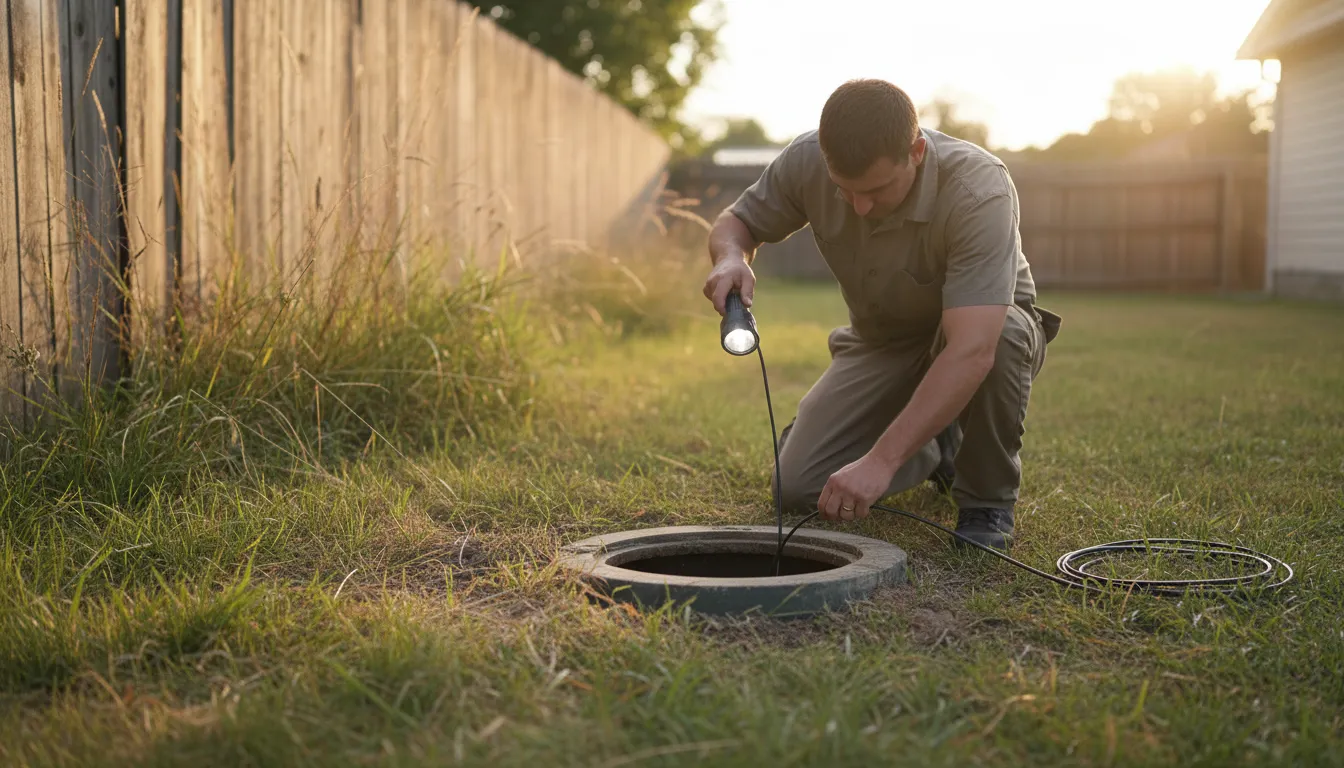
Find the Best Septic Tank Inspection Companies for Your Business
No obligation • Fast responses • Nationwide coverage

Why you can trust Septic Spot
Septic Spot is a leading United States resource for understanding and comparing septic services. Our editors review providers using consistent criteria and verify key business details. Listings and scores are independent, and companies cannot pay to influence our content.
Search providers near you
Top Septic Tank Inspection Companies in Highland, California Ranked
A septic tank inspection is a critical evaluation of your onsite wastewater treatment system to ensure it is functioning safely and efficiently. This process matters because a failing system can pose serious health risks, contaminate local groundwater, and lead to costly property damage. For Highland homeowners, using a local resource to find qualified, licensed professionals is the best way to schedule this essential maintenance, protect your investment, and stay compliant with San Bernardino County regulations.
Roto-Rooter Plumbers and Septic Service
17208 Main St Unit A, Hesperia, CA 92345
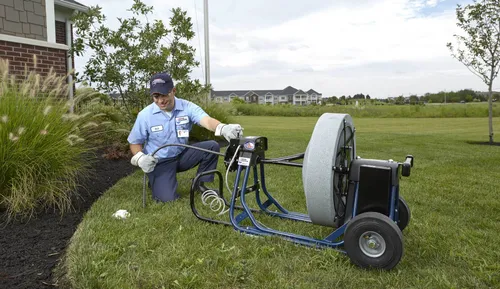
Roto-Rooter Plumbers and Septic Service offers a wide range of plumbing and septic services in Los Angeles, CA. Their expertise includes septic tank pumping, inspection, and repair, along with plumbing repairs and installations tailored to local conditions such as hard water and temperature fluctuations. With over 90 years of experience, they provide advanced services like hydro jetting for drain cleaning and water leak detection using modern technology. The company also offers 24/7 emergency services to address urgent plumbing needs.
Sierra Septic Cleaning LLC
Irvine, CA
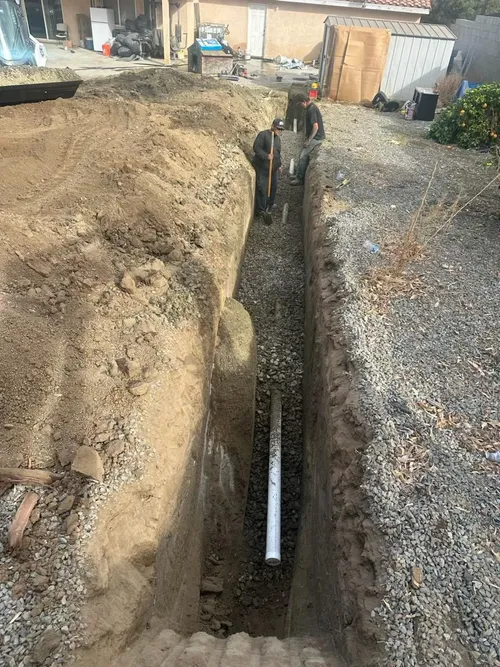
Sierra Septic Cleaning LLC is a septic tank pumping, inspection, and repair company based in Irvine, CA. With over five years of experience, they provide a range of septic system maintenance services including regular cleaning, inspections, and repairs to ensure systems function efficiently. Their team uses advanced equipment to deliver reliable septic cleaning and maintenance solutions aimed at preventing backups and protecting both homes and the environment.
Foureverfresh Septic & Sewer Solutions
Los Angeles, CA
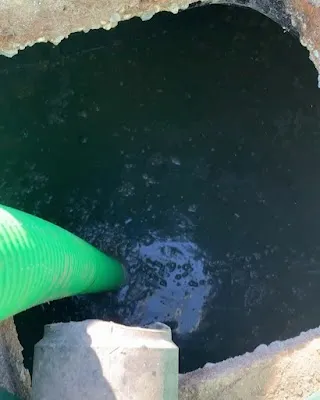
Foureverfresh Septic & Sewer Solutions provides a range of septic system services in Los Angeles, CA. Their offerings include septic tank pumping, inspections, repairs, installations, and sewer line repairs. They use advanced diagnostic tools like video inspections and leak detection to address issues such as tree root intrusion and blockages efficiently. With over 20 years of experience, the company emphasizes eco-friendly practices and customer satisfaction in their work.
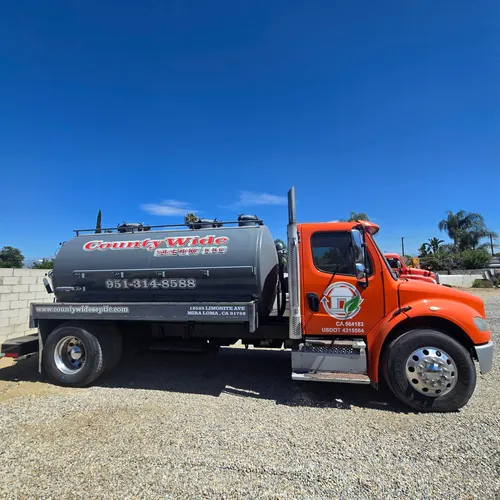
Countywide Septic Pumping LLC
5290 Capella Ct, Jurupa Valley, CA 91752
Countywide Septic Pumping LLC provides septic tank installation, pumping, inspection, and repair services in Los Angeles, CA, and surrounding counties including Riverside, Orange, and San Bernardino. They serve both residential and commercial clients, handling everything from soil sampling and permit acquisition to system maintenance and emergency repairs. The company offers 24-hour emergency septic tank pumping and repair services to address urgent needs promptly. Countywide Septic Pumping uses updated equipment to ensure effective septic system performance and safe installation, supporting properties where municipal water and sewage services are unavailable.
R.G Pumping Inc.
8130 Arcadia St, Corona, CA 92881
R.G Pumping Inc. is a septic tank pumping and inspection company serving Los Angeles, CA. With over 17 years of experience in the Inland Empire, they offer services including septic pumping, camera locating, and installation of risers to reduce the need for repeated digging. Appointments are required for service.
Understanding Septic System Inspections
A septic system evaluation, often mandated during property transfers or as part of routine maintenance, is a thorough check-up performed by a certified specialist. In Highland, these assessments are governed by standards set by the San Bernardino County Department of Public Health and the California State Water Resources Control Board to align with statewide Onsite Wastewater Treatment System (OWTS) policies. The goal is to verify that every component-from the tank itself to the drainfield-is intact and operating as designed to safely treat household wastewater.
Regular septic checks are not just a good idea; they are a homeowner's responsibility. Industry experts and health officials recommend having your system inspected every 1 to 3 years. This proactive approach helps identify minor issues like a clogged effluent filter or a thinning baffle before they escalate into a full system failure, which could require a replacement costing $3,000 to over $10,000.
What Highland Regulations Require
Navigating the regulatory landscape is a key part of septic system ownership. In San Bernardino County, inspections must be conducted by a licensed septic service provider. Many jurisdictions require these professionals to hold a specific "Qualified Service Provider" (QSP) certification, ensuring they are trained to evaluate systems according to state and local codes 1.
A valid permit from the county is required for any new installation, major repair, or alteration to an existing system 2. Furthermore, if your home uses an Advanced Treatment Unit (ATU), which are sometimes found in areas with challenging soil conditions, you may be subject to additional requirements like obtaining an annual operating permit 3 4. Staying informed about these rules helps avoid violations and ensures your system protects both your family's health and the local environment.
The Step-by-Step Inspection Process
A comprehensive septic tank assessment follows a detailed procedure to leave no component unchecked. Here's what you can expect when a professional arrives at your Highland home:
1. Locating the System: The inspector will first identify and locate the tank, its access lids, and the drainfield (or leach line) area. Having your property's "as-built" diagram can expedite this step.
2. Uncovering Access Ports: The technician will carefully excavate soil to uncover the tank's main access port and inspection pipes. Keeping these accessible year-round is a helpful practice for homeowners.
3. Measuring Sludge and Scum Levels: This is a core part of the inspection. Using specialized tools, the inspector measures the depth of the scum layer (floating solids) and the sludge layer (settled solids) at the bottom of the tank. A common rule is that pumping is needed if the sludge fills one-third or more of the tank's liquid volume or if the scum layer is within 3 inches of the bottom of the outlet baffle 5 6.
4. Assessing Tank Integrity: The inspector checks the tank walls, lid, and seams for any signs of cracks, leaks, or structural damage that could allow untreated sewage to escape or groundwater to seep in.
5. Checking Baffles and Tees: The condition of the inlet and outlet baffles (or tees) is crucial. These components prevent solids from flowing out of the tank and into the drainfield. A damaged or missing baffle is a common cause of drainfield failure 7.
6. Inspecting the Drainfield: The inspector will examine the drainfield area for warning signs like soggy ground, unusually lush vegetation, or unpleasant odors-all indicators that effluent is not being properly absorbed into the soil 8.
7. Cleaning the Effluent Filter: Many modern tanks have an effluent filter on the outlet. The inspector will typically remove, clean, and reinstall this filter to ensure unrestricted flow.
8. Pumping (If Required): If the sludge and scum measurements indicate the tank is due for service, the inspector may pump it out during the same visit. Regular pumping every 3 to 5 years is a standard recommendation to maintain system health.
Find the perfect septic tank inspection companies for your needs
Get personalized recommendations and expert advice
Costs Associated with Inspection and Maintenance
Understanding the potential costs helps homeowners budget for this necessary care. For a standard septic system evaluation in Highland, you can expect an inspection fee to range from approximately $50 to $150 9. If the inspection reveals that pumping is needed, that service typically adds another $150 to $250, depending on tank size 10.
Therefore, a combined maintenance visit that includes both a full inspection and pumping often totals between $200 and $400 11. It's important to note that prices can vary based on factors like tank accessibility, its size (e.g., 1,000-gallon vs. 1,500-gallon), and whether it has special components like an ATU. Always request a detailed quote from your service provider before work begins.
Best Practices for a Healthy Septic System
Beyond scheduling regular professional check-ups, homeowners play a direct role in their system's longevity. Adopting these simple habits can prevent most common problems:
- Conserve Water: Spreading out laundry loads and fixing leaky faucets reduces the hydraulic load on your system, allowing solids to settle properly in the tank.
- Mind What You Flush: Only human waste and toilet paper should go down the drain. Avoid flushing chemicals, grease, diapers, wipes (even "flushable" ones), and coffee grounds, as they can clog pipes and disrupt the bacterial balance in the tank 12.
- Protect the Drainfield: Never park vehicles or place heavy structures like sheds over the drainfield. Also, divert roof drains and surface water away from this area to prevent saturation.
- Keep Records: Maintain a log of all inspections, pumpings, repairs, and permits. This record is invaluable for troubleshooting issues and is often required during a real estate transaction.
By partnering with a licensed local professional for regular inspections and following these guidelines, you ensure your septic system remains a reliable and safe part of your Highland home for years to come.
Frequently asked questions
Sources
Footnotes
-
Septic Systems | Riverside County Department of Environmental Health - https://rivcoeh.org/septic-systems ↩
-
Household Sewage Systems - Highland County Health Department - https://www.highlandcountyhealth.org/household-sewage-systems-1 ↩
-
Onsite Wastewater Information (Septic Systems) - https://www.waterboards.ca.gov/centralcoast/water_issues/programs/septics/ ↩
-
Septic Systems | Kern County, CA - https://www.kernpublichealth.com/permitting-compliance/waste/septic-systems ↩
-
Pumping and Inspecting Your System - Indian Health Service (IHS) - https://www.ihs.gov/california/index.cfm/offices/oehe/dsfc/drinking-water-and-sanitation/maintaining-your-septic-system-guide/pumping-and-inspecting-your-system/ ↩
-
The Californian's Guide To Septic Tanks - https://cacciaplumbing.com/blog/california-septic-tank-guide/ ↩
-
What to Expect from a Septic Inspection - https://www.wrenvironmental.com/blog/2023/may/what-to-expect-from-a-septic-inspection/ ↩
-
Point of Sale - https://www.scph.org/water-quality/point-sale ↩
-
How Much Does a Septic Inspection Cost? [2026 Data] | Angi - https://www.angi.com/articles/septic-inspection-cost.htm ↩
-
Maintaining your Septic System A Guide for Homeowners - https://www.ihs.gov/california/tasks/sites/default/assets/File/SFC-MaintainingYourSepticSystemGuide.pdf ↩
-
Frequent Questions on Septic Systems | US EPA - https://www.epa.gov/septic/frequent-questions-septic-systems ↩
-
Septic System DO's and DONT's - https://www.ihs.gov/california/index.cfm/offices/oehe/dsfc/water-san/maintaining-your-septic-system-guide/septic-system-do-s-and-dont-s/ ↩