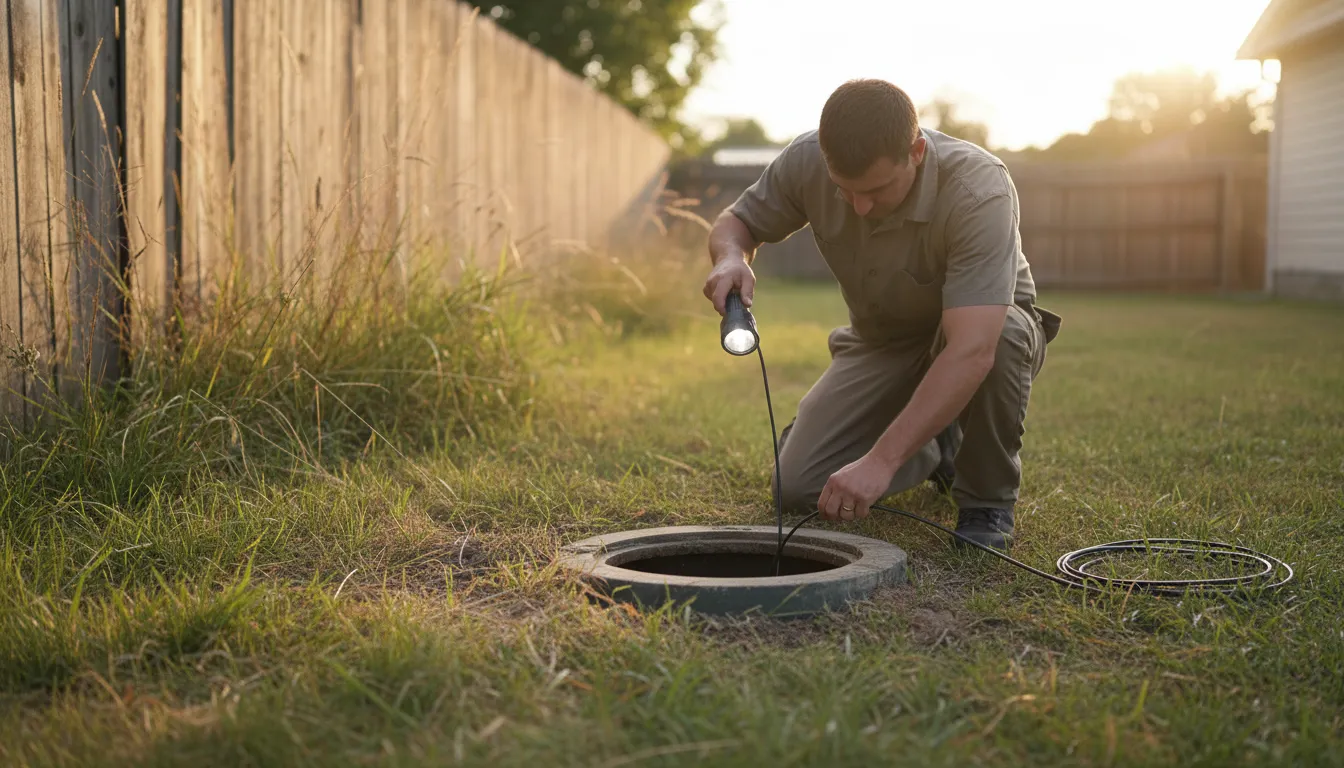
Find the Best Septic Tank Inspection Companies for Your Business
No obligation • Fast responses • Nationwide coverage

Why you can trust Septic Spot
Septic Spot is a leading United States resource for understanding and comparing septic services. Our editors review providers using consistent criteria and verify key business details. Listings and scores are independent, and companies cannot pay to influence our content.
Search providers near you
Top Septic Tank Inspection Companies in La Mesa, California Ranked
A septic tank inspection is a critical evaluation of your onsite wastewater system's health and functionality, conducted by a licensed professional. For La Mesa homeowners, these assessments are not just about routine maintenance; they are often a mandatory step during property transfers and are essential for protecting your investment and the local environment. This guide will help you understand the local regulations, what the inspection process entails, and how to find qualified professionals to evaluate your system.
Anytime Septic Service
8867 Gardena Rd, Lakeside, CA 92040
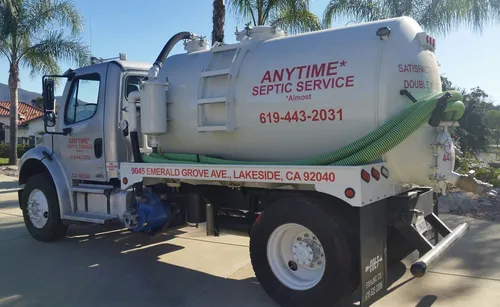
Anytime Septic Service is a family-owned company serving San Diego, CA, with over 55 years of experience in septic system care. They provide septic tank pumping, inspection, repairs, and installation across multiple local communities including El Cajon, Lakeside, La Mesa, and others. The team uses modern techniques and equipment to ensure septic systems function properly, offering thorough visual inspections and detailed explanations of their findings. They also provide after-hours emergency service for urgent septic needs.
The San Diego Inspectors Company
4538 Cass St suite 14-D1, San Diego, CA 92109
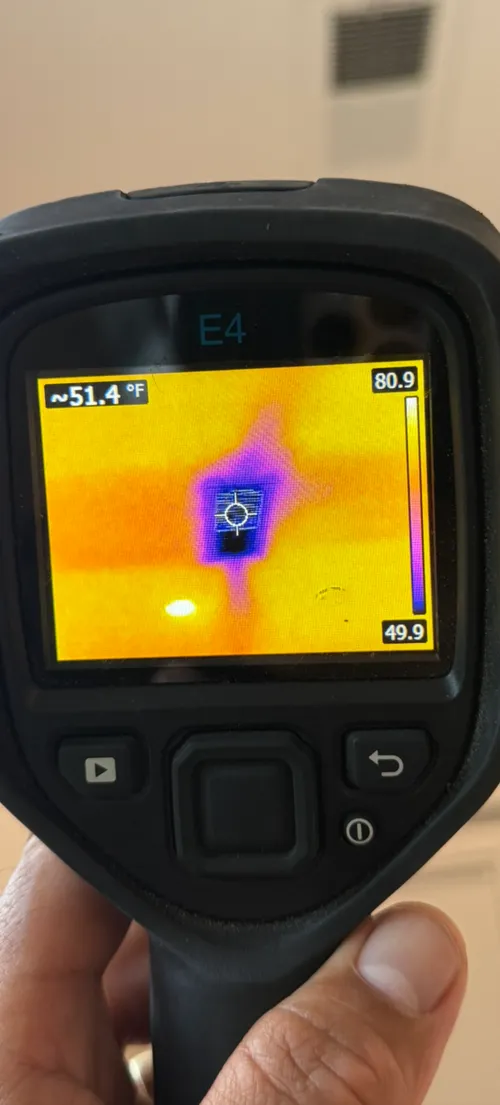
The San Diego Inspectors Company is a certified home inspection provider based in San Diego, CA. They offer a wide range of inspection services including septic tank inspection, sewer line inspection, mold inspection, thermal imaging, and pool and spa inspection. Their team is certified by the International Association of Certified Home Inspectors (InterNACHI) and uses advanced equipment to deliver detailed reports. The company is known for thorough inspections that help buyers and sellers make informed decisions during real estate transactions. They also provide specialized inspections such as 4-point inspections and mobile home inspections.
Zoom Drain SD North County
1317 Simpson Way Suite B, Escondido, CA 92029
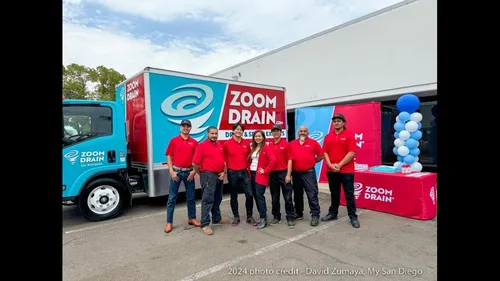
Zoom Drain SD North County is a septic tank inspection company based in San Diego, CA, serving Escondido and surrounding areas. They specialize in drain and sewer services for residential and commercial clients, using advanced camera inspection technology to accurately diagnose plumbing issues such as clogs, leaks, and root intrusion. Their capabilities include high-pressure hydro jetting and eco-friendly treatments like RootX herbicide and CitraJet to maintain and restore plumbing systems. The company is known for tailored maintenance plans and supports real estate transactions with thorough inspections.
Modern Septic Service
1506 Pioneer Way, El Cajon, CA 92020
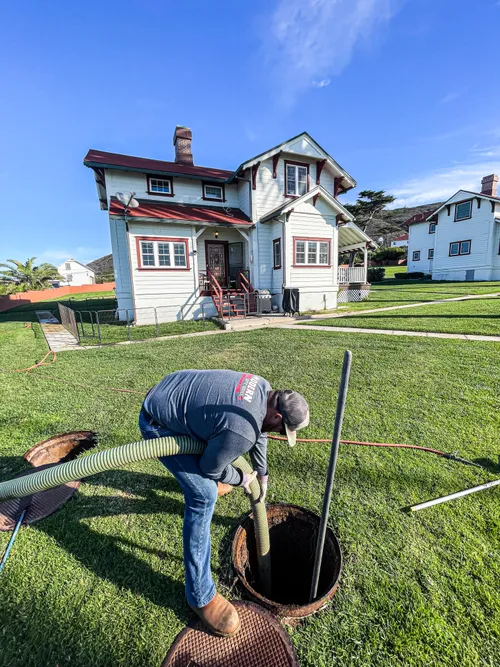
Modern Septic Service is a family-owned septic tank pumping, inspection, and repair company serving San Diego, CA. With over 60 years of experience, they provide residential and commercial septic services, including routine pumping, cleaning, troubleshooting, and maintenance. The company specializes in handling large-capacity septic systems for various commercial and municipal clients, offering 24/7 emergency pumping services and supporting public works projects with prevailing wage compliance. Founded in 1960, Modern Septic Service has grown through three generations, expanding its fleet and capabilities to meet diverse septic system needs across San Diego County.
A1 Septic Services
9787 Snow View Dr, El Cajon, CA 92021
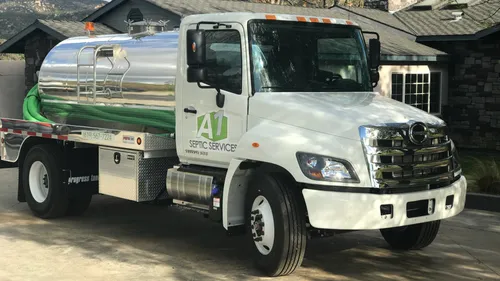
A1 Septic Services is a septic tank pumping and inspection company based in San Diego, CA. They serve El Cajon, Alpine, Lakeside, and East County San Diego, offering septic tank pumping, inspections for real estate certifications, and locating and digging out septic tank lids. Their inspection services include checking inlet and outlet baffles, separator walls, tank integrity, and leaching system tests. The company uses new, quiet equipment designed to avoid driveway damage and follows strict safety standards. A1 Septic Services emphasizes thorough inspections that must be paired with pumping to ensure full visibility of the system.
Understanding Septic System Regulations in La Mesa
Septic systems in La Mesa fall under the jurisdiction of the County of San Diego Department of Environmental Health and Quality (DEHQ) and the Regional Water Quality Control Board (RWQCB). Compliance with California's onsite wastewater treatment standards is mandatory. A key regulation is maintaining a minimum 5-foot separation between the bottom of the leaching system and the high groundwater table. All tanks must be IAPMO-approved, and the system's capacity must be appropriately sized for the home's bedroom count.
Key Local Requirements:
- Point of Sale Inspection: A licensed contractor must inspect the system during a property sale to provide certification.
- System Sizing: Minimum tank capacities are 1,000 gallons for 1-3 bedrooms, 1,200 gallons for 4 bedrooms, and 1,500 gallons for 5-6 bedrooms 1 2.
- Permit Restrictions: New installation or repair permits cannot be issued if a municipal sewer line is available within 200 feet of the property 3.
The Septic Inspection Process: What to Expect
A comprehensive septic system evaluation is a multi-step process designed to assess every component. Understanding this procedure can help you know what your service provider should be doing.
1. Locating the System The first step often involves finding the exact location of the tank and its leaching field, especially if records are unclear. Professionals use specialized tools to locate buried components without unnecessary digging.
2. Uncovering and Opening Access Ports Once located, the inspector will excavate to uncover the tank's main access port (manhole) and the baffle inspection ports. This allows for a visual examination of the tank's interior.
3. Inspecting Tank Components The inspector checks for signs of corrosion, leaks, and structural integrity. The condition of the inlet and outlet baffle walls is crucial, as damaged baffles can allow solids to escape into the drain field 4. The liquid level in the tank is also evaluated to determine if it's functioning properly or is overly full, indicating a potential failure.
4. Performing a Flow Test A critical part of the inspection is a hydraulic load test, often called a flow test. This involves running a significant amount of water (e.g., for 20 minutes) into the system to check for proper drainage and to see if any wastewater surfaces in the leach field, which would signal a failure 5 6.
5. Providing the Inspection Report Following the assessment, you will receive a formal report detailing the system's condition. For real estate transactions, this often includes a certification document required by the county.
Recommended Maintenance Schedule
Regular maintenance is the key to avoiding costly system failures and ensuring compliance. While a full inspection is mandated during a sale, proactive checks are a homeowner's responsibility.
- Inspections: It is recommended to have a professional septic system evaluation every 1 to 3 years, even if pumping isn't needed.
- Pumping: The tank should be pumped every 3 to 5 years to remove accumulated solids, though frequency can vary based on household size and usage 7.
Combining a routine inspection with pumping is a common and efficient approach to full system maintenance.
Find the perfect septic tank inspection companies for your needs
Get personalized recommendations and expert advice
Costs for Inspection and Maintenance in La Mesa
Understanding the potential costs helps in budgeting for this essential home maintenance. Prices can vary based on tank size, system complexity, and whether the exact location of the tank is known.
- Inspection Fees: A standard septic system inspection in the San Diego area typically ranges from $400 to $800. The cost can be higher if the tank needs to be located or if the system is particularly complex 8 9.
- Pumping Fees: Pumping a residential septic tank in La Mesa generally costs between $300 and $600, depending on the tank's capacity 10.
- Combined Service: For a bundled inspection and pump service, homeowners can expect a total cost in the range of $700 to $1,400 or more 11 12.
Protecting Your Septic System: Do's and Don'ts
Proper care extends the life of your system and prevents malfunctions. Here are essential guidelines for La Mesa homeowners.
What to Avoid:
- Never park vehicles or place heavy structures (like sheds) on the drain field. This compacts the soil and can crush underground pipes.
- Avoid planting trees or large shrubs near the leach field, as roots can infiltrate and damage pipes.
- Do not flush harmful materials like paint, grease, cooking oils, cat litter, pharmaceuticals, or harsh chemicals. These can kill the beneficial bacteria in your tank and contaminate groundwater 13.
Best Practices:
- Conserve water to avoid hydraulically overloading the system.
- Direct roof drains and surface water away from the drain field.
- Keep accurate records of all inspections, pumpings, repairs, and the system's design.
Finding a Qualified Inspection Professional
When your home's wastewater system and local compliance are on the line, choosing the right contractor is vital. Look for professionals who are specifically licensed by the County of San Diego to perform onsite wastewater system work. They should be familiar with local codes, including the specific point-of-sale certification requirements. A reputable provider will clearly explain their inspection process, provide a detailed written report, and be able to answer all your questions about system health and maintenance.
Frequently asked questions
Sources
Footnotes
-
Septic System Design Criteria - County of San Diego - https://www.sandiegocounty.gov/content/dam/sdc/deh/lwqd/Septic_System_Design_Criteria_3-22-10.pdf ↩
-
California Septic Tank Requirements | Onsite Wastewater ... - https://www.ntotank.com/blog/california-septic-tank-requirements ↩
-
Frequently Asked Questions on Septic Systems - https://www.sandiegocounty.gov/content/sdc/deh/lwqd/lu_septic_systems/lu_septic_faqs_page.html ↩
-
What to Expect from a Septic Inspection - https://www.wrenvironmental.com/blog/2023/may/what-to-expect-from-a-septic-inspection/ ↩
-
Point of Sale Septic Inspections: What to Expect - https://westcoastsanitationinc.com/point-of-sale-septic-inspections-what-to-expect/ ↩
-
Septic System Inspections and Certifications in San Diego County - https://abbottseptictankpumping.com/sandiego-septic-tank-certification-inspection.php ↩
-
The SoCal Guide to Septic Tank Installation - https://www.lanikseptic.com/socal-guide-septic-tank-installation/ ↩
-
Septic System Inspection & Certification - Center Septic - https://centerseptic.com/septic-system-inspection/ ↩
-
Septic Tank Inspection: A Guide - https://www.petesoutflow.com/septic-tank-inspection-a-guidee01bcb81 ↩
-
The Californian's Guide To Septic Tanks - https://cacciaplumbing.com/blog/california-septic-tank-guide/ ↩
-
Septic Tank Certification: What California Homeowners Need to Know - https://www.kgriverside.com/trending/septic-tank-certification-what-california-homeowners-need-to-know ↩
-
7 Ways to Reduce the Cost for Septic System in California: Practical Solutions for Homeowners - https://www.lanikseptic.com/reduce-septic-system-costs-california/ ↩
-
Homeowner's Guide to Septic Systems - El Dorado County - https://www.eldoradocounty.ca.gov/files/assets/county/v/1/documents/government/environmental-management/environmental-management/septic-documents/epa_homeowner_septic_guide.pdf ↩