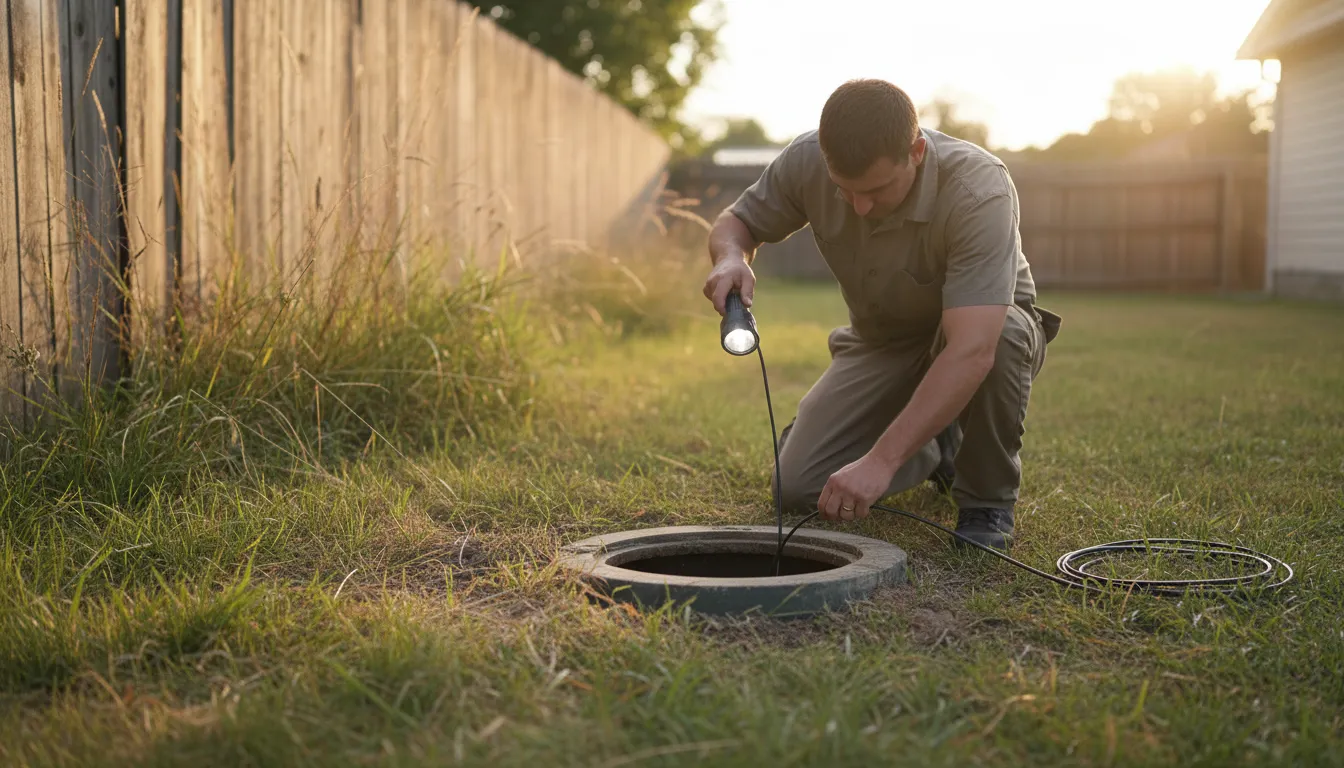
Find the Best Septic Tank Inspection Companies for Your Business
No obligation • Fast responses • Nationwide coverage

Why you can trust Septic Spot
Septic Spot is a leading United States resource for understanding and comparing septic services. Our editors review providers using consistent criteria and verify key business details. Listings and scores are independent, and companies cannot pay to influence our content.
Search providers near you
Top Septic Tank Inspection Companies in Lake Elsinore, California Ranked
A septic tank inspection is a critical evaluation of your onsite wastewater system's health and functionality. For Lake Elsinore homeowners, these assessments are essential for protecting your property value, ensuring public and environmental health, and complying with Riverside County regulations. This guide will help you understand the process, local requirements, and what to expect when you need to schedule a professional system evaluation.
CertifiedSeptic.com
41700 Ivy St STE C, Murrieta, CA 92562
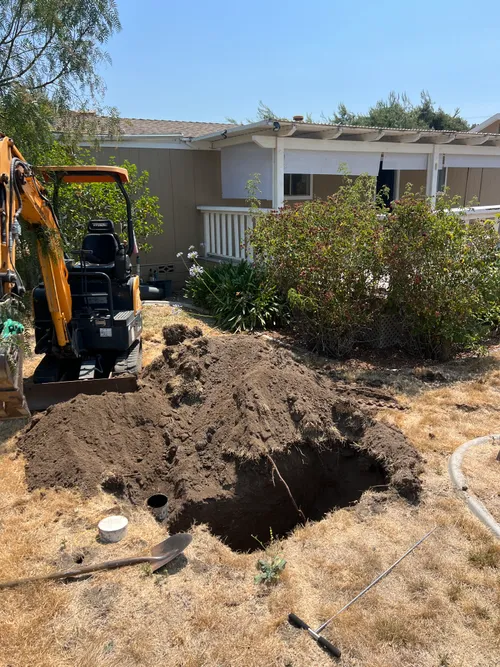
CertifiedSeptic.com provides septic tank pumping, inspection, installation, and maintenance services in Los Angeles, CA. Their offerings include septic pumping, certification inspections, system locating using ground-penetrating radar, sewer line video scoping, and hydro-jetting to clear clogs and buildup. The company designs and installs new septic systems following local regulations to ensure long-term functionality. Hydro-jetting is a key capability, using high-pressure water to clean pipes effectively and eco-friendly.
The Pink Septic Services
Riverside, CA
The Pink Septic Services is a septic tank inspection company based in Riverside, CA. They provide expertise in identifying and addressing common septic system issues, including odor problems both inside and outside the home. Their services include inspecting P traps, toilet seals, septic tank covers, and vent pipes to locate sources of septic gases. The company advises on practical solutions such as water replenishment in traps and installing charcoal filters to reduce odors. While specific years in business are not stated, The Pink Septic Services focuses on thorough septic system inspections to help maintain proper function and prevent potential failures.
Sierra Septic Cleaning LLC
Irvine, CA
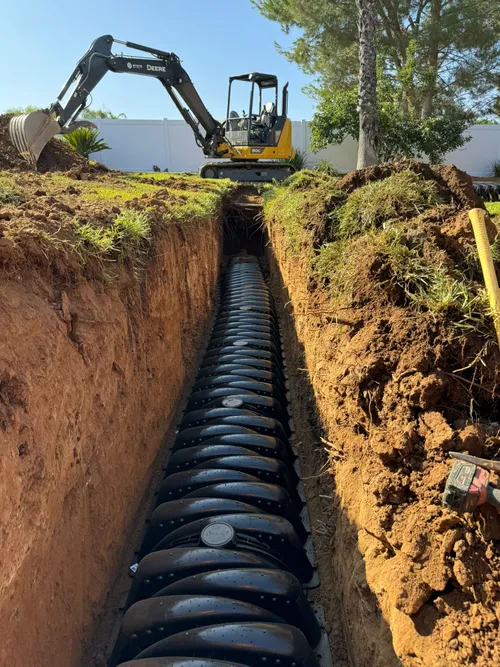
Sierra Septic Cleaning LLC is a septic tank pumping, inspection, and repair company based in Irvine, CA. With over five years of experience, they provide a range of septic system maintenance services including regular cleaning, inspections, and repairs to ensure systems function efficiently. Their team uses advanced equipment to deliver reliable septic cleaning and maintenance solutions aimed at preventing backups and protecting both homes and the environment.
Honey Doo Wagon Septic Pumping
Irvine, CA
Honey Doo Wagon Septic Pumping is a full-service septic company serving Irvine, CA. They offer septic tank pumping, inspections, repairs, installations, replacements, and maintenance. With over 18 years of experience, the company provides a wide range of septic services backed by a commitment to professionalism and integrity.
Countywide Septic Pumping LLC
5290 Capella Ct, Jurupa Valley, CA 91752
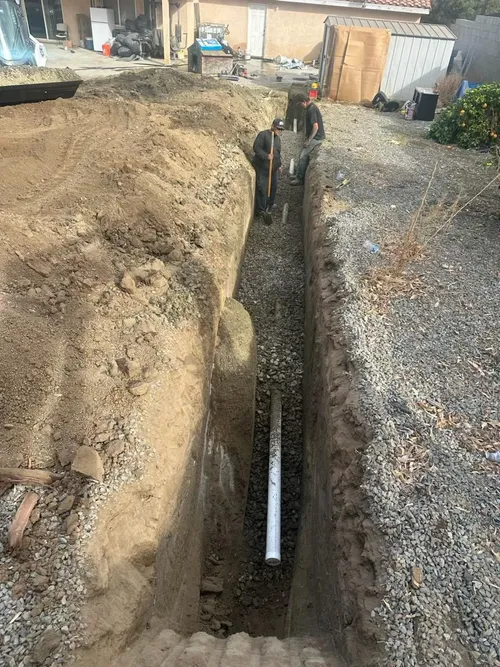
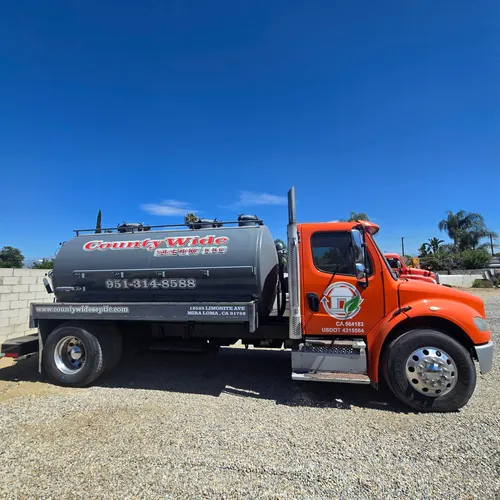
Countywide Septic Pumping LLC provides septic tank installation, pumping, inspection, and repair services in Los Angeles, CA, and surrounding counties including Riverside, Orange, and San Bernardino. They serve both residential and commercial clients, handling everything from soil sampling and permit acquisition to system maintenance and emergency repairs. The company offers 24-hour emergency septic tank pumping and repair services to address urgent needs promptly. Countywide Septic Pumping uses updated equipment to ensure effective septic system performance and safe installation, supporting properties where municipal water and sewage services are unavailable.
Why Septic System Inspections Matter in Lake Elsinore
Many homes in Lake Elsinore and surrounding Riverside County rely on septic systems rather than municipal sewer lines. These private systems are responsible for treating all household wastewater. A failing system can lead to costly property damage, environmental contamination of local groundwater, and serious health hazards. Regular inspections are the most effective way to catch minor issues before they become major, expensive failures. In fact, the cost of routine maintenance and inspection is low compared to the $3,000-$10,000+ often required to repair or replace a failing system 1.
Beyond maintenance, a septic system evaluation is often a legal requirement. Riverside County mandates inspections under specific circumstances, such as when applying for building permits for additions or if the system is over 15 years old. Having a clear understanding of these local rules helps you stay compliant and avoid delays in your property plans.
Understanding Riverside County & Lake Elsinore Inspection Requirements
The Riverside County Department of Environmental Health (DEH) is the local authority overseeing all onsite wastewater systems. Their regulations are designed to protect public health and water quality in the region. Key triggers that require a formal inspection and certification by a Qualified Service Provider (QSP) include:
- Property Improvements: If you are applying for building permits to add a room, expand your home, or build an accessory dwelling unit (ADU), the county will likely require certification that your existing septic system is sized correctly and in good working condition.
- System Age: Systems older than 15 years often need evaluation, especially if they were installed without a permit or if their history is unknown.
- Real Estate Transactions: While not always mandated by law, a thorough septic inspection is a standard and highly recommended part of buying or selling a home with a septic system to uncover any latent issues 2.
For these official purposes, the inspection must be performed by a contractor with the proper state and county certifications. The findings are then filed directly with the Riverside County DEH.
What a Professional Septic Inspection Involves
A comprehensive septic system evaluation, sometimes referred to as a C-42 inspection after the contractor classification, is a multi-step process conducted by a trained professional. It goes far beyond simply checking if water is draining. Here's what you can expect during a standard inspection:
1. Locating and Accessing the System The inspector will first locate the septic tank and distribution box, which may involve probing the yard or referring to any available "as-built" diagrams. The tank lids will then be excavated and opened for internal examination.
2. Assessing Tank Integrity and Contents This is the core of the inspection. The professional will:
- Check the tank's structural condition for cracks, leaks, or signs of deterioration.
- Measure the sludge and scum layers to determine if the tank needs to be pumped. A general rule is that pumping is needed if the sludge layer is more than one-third of the tank's depth.
- Inspect inlet and outlet baffles to ensure they are intact and functioning properly to prevent solids from flowing into the drain field 3.
3. Evaluating the Drain Field (Leach Field) The inspector will examine the area above and around the drain field for telltale signs of failure, such as:
- Surfacing effluent or soggy, bright green grass over the field.
- Foul odors.
- Backups into the home's plumbing fixtures.
4. Flow Test and Component Check A flow test may be performed to simulate system use and check for proper drainage. The inspector will also check the distribution box (if present) and any pumps or alarms for proper operation.
A full inspection provides a snapshot of your system's health and identifies any immediate or looming problems that need attention.
Find the perfect septic tank inspection companies for your needs
Get personalized recommendations and expert advice
How Often Should You Get a Septic Inspection?
For routine maintenance, the U.S. Environmental Protection Agency (EPA) recommends having your septic system inspected at least every three years by a qualified professional. However, many experts, including local authorities, suggest a more frequent schedule of every 1 to 3 years, depending on household size and usage 4 5.
Pumping is a separate but related maintenance task. Tanks typically need to be pumped every 3 to 5 years, but the inspection will determine the actual need based on sludge accumulation 6. Regular inspections help you plan pumping on an as-needed basis, potentially saving money and preventing system overload.
Costs of Septic Inspections and Related Services in Lake Elsinore
Understanding the potential costs helps homeowners budget for this essential service. Prices can vary based on the size of the tank, the complexity of the system, and the extent of the inspection required.
- Standard Inspection: For a routine visual and operational assessment, homeowners can expect to pay roughly $200 to $600 7.
- Pumping Service: If the inspection reveals the tank needs to be emptied, pumping generally costs an additional $150 to $250 8.
- Certification Inspection: More comprehensive evaluations for real estate or permit purposes, which include filing paperwork with the county, tend to be on the higher end of the inspection cost range.
It's important to view these costs as an investment. The few hundred dollars spent on a periodic inspection pales in comparison to the massive expense and disruption of repairing a collapsed drain field or replacing a failed septic tank.
Choosing a Qualified Septic Inspection Professional
Not all contractors are equal. For inspections that will be submitted to Riverside County, you must hire a Qualified Service Provider (QSP). For all work, ensure the contractor holds a valid C-42 (Sanitation System) contractor's license from the California Contractors State License Board 9.
When contacting providers, ask the right questions:
- "Are you certified as a QSP with Riverside County DEH?"
- "What does your standard inspection include?"
- "Do you provide a written report, and if so, what details does it contain?"
- "Will you file the certification directly with the county if needed?"
Choosing a knowledgeable local professional ensures the inspection meets all regulatory standards and provides you with accurate, actionable information about your system.
Preparing for a Septic System Evaluation
A little preparation can make the inspection process smoother and more efficient:
- Locate Records: Find any permits, "as-built" diagrams, or maintenance records for your system.
- Clear Access: Ensure the inspector has clear access to the tank lids and the drain field area. You may need to mark the tank location if you know it.
- Note Any Issues: Be ready to tell the inspector about any slow drains, odors, or wet spots in the yard you've noticed.
- Be Present: If possible, be home during the inspection so the professional can discuss preliminary findings with you on-site.
By being prepared, you help the inspector provide the most thorough evaluation possible.