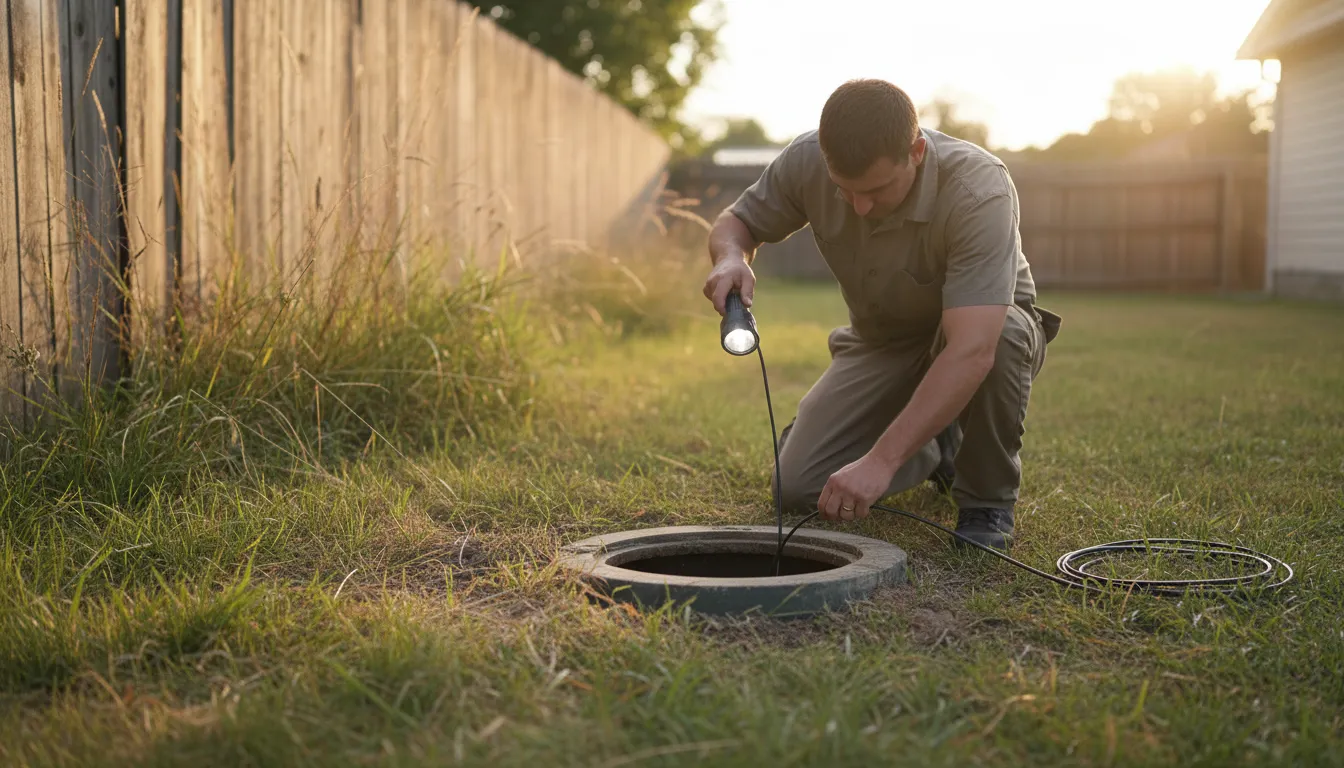
Find the Best Septic Tank Inspection Companies for Your Business
No obligation • Fast responses • Nationwide coverage

Why you can trust Septic Spot
Septic Spot is a leading United States resource for understanding and comparing septic services. Our editors review providers using consistent criteria and verify key business details. Listings and scores are independent, and companies cannot pay to influence our content.
Search providers near you
Top Septic Tank Inspection Companies in Long Beach, California Ranked
A septic tank inspection is a professional assessment of your onsite wastewater treatment system to ensure it is functioning safely and efficiently. For Long Beach homeowners, these evaluations are critical for protecting your property value, safeguarding public health, and complying with local regulations. This guide helps you understand the process, requirements, and local considerations for finding qualified professionals to assess your system.
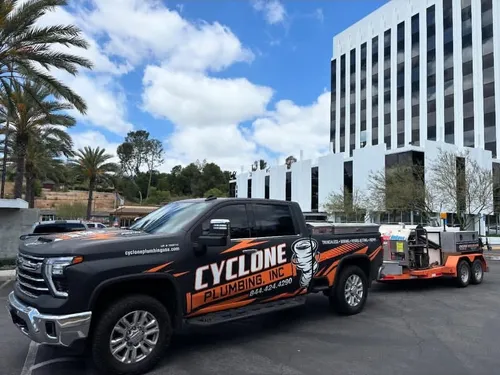
Cyclone Plumbing USA
1440 N Harbor Blvd suite 840, Fullerton, CA 92835
Cyclone Plumbing USA is a plumbing company based in Fullerton, CA, serving homes and businesses throughout Orange County. They offer a wide range of plumbing services, including septic tank inspection and septic system repair, as well as drain cleaning, hydro jetting, water heater installation, and leak detection. The company uses advanced equipment such as sewer cameras to diagnose issues and provides same-day repairs when needed. Cyclone Plumbing USA operates 24/7, offering emergency plumbing services at any time. The team at Cyclone Plumbing USA consists of licensed and insured professionals with years of hands-on experience. They emphasize transparency and fair pricing while delivering quality workmanship. Their commitment to customer satisfaction and comprehensive maintenance plans helps prevent costly repairs and ensures plumbing systems function efficiently.
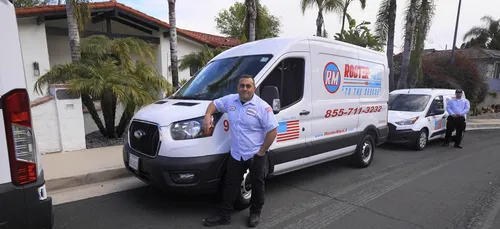
Rooter Man Plumbing of Orange
521 W Katella Ave, Orange, CA 92867
Rooter Man Plumbing of Orange provides septic tank pumping and inspection services in Santa Ana, CA. They offer a wide range of plumbing solutions including emergency repairs, drain cleaning, sewer line replacement, and hydro jetting. The company is equipped to handle both residential and commercial plumbing needs with capabilities such as leak detection and water heater maintenance. Emergency plumbing services are available 24/7 to address urgent issues at any time.
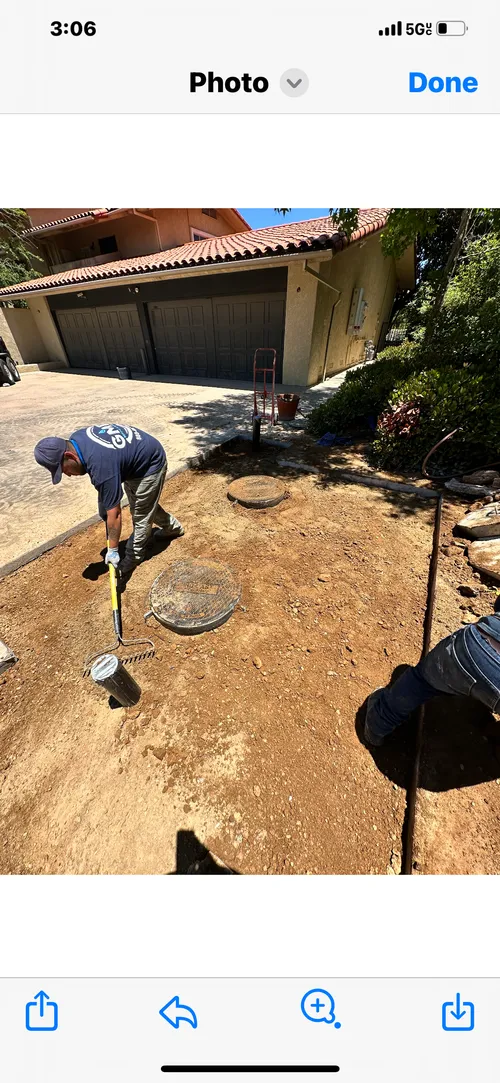
GMP Septic And Sewer
20 Surrey Ln, Rancho Palos Verdes, CA 90275
GMP Septic And Sewer provides a full range of septic services in Los Angeles, CA, including septic tank pumping, cleaning, inspections, repairs, installations, and system upgrades. They handle new construction, remodels, and replacements, ensuring systems are tailored to property needs. The company offers 24/7 emergency services for urgent septic system repairs. Their expertise covers diagnosing leaks, replacing damaged components, and maintaining system performance through regular maintenance and thorough inspections.
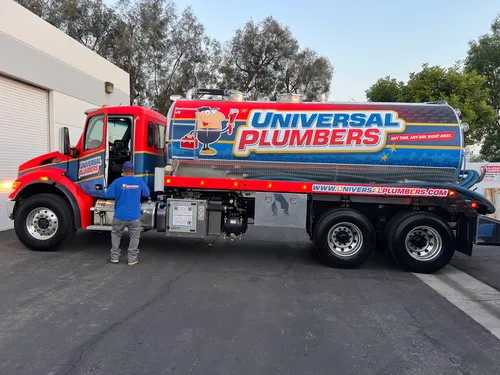
Universal Plumbers
3315 Glendale Blvd #10, Los Angeles, CA 90039
Universal Plumbers is a septic tank pumping, inspection, and repair company serving Los Angeles, CA. With over 30 years of experience in the plumbing industry and more than 30,000 residential and commercial jobs completed, they offer a wide range of plumbing services including emergency plumbing and sewer system maintenance. The company provides 24/7 emergency plumbing services, ensuring help is available at any time for urgent issues such as leaks, clogs, and sewer repairs. Established in 2008, Universal Plumbers combines extensive industry knowledge with around-the-clock availability to address plumbing needs efficiently.
Just Sewers, INC
Los Angeles, CA
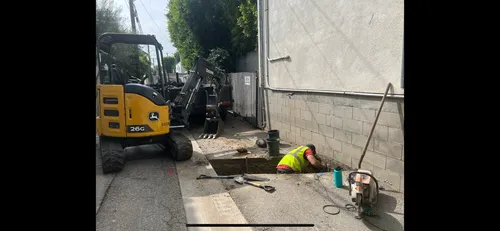
Just Sewers, INC is a sewer and septic service provider based in Los Angeles, CA. They offer a wide range of services including septic tank pumping, inspection, and installation, as well as sewer line cleaning, repair, replacement, and trenchless sewer solutions. Serving Los Angeles and surrounding communities such as Pasadena, Hollywood, Beverly Hills, and Santa Monica, they utilize advanced tools like video inspections and hydro jetting to address plumbing issues efficiently. The company operates 24/7 to handle emergencies and routine maintenance, helping to prevent costly backups and system failures.
Understanding Septic Systems and Local Regulations
In areas of Long Beach not connected to the municipal sewer, homes rely on septic systems to treat and dispose of wastewater. These systems are a significant investment and a key component of your property's infrastructure. Los Angeles County Public Health governs septic system management, and adherence to their codes is not optional-it's a legal requirement for environmental and community safety.
Key county regulations include mandatory inspections every 1 to 3 years and routine pumping every 3 to 5 years to prevent system failure. Furthermore, a permit from the LA County Department of Public Health is required for any construction, repair, or abandonment of a septic system. This is often triggered if a municipal sewer line is not within 200-300 feet of your property. Understanding these rules is the first step in responsible system ownership.
Why Regular Septic Inspections Are Essential
Scheduling a routine septic system evaluation is one of the most important forms of home maintenance you can perform. A neglected system can lead to catastrophic and expensive failures, including sewage backups into your home or contamination of groundwater. Regular check-ups identify minor issues-like a damaged baffle or high sludge levels-before they escalate into major repairs or a full system replacement, which can cost between $3,000 and over $10,000.
Beyond protecting your wallet, these inspections protect your community. A failing septic system can leach harmful pathogens and nitrates into the soil and local water sources. In Long Beach, where environmental stewardship is paramount, maintaining a watertight and efficient system is part of being a good neighbor. An inspection report also provides crucial documentation if you plan to sell your home, as most buyers will require a recent and passing assessment.
The Professional Inspection Process: What to Expect
A comprehensive septic tank assessment is a multi-step process conducted by a Qualified Professional (QP). Knowing what happens during an inspection can help you prepare and ensure nothing is overlooked.
1. Locating and Opening the System: The inspector will first locate your tank and distribution box, then carefully excavate and open the access ports. Ensuring these lids are accessible before the professional arrives can save time.
2. Evaluating Tank Contents and Structure: The core of the inspection involves measuring the scum and sludge layers inside the tank. Inspectors look for signs of structural damage, such as cracks or corrosion, and check for sewage odors or excessive liquid levels that indicate problems.
3. Checking Critical Components: The inlet and outlet baffles are examined for damage or blockage, as these are vital for preventing solids from flowing into the drain field. The inspector will also note the condition of the septic tank effluent filter, if present, which requires regular cleaning.
4. Assessing the Drain Field: The inspection isn't complete without evaluating the leach field. The professional will look for telltale signs of failure, such as soggy ground, standing water, or unusually lush vegetation above the field lines, which indicate that effluent is not being properly absorbed 1.
5. Pumping for a Clear View: Often, a full inspection requires pumping the tank to remove accumulated solids. This allows the inspector to see the tank's interior walls and bottom clearly, checking for cracks or deterioration that would otherwise be hidden2.
Find the perfect septic tank inspection companies for your needs
Get personalized recommendations and expert advice
Costs Associated with Septic Inspections and Maintenance
Understanding the potential costs helps homeowners budget for this essential service. A standard visual and operational inspection in the Long Beach area typically ranges from $50 to $1503. However, if the inspection requires pumping the tank to complete the evaluation, you should expect an additional cost. Septic tank pumping in this region generally runs between $150 and $250, though the final price can vary based on tank size and accessibility4 5.
It's important to view these costs as an investment rather than an expense. The few hundred dollars spent on a routine inspection and pumping is minor compared to the thousands required for emergency repairs or a drain field replacement. Some inspectors offer package deals that combine inspection and pumping services, which can provide both savings and convenience.
Long Beach-Specific Codes and the Cesspool Phase-Out
Long Beach has specific municipal codes that intersect with county health regulations. The city's sewer use regulations outline requirements for septic systems and their connection to public sewers when available6. A critical local issue is the phase-out of cesspools.
Under LA County rules, any property renovation that adds bedrooms triggers a requirement to upgrade an existing cesspool to a modern septic system or connect to the municipal sewer. This is part of a broader effort to eliminate these older, less effective waste treatment methods that pose a higher risk of groundwater contamination. If your home has a cesspool, a professional inspection is the first step to understanding your upgrade obligations and timelines.
Furthermore, the proper abandonment of an old septic tank is strictly regulated. If you are connecting to the city sewer and decommissioning your septic system, the tank must be pumped out by a licensed service and then either removed or collapsed and backfilled under the inspection of the Long Beach City Building and Safety Department. Skipping this step can create a dangerous collapse hazard in your yard.
Finding a Qualified Inspector in Long Beach
When searching for a septic system professional, ensure they are familiar with both Los Angeles County and City of Long Beach requirements. Look for a "Qualified Professional" (QP) as defined by the county, which includes licensed engineers, certified environmental health specialists, or other professionals with demonstrated expertise7 8.
A reputable inspector will be happy to explain their process, provide a detailed written report of their findings, and outline any necessary repairs or maintenance. They should also be knowledgeable about local permit processes, which is invaluable if your inspection reveals work that requires county approval. Asking for references from other Long Beach homeowners can provide peace of mind that you are hiring a trustworthy expert.
Maintaining Your System Between Inspections
Professional evaluations are essential, but day-to-day care extends the life of your system. Be mindful of what goes down your drains. Avoid flushing anything besides human waste and toilet paper, and never pour grease, chemicals, or medications down the drain. Conserve water to avoid hydraulically overloading the system-spreading out laundry loads and fixing leaky faucets can make a big difference.
Keep detailed records of all inspections, pumping services, and repairs. This log is not only helpful for maintenance scheduling but is also a key document for real estate transactions. Finally, protect your drain field by never parking vehicles or building structures over it, and divert rainwater runoff away from the area to prevent saturation.
Frequently asked questions
Sources
Footnotes
-
The Californian's Guide To Septic Tanks - https://cacciaplumbing.com/blog/california-septic-tank-guide/ ↩
-
Preparing for Septic Tank Inspection: 7 Key Steps - https://septic911.com/preparing-for-septic-tank-inspection/ ↩
-
How Much Does a Septic Inspection Cost? [2026 Data] | Angi - https://www.angi.com/articles/septic-inspection-cost.htm ↩
-
Frequent Questions on Septic Systems | US EPA - https://www.epa.gov/septic/frequent-questions-septic-systems ↩
-
Maintaining your Septic System A Guide for Homeowners - https://www.ihs.gov/california/tasks/sites/default/assets/File/SFC-MaintainingYourSepticSystemGuide.pdf ↩
-
SEWERS- USE REGULATIONS | Municipal Code | Long Beach, CA - https://library.municode.com/ca/long_beach/codes/municipal_code?nodeId=TIT15PUUT_CH15.20SEUSRE_15.20.200EXAU ↩
-
Santa Clara County Onsite Systems Manual - California Water Boards - https://www.waterboards.ca.gov/sanfranciscobay/board_info/agendas/2016/January/SantaClaraOWTS/SCC_OWTS_B_Onsite_Systems_Manual.pdf ↩
-
Onsite Wastewater Treatment System in Los Angeles County - http://www.publichealth.lacounty.gov/eh/business/septic-systems.htm ↩