Find the Best Septic Tank Inspection Companies for Your Business
No obligation • Fast responses • Nationwide coverage

Why you can trust Septic Spot
Septic Spot is a leading United States resource for understanding and comparing septic services. Our editors review providers using consistent criteria and verify key business details. Listings and scores are independent, and companies cannot pay to influence our content.
Search providers near you
Top Septic Tank Inspection Companies in Lynwood, California Ranked
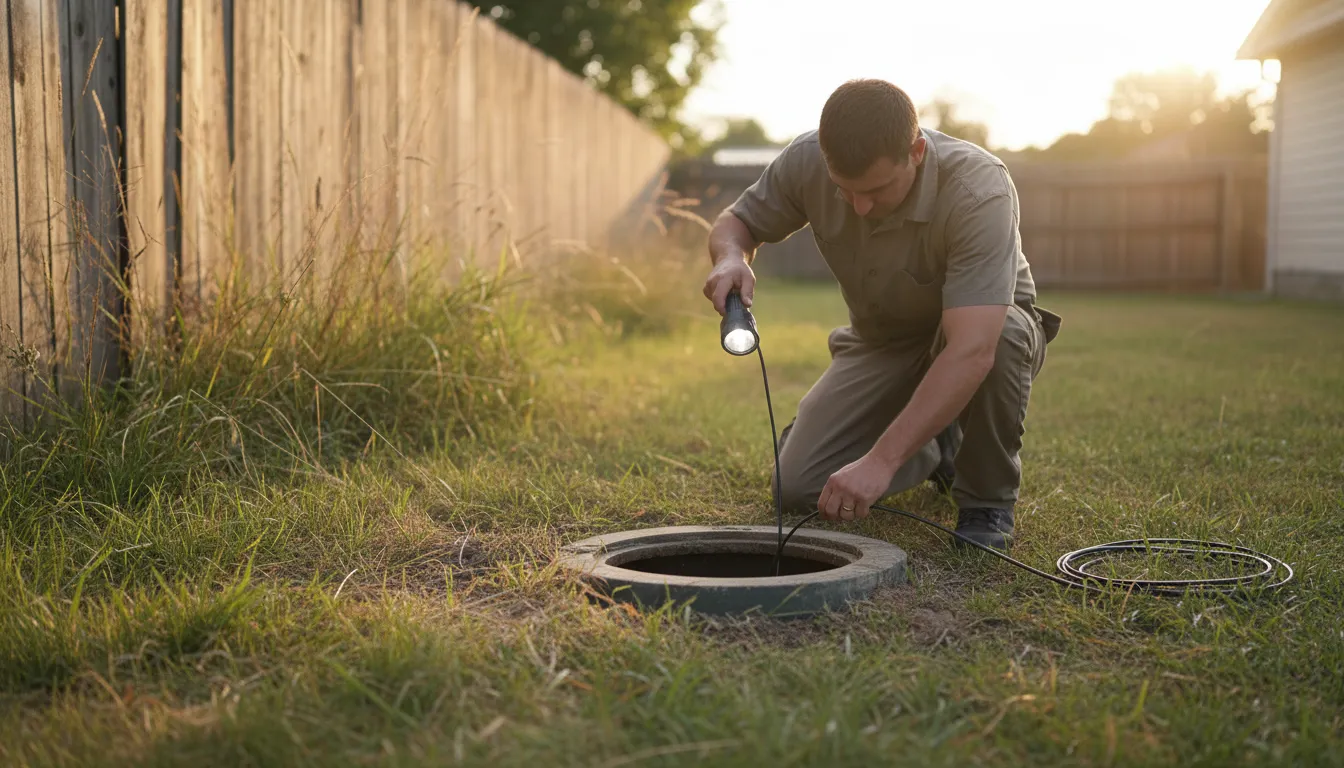
A septic tank inspection is a critical evaluation of your home's private wastewater treatment system, conducted by a licensed professional. In Lynwood, these inspections are not just a good idea-they are a regulatory requirement enforced by the County of Los Angeles Public Health department to protect public health and the environment. This process helps identify potential failures, ensures your system is functioning correctly, and can prevent costly emergencies. You can use this resource to understand the inspection process, local regulations, and find qualified local professionals to assess your system.
Cyclone Plumbing USA
1440 N Harbor Blvd suite 840, Fullerton, CA 92835
Cyclone Plumbing USA is a plumbing company based in Fullerton, CA, serving homes and businesses throughout Orange County. They offer a wide range of plumbing services, including septic tank inspection and septic system repair, as well as drain cleaning, hydro jetting, water heater installation, and leak detection. The company uses advanced equipment such as sewer cameras to diagnose issues and provides same-day repairs when needed. Cyclone Plumbing USA operates 24/7, offering emergency plumbing services at any time. The team at Cyclone Plumbing USA consists of licensed and insured professionals with years of hands-on experience. They emphasize transparency and fair pricing while delivering quality workmanship. Their commitment to customer satisfaction and comprehensive maintenance plans helps prevent costly repairs and ensures plumbing systems function efficiently.
Rooter Man Plumbing of Orange
521 W Katella Ave, Orange, CA 92867
Rooter Man Plumbing of Orange provides septic tank pumping and inspection services in Santa Ana, CA. They offer a wide range of plumbing solutions including emergency repairs, drain cleaning, sewer line replacement, and hydro jetting. The company is equipped to handle both residential and commercial plumbing needs with capabilities such as leak detection and water heater maintenance. Emergency plumbing services are available 24/7 to address urgent issues at any time.
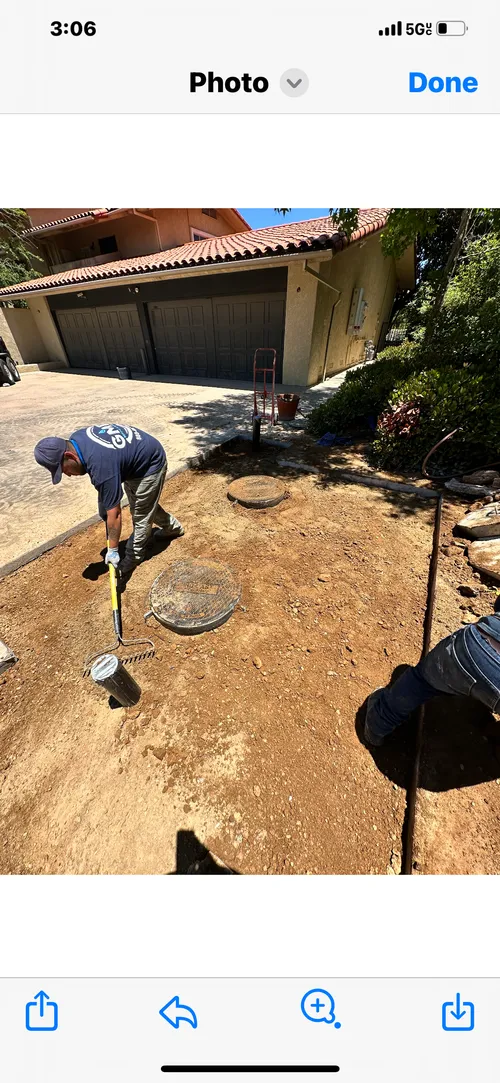
GMP Septic And Sewer
20 Surrey Ln, Rancho Palos Verdes, CA 90275
GMP Septic And Sewer provides a full range of septic services in Los Angeles, CA, including septic tank pumping, cleaning, inspections, repairs, installations, and system upgrades. They handle new construction, remodels, and replacements, ensuring systems are tailored to property needs. The company offers 24/7 emergency services for urgent septic system repairs. Their expertise covers diagnosing leaks, replacing damaged components, and maintaining system performance through regular maintenance and thorough inspections.
Septic Tank Pumping Rode Inc
14648 Sylvan St suite 107, Van Nuys, CA 91411
Septic Tank Pumping Rode Inc provides septic tank pumping and inspection services in Los Angeles, CA. They offer a full range of solutions including emergency pumping, routine maintenance, and detailed system inspections to maintain septic system health and environmental safety. Their certified technicians use advanced pumping technology to deliver efficient waste removal and thorough system care, suitable for medium to large properties. The company emphasizes compliance with local standards and offers 24/7 emergency response to address urgent septic issues promptly.

Rooter Man Plumbing of Los Angeles
3026 Kester Ave, Los Angeles, CA 91405
Rooter Man Plumbing of Los Angeles provides a range of plumbing services in Los Angeles, CA, including septic tank inspections, routine maintenance, and emergency repairs. They serve residential and commercial clients, offering specialized capabilities such as hydro jet drain cleaning, trenchless sewer repair, and advanced leak detection using thermal imaging and acoustic devices. The company supports high-rise and multi-unit buildings and is available 24/7 for plumbing emergencies across the city.
Why Septic System Inspections Are Mandatory in Lynwood
Los Angeles County has strict regulations governing onsite wastewater treatment systems (OWTS), which is the official term for septic systems. For homeowners in Lynwood, this means your septic system must be inspected by a licensed professional every 1 to 3 years. This regular monitoring is crucial because a failing system can contaminate groundwater, create public health hazards, and lead to significant property damage. The county phases out illegal cesspools and requires proof of functionality, especially if you plan any property changes.
The consequences of skipping a mandated septic evaluation can be severe. If your system fails and your property is within 200 feet of a public sewer line, the county may require you to connect to the municipal sewer at your own expense. Proactive inspections are the most reliable way to demonstrate compliance, plan for necessary maintenance, and avoid unexpected connection mandates or fines.
What a Professional Septic Inspection Involves
A comprehensive septic system assessment is a multi-step process designed to evaluate every component of your wastewater treatment system. It's more than just a quick look; it's a detailed investigation into the health of your tank and drainfield.
- Locate and Uncover: The inspector will first locate your septic tank and drainfield using property records, probes, or electronic locating equipment. They will then excavate to uncover the tank's access ports (manholes) and the distribution box.
- Evaluate Tank Conditions & Liquid Levels: With the tank opened, the inspector checks the liquid level. A level higher than normal can indicate a blockage in the outlet pipe or a failing drainfield. They also inspect the tank's interior walls, baffles (which prevent scum and sludge from exiting), and pipes for signs of corrosion, damage, or excessive sludge buildup.
- Sludge and Scum Measurement: A core part of the inspection involves measuring the depth of the sludge layer at the bottom of the tank and the scum layer floating on top. These measurements determine if the tank needs to be pumped. If the sludge occupies too much space, it doesn't allow for proper wastewater treatment and can clog the drainfield 1.
- Drainfield Assessment: The inspector examines the soil over your drainfield (leach field) for signs of failure. Soggy, saturated soil or areas of unusually lush vegetation can indicate that wastewater is not percolating properly and is surfacing, which is a serious health hazard 2.
- Functional Flow Test: In some cases, especially for real estate transactions, an inspector may perform a functional flow test. This involves running a significant amount of water through the household plumbing to see how the system handles the surge and if any backups or surfacing occurs 3.
Find the perfect septic tank inspection companies for your needs
Get personalized recommendations and expert advice
Understanding Inspection Costs and Related Services
The cost of a septic tank inspection in Lynwood typically ranges from $350 to $650 for a standard evaluation. Several factors influence the final price:
- Tank Accessibility: If the tank is buried deep or under hardscape (like a patio or driveway), extra excavation labor will increase the cost.
- Tank Size and Complexity: Larger systems or those with pumps or advanced treatment components require more time to inspect.
- Pumping Requirement: If the inspector finds the sludge level is too high, they will recommend an immediate pump-out. Pumping alone generally costs between $150 and $250 4. Many companies offer a bundled "inspection and pumping" service, which can be more economical, with total costs often averaging between $400 and $800 depending on the specifics of your system 5.
It's important to view pumping not as an extra expense, but as a core part of maintenance. The U.S. Environmental Protection Agency recommends pumping your septic tank every 3 to 5 years, but the exact frequency depends on household size and usage 6. An inspection will tell you precisely when it's needed.
Local Lynwood Regulations: Cesspools, Permits, and Upgrades
Lynwood homeowners must be aware of specific county rules that go beyond standard inspection schedules.
- Cesspools Are Phased Out: If your property has an older cesspool (a pit that simply collects raw wastewater), it is being phased out by LA County. You must have a Qualified Professional perform a percolation test to prove it is still functional. Critically, no increase in wastewater flow-such as adding a bedroom or an accessory dwelling unit (ADU)-is permitted on an existing cesspool system.
- Permits for All Work: Any repair, upgrade, or modification to your septic system requires a permit from the LA County Department of Public Health. This includes replacing a tank, repairing a drainfield, or adding a new component. Always ensure your contractor pulls the proper permits.
- The Sewer Connection Rule: As mentioned, a failing system near a public sewer line can trigger a mandatory connection order 7. Regular inspections help you manage your system's lifespan and budget for potential future costs, whether it's a major repair or a sewer connection.
Maintaining Your System Between Inspections
A professional inspection every few years is essential, but day-to-day homeowner habits greatly impact your system's longevity.
- Conserve Water: Spread out laundry loads, fix leaky faucets, and install high-efficiency fixtures. Overloading the system with water is a common cause of failure.
- Mind What You Flush: Only human waste and toilet paper should go down the drain. Never flush wipes (even "flushable" ones), feminine hygiene products, dental floss, cooking grease, or chemicals. These materials clog pipes and destroy the bacterial balance in the tank 8 9.
- Protect the Drainfield: Never park cars or build structures over your drainfield. Keep roof drains, sump pumps, and other surface water away from the area to prevent saturation.
- Keep Detailed Records: Maintain a file with your inspection reports, pumping receipts, permit documents, and a sketch of your system's location. This is invaluable for future service and if you sell your home.
Frequently asked questions
Sources
Footnotes
-
The Californian's Guide To Septic Tanks - https://cacciaplumbing.com/blog/california-septic-tank-guide/ ↩
-
What to Expect from a Septic Inspection - https://www.wrenvironmental.com/blog/2023/may/what-to-expect-from-a-septic-inspection/ ↩
-
Septic System Inspections - InterNACHI - https://www.nachi.org/inspecting-septic-systems.htm ↩
-
Maintaining your Septic System A Guide for Homeowners - https://www.ihs.gov/california/tasks/sites/default/assets/File/SFC-MaintainingYourSepticSystemGuide.pdf ↩
-
What Is a Septic Inspection? Everything Homeowners Need to Know - https://www.redfin.com/blog/what-you-need-to-know-about-septic-inspections/ ↩
-
Homeowner's Guide to Septic Systems - Tuolumne County - https://www.tuolumnecounty.ca.gov/DocumentCenter/View/21759/Onsite-System-Care-and-Maintenance ↩
-
Onsite Wastewater Treatment System in Los Angeles County - http://www.publichealth.lacounty.gov/eh/business/septic-systems.htm ↩
-
Frequent Questions on Septic Systems | US EPA - https://www.epa.gov/septic/frequent-questions-septic-systems ↩
-
Homeowner's Septic System Manual - King County - https://cdn.kingcounty.gov/-/media/king-county/depts/dph/documents/health-safety/environmental-health/oss/educational-downloads/homeowners-septic-system-manual.pdf?rev=82630971dc9e4074850c68d917f0eb26&hash=AC8FBC2F982C89461F268174B59624C5 ↩