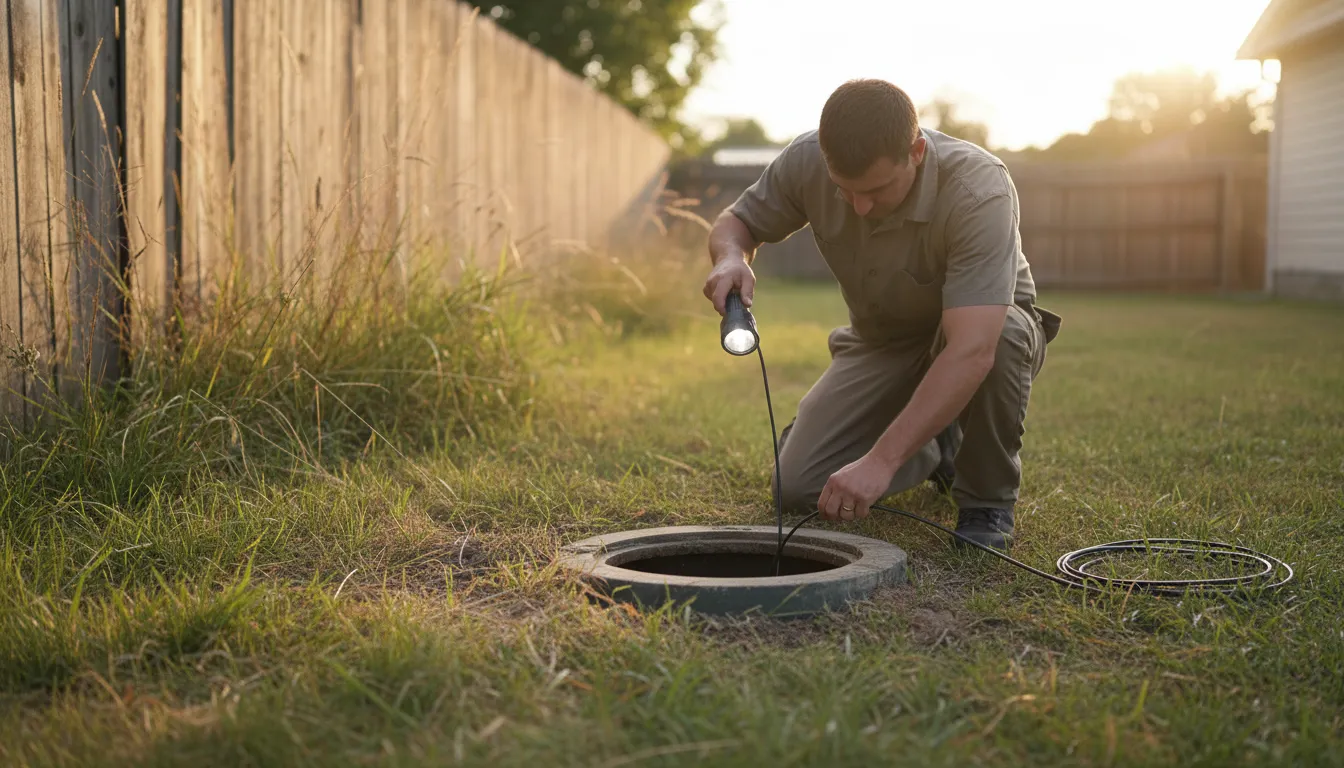
Find the Best Septic Tank Inspection Companies for Your Business
No obligation • Fast responses • Nationwide coverage

Why you can trust Septic Spot
Septic Spot is a leading United States resource for understanding and comparing septic services. Our editors review providers using consistent criteria and verify key business details. Listings and scores are independent, and companies cannot pay to influence our content.
Search providers near you
Top Septic Tank Inspection Companies in Milpitas, California Ranked
A septic tank inspection is a crucial evaluation of your onsite wastewater treatment system to ensure it's functioning safely and efficiently. In Milpitas, these assessments are not just a good idea-they're often a regulatory requirement tied to property transfers and routine maintenance. This guide will help you understand the local process, what inspectors look for, and how to find qualified professionals to evaluate your system.
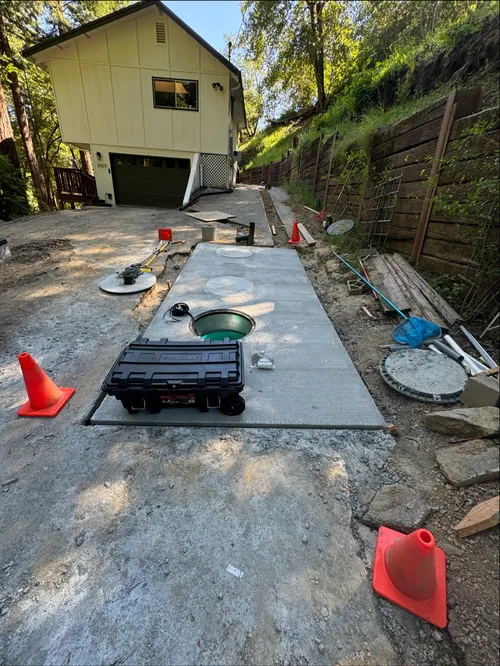
Wade's Plumbing & Septic
San Jose, CA
Wade's Plumbing & Septic is a family-owned company serving San Jose, CA, and licensed in California and Georgia. They specialize in septic tank pumping, inspection, repair, and installation, with a focus on enhanced treatment systems designed for challenging sites such as steep slopes, limited space, and environmentally sensitive areas. Their services include plumbing repairs and preventative maintenance, delivered by licensed professionals since 2021. Wade's offers upfront flat-rate pricing and emphasizes honest recommendations without upselling. They operate during regular business hours on weekdays.
Trinity Liquid Waste Services
San Jose, CA
Trinity Liquid Waste Services provides septic tank pumping, inspection, repair, and maintenance services for residential and commercial clients in San Jose, CA. The family-owned company offers a wide range of septic system solutions including grease trap pumping, sewage ejector tank maintenance, and water jetting to keep systems functioning properly. They also handle storm drain cleaning and provide 24/7 same-day service for urgent septic issues. Their team is experienced in addressing common septic problems caused by household appliance overuse and sediment buildup, helping customers maintain optimal system performance.
PICHANGA PUMPING SERVICE LLC
901 N Rengstorff Ave, Mountain View, CA 94043
PICHANGA PUMPING SERVICE LLC is a family-owned business with over 10 years of experience, serving San Jose, CA. They provide septic tank pumping, inspection, repair, and installation services. The company uses specialized equipment for camera inspections and locating issues within pipes and sewer lines. They also offer restroom rentals. Pichanga Pumping Service provides after-hours and emergency services for added convenience.
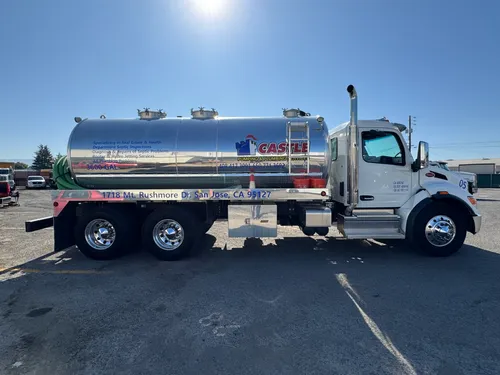
Castle Pumping and Plumbing Services
San Jose, CA
Castle Pumping and Plumbing Services is a locally owned company based in San Jose, CA, offering comprehensive septic system services including pumping, inspections, repairs, and installations. With over 32 years of experience, they serve residential and commercial properties in the San Jose area. Their expertise includes locating septic tanks, performing detailed inspections of tank components, and specialized outflow line exploration to diagnose backups without unnecessary replacements. The company uses advanced equipment and techniques to maintain and repair septic systems, ensuring long-lasting functionality.
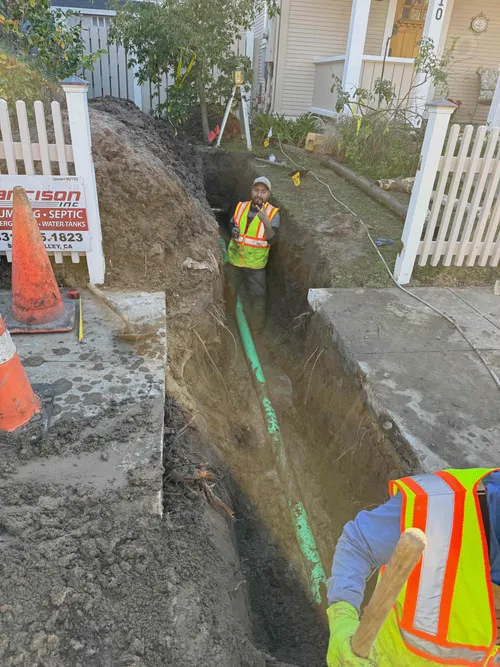
Garrison Plumbing Inc.
San Jose, CA
Garrison Plumbing Inc. is a licensed and insured septic and plumbing company serving San Jose, CA. Established in 1999, they offer septic tank pumping and inspection services, along with other plumbing needs including water tanks, heaters, and filtration systems. Their team can identify and investigate potential septic issues during service, providing comprehensive support for septic system maintenance and repairs.
Understanding Septic Systems and Local Regulations
In areas of Milpitas not connected to the municipal sewer, homes rely on onsite wastewater treatment systems (OWTS), commonly known as septic systems. These systems are private wastewater treatment plants, and their proper function is vital for protecting public health and local groundwater. Santa Clara County, which includes Milpitas, enforces strict regulations based on the California State Water Resources Control Board's guidelines 1. Homeowners are responsible for maintaining their systems, which includes periodic inspections and pumping. Failure to do so can lead to system failure, environmental contamination, and costly repairs or fines.
Key Milpitas and Santa Clara County Requirements
Local rules are designed to protect the environment in a densely populated region. Key points include:
- Permit Requirements: A permit from Santa Clara County Environmental Health is required for any new installation, modification, or significant repair of a septic system. This is especially critical if no public sewer is available within 300 feet of your property line.
- Inspection Frequency: While state guidelines recommend inspections every 1-3 years, specific intervals can be influenced by system size, age, and household usage. Regular checks are the best defense against unexpected failures.
- System Setbacks: Regulations mandate strict minimum distances (setbacks) between septic system components and wells, property lines, buildings, and waterways. These rules ensure safe separation from potential contamination sources.
What a Comprehensive Septic Inspection Involves
A professional septic system evaluation is a multi-step process that goes far beyond just looking at the tank. A thorough inspector will examine every component to assess its current condition and functionality.
Locating and Accessing the System
The first step is often finding all system components. Inspectors may use county records of "as-built" plans, metal detectors, or careful probing to locate the tank lids and the drainfield (leach field). Proper access ports must be uncovered for a complete assessment.
Inspecting the Septic Tank Itself
This is the core of the inspection. The inspector will:
- Check Sludge and Scum Levels: Using specialized tools, they measure the accumulation of solids (sludge) and floating materials (scum). These measurements determine if the tank needs to be pumped. High levels can cause solids to flow into and clog the drainfield 2 3.
- Assess Structural Integrity: The tank is checked for cracks, leaks, and signs of corrosion or deterioration. The inspector ensures the tank is watertight to prevent groundwater infiltration or sewage escape.
- Evaluate Inlet/Outlet Baffles: These crucial components slow the flow of wastewater and prevent solids from exiting the tank. They must be intact and properly secured 4.
Evaluating the Drainfield and Overall System Function
The condition of the drainfield is a primary indicator of system health. The inspector will:
- Check for signs of failure, such as soggy soil, standing water, or unusually bright green grass over the field area 5.
- Look for odors or sewage surfacing, which are clear red flags.
- Assess the effluent level in the tank. A level that is too high may indicate a blockage or failure in the drainfield 6.
Find the perfect septic tank inspection companies for your needs
Get personalized recommendations and expert advice
The Importance of Inspections for Home Buyers and Sellers
In California, a septic system inspection is highly recommended-and often required by lenders-during a real estate transaction. For sellers, a clean inspection report can make a property more attractive and streamline the sale. For buyers, it is an essential form of due diligence. An inspection can reveal latent defects, estimate the remaining lifespan of the system, and identify any needed repairs or imminent pumping requirements. Investing in this inspection can prevent unexpected costs of tens of thousands of dollars for a full system replacement after purchase.
Costs Associated with Septic Inspections and Services
Understanding potential costs helps in budgeting for maintenance. In the Milpitas area:
- Inspection Cost: A standard septic system inspection typically ranges from $150 to $600+. The final price depends on the inspection's complexity, tank accessibility, and whether the inspection is for routine maintenance or a real estate transaction 7.
- Pumping Cost: If the inspection reveals the tank is more than one-third full of solids, pumping is needed. This service generally costs between $300 and $600+, varying with tank size and location 8.
- Permit and Repair Costs: Significant repairs or a new installation involve county permit fees, which can add $500 to $2,000 or more to the project cost, not including the actual construction work 9.
Maintaining Your System Between Inspections
Professional inspections are critical, but day-to-day homeowner care extends the life of your system. Good practices include:
- Conserving water to avoid hydraulically overloading the system.
- Avoiding flushing anything besides human waste and toilet paper (no wipes, grease, or chemicals).
- Keeping vehicles and heavy objects off the drainfield area.
- Maintaining clear records of all inspections, pumpings, and repairs.
Frequently asked questions
Sources
Footnotes
-
ONSITE SYSTEMS MANUAL - California Water Boards - https://www.waterboards.ca.gov/sanfranciscobay/board_info/agendas/2016/January/SantaClaraOWTS/SCC_OWTS_B_Onsite_Systems_Manual.pdf ↩
-
Homeowner's Guide to Septic Systems - El Dorado County - https://www.eldoradocounty.ca.gov/files/assets/county/v/1/documents/government/environmental-management/environmental-management/septic-documents/epa_homeowner_septic_guide.pdf ↩
-
How to Get Septic to Pass Inspection - https://www.guardianangelinspections.com/how-to-get-septic-to-pass-inspection ↩
-
California Septic Tank Requirements | Onsite Wastewater Treatment Systems - https://www.ntotank.com/blog/california-septic-tank-requirements ↩
-
What to Expect from a Septic Inspection - https://www.wrenvironmental.com/blog/2023/may/what-to-expect-from-a-septic-inspection/ ↩
-
Septic System Inspections - InterNACHI® - https://www.nachi.org/inspecting-septic-systems.htm ↩
-
How Much Does a Septic Inspection Cost? [2026 Data] - Angie's List - https://www.angi.com/articles/septic-inspection-cost.htm ↩
-
Maintaining your Septic System A Guide for Homeowners - https://www.ihs.gov/california/tasks/sites/default/assets/File/SFC-MaintainingYourSepticSystemGuide.pdf ↩
-
Get Septic System Installation in Milpitas, CA - https://menloparkseptic.com/septic-system-installation-milpitas-ca ↩