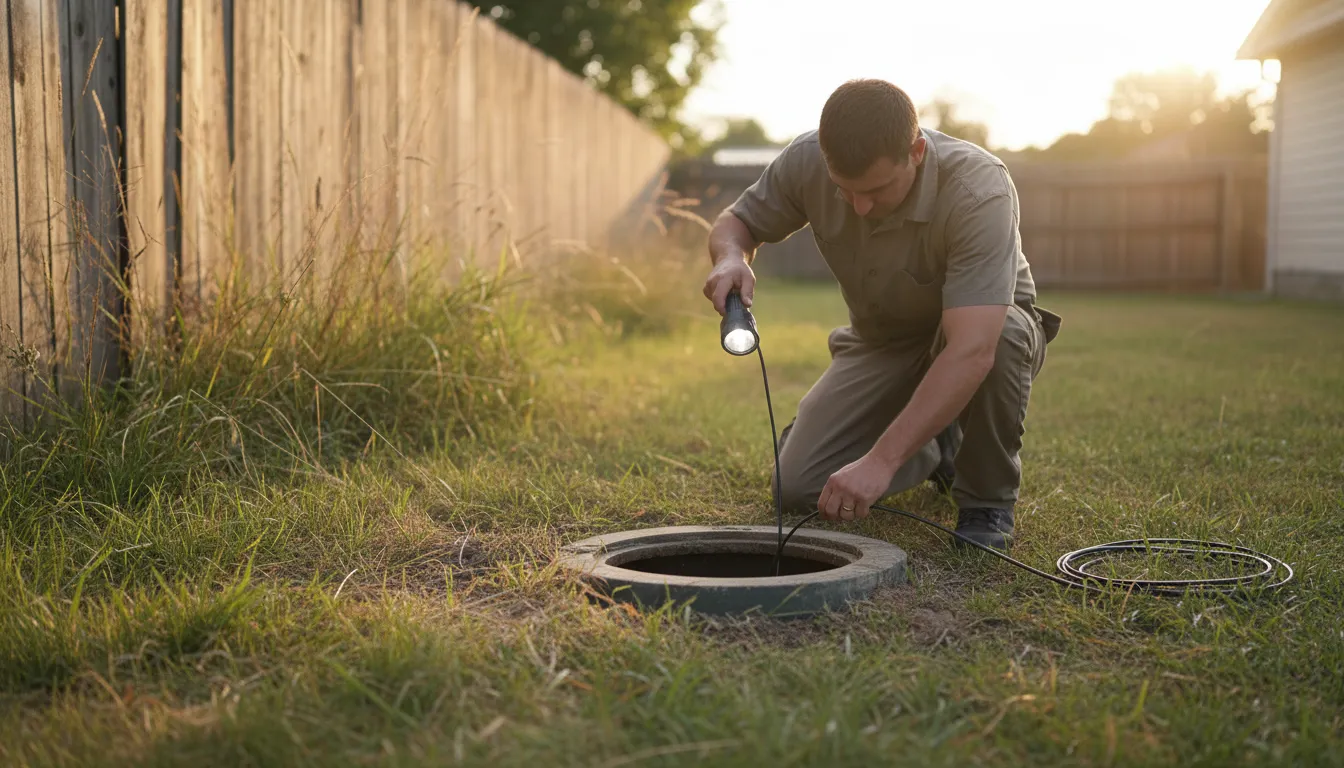
Find the Best Septic Tank Inspection Companies for Your Business
No obligation • Fast responses • Nationwide coverage

Why you can trust Septic Spot
Septic Spot is a leading United States resource for understanding and comparing septic services. Our editors review providers using consistent criteria and verify key business details. Listings and scores are independent, and companies cannot pay to influence our content.
Search providers near you
Top Septic Tank Inspection Companies in Palo Alto, California Ranked
A septic tank inspection is a professional assessment of your onsite wastewater treatment system's condition and functionality. This evaluation is crucial for protecting your property value, ensuring public health, and complying with local environmental regulations. For Palo Alto homeowners, finding a qualified local professional to perform this essential service is the first step in responsible system stewardship.
Wade's Plumbing & Septic
San Jose, CA
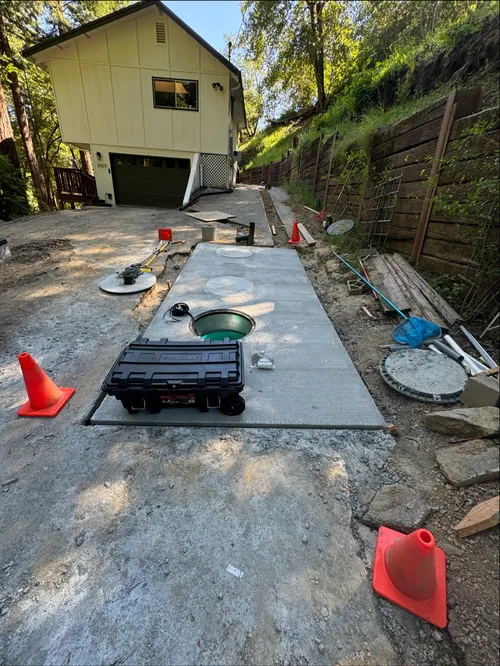
Wade's Plumbing & Septic is a family-owned company serving San Jose, CA, and licensed in California and Georgia. They specialize in septic tank pumping, inspection, repair, and installation, with a focus on enhanced treatment systems designed for challenging sites such as steep slopes, limited space, and environmentally sensitive areas. Their services include plumbing repairs and preventative maintenance, delivered by licensed professionals since 2021. Wade's offers upfront flat-rate pricing and emphasizes honest recommendations without upselling. They operate during regular business hours on weekdays.
Trinity Liquid Waste Services
San Jose, CA
Trinity Liquid Waste Services provides septic tank pumping, inspection, repair, and maintenance services for residential and commercial clients in San Jose, CA. The family-owned company offers a wide range of septic system solutions including grease trap pumping, sewage ejector tank maintenance, and water jetting to keep systems functioning properly. They also handle storm drain cleaning and provide 24/7 same-day service for urgent septic issues. Their team is experienced in addressing common septic problems caused by household appliance overuse and sediment buildup, helping customers maintain optimal system performance.
PICHANGA PUMPING SERVICE LLC
901 N Rengstorff Ave, Mountain View, CA 94043
PICHANGA PUMPING SERVICE LLC is a family-owned business with over 10 years of experience, serving San Jose, CA. They provide septic tank pumping, inspection, repair, and installation services. The company uses specialized equipment for camera inspections and locating issues within pipes and sewer lines. They also offer restroom rentals. Pichanga Pumping Service provides after-hours and emergency services for added convenience.
Garrison Plumbing Inc.
San Jose, CA
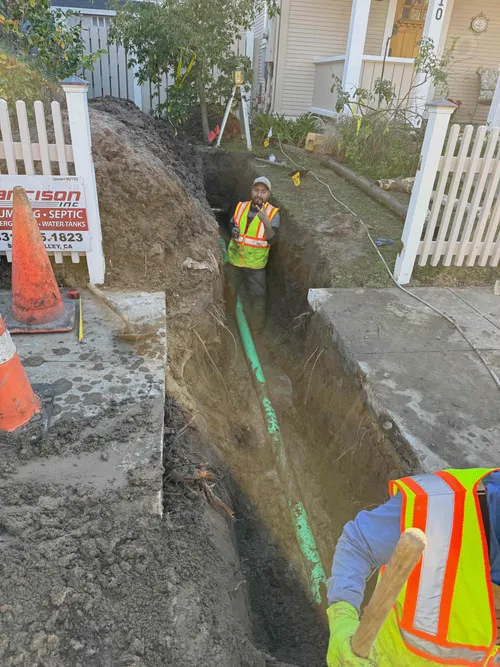
Garrison Plumbing Inc. is a licensed and insured septic and plumbing company serving San Jose, CA. Established in 1999, they offer septic tank pumping and inspection services, along with other plumbing needs including water tanks, heaters, and filtration systems. Their team can identify and investigate potential septic issues during service, providing comprehensive support for septic system maintenance and repairs.
The Honey Bucket Man
6116 CA-9 # D, Felton, CA 95018
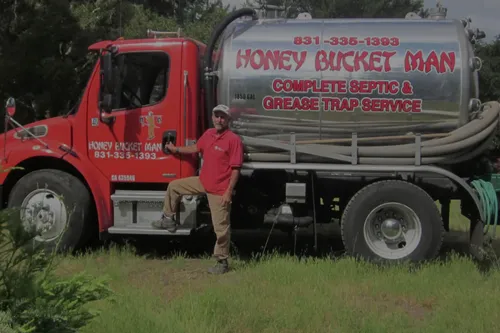
The Honey Bucket Man is a septic service provider located in San Jose, CA. They offer septic system cleaning, minor repairs, tank locating and uncovering, real estate inspections, and installation of new lids. Their services cover a range of septic system needs, including troubleshooting common problems to maintain system function.
Understanding Your Septic System in Palo Alto
A septic system is a self-contained wastewater treatment plant for properties not connected to a municipal sewer line. In Palo Alto, these systems are governed by a combination of state and county regulations designed to protect the sensitive ecosystems of the San Francisco Bay Area. The system typically consists of a septic tank, where solids settle and begin to decompose, and a drainfield (or leach field), where treated liquid effluent is dispersed into the soil for final purification.
Regular septic system evaluations are not just a good idea-they are often a legal requirement. Santa Clara County's Environmental Health Department enforces policies that mandate inspections to prevent groundwater contamination and system failures that can lead to costly repairs and environmental harm 1.
Local Regulations and Inspection Requirements
Palo Alto septic systems must adhere to California's statewide Onsite Wastewater Treatment Systems (OWTS) Policy and specific Santa Clara County ordinances. These regulations outline clear expectations for homeowners:
- Inspection Frequency: Most systems require a professional inspection every 1 to 3 years 2. The exact interval can depend on the system's age, size, and usage.
- Pumping Schedule: Tank pumping is generally needed every 3 to 5 years, but an inspection will determine the precise timing based on sludge and scum levels 3.
- Certification and Reporting: Any licensed professional who pumps or inspects your tank must submit a formal report to the county's Environmental Health Department. You should always request a copy of this signed documentation for your records.
- Property Transfer: A passing septic system inspection is frequently required during real estate transactions to obtain a "septic tank certification" for the sale4.
- System Upgrades: Older systems may need to be upgraded or replaced to meet current standards, especially if a repair is requested or a failure is identified 5.
What a Professional Inspection Involves
A comprehensive septic tank assessment in Palo Alto follows a standardized process to evaluate every component. Here's what you can expect a qualified technician to do 6 7:
- Locate & Access: The inspector will locate the tank and distribution box, ensuring the lids are accessible for a thorough evaluation.
- Tank Integrity Check: The tank is examined for cracks, corrosion, leaks, and the condition of inlet/outlet baffles, which are crucial for preventing solids from entering the drainfield.
- Sludge and Scum Measurement: Using specialized tools, the inspector measures the layers of sludge (at the bottom) and scum (at the top). This determines if the tank needs immediate pumping.
- Component Testing: For systems with pumps, electrical floats, or alarms, these components are tested for proper operation.
- Drainfield Assessment: The inspector examines the drainfield area for warning signs of failure, such as surfacing sewage, soggy ground, or unusually lush vegetation, which indicate the soil is not properly absorbing effluent.
- Detailed Report: A complete written report is provided, documenting the system's condition, any issues found, and recommended actions.
Find the perfect septic tank inspection companies for your needs
Get personalized recommendations and expert advice
Costs for Inspection and Maintenance in Palo Alto
Understanding the potential costs helps homeowners budget for this necessary maintenance. Prices can vary based on tank size, system complexity, and site accessibility.
- Standard Septic Inspection: A routine inspection typically costs between $300 and $800 8.
- Septic Tank Pumping: If the inspection reveals the tank is full, pumping service usually ranges from $300 to $600 9.
- Combined Service: Many homeowners schedule inspection and pumping together. A combined maintenance visit often totals between $600 and $1,20010 11.
These investments are minor compared to the cost of repairing a failed drainfield or addressing environmental contamination due to neglect.
Maintaining Your System Between Inspections
Professional inspections are essential, but day-to-day care extends the life of your system. Key maintenance tips include:
- Conserve Water: Spread out laundry and dishwasher use to avoid overwhelming the system.
- Mind What You Flush: Only human waste and toilet paper should go down the drain. Avoid chemicals, grease, wipes, and feminine hygiene products.
- Protect the Drainfield: Never park vehicles or build structures over the drainfield. Keep rainwater drainage systems away from this area.
- Keep Records: Maintain a file of all inspection reports, pumping receipts, and repair documents. This is invaluable for troubleshooting and property sales.
Signs You Need an Inspection Sooner
Don't wait for your scheduled check-up if you notice any of these red flags:
- Slow drains or sewage backups in your home.
- Gurgling sounds in your plumbing.
- Foul odors near the septic tank or drainfield.
- Standing water or spongy, bright green grass over the drainfield.
- A notification from the county regarding compliance.
For commercial properties in Palo Alto, the inspection process is even more rigorous, often involving additional checks on grease traps, higher-capacity components, and more frequent servicing schedules12.
Frequently asked questions
Sources
Footnotes
-
ONSITE SYSTEMS MANUAL - California Water Boards - https://www.waterboards.ca.gov/sanfranciscobay/board_info/agendas/2016/January/SantaClaraOWTS/SCC_OWTS_B_Onsite_Systems_Manual.pdf ↩
-
Free Septic Tank Inspection Templates | PDF | SafetyCulture - https://safetyculture.com/checklists/septic-tank-inspection ↩
-
HOW OFTEN SHOULD YOU BE PUMPING YOUR SEPTIC TANK? - https://www.sandiegocounty.gov/content/dam/sdc/dpw/WATERSHED_PROTECTION_PROGRAM/WatershedRebates/SRP/PDF/Chart-Septic-Large.pdf ↩
-
Septic Tank Certification: What California Homeowners Need to Know - https://www.kgriverside.com/trending/septic-tank-certification-what-california-homeowners-need-to-know ↩
-
California Septic Tank Requirements | Onsite Wastewater Treatment Systems - https://www.ntotank.com/blog/california-septic-tank-requirements ↩
-
Homeowner's Guide to Septic Systems - Tuolumne County - https://www.tuolumnecounty.ca.gov/DocumentCenter/View/21759/Onsite-System-Care-and-Maintenance ↩
-
Septic Inspection Report Template: Free PDF Download - ServiceTitan - https://www.servicetitan.com/templates/septic/inspection-report ↩
-
How Much Does a Septic Inspection Cost? [2026 Data] - Angie's List - https://www.angi.com/articles/septic-inspection-cost.htm ↩
-
Maintaining your Septic System A Guide for Homeowners - https://www.ihs.gov/california/tasks/sites/default/assets/File/SFC-MaintainingYourSepticSystemGuide.pdf ↩
-
SECTION 1 POLICIES AND ADMINISTRATIVE ... - https://www.smchealth.org/sites/main/files/file-attachments/201601_section_1.pdf?1490801087 ↩
-
Frequent Questions on Septic Systems | US EPA - https://www.epa.gov/septic/frequent-questions-septic-systems ↩
-
What to Expect During a Commercial Septic System Inspection - https://mackenservices.com/2024/08/what-to-expect-during-a-commercial-septic-system-inspection/ ↩