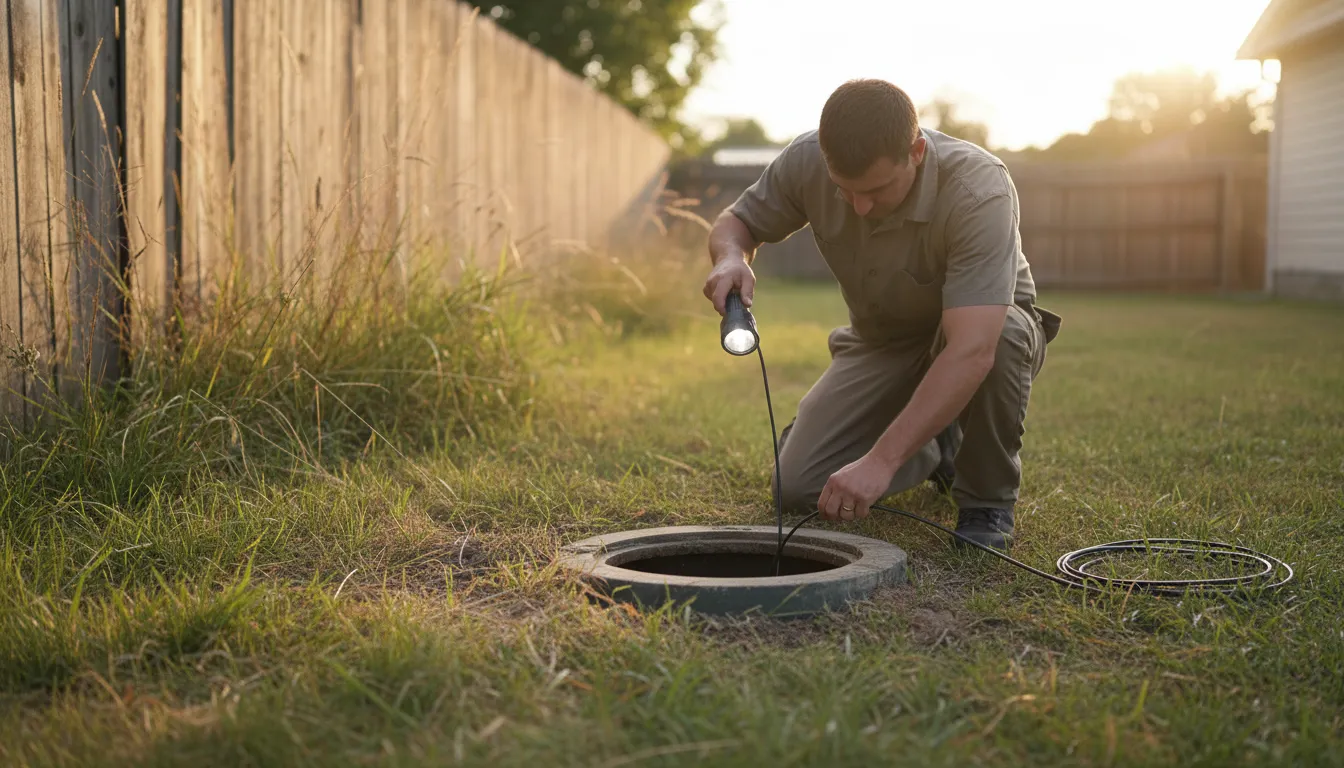
Find the Best Septic Tank Inspection Companies for Your Business
No obligation • Fast responses • Nationwide coverage

Why you can trust Septic Spot
Septic Spot is a leading United States resource for understanding and comparing septic services. Our editors review providers using consistent criteria and verify key business details. Listings and scores are independent, and companies cannot pay to influence our content.
Search providers near you
Top Septic Tank Inspection Companies in Petaluma, California Ranked
A septic tank inspection is a critical evaluation of your onsite wastewater system's health and functionality. In Petaluma, where many homes rely on these private systems, regular inspections are essential for protecting your property value, ensuring environmental safety, and complying with local regulations. This guide helps you understand the process, requirements, and local considerations for finding qualified professionals to assess your septic system.
Superior Septic Pumping Service
Santa Rosa, CA
Superior Septic Pumping Service is a septic system maintenance and repair company based in Santa Rosa, CA. They offer services including septic pumping, tank cleanouts, repairs, and real estate inspections. With over 20 years of experience, the owner-operated business uses advanced equipment to handle issues such as sludge buildup, cracked pipes, and faulty drain fields. Their team serves Santa Rosa and surrounding areas, providing comprehensive septic solutions to help prevent backups and contamination.
BDK Septic Service
2100 Llano Rd, Santa Rosa, CA 95407
BDK Septic Service is a family-owned company based in Santa Rosa, CA, serving homeowners and businesses throughout Sonoma County. They specialize in septic tank pumping and inspections, offering detailed reports to ensure system functionality and detect any damages. The company is NAWT certified and licensed for a range of services including alarm troubleshooting, line locating, and camera diagnostics. BDK Septic Service is also a certified provider for various pre-treatment septic systems and holds a C-42 contractor license.
Joe's Farmer Septic & Grease Service, INC
Santa Rosa, CA
Joe's Farmer Septic & Grease Service, INC provides septic tank installation, inspection, pumping, and repair services in Santa Rosa, CA. They serve both residential and commercial clients, handling all aspects from soil sampling to system installation while managing permits and building code requirements. Their licensed team uses updated equipment to maintain septic systems, ensuring proper wastewater treatment and drainage. The company also offers emergency septic system inspections for urgent issues.
Bob's underground septic maintenance
Santa Rosa, CA
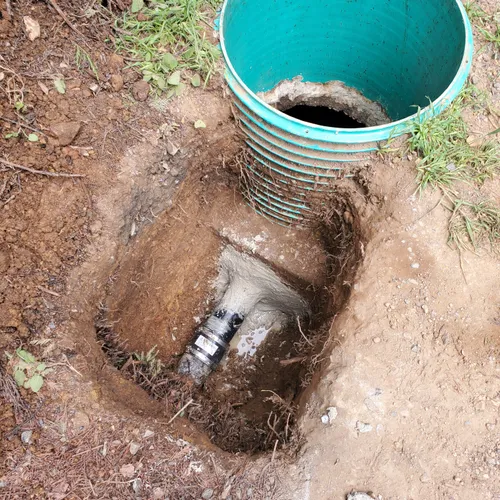
Bob's underground septic maintenance is a septic tank inspection company based in Santa Rosa, CA, serving Marin and Sonoma County. The business focuses on wastewater maintenance, including flushing leech lines, sand beds, and mound systems, as well as cleaning various types of filters such as pumps, spin filters, bio tube filters, and Zabel filters. They also provide overall system inspections to assess the condition of septic systems. The company emphasizes efficient service while adhering to safety guidelines.
American Eagle Plumbing & Construction
5441 Victoria Ln, El Sobrante, CA 94803
American Eagle Plumbing & Construction is a licensed, bonded, and insured plumbing and construction company based near Berkeley, CA. Serving the East Bay, Peninsula, North Bay, South Bay, and San Francisco, they provide a full range of plumbing, sewer, septic system inspection, pumping, and repair services for residential, commercial, and municipal clients. With over 26 years of experience since 2001, the company specializes in trenchless sewer repair and works closely with PG&E and local municipalities to ensure code compliance and efficient project approvals. Their licensed plumbers are available 24/7 for emergency plumbing services.
Understanding Septic System Evaluations in Sonoma County
In Petaluma and throughout Sonoma County, septic systems (also known as onsite wastewater treatment systems) are regulated by Permit Sonoma. This agency sets the standards for installation, repair, and mandatory inspections. A professional septic inspection goes far beyond a simple look at the tank; it is a comprehensive assessment that evaluates the entire system, from the inlet to the drainfield, to identify current problems and predict future failures. For homeowners, this is a key part of responsible property maintenance. For buyers and sellers, it's often a non-negotiable step in the real estate transaction process, providing a clear picture of a major home system's condition.
When Is a Septic Inspection Required or Recommended?
Knowing when to schedule a system evaluation can save you from costly emergencies and legal complications.
Mandatory Inspections:
- Point-of-Sale (Real Estate Transactions): A septic inspection is frequently required during the sale of a property in Petaluma. Lenders and buyers will want the assurance of a certified inspection report before closing escrow.
- System Repair or Alteration: If you are applying for a permit to repair or expand your system, Permit Sonoma will require an inspection by a licensed professional1.
- Non-Standard System Maintenance: Homes with advanced or alternative treatment systems often have stricter, mandatory inspection schedules as a condition of their operating permit.
Highly Recommended Inspections:
- Routine Maintenance: Even if not yet mandated, experts strongly recommend a professional inspection annually. This proactive approach catches minor issues before they become major, expensive repairs.
- Pre-Pumping Assessment: Having your tank inspected before it is pumped provides the most accurate reading of sludge and scum levels and overall tank condition.
- Suspected Problems: Slow drains, soggy ground or foul odors in the yard, and sewage backups are clear signs you need an immediate system diagnosis.
The Petaluma Septic Inspection Process: A Step-by-Step Guide
A thorough septic system assessment follows a detailed procedure. Here's what you can expect when a licensed inspector evaluates your Petaluma property.
1. Pre-Inspection Research & Locating the System
The inspector will start by reviewing any available "as-built" plans for your system on file with Permit Sonoma. If plans are unavailable, they will use specialized probes to locate the buried tank, inspection lids (manholes), and the drainfield. This step is crucial for planning the excavation.
2. Exposing Critical Components
The inspector or their crew will carefully excavate to uncover the tank's main access lids and often the distribution box (D-box) that channels effluent to the drainfield. Proper access is necessary for every subsequent step.
3. Comprehensive Tank Evaluation
With the tank open, the inspector performs a visual and physical assessment:
- Structural Integrity: Checking the tank (concrete, fiberglass, or plastic) for cracks, corrosion, and root intrusion.
- Baffle Inspection: Verifying that the inlet and outlet baffles (or tees) are intact and properly positioned. Damaged baffles allow solids to escape into the drainfield, causing premature failure2.
- Sludge and Scum Measurement: Using specialized tools, the inspector measures the depth of the sludge layer at the bottom and the scum layer at the top. These measurements determine if the tank needs immediate pumping and indicate the system's maintenance history3 4.
4. Drainfield and Hydraulic Load Testing
This is a core part of a certification inspection, especially for real estate. The inspector will introduce a substantial volume of water into the system (often running multiple fixtures simultaneously) to "load" the drainfield. They then monitor:
- Surface Breakout: Checking for any sewage effluent rising to the surface of the yard.
- Backup: Ensuring the tank does not back up into the house.
- Proper Absorption: Confirming the drainfield is accepting the water as designed.
A failed load test is a serious indicator of drainfield failure or hydraulic overload.
5. Reporting and Certification
Following the inspection, you will receive a detailed report. For a point-of-sale inspection, this often includes a formal certification of the system's condition. This report is a vital document for your records, for Permit Sonoma, and for fulfilling real estate contract requirements5 6.
Find the perfect septic tank inspection companies for your needs
Get personalized recommendations and expert advice
Maintenance Schedule: Protecting Your Petaluma Investment
Regular maintenance is the most cost-effective way to extend the life of your septic system. Adhering to the following schedule can prevent most common failures:
- Annual Inspection: Have a licensed professional inspect your system each year.
- Pumping: Pump the tank every 3 to 5 years, depending on household size and usage 7. Never wait until you have a problem.
- Filter Maintenance: If your system has an effluent filter (installed in the outlet baffle), it must be cleaned annually8 9.
- Keep Records: Maintain all inspection, pumping, and repair reports. This history is invaluable for troubleshooting and is essential during a property sale.
Understanding Inspection and Service Costs in Petaluma
Costs for septic services in Petaluma can vary based on tank size, accessibility, and the scope of work. Here is a general overview based on local data:
- Septic Tank Pumping: Typically ranges from $500 to over $1,000. The final price depends on tank capacity (e.g., 1,000-gallon vs. 1,500-gallon), how easily the pumper truck can access the tank, and the volume of solids that need removal.
- Standard Inspection: A basic visual inspection, often performed alongside a pumping, can cost between $300 and $80010.
- Full Certification Inspection (Point-of-Sale): This comprehensive evaluation, which includes excavation, a full tank assessment, and a hydraulic load test, is typically more involved. Costs often range from $800 to $1,500 or more, reflecting the time, labor, and liability involved in providing a certification for a real estate transaction11 12.
Always get detailed, written estimates from licensed providers that clearly state what services are included.
Choosing a Qualified Septic Inspector in Petaluma
Your septic system is a significant investment. Ensure your inspector is qualified:
- Licensed & Insured: Verify they hold a current Contractor's License (C-42 or related) and are insured.
- Local Knowledge: Choose a provider familiar with Permit Sonoma's specific regulations, soil conditions in Sonoma County, and common system types in the Petaluma area.
- Detailed Process: Ask about their inspection process. It should include locating all components, measuring sludge/scum, checking baffles, and evaluating the drainfield.
- Comprehensive Reporting: Ensure they provide a clear, written report with photos and recommendations, suitable for submission to Permit Sonoma or a real estate agent.
Frequently asked questions
Sources
Footnotes
-
Septic Systems - Permit Sonoma - https://permitsonoma.org/divisions/engineeringandconstruction/wellandsepticsystems/septicsystems ↩
-
Frequent Questions on Septic Systems | US EPA - https://www.epa.gov/septic/frequent-questions-septic-systems ↩
-
Septic Tank Testing & Inspection | What to Expect Guide | Blog - https://www.blueribbonseptic.com/blog/septic-tank-testing-and-inspection ↩
-
Septic System Inspections - InterNACHI - https://www.nachi.org/inspecting-septic-systems.htm ↩
-
Point of Sale Septic Inspections: What to Expect - https://westcoastsanitationinc.com/point-of-sale-septic-inspections-what-to-expect/ ↩
-
Septic Real Estate Inspections | Petaluma, California - https://www.superiorsepticpumpingserviceca.com/septic-real-estate-inspections ↩
-
The Californian's Guide To Septic Tanks - https://cacciaplumbing.com/blog/california-septic-tank-guide/ ↩
-
WLS-012 Guidelines for Maintaining a Non-Standard Septic System - https://www.permitsonoma.com/instructionsandforms/wls-012guidelinesformaintaininganonstandardsepticsystem ↩
-
Well and Septic Systems - Permit Sonoma - https://permitsonoma.org/divisions/engineeringandconstruction/wellandsepticsystems ↩
-
2026 Septic Inspection Costs | Tank, System, & Title 5 - https://homeguide.com/costs/septic-tank-inspection-cost ↩
-
The Significance of Septic Inspections for Sonoma County Real Estate - https://www.bcengineeringgroup.com/blog/beyond-the-tank-understanding-septic-inspections-for-buyers-and-sellers ↩
-
The Significance of Septic Inspections for Sonoma County Real Estate - https://www.bcengineeringgroup.com/blog/beyond-the-tank-understanding-septic-inspections-for-buyers-and-sellers ↩