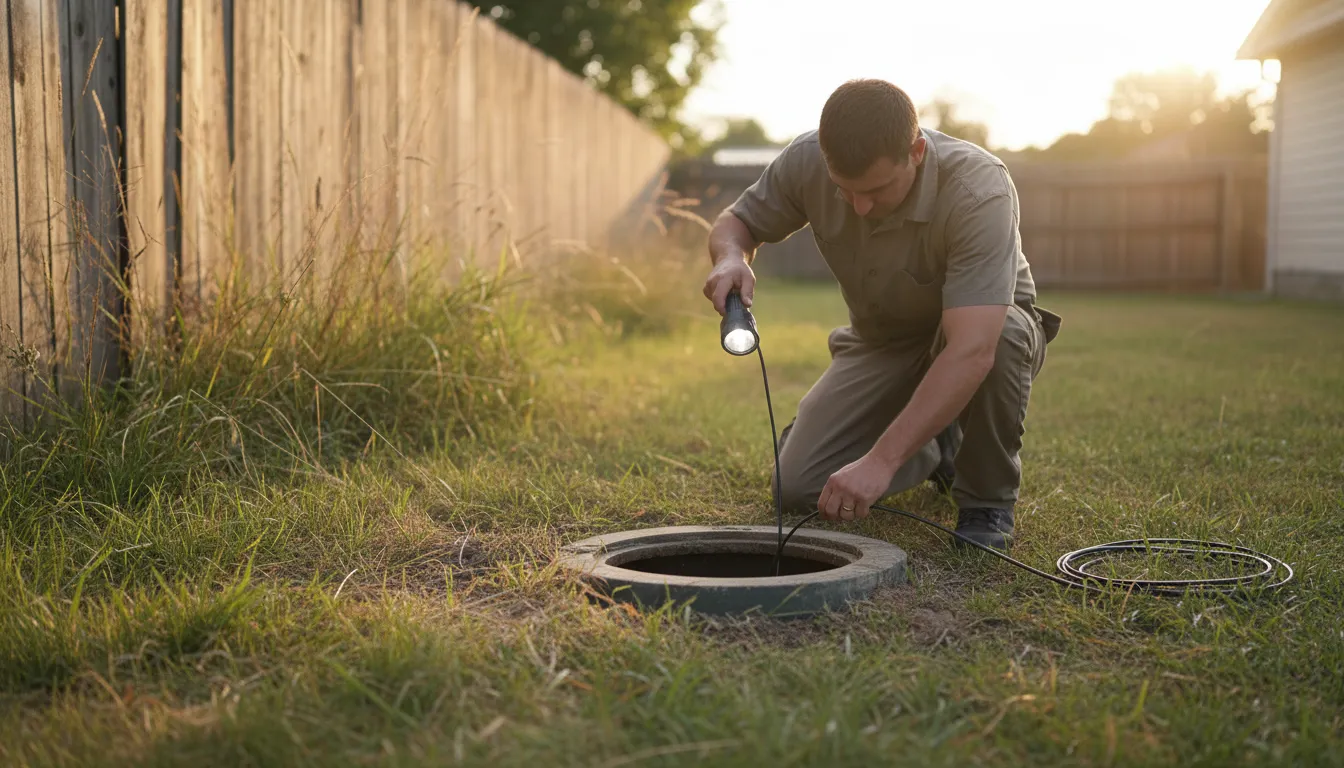
Find the Best Septic Tank Inspection Companies for Your Business
No obligation • Fast responses • Nationwide coverage

Why you can trust Septic Spot
Septic Spot is a leading United States resource for understanding and comparing septic services. Our editors review providers using consistent criteria and verify key business details. Listings and scores are independent, and companies cannot pay to influence our content.
Search providers near you
Top Septic Tank Inspection Companies in Pittsburg, California Ranked
A septic tank inspection is a critical evaluation of your onsite wastewater treatment system to ensure it is functioning safely and effectively. For Pittsburg homeowners, these assessments are not just about maintenance; they are often a legal requirement for property sales and are governed by Contra Costa County and California state regulations. This guide will help you understand what a septic system inspection entails, why it's important, and how to find qualified local professionals to perform this essential service.
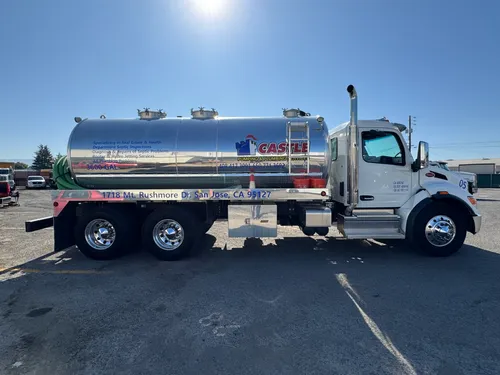
Castle Pumping and Plumbing Services
San Jose, CA
Castle Pumping and Plumbing Services is a locally owned company based in San Jose, CA, offering comprehensive septic system services including pumping, inspections, repairs, and installations. With over 32 years of experience, they serve residential and commercial properties in the San Jose area. Their expertise includes locating septic tanks, performing detailed inspections of tank components, and specialized outflow line exploration to diagnose backups without unnecessary replacements. The company uses advanced equipment and techniques to maintain and repair septic systems, ensuring long-lasting functionality.
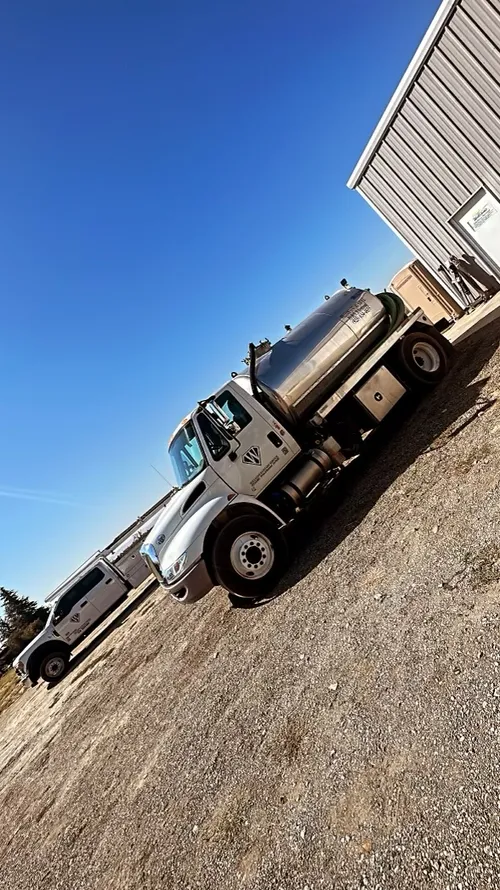
Williams Sanitary Service Inc
Oakland, CA
Williams Sanitary Service Inc is a family-owned septic system company serving Oakland, CA, and surrounding areas since 1950. They provide a full range of septic services including pumping, inspection, repair, and installation for both residential and commercial clients. The company also offers general plumbing services such as drain cleaning and water heater repair. Williams Sanitary Service Inc is equipped to handle all sizes of septic jobs across Contra Costa and Alameda Counties and offers 24/7 service availability.
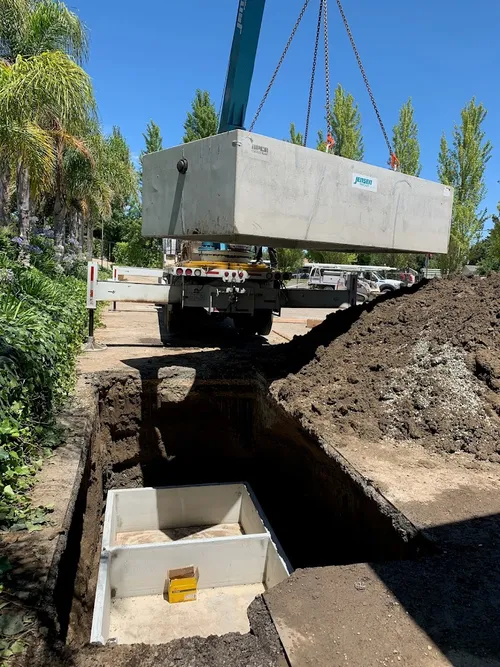
Central Valley Septic Backhoe & Drilling
3746 Fourteen Mile Dr, Stockton, CA 95219
Central Valley Septic Backhoe & Drilling is a septic system contractor serving Stockton, CA, and the surrounding Northern California region. Established in 1992, the company provides residential and commercial septic services including tank installation, pumping, inspection, system repair, and leach line repair. They also offer foundation drilling and backhoe services for various construction needs. Their expertise includes designing and installing septic systems that comply with San Joaquin and Sacramento county codes as well as California state regulations.
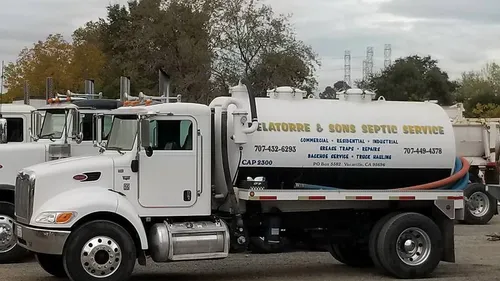
Delatorre Septic and Trucking LLC
7000 Leisure Town Rd, Vacaville, CA 95688
Delatorre Septic and Trucking LLC is a family-owned business providing septic system services in Fairfield, CA, and surrounding areas including Napa, Yolo, and Solano Counties. They offer septic tank pumping, inspection, repair, and installation for both residential and commercial customers. Established in 1992 initially as a trucking company, they have expanded to specialize in septic services and provide 24/7 emergency support. Their trucks can hold up to 2,600 gallons, enabling efficient waste removal for septic systems.
American Eagle Plumbing & Construction
5441 Victoria Ln, El Sobrante, CA 94803
American Eagle Plumbing & Construction is a licensed, bonded, and insured plumbing and construction company based near Berkeley, CA. Serving the East Bay, Peninsula, North Bay, South Bay, and San Francisco, they provide a full range of plumbing, sewer, septic system inspection, pumping, and repair services for residential, commercial, and municipal clients. With over 26 years of experience since 2001, the company specializes in trenchless sewer repair and works closely with PG&E and local municipalities to ensure code compliance and efficient project approvals. Their licensed plumbers are available 24/7 for emergency plumbing services.
Understanding Septic System Inspections and Local Regulations
In Pittsburg, septic system operations fall under the oversight of Contra Costa County Health Services, which enforces California's statewide policies for Onsite Wastewater Treatment Systems (OWTS) 1. A septic inspection, sometimes called an OWTS evaluation, is a mandated procedure, especially during a property transfer, to document the system's functionality. It's important to distinguish this from a simple pumping service; an inspection is a comprehensive diagnostic check-up performed by a licensed professional.
State and county rules require that any installation, major repair, or modification of a septic system be permitted. Furthermore, the actual inspection and any subsequent pumping must be completed by a qualified, state-licensed contractor. This ensures the work meets health and environmental standards designed to protect your property and the local watershed.
What Does a Professional Septic Inspection Involve?
A standard septic tank inspection is a detailed process that typically takes between one to three hours to complete 2 3. It involves a systematic review of all major system components. Here is a breakdown of what a certified inspector will do:
1. System Location and Access The inspector will first locate the septic tank and drainfield, which may require probing if the access lids (manholes) are buried. They will then carefully excavate and uncover these access ports. Many modern maintenance recommendations include installing permanent risers to the surface for much easier future access.
2. Tank Interior Evaluation This is the core of the inspection. The inspector will:
- Measure Sludge and Scum: Using specialized tools, they will measure the depth of the sludge layer at the bottom of the tank and the scum layer floating at the top. This determines if the tank needs to be pumped. A general rule is that pumping is required if the sludge occupies more than one-third of the tank's liquid volume.
- Inspect Structural Integrity: They will check the tank's walls, baffles, and outlet tees for cracks, corrosion, or damage. A leaking tank can contaminate groundwater and is a serious violation 4.
- Check Inlet and Outlet: The flow from the home's plumbing into the tank will be tested, and the outlet structure will be examined to ensure effluent is flowing correctly to the drainfield 5.
3. Drainfield Assessment The inspector will evaluate the drainfield (or leach field) for signs of failure. Key indicators include:
- Surfacing effluent or ponding water above the field.
- Unusually lush, green vegetation over the drainfield lines.
- Foul odors emanating from the area. A failing drainfield is a serious issue that often requires significant repair or complete system replacement 6 7.
Find the perfect septic tank inspection companies for your needs
Get personalized recommendations and expert advice
Inspection Frequency and Proactive Maintenance
How often should you get a septic system inspection? For routine maintenance, the U.S. Environmental Protection Agency and industry experts recommend having your system inspected at least every three years, with pumping typically needed every three to five years 8. However, in Pittsburg, the most common trigger for an inspection is a real estate transaction. A "point of sale" inspection is almost always required by the county to transfer the property title.
Beyond scheduled inspections, proactive maintenance is key to a long-lasting system. This includes conserving water, avoiding flushing harmful chemicals or non-biodegradable materials, and keeping vehicles and heavy structures off the drainfield area. Installing inspection risers is one of the most beneficial upgrades, saving time and money on every future service call 9.
Understanding Costs for Septic Services in Pittsburg
Costs for septic services can vary based on tank size, accessibility, and the scope of work required. According to local data, homeowners in Pittsburg can expect the following general price ranges 10 11:
- Standard Inspection: $50 - $150. This is the baseline cost for the comprehensive evaluation described above.
- Tank Pumping: $150 - $250. Pumping is often performed concurrently with an inspection if the sludge/scum levels are too high.
- System Repair or Replacement: $3,000 - $15,000+. If an inspection reveals a failing tank or drainfield, repair or full replacement costs can be substantial, heavily dependent on system size and site conditions.
It's crucial to view a routine inspection as a minor investment that can help you avoid these major, unexpected expenses by catching small problems early.
The Importance of Hiring a Qualified Professional
Given the regulatory and environmental stakes, hiring a licensed and experienced professional for your septic tank evaluation is non-negotiable. A qualified contractor will not only perform a thorough inspection but will also provide you with a detailed report that can be used for county compliance, especially during a property sale 12 13. They understand the specific soil conditions and regulations in Contra Costa County and can offer the most accurate advice for maintenance or necessary repairs.
Frequently asked questions
Sources
Footnotes
-
California Septic Tank Requirements | Onsite Wastewater Treatment Systems - https://www.ntotank.com/blog/california-septic-tank-requirements ↩
-
What Is a Septic Inspection? Everything Homeowners Need to Know - https://www.redfin.com/blog/what-you-need-to-know-about-septic-inspections/ ↩
-
Septic Tank Inspection Services - https://www.peninsulaseptic.com/septic-tank-inspection ↩
-
The Californian's Guide To Septic Tanks - https://cacciaplumbing.com/blog/california-septic-tank-guide/ ↩
-
What to Expect from a Septic Inspection - https://www.wrenvironmental.com/blog/2023/may/what-to-expect-from-a-septic-inspection/ ↩
-
Pumping and Inspecting Your System - Indian Health Service - https://www.ihs.gov/california/index.cfm/offices/oehe/dsfc/drinking-water-and-sanitation/maintaining-your-septic-system-guide/pumping-and-inspecting-your-system/ ↩
-
Septic System Inspections - InterNACHI® - https://www.nachi.org/inspecting-septic-systems.htm ↩
-
Frequent Questions on Septic Systems | US EPA - https://www.epa.gov/septic/frequent-questions-septic-systems ↩
-
Septic System DO's and DONT's - https://www.ihs.gov/california/index.cfm/offices/oehe/dsfc/water-san/maintaining-your-septic-system-guide/septic-system-do-s-and-dont-s/ ↩
-
Maintaining your Septic System A Guide for Homeowners - https://www.ihs.gov/california/tasks/sites/default/assets/File/SFC-MaintainingYourSepticSystemGuide.pdf ↩
-
Cost of Septic in Pittsburg, CA - https://pittsburgseptic.com/cost-of-septic-in-pittsburg-ca ↩
-
Point of Sale Septic Inspections: What to Expect - https://westcoastsanitationinc.com/point-of-sale-septic-inspections-what-to-expect/ ↩
-
Southern California Septic System Regulations: What You Need to ... - https://www.lanikseptic.com/socal-septic-regulations/ ↩