Find the Best Septic Tank Inspection Companies for Your Business
No obligation • Fast responses • Nationwide coverage

Why you can trust Septic Spot
Septic Spot is a leading United States resource for understanding and comparing septic services. Our editors review providers using consistent criteria and verify key business details. Listings and scores are independent, and companies cannot pay to influence our content.
Search providers near you
Top Septic Tank Inspection Companies in Pleasanton, California Ranked
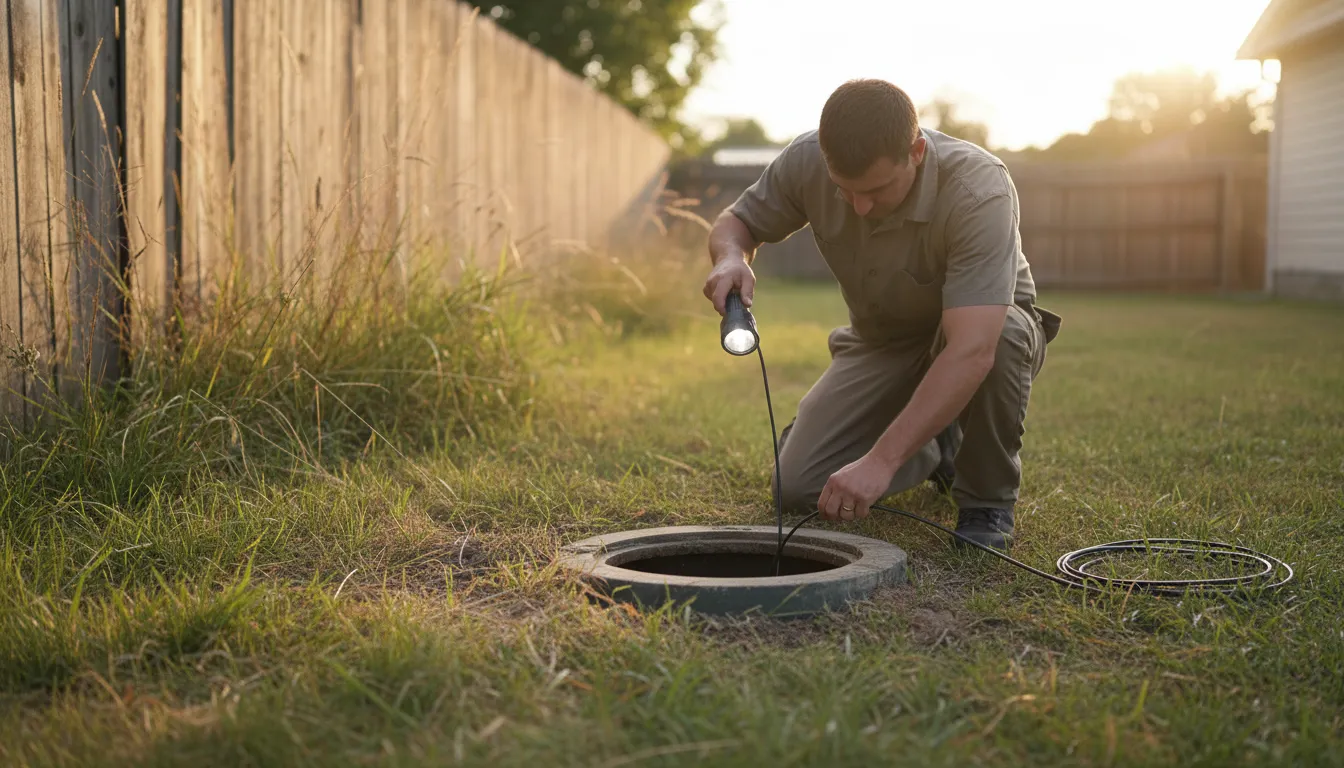
A professional septic tank inspection is a critical evaluation of your onsite wastewater treatment system's health and functionality. In Pleasanton, these assessments are essential for protecting your property value, ensuring public health, and complying with Alameda County and California environmental regulations. This guide will help you understand the inspection process, local requirements, and what to look for when evaluating local septic system professionals.
Trinity Liquid Waste Services
San Jose, CA
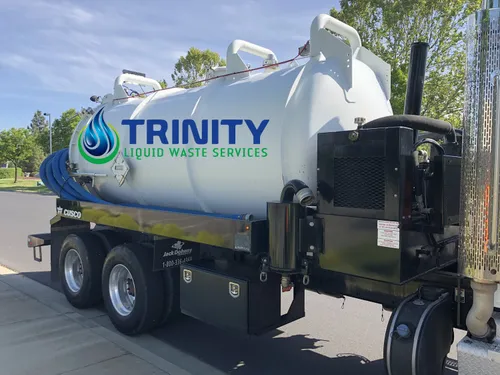
Trinity Liquid Waste Services provides septic tank pumping, inspection, repair, and maintenance services for residential and commercial clients in San Jose, CA. The family-owned company offers a wide range of septic system solutions including grease trap pumping, sewage ejector tank maintenance, and water jetting to keep systems functioning properly. They also handle storm drain cleaning and provide 24/7 same-day service for urgent septic issues. Their team is experienced in addressing common septic problems caused by household appliance overuse and sediment buildup, helping customers maintain optimal system performance.
PICHANGA PUMPING SERVICE LLC
901 N Rengstorff Ave, Mountain View, CA 94043
PICHANGA PUMPING SERVICE LLC is a family-owned business with over 10 years of experience, serving San Jose, CA. They provide septic tank pumping, inspection, repair, and installation services. The company uses specialized equipment for camera inspections and locating issues within pipes and sewer lines. They also offer restroom rentals. Pichanga Pumping Service provides after-hours and emergency services for added convenience.
Castle Pumping and Plumbing Services
San Jose, CA
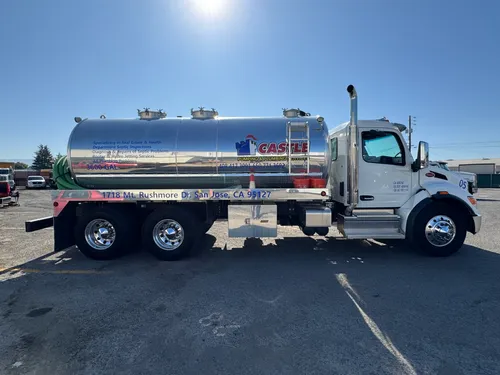
Castle Pumping and Plumbing Services is a locally owned company based in San Jose, CA, offering comprehensive septic system services including pumping, inspections, repairs, and installations. With over 32 years of experience, they serve residential and commercial properties in the San Jose area. Their expertise includes locating septic tanks, performing detailed inspections of tank components, and specialized outflow line exploration to diagnose backups without unnecessary replacements. The company uses advanced equipment and techniques to maintain and repair septic systems, ensuring long-lasting functionality.
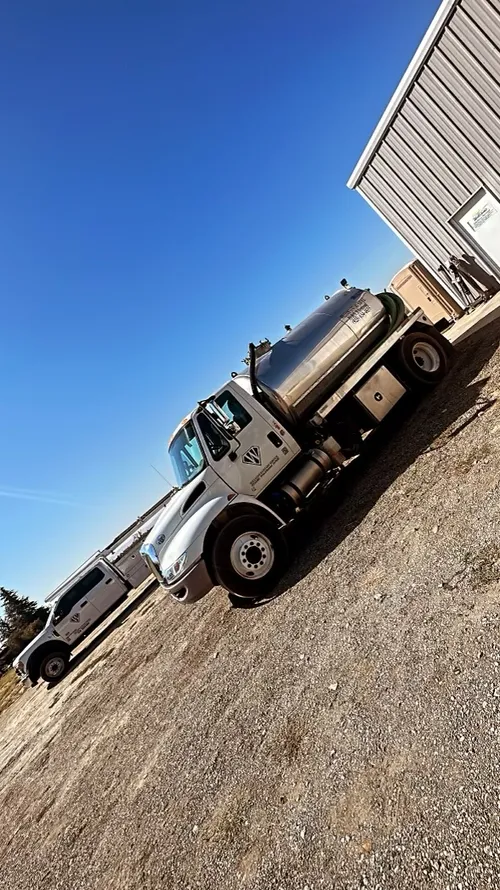
Williams Sanitary Service Inc
Oakland, CA
Williams Sanitary Service Inc is a family-owned septic system company serving Oakland, CA, and surrounding areas since 1950. They provide a full range of septic services including pumping, inspection, repair, and installation for both residential and commercial clients. The company also offers general plumbing services such as drain cleaning and water heater repair. Williams Sanitary Service Inc is equipped to handle all sizes of septic jobs across Contra Costa and Alameda Counties and offers 24/7 service availability.

American Eagle Plumbing & Construction
5441 Victoria Ln, El Sobrante, CA 94803
American Eagle Plumbing & Construction is a licensed, bonded, and insured plumbing and construction company based near Berkeley, CA. Serving the East Bay, Peninsula, North Bay, South Bay, and San Francisco, they provide a full range of plumbing, sewer, septic system inspection, pumping, and repair services for residential, commercial, and municipal clients. With over 26 years of experience since 2001, the company specializes in trenchless sewer repair and works closely with PG&E and local municipalities to ensure code compliance and efficient project approvals. Their licensed plumbers are available 24/7 for emergency plumbing services.
Why Septic System Inspections Are Crucial in Pleasanton
Your septic system is an out-of-sight but vital component of your home, treating all the wastewater from your household. A failing system is more than an inconvenience; it can lead to costly repairs, environmental contamination of local groundwater, and serious health hazards. Regular septic system evaluations are the most effective way to catch minor issues before they become major failures. For Pleasanton homeowners, these checks are often mandated by law during property sales, making a clean inspection report a key to a smooth real estate transaction1.
Beyond real estate, the Alameda County Department of Environmental Health oversees Onsite Wastewater Treatment Systems (OWTS) and recommends proactive maintenance. The rolling hills and specific soil conditions in the Pleasanton area mean that each system has unique demands. A thorough inspection provides the data needed to create a tailored maintenance schedule, potentially saving you thousands of dollars in emergency repairs or system replacement down the line.
Local Regulations and Inspection Requirements
Understanding local rules is the first step for any Pleasanton homeowner with a septic system. Regulations are designed to protect both individual property owners and the community's water quality.
- Routine Maintenance Frequency: While requirements can vary, a standard guideline is to have your septic tank inspected by a professional every 1 to 3 years. Pumping is typically needed every 3 to 5 years, but the inspection will determine the exact timing based on sludge and scum levels2 3.
- Point-of-Sale Inspections: California law frequently requires a full, professional inspection of the septic system when a property is being sold. This "point-of-sale" inspection is a common contingency in real estate contracts and must be completed to the satisfaction of the buyer and their lender.
- System Standards: All systems in Alameda County must be watertight and maintain specific setback distances from wells, buildings, property lines, and waterways4. An inspection will verify that your system continues to meet these crucial standards.
The California State Water Resources Control Board mandates that inspectors identify systems that are failing and pose a threat to public health or the environment, giving these evaluations significant legal and environmental weight5.
What a Comprehensive Septic Inspection Includes
A high-quality septic tank inspection in Pleasanton is a multi-step process that goes far beyond just looking into the tank. Homeowners should expect their chosen professional to perform the following key procedures6 7:
- Locating and Uncovering the System: The inspector will locate the septic tank, distribution box, and drainfield. They will then excavate and uncover the tank's manhole and inspection ports to allow for internal examination.
- Measuring Sludge and Scum: Using specialized tools, the inspector will measure the depth of sludge (solids at the bottom) and scum (floating fats and greases). This measurement determines if the tank needs immediate pumping and helps estimate your future pumping schedule8.
- Physical Tank Inspection: The interior of the tank is checked for structural integrity. The inspector looks for cracks, signs of corrosion, and ensures the inlet and outlet baffles (or tees) are intact and functioning properly to prevent solids from flowing into the drainfield.
- Flow Test: To verify the plumbing from the house is clear, the inspector will flush toilets and run water to confirm wastewater is flowing properly into the tank.
- Drainfield Evaluation: This is a critical component. The inspector will examine the drainfield area for telltale signs of failure, such as soggy or saturated soil, foul odors, or unusually lush grass growth, which can indicate surfacing effluent.
- Effluent Filter Service: If your system is equipped with an effluent filter (which prevents solids from leaving the tank), the inspector will clean it to ensure proper wastewater flow into the drainfield.
Find the perfect septic tank inspection companies for your needs
Get personalized recommendations and expert advice
Understanding Inspection and Pumping Costs
The cost for septic services in Pleasanton depends on several factors, including tank size, accessibility, and the specific services bundled together. Based on local data, here is a general overview of what homeowners can expect9 10:
- Inspection-Only Service: A standard visual and operational inspection typically ranges from $350 to $750 or more. The price can increase if the tank is deep, hard to locate, or requires extensive digging to access.
- Pumping-Only Service: The cost to pump out the contents of a standard residential septic tank generally falls between $150 and $250.
- Combined Inspection and Pumping: Many companies offer a bundled service, which is often the most practical and economical choice. A combined inspection and pumping service in Pleasanton is commonly quoted between $500 and $1,000, depending on the overall complexity of the system11.
It's wise to get detailed quotes from a few licensed local providers. The lowest price may not include a full drainfield assessment or filter cleaning, so ensure you are comparing equivalent service packages.
Choosing a Qualified Septic Inspector in Pleasanton
Selecting the right professional is paramount. Look for a contractor who is licensed, insured, and has strong local knowledge of Alameda County's regulations. They should be willing to explain each step of the process and provide a detailed written report with photos of their findings. A reputable inspector will not only identify problems but also offer clear recommendations for maintenance or repair. Ask about their experience with point-of-sale inspections if you are buying or selling a home, as these reports must meet specific standards for real estate transactions.
Maintaining Your System Between Inspections
Professional inspections are essential, but day-to-day care extends the life of your system. Be mindful of what goes down your drains. Avoid flushing anything besides human waste and toilet paper. Never pour cooking grease, chemicals, or medications down the drain, as they can kill the beneficial bacteria in your tank and contaminate groundwater. Conserve water to avoid hydraulically overloading the system, and keep heavy vehicles and structures off your drainfield area to prevent soil compaction and pipe damage. Following these simple practices, along with a regular inspection schedule, is the best plan for long-term septic system health.
Frequently asked questions
Sources
Footnotes
-
Point of Sale Septic Inspections: What to Expect - https://westcoastsanitationinc.com/point-of-sale-septic-inspections-what-to-expect/ ↩
-
Frequent Questions on Septic Systems | US EPA - https://www.epa.gov/septic/frequent-questions-septic-systems ↩
-
The Californian's Guide To Septic Tanks - https://cacciaplumbing.com/blog/california-septic-tank-guide/ ↩
-
Onsite Wastewater Treatment Systems Standards - https://www.sjgov.org/docs/default-source/environmental-health-documents/liquid-waste/onsite-wastewater-disposal-standards.pdf?sfvrsn=1ae0589b_3 ↩
-
Onsite Wastewater Information (Septic Systems) - https://www.waterboards.ca.gov/centralcoast/water_issues/programs/septics/ ↩
-
Pumping and Inspecting Your System - Indian Health Service (IHS) - https://www.ihs.gov/california/index.cfm/offices/oehe/dsfc/drinking-water-and-sanitation/maintaining-your-septic-system-guide/pumping-and-inspecting-your-system/ ↩
-
Septic System Inspections - InterNACHI® - https://www.nachi.org/inspecting-septic-systems.htm ↩
-
What Is a Septic Inspection? Everything Homeowners Need to Know - https://www.redfin.com/blog/what-you-need-to-know-about-septic-inspections/ ↩
-
Maintaining your Septic System A Guide for Homeowners - https://www.ihs.gov/california/tasks/sites/default/assets/File/SFC-MaintainingYourSepticSystemGuide.pdf ↩
-
Septic inspection cost varies, what's typical? - Facebook - https://www.facebook.com/groups/562934644102912/posts/2123059814757046/ ↩
-
Septic Care for Tubac Homes: Simple Maintenance Plan - https://thaliakyriakis.com/blog/septic-care-for-rural-tubac-homes-a-simple-plan ↩