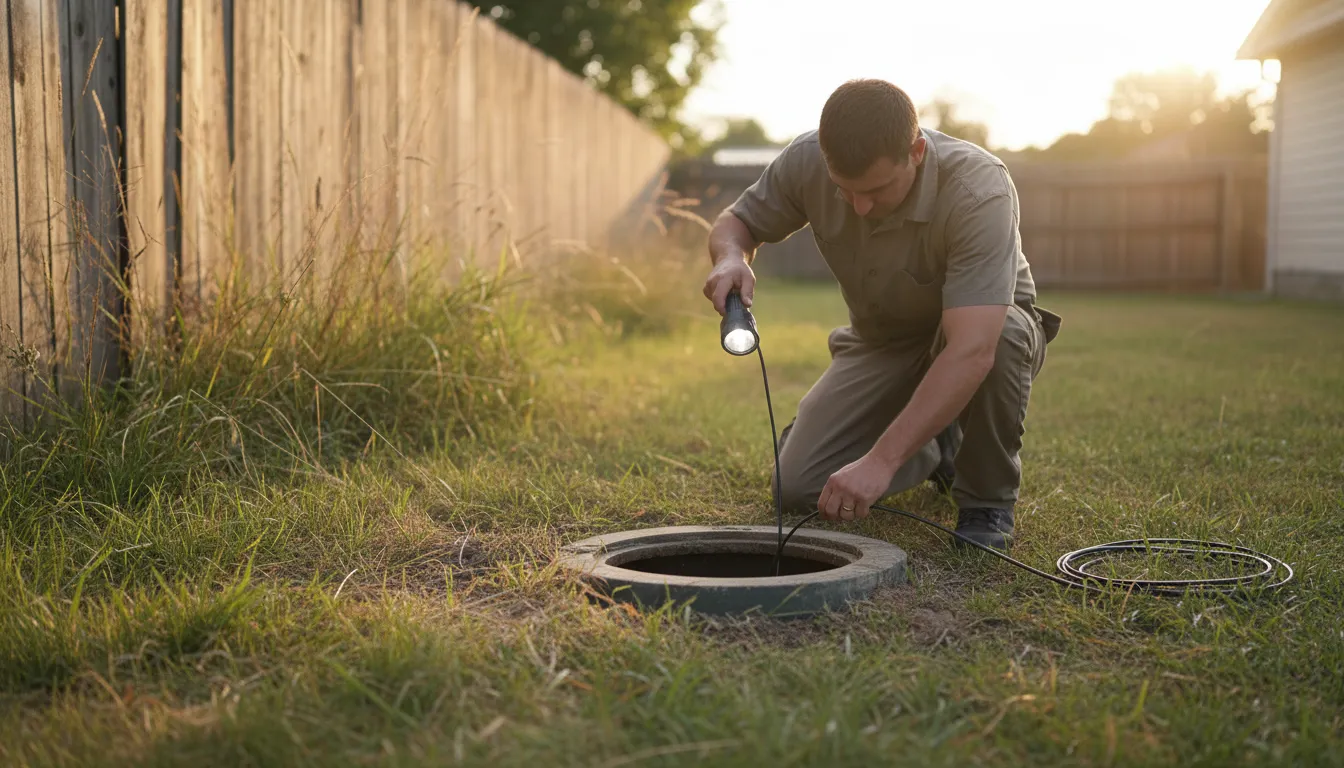
Find the Best Septic Tank Inspection Companies for Your Business
No obligation • Fast responses • Nationwide coverage

Why you can trust Septic Spot
Septic Spot is a leading United States resource for understanding and comparing septic services. Our editors review providers using consistent criteria and verify key business details. Listings and scores are independent, and companies cannot pay to influence our content.
Search providers near you
Top Septic Tank Inspection Companies in Pomona, California Ranked
A septic tank inspection is a critical evaluation of your onsite wastewater system to ensure it is functioning safely and efficiently. For homeowners in Pomona, these assessments are not just about routine maintenance; they are often a legal requirement, especially when buying or selling a property. Understanding the process, local regulations, and what to look for in a qualified professional helps protect your investment, your health, and the local environment. This guide provides the essential information you need to navigate septic system evaluations and connect with licensed local specialists.
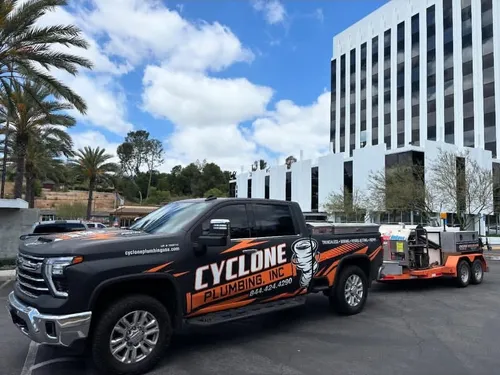
Cyclone Plumbing USA
1440 N Harbor Blvd suite 840, Fullerton, CA 92835
Cyclone Plumbing USA is a plumbing company based in Fullerton, CA, serving homes and businesses throughout Orange County. They offer a wide range of plumbing services, including septic tank inspection and septic system repair, as well as drain cleaning, hydro jetting, water heater installation, and leak detection. The company uses advanced equipment such as sewer cameras to diagnose issues and provides same-day repairs when needed. Cyclone Plumbing USA operates 24/7, offering emergency plumbing services at any time. The team at Cyclone Plumbing USA consists of licensed and insured professionals with years of hands-on experience. They emphasize transparency and fair pricing while delivering quality workmanship. Their commitment to customer satisfaction and comprehensive maintenance plans helps prevent costly repairs and ensures plumbing systems function efficiently.
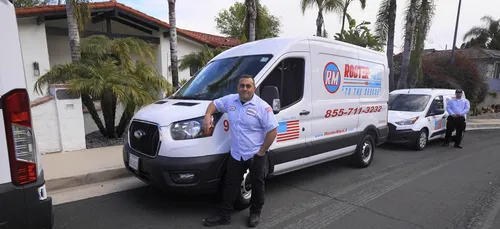
Rooter Man Plumbing of Orange
521 W Katella Ave, Orange, CA 92867
Rooter Man Plumbing of Orange provides septic tank pumping and inspection services in Santa Ana, CA. They offer a wide range of plumbing solutions including emergency repairs, drain cleaning, sewer line replacement, and hydro jetting. The company is equipped to handle both residential and commercial plumbing needs with capabilities such as leak detection and water heater maintenance. Emergency plumbing services are available 24/7 to address urgent issues at any time.
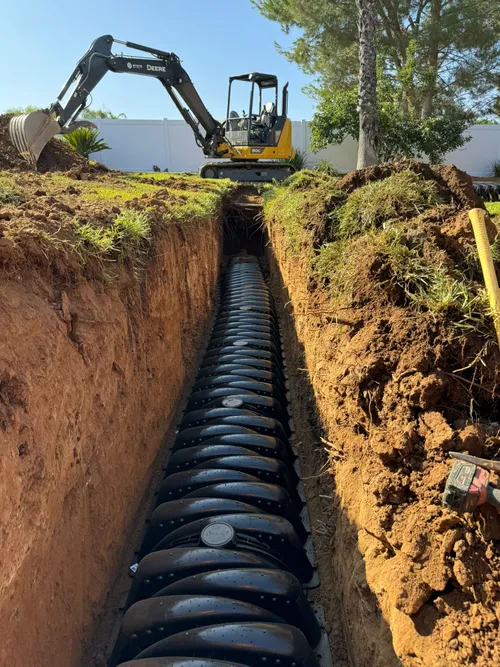
The Pink Septic Services
Riverside, CA
The Pink Septic Services is a septic tank inspection company based in Riverside, CA. They provide expertise in identifying and addressing common septic system issues, including odor problems both inside and outside the home. Their services include inspecting P traps, toilet seals, septic tank covers, and vent pipes to locate sources of septic gases. The company advises on practical solutions such as water replenishment in traps and installing charcoal filters to reduce odors. While specific years in business are not stated, The Pink Septic Services focuses on thorough septic system inspections to help maintain proper function and prevent potential failures.
Foureverfresh Septic & Sewer Solutions
Los Angeles, CA
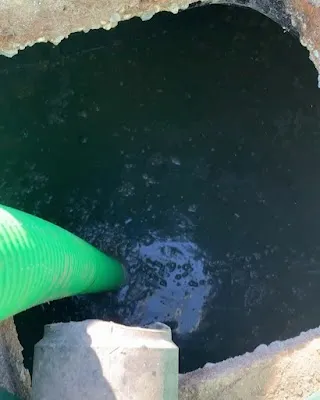
Foureverfresh Septic & Sewer Solutions provides a range of septic system services in Los Angeles, CA. Their offerings include septic tank pumping, inspections, repairs, installations, and sewer line repairs. They use advanced diagnostic tools like video inspections and leak detection to address issues such as tree root intrusion and blockages efficiently. With over 20 years of experience, the company emphasizes eco-friendly practices and customer satisfaction in their work.
Honey Doo Wagon Septic Pumping
Irvine, CA
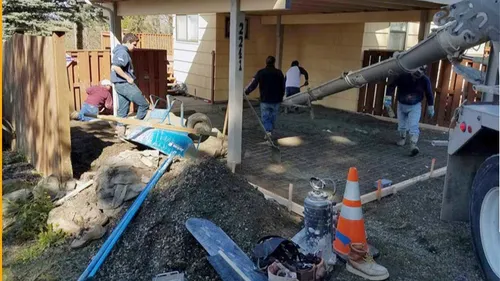
Honey Doo Wagon Septic Pumping is a full-service septic company serving Irvine, CA. They offer septic tank pumping, inspections, repairs, installations, replacements, and maintenance. With over 18 years of experience, the company provides a wide range of septic services backed by a commitment to professionalism and integrity.
Why Septic System Inspections Are Essential in Pomona
A functioning septic system is an unseen but vital component of your home, treating all the wastewater from your household. In Pomona and across Los Angeles County, these systems are regulated to prevent groundwater contamination and public health risks. Regular system evaluations are the best way to catch small issues-like a failing baffle or early signs of drainfield saturation-before they become expensive, disruptive failures. Furthermore, Los Angeles County mandates a specific certification inspection by a licensed contractor during any property transfer, known as a C-42 Certification. This point-of-sale inspection provides an official report on the system's condition, which is a standard part of the escrow process.
Beyond real estate transactions, the U.S. Environmental Protection Agency recommends an assessment every one to three years. Given Pomona's local geology and climate, staying on top of this schedule can prevent system overload and identify necessary maintenance like pumping, which should typically occur every three to five years.
Understanding Local Regulations and the C-42 Certification
Septic system oversight in Pomona involves multiple agencies, primarily the Los Angeles County Department of Public Health (LACDPH) and regional California Water Boards 1. Their rules are designed to ensure systems are safe and properly sited.
- Mandatory Certification for Property Sale: The most well-known regulation is the requirement for a C-42 Certification during the transfer of a home with a septic system 2. Only a contractor holding a C-42 license can perform this official inspection and issue the required documentation to certify the system is operational.
- System Location and Setbacks: Regulations stipulate that all system components must be within your property lines. There must be at least three feet of suitable soil beneath the leach lines for proper wastewater filtration, and the system must maintain specific distances from wells, property lines, and buildings 3.
- Connection Requirements for Failing Systems: A crucial rule for Pomona homeowners: if a septic system fails and a public sewer line is available within 200 feet of the property, the county may require you to connect to the municipal sewer rather than repair the existing system 4. This can be a significant factor in repair-or-replace decisions.
What a Professional Septic Inspection Involves
A comprehensive septic tank and system evaluation is a multi-step process performed by a trained technician. Here's what you can expect during a typical service visit, especially one geared toward C-42 certification:
- Locating and Accessing the Tank: The inspector will first locate the tank and its access lids, often using electronic locating equipment. If "risers" (access pipes extending to the surface) are not installed, they may need to dig to uncover the lids. Installing risers is highly recommended for easier future access.
- Pumping the Tank: For a thorough inspection, the tank must be pumped to remove sludge and scum layers. This allows the inspector to see the tank's interior walls, inlet and outlet pipes, and baffles clearly.
- Visual Tank Inspection: Once empty, the contractor inspects the tank's interior for structural integrity, checking for cracks, leaks, and corrosion. They also examine the inlet and outlet baffles (or tees) to ensure they are intact and functioning to prevent solids from flowing into the drainfield.
- Drainfield Assessment: The inspector will evaluate the leach field or seepage pits. This involves checking for signs of surfacing effluent, soggy ground, or unusually lush vegetation. A hydraulic load test, where water is run into the system to observe its absorption rate, may be performed to assess the drainfield's functionality5 6.
- Effluent Filter Service: If your system has an effluent filter (which prevents solids from leaving the tank), it will be cleaned or replaced.
- Reporting: Finally, the inspector provides a detailed report of their findings, including the system's condition, any issues discovered, and recommendations for repairs or maintenance. For a C-42 inspection, this report is the formal certification document7.
Find the perfect septic tank inspection companies for your needs
Get personalized recommendations and expert advice
Cost of Septic Inspections and Related Services in Pomona
Costs for septic services in Pomona vary based on the tank's size, accessibility, and the type of inspection needed. Here is a general breakdown based on local service data8 9 10:
- Basic Visual Inspection: A simple check without pumping may range from $50 to $150.
- Standard Pumping Service: Pumping a residential septic tank typically costs between $150 and $250.
- Full C-42 Certification Inspection: This comprehensive package, which includes pumping, a full system evaluation, and the official certification report, is more involved. Prices generally range from $300 to over $800, with higher costs for hard-to-locate tanks or those requiring extensive digging to access.
- System Repair or Replacement: Costs for significant repairs or a complete new system installation are substantially higher, often ranging from $3,000 to $10,000 or more, depending on the soil conditions and system type.
Maintaining Your System Between Inspections
Professional evaluations are crucial, but day-to-day homeowner habits greatly impact your septic system's longevity. Follow these key maintenance tips11 12:
- Conserve Water: Spread out laundry loads and fix leaky faucets to avoid overwhelming the system.
- Mind What You Flush: Only human waste and toilet paper should go down the drain. Never flush wipes (even "flushable" ones), feminine hygiene products, dental floss, cooking grease, or chemicals.
- Protect the Drainfield: Never park vehicles or build structures over the leach field. Direct rainwater drainage away from this area.
- Keep Records: Maintain a file of all inspection reports, pumping receipts, and repair records. This is invaluable for troubleshooting and is essential during a home sale.
Choosing a qualified professional for your septic system evaluation is the most important step. Always verify that the provider is licensed (specifically with a C-42 license for certification work), insured, and familiar with Pomona and Los Angeles County regulations. A reputable inspector will be transparent about their process, pricing, and findings, giving you confidence in the health of your home's wastewater system.
Frequently asked questions
Sources
Footnotes
-
Onsite Wastewater Information (Septic Systems) - https://www.waterboards.ca.gov/centralcoast/water_issues/programs/septics/ ↩
-
Septic Certifications | So Cal Septics - https://socalseptics.com/septic-certifications/ ↩
-
homeowners-guide-eh-review-septic-system. ... - http://www.publichealth.lacounty.gov/eh/docs/business/homeowners-guide-eh-review-septic-system.pdf ↩
-
Septic System Regulations in Southern California: What You ... - https://www.lanikseptic.com/socal-septic-regulations/ ↩
-
Pumping and Inspecting Your System - Indian Health Service - https://www.ihs.gov/california/index.cfm/offices/oehe/dsfc/drinking-water-and-sanitation/maintaining-your-septic-system-guide/pumping-and-inspecting-your-system/ ↩
-
Trusted Septic Service for Residential Properties - https://pomonaseptic.com/septic-service-residential-maintenance ↩
-
Point of Sale Septic Inspections: What to Expect - https://westcoastsanitationinc.com/point-of-sale-septic-inspections-what-to-expect/ ↩
-
Pomona Residential C-42 Certification - West Coast Sanitation - https://westcoastsanitationinc.com/pomona-residential-c-42-certification/ ↩
-
Maintaining your Septic System A Guide for Homeowners - https://www.ihs.gov/california/tasks/sites/default/assets/File/SFC-MaintainingYourSepticSystemGuide.pdf ↩
-
Septic Tank Certification: What California Homeowners Need ... - https://www.kgriverside.com/trending/septic-tank-certification-what-california-homeowners-need-to-know ↩
-
Frequent Questions on Septic Systems | US EPA - https://www.epa.gov/septic/frequent-questions-septic-systems ↩
-
Septic System DO's and DONT's - https://www.ihs.gov/california/index.cfm/offices/oehe/dsfc/water-san/maintaining-your-septic-system-guide/septic-system-do-s-and-dont-s/ ↩