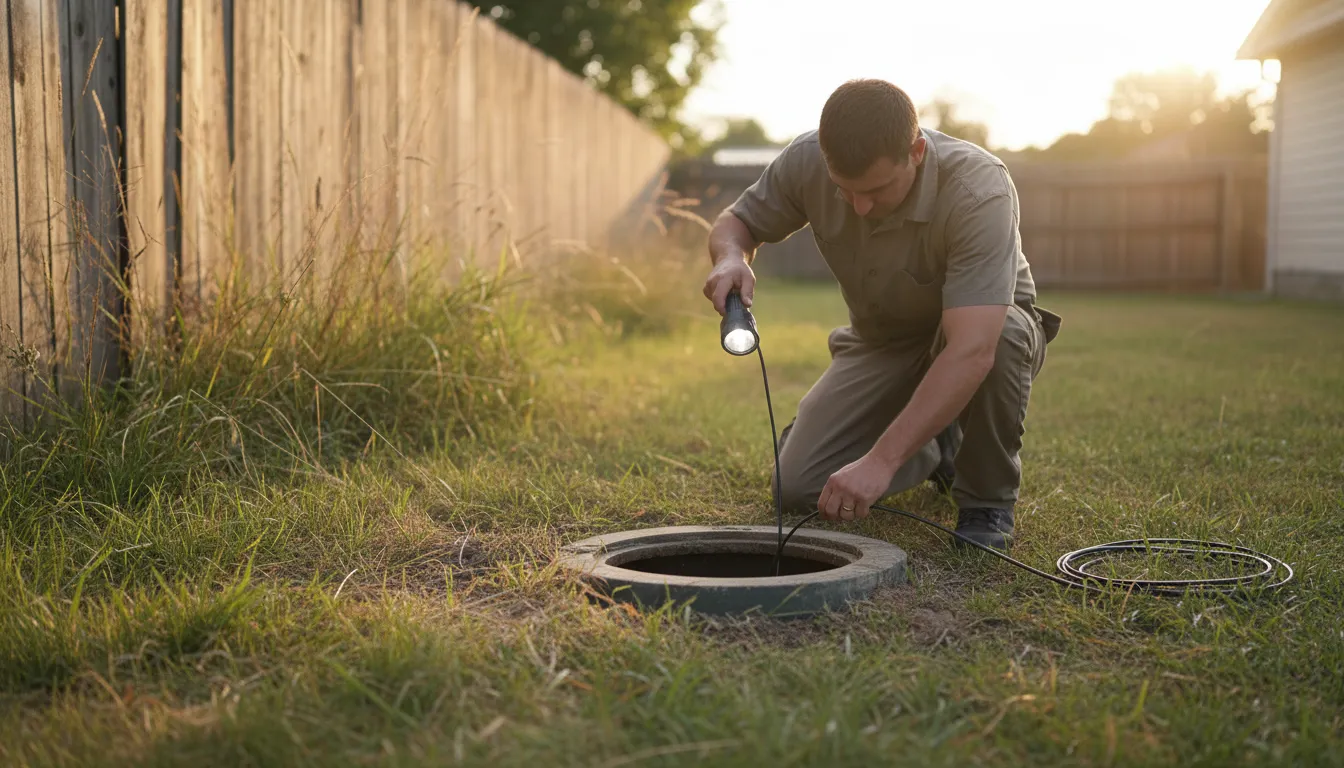
Find the Best Septic Tank Inspection Companies for Your Business
No obligation • Fast responses • Nationwide coverage

Why you can trust Septic Spot
Septic Spot is a leading United States resource for understanding and comparing septic services. Our editors review providers using consistent criteria and verify key business details. Listings and scores are independent, and companies cannot pay to influence our content.
Search providers near you
Top Septic Tank Inspection Companies in Porterville, California Ranked
A professional septic tank inspection is a critical evaluation of your home's onsite wastewater treatment system. It matters because a well-maintained system protects your property value, your family's health, and the local environment in Tulare County. This guide will help you understand the inspection process, local requirements, and how to connect with qualified local professionals who can assess your system's condition and ensure compliance.
PRS Plumber Tulare
Visalia, CA
PRS Plumber Tulare provides septic tank pumping, inspection, installation, and repair services in Visalia, CA. They serve residential, commercial, and industrial clients throughout the Central Valley. The company offers specialized capabilities such as trenchless sewer line installation and sewer video inspection to efficiently diagnose and repair plumbing and septic issues. With over 40 years of experience, PRS Plumber Tulare is a family-owned business known for its licensed, bonded, and insured crews. They also provide 24/7 emergency plumbing services to address urgent needs at any time.
Pro Rooter & Septic - Visalia Plumbing
12148 Ave 272, Visalia, CA 93277
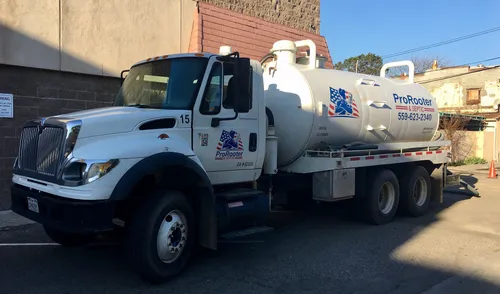
Pro Rooter & Septic - Visalia Plumbing provides septic tank pumping, inspection, repair, and installation services in Visalia, CA. They also handle drain field repair and sewer line services, including trenchless sewer line installation and sewer video inspection. With over 40 years of experience serving the Central Valley, the company is family owned and operated, offering 24/7 availability for plumbing and septic emergencies.
Why Regular Septic System Evaluations Are Essential in Porterville
Your septic system is a significant, out-of-sight investment. In Porterville and throughout Tulare County, systems must comply with the California Onsite Wastewater Treatment Systems (OWTS) Policy1 2. Regular assessments are not just a good idea-they are a key part of responsible homeownership. A failing system can lead to sewage backups into your home, contamination of groundwater, and costly repairs or complete replacement. Proactive inspections help catch minor issues before they become major disasters, saving you thousands of dollars and preserving the integrity of your property.
For homeowners, the primary reasons to schedule a septic system check include:
- Preventative Maintenance: Identifying high sludge or scum levels before they clog the drainfield.
- Regulatory Compliance: Meeting Tulare County Environmental Health Services guidelines, which recommend inspections every 1-3 years.
- Property Transactions: Providing a clear compliance statement is strongly recommended and often required when selling a home.
- System Longevity: Ensuring components like baffles and effluent filters are functioning to extend the life of your entire system.
What a Professional Septic Inspection Involves
A thorough septic tank evaluation is a multi-step process conducted by a trained specialist. It goes far beyond just checking if the toilet flushes. Understanding what happens during an inspection can help you know what to expect and ensure you receive a comprehensive service.
1. Locating and Uncovering the System The inspector will first locate your septic tank and distribution box using probe rods or electronic locating equipment. If the tank's access ports (manhole covers) are buried, they will need to dig to uncover them. This is a standard part of the process and is necessary for a proper internal assessment.
2. Internal Tank Assessment This is the core of the inspection. The inspector will:
- Measure Sludge and Scum: Using a specialized tool, they will measure the depth of sludge at the bottom of the tank and the scum layer floating on top. These measurements determine if the tank needs immediate pumping.
- Inspect Baffles and Tees: The inlet and outlet baffles (or tees) are critical for preventing solids from flowing into the drainfield. The inspector checks that they are intact and properly secured 3.
- Check the Effluent Filter: If your system has one, the filter will be removed, cleaned, and inspected for damage. A clogged or damaged filter can cause backups.
- Assess Tank Structure: While the tank is pumped (if pumping is part of the service), the inspector can examine the tank's interior for cracks, corrosion, or structural issues.
3. Drainfield and System Function Evaluation The inspection doesn't end at the tank. The specialist will also evaluate the absorption area, often called the leach field or drainfield.
- They will look for signs of failure, such as soggy, spongy soil, standing water, or unusually lush grass over the field area.
- They may check the distribution box to ensure wastewater is flowing evenly to all parts of the drainfield.
A complete inspection will result in a detailed report, often including a compliance statement for county records or real estate transactions4.
Find the perfect septic tank inspection companies for your needs
Get personalized recommendations and expert advice
Understanding Costs for Septic Inspections in Porterville
The cost of a septic system inspection in Porterville varies based on the scope of service and your system's specific characteristics. It's helpful to get detailed estimates from local providers. Here's a general breakdown based on common service structures5 6:
- Inspection Only: If you simply need an evaluation of your system's condition, typical costs range from $150 to $450+. The higher end of this range often applies if significant digging is required to locate and uncover the tank access lids.
- Combined Inspection and Pumping: Many homeowners opt to combine the inspection with the recommended pumping service. A bundled service typically ranges from $300 to $600+. Pumping is necessary to fully inspect the tank's interior and is required when sludge and scum levels are too high.
Key factors that influence the final price include:
- Tank Size and Type: Inspecting a standard 1,000-gallon tank may cost less than a larger 1,500-gallon or a two-compartment tank.
- Accessibility: Easy-to-find tanks with visible lids are less labor-intensive than deeply buried or obstructed tanks.
- System Complexity: Properties with pumps, advanced treatment components, or difficult terrain may incur higher inspection fees.
- Additional Services: Costs for repairs, effluent filter replacement, or a detailed compliance report for real estate will be added to the base inspection fee.
Disclaimer: All costs are estimates and can vary based on the service provider and specific site conditions.
Local Regulations: Tulare County and California OWTS Policy
Operating a septic system in Porterville means adhering to rules set by Tulare County Environmental Health Services under the umbrella of the state's OWTS Policy. Key regulations every homeowner should know:
- Inspection Frequency: While not always mandated annually for every system, the county and the EPA recommend a professional assessment every 1 to 3 years. The frequency can depend on household size, total wastewater generated, and tank volume.
- Pumping Schedule: To maintain system health, pumping is generally needed every 3 to 5 years. An inspection will determine the exact need based on sludge accumulation 7.
- Property Transfer Inspections: When buying or selling a home with a septic system, a professional inspection is strongly recommended. The resulting compliance statement is a crucial document for the transaction and may be required by lenders or county officials8 9. The cost is typically negotiated between the buyer and seller10.
- Permits for Work: Any repair, modification, or new installation of a septic system requires a permit from Tulare County Environmental Health. Always ensure your service provider is familiar with local permit processes 11.
Maintaining Your System Between Inspections
A professional inspection every few years is vital, but day-to-day care extends the time between major services and prevents emergencies. Good maintenance habits include:
- Conserve Water: Spread out laundry loads and fix leaky faucets to avoid overloading the system.
- Mind What You Flush: Only human waste and toilet paper should go down the drain. Avoid flushing wipes (even "flushable" ones), feminine hygiene products, dental floss, cooking grease, and chemicals.
- Protect the Drainfield: Never park vehicles or build structures over the leach field. Divect rainwater drainage away from the area.
- Keep Records: Maintain a file of all inspection reports, pumping receipts, repair invoices, and your system's "as-built" diagram. This is invaluable for troubleshooting and during property sales.
Frequently asked questions
Sources
Footnotes
-
Frequent Questions on Septic Systems | US EPA - https://www.epa.gov/septic/frequent-questions-septic-systems ↩
-
California Septic Tank Requirements | Onsite Wastewater Treatment Systems - https://www.ntotank.com/blog/california-septic-tank-requirements ↩
-
Chapter 6.4 SEWAGE STANDARDS - https://www.codepublishing.com/CA/SolanoCounty/html/SolanoCounty0604.html ↩
-
SEPTIC SYSTEM INSPECTION and COMPLIANCE STATEMENT - https://berkeleylake.com/Assets/Files/Docs/Administration/Forms%20and%20Checklists/Septic%20Permit/Septic%20Tank%20Inspection%20Form.pdf ↩
-
Septic Pumping Porterville, CA, Inspection, Repair, Installation ... - https://www.septicservicesofla.com/septic-tank-services-porterville-ca/ ↩
-
Maintaining your Septic System A Guide for Homeowners - https://www.ihs.gov/california/tasks/sites/default/assets/File/SFC-MaintainingYourSepticSystemGuide.pdf ↩
-
Pumping and Inspecting Your System - Indian Health Service - https://www.ihs.gov/california/index.cfm/offices/oehe/dsfc/drinking-water-and-sanitation/maintaining-your-septic-system-guide/pumping-and-inspecting-your-system/ ↩
-
What to Expect During a Septic Tank Inspection - https://www.redfin.com/blog/what-you-need-to-know-about-septic-inspections/ ↩
-
Property Transfer Inspection Information Beginning in January 2008, all properties served by a household sewage treatment system - https://cms7files1.revize.com/starkcountyoh/Document_center/Sewage/Property%20Transfer%20Inspections/Buyer-and-Seller-Information.pdf ↩
-
Who Pays For Septic Inspection When Selling a House? - https://ibuyer.com/blog/who-pays-for-septic-inspection-when-selling-a-house/ ↩
-
The Californian's Guide To Septic Tanks - https://cacciaplumbing.com/blog/california-septic-tank-guide/ ↩