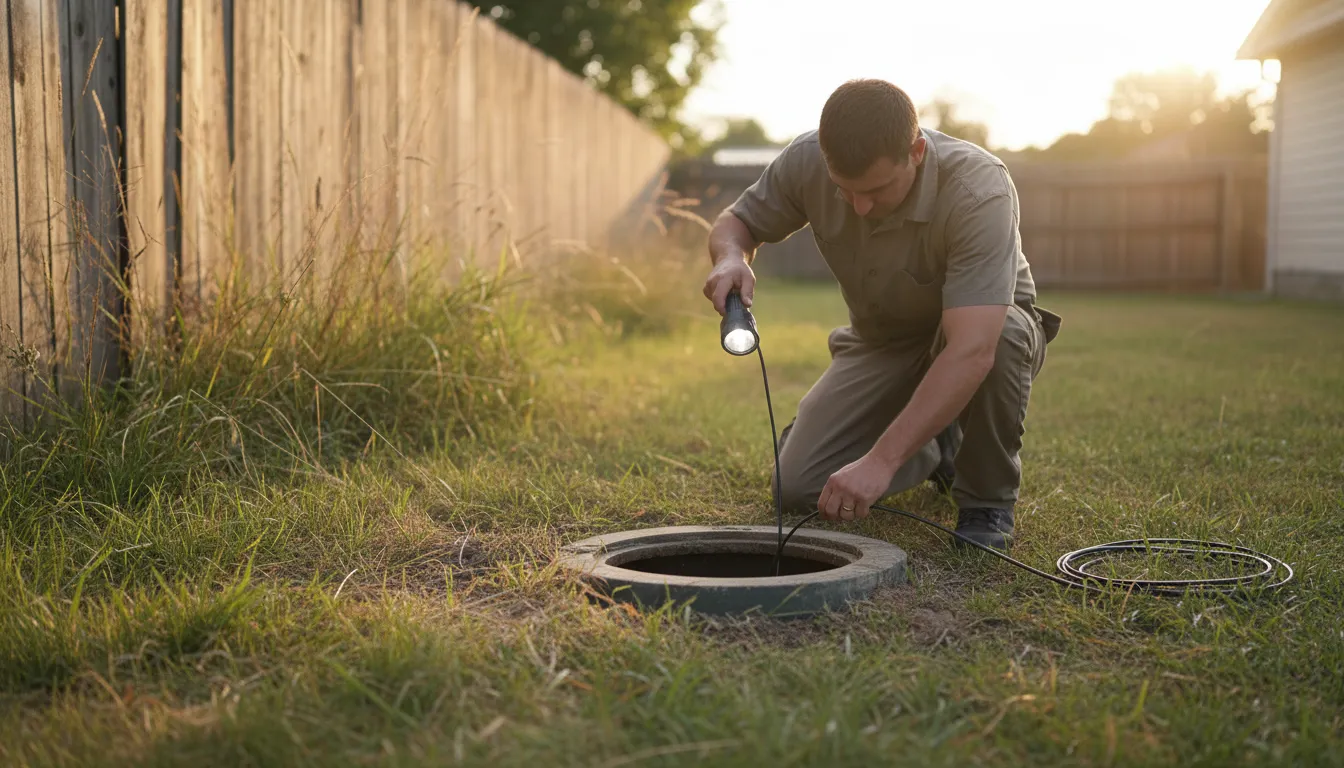
Find the Best Septic Tank Inspection Companies for Your Business
No obligation • Fast responses • Nationwide coverage

Why you can trust Septic Spot
Septic Spot is a leading United States resource for understanding and comparing septic services. Our editors review providers using consistent criteria and verify key business details. Listings and scores are independent, and companies cannot pay to influence our content.
Search providers near you
Top Septic Tank Inspection Companies in Rancho Cucamonga, California Ranked
A septic tank inspection is a critical evaluation of your onsite wastewater treatment system to ensure it is functioning safely and in compliance with local regulations. For homeowners in Rancho Cucamonga, these assessments are vital for protecting your property value, preventing costly environmental damage, and maintaining public health. This guide will help you understand the inspection process, local requirements, and how to find qualified professionals to evaluate your system.
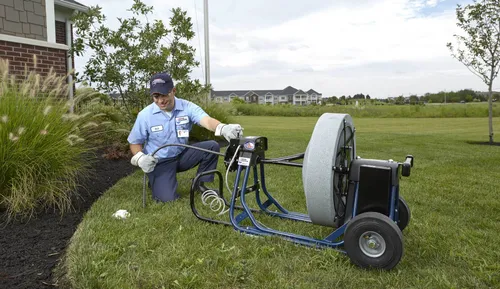
Roto-Rooter Plumbers and Septic Service
17208 Main St Unit A, Hesperia, CA 92345
Roto-Rooter Plumbers and Septic Service offers a wide range of plumbing and septic services in Los Angeles, CA. Their expertise includes septic tank pumping, inspection, and repair, along with plumbing repairs and installations tailored to local conditions such as hard water and temperature fluctuations. With over 90 years of experience, they provide advanced services like hydro jetting for drain cleaning and water leak detection using modern technology. The company also offers 24/7 emergency services to address urgent plumbing needs.
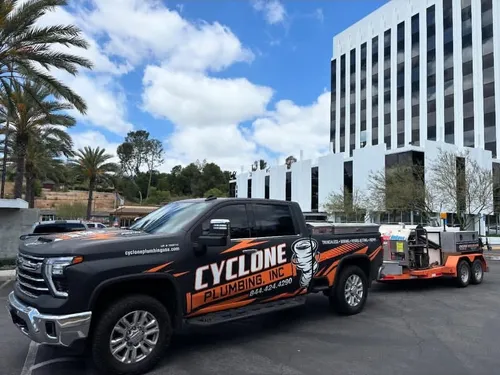
Cyclone Plumbing USA
1440 N Harbor Blvd suite 840, Fullerton, CA 92835
Cyclone Plumbing USA is a plumbing company based in Fullerton, CA, serving homes and businesses throughout Orange County. They offer a wide range of plumbing services, including septic tank inspection and septic system repair, as well as drain cleaning, hydro jetting, water heater installation, and leak detection. The company uses advanced equipment such as sewer cameras to diagnose issues and provides same-day repairs when needed. Cyclone Plumbing USA operates 24/7, offering emergency plumbing services at any time. The team at Cyclone Plumbing USA consists of licensed and insured professionals with years of hands-on experience. They emphasize transparency and fair pricing while delivering quality workmanship. Their commitment to customer satisfaction and comprehensive maintenance plans helps prevent costly repairs and ensures plumbing systems function efficiently.
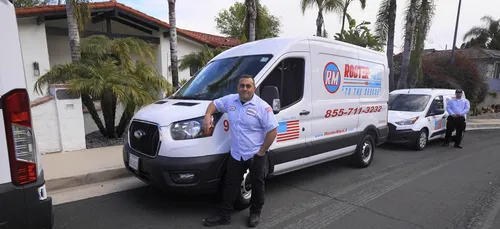
Rooter Man Plumbing of Orange
521 W Katella Ave, Orange, CA 92867
Rooter Man Plumbing of Orange provides septic tank pumping and inspection services in Santa Ana, CA. They offer a wide range of plumbing solutions including emergency repairs, drain cleaning, sewer line replacement, and hydro jetting. The company is equipped to handle both residential and commercial plumbing needs with capabilities such as leak detection and water heater maintenance. Emergency plumbing services are available 24/7 to address urgent issues at any time.
The Pink Septic Services
Riverside, CA
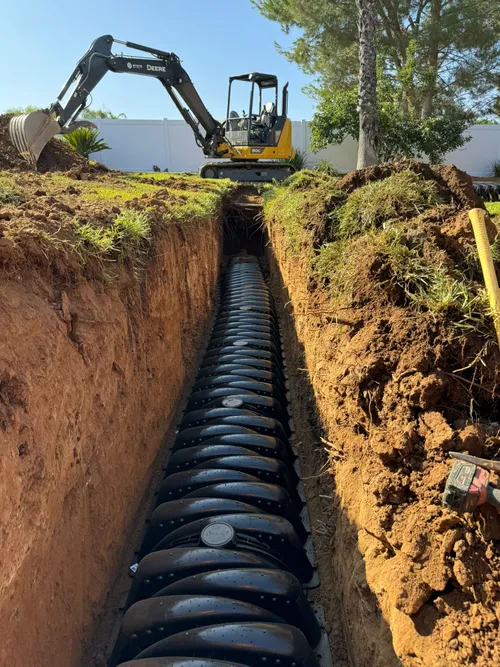
The Pink Septic Services is a septic tank inspection company based in Riverside, CA. They provide expertise in identifying and addressing common septic system issues, including odor problems both inside and outside the home. Their services include inspecting P traps, toilet seals, septic tank covers, and vent pipes to locate sources of septic gases. The company advises on practical solutions such as water replenishment in traps and installing charcoal filters to reduce odors. While specific years in business are not stated, The Pink Septic Services focuses on thorough septic system inspections to help maintain proper function and prevent potential failures.
Sierra Septic Cleaning LLC
Irvine, CA
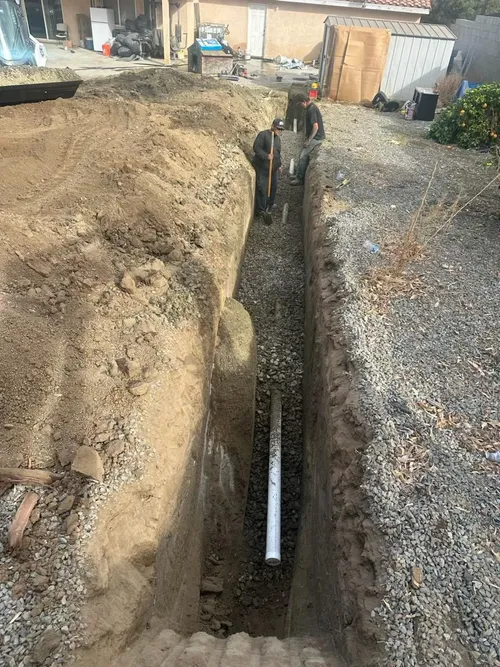
Sierra Septic Cleaning LLC is a septic tank pumping, inspection, and repair company based in Irvine, CA. With over five years of experience, they provide a range of septic system maintenance services including regular cleaning, inspections, and repairs to ensure systems function efficiently. Their team uses advanced equipment to deliver reliable septic cleaning and maintenance solutions aimed at preventing backups and protecting both homes and the environment.
Understanding Septic System Evaluations in Rancho Cucamonga
In Rancho Cucamonga, septic system oversight falls under the San Bernardino County Environmental Health Services (EHS) and the California Plumbing Code. These agencies enforce the Local Agency Management Program (LAMP) for Onsite Wastewater Treatment Systems (OWTS), which sets the standards for installation, maintenance, and inspection. A professional septic evaluation is not just a cursory look; it's a detailed process designed to assess the entire system's health, from the tank to the drainfield. Regular checks are your first line of defense against system failure, which can lead to sewage backups, groundwater contamination, and expensive emergency repairs.
The primary goal of a septic system check is to verify that wastewater is being treated effectively before it re-enters the environment. Inspectors look for signs of failure, measure waste accumulation, and assess the structural integrity of all components. Given that systems in this region typically require pumping every 3-5 years and a thorough inspection every 1-3 years, staying on schedule is a key part of responsible homeownership.
Local Regulations and Permit Requirements
Before scheduling any work, it's essential to understand the local regulatory landscape. San Bernardino County has specific rules governing septic systems.
- Permits Are Mandatory: Any new septic system installation, major repair, or system alteration (such as adding a bedroom to your home) requires a permit from the County EHS. This ensures the design and work meet all health and safety codes.
- System Design Standards: Tanks must be designed according to the California Plumbing Code. For example, a standard sewage holding tank for a dwelling typically requires a minimum capacity of 2,000 gallons 1 2.
- Qualified Professionals: Critical steps like soil percolation tests and system design studies must be conducted by qualified individuals, such as a Registered Civil Engineer, Geotechnical Engineer, or a Registered Environmental Health Specialist 3 4. When hiring an inspector, verify they are familiar with San Bernardino County's LAMP requirements.
What Does a Comprehensive Septic Inspection Include?
A full septic tank and system assessment is a multi-step process. Here's what you can expect a qualified professional to do during an onsite wastewater system inspection.
1. Locating and Accessing the System
The inspector will start by locating the tank and drainfield. They may refer to property "as-built" drawings if available or use special probes to find the tank lids. All access ports must be uncovered for a proper evaluation.
2. Tank Inspection: Sludge, Scum, and Structure
This is the core of the septic tank analysis.
- Sludge and Scum Measurement: The inspector will measure the layers of scum (floating materials) and sludge (settled solids) inside the tank. A common rule is that pumping is needed if the scum layer is within 3-6 inches of the outlet baffle or if the sludge fills more than 25% of the liquid depth 5 6 7.
- Structural Integrity: The tank walls, baffles, and lids are checked for cracks, leaks, or signs of deterioration. Concrete tanks can degrade over time, and failing baffles can allow solids to escape into the drainfield.
- Baffle and Outlet Inspection: Inlet and outlet baffles are crucial for proper function. The inspector ensures they are intact and not blocked, which is essential for preventing clogs and system failure 8.
3. Drainfield Evaluation
The drainfield (or leach field) is where treated wastewater is dispersed into the soil. Inspectors look for visual clues of failure, such as:
- Standing water or soggy soil over the field.
- Unusually lush, green grass over the drain lines.
- Foul odors emanating from the area. These signs indicate that the soil is saturated and can no longer absorb effluent, which is a serious problem requiring immediate attention.
4. Pump and Electrical Component Check
If your system uses a grinder pump, effluent pump, or dosing system, the electrical components, control panels, and alarms will be tested to ensure they are operational 9. Malfunctioning pumps can cause sewage to back up into the home or overflow the tank.
Find the perfect septic tank inspection companies for your needs
Get personalized recommendations and expert advice
Costs Associated with Inspection and Maintenance
Understanding the potential costs helps in budgeting for this essential home maintenance. Based on available data:
- Inspection Cost: A standard septic tank inspection in the area typically ranges from $50 to $150. More comprehensive evaluations for real estate transactions may cost more.
- Pumping Cost: The routine service of pumping out the tank generally costs between $150 and $250, though this can vary based on tank size and accessibility.
- Repair or Replacement Cost: This is where costs escalate significantly. Repairing a failing component or, in the worst case, completely replacing a septic system can range from $3,000 to over $10,000, depending on the scope of work and soil conditions 10. Regular, low-cost inspections are the best way to avoid these major expenses.
The Importance of Regular Septic System Maintenance
Scheduling regular septic tank check-ups is far more than a regulatory box to tick. It's a proactive measure that offers tangible benefits:
- Prevents System Failure: Catching issues like a high sludge level or a cracked baffle early allows for simple pumping or minor repairs, preventing a total drainfield failure.
- Protects Your Investment: A malfunctioning septic system can drastically reduce your property's value and make it difficult to sell. Many real estate transactions in Rancho Cucamonga require a clean "point of sale" inspection.
- Safeguards Health and Environment: A failed system can contaminate nearby wells, streams, and groundwater with harmful bacteria and nutrients, posing a direct risk to your family and community 11.
- Saves Money: The adage "an ounce of prevention is worth a pound of cure" holds true. The few hundred dollars spent on periodic inspection and pumping can save you tens of thousands in replacement costs.
For official county inspections or to inquire about permits, homeowners should contact the San Bernardino County Environmental Health Services directly 12.
Frequently asked questions
Sources
Footnotes
-
SEWAGE HOLDING TANK APPLICATION PACKET - https://wp.sbcounty.gov/dph/wp-content/uploads/sites/7/2022/02/Sewage-Holding-Tank-Application-Packet.pdf ↩
-
California Septic Tank Requirements | Onsite Wastewater Treatment ... - https://www.ntotank.com/blog/california-septic-tank-requirements ↩
-
LOCAL AGENCY MANAGEMENT PROGRAM - Rancho Cucamonga - https://www.cityofrc.us/sites/default/files/2020-10/L.A.M.P%20for%20Onsite%20Water%20Treatment%20System%20%28Septic%29.pdf ↩
-
Onsite Wastewater Treatment System in Los Angeles County - http://www.publichealth.lacounty.gov/eh/business/septic-systems.htm ↩
-
Pumping and Inspecting Your System - Indian Health Service (IHS) - https://www.ihs.gov/california/index.cfm/offices/oehe/dsfc/drinking-water-and-sanitation/maintaining-your-septic-system-guide/pumping-and-inspecting-your-system/ ↩
-
Point of Sale Septic Inspections: What to Expect - https://westcoastsanitationinc.com/point-of-sale-septic-inspections-what-to-expect/ ↩
-
Homeowner's Guide to Septic Systems - El Dorado County - https://www.eldoradocounty.ca.gov/files/assets/county/v/1/documents/government/environmental-management/environmental-management/septic-documents/epa_homeowner_septic_guide.pdf ↩
-
Septic Tank Inspection Report: How to Read It Correctly - https://dandhsepticservices.com/septic-tank-inspection-report/ ↩
-
Septic System Inspections - InterNACHI® - https://www.nachi.org/inspecting-septic-systems.htm ↩
-
Maintaining your Septic System A Guide for Homeowners - https://www.ihs.gov/california/tasks/sites/default/assets/File/SFC-MaintainingYourSepticSystemGuide.pdf ↩
-
Frequent Questions on Septic Systems | US EPA - https://www.epa.gov/septic/frequent-questions-septic-systems ↩
-
Land Use and Wastewater - Environmental Health Services - https://ehs.sbcounty.gov/programs/waste/ ↩