Find the Best Septic Tank Inspection Companies for Your Business
No obligation • Fast responses • Nationwide coverage

Why you can trust Septic Spot
Septic Spot is a leading United States resource for understanding and comparing septic services. Our editors review providers using consistent criteria and verify key business details. Listings and scores are independent, and companies cannot pay to influence our content.
Search providers near you
Top Septic Tank Inspection Companies in Redlands, California Ranked
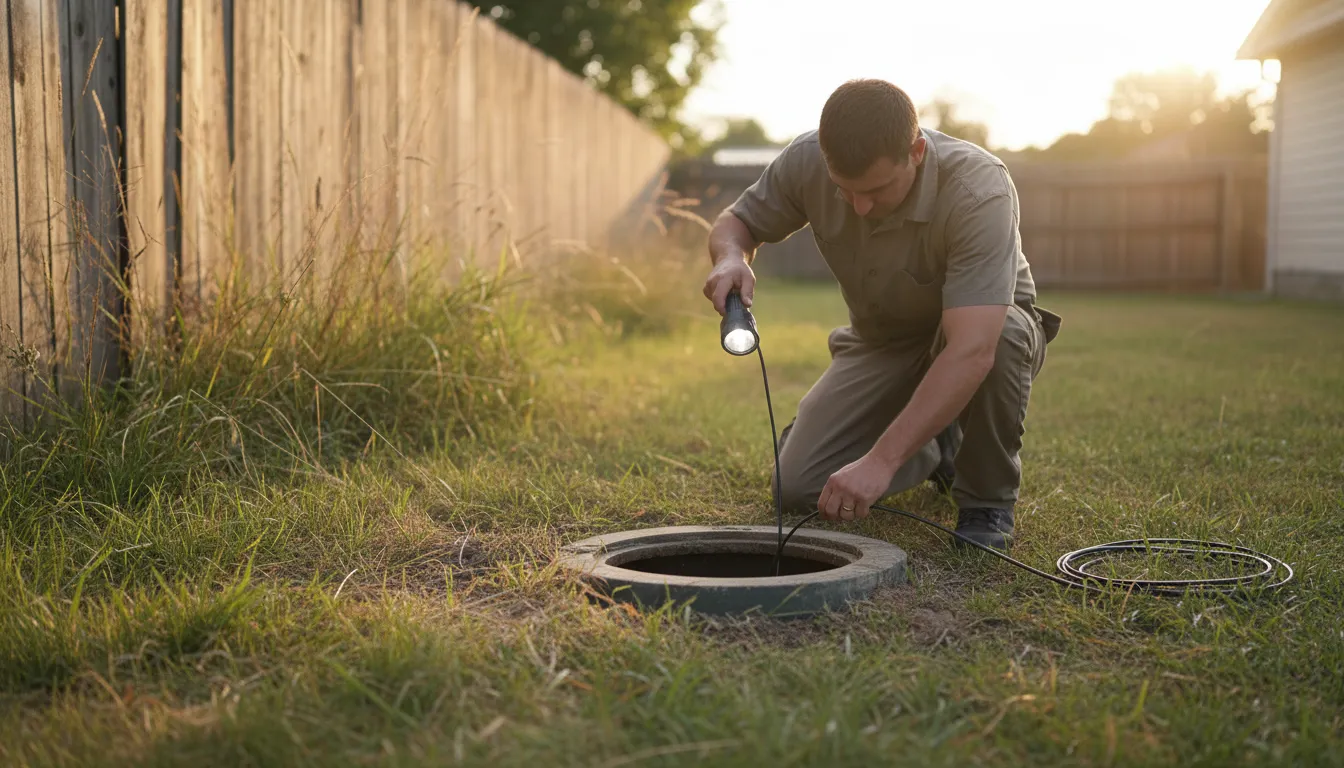
A professional septic tank inspection is a critical evaluation of your onsite wastewater system's health and functionality. In Redlands, these assessments are essential for maintaining public health, protecting local groundwater, and ensuring your property remains compliant with San Bernardino County regulations. Whether you're a homeowner scheduling routine maintenance or preparing for a real estate transaction, this guide will help you understand the inspection process, local requirements, and how to connect with qualified local professionals to evaluate your system.
Roto-Rooter Plumbers and Septic Service
17208 Main St Unit A, Hesperia, CA 92345
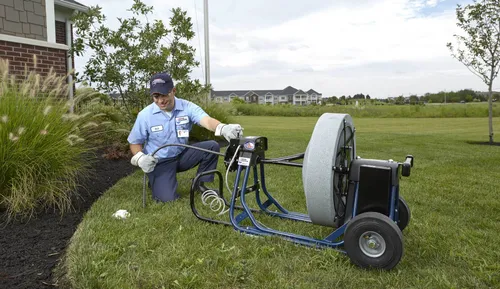
Roto-Rooter Plumbers and Septic Service offers a wide range of plumbing and septic services in Los Angeles, CA. Their expertise includes septic tank pumping, inspection, and repair, along with plumbing repairs and installations tailored to local conditions such as hard water and temperature fluctuations. With over 90 years of experience, they provide advanced services like hydro jetting for drain cleaning and water leak detection using modern technology. The company also offers 24/7 emergency services to address urgent plumbing needs.
Sierra Septic Cleaning LLC
Irvine, CA
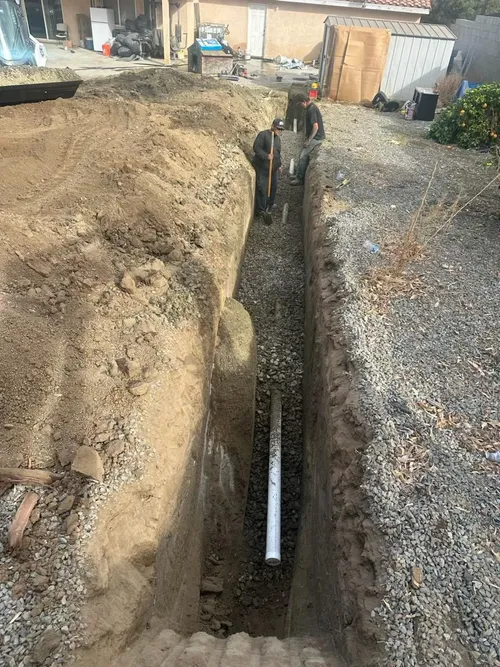
Sierra Septic Cleaning LLC is a septic tank pumping, inspection, and repair company based in Irvine, CA. With over five years of experience, they provide a range of septic system maintenance services including regular cleaning, inspections, and repairs to ensure systems function efficiently. Their team uses advanced equipment to deliver reliable septic cleaning and maintenance solutions aimed at preventing backups and protecting both homes and the environment.
Foureverfresh Septic & Sewer Solutions
Los Angeles, CA
Foureverfresh Septic & Sewer Solutions provides a range of septic system services in Los Angeles, CA. Their offerings include septic tank pumping, inspections, repairs, installations, and sewer line repairs. They use advanced diagnostic tools like video inspections and leak detection to address issues such as tree root intrusion and blockages efficiently. With over 20 years of experience, the company emphasizes eco-friendly practices and customer satisfaction in their work.
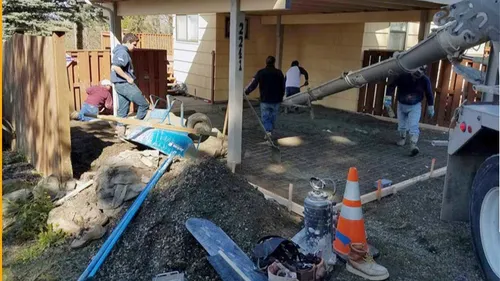
Honey Doo Wagon Septic Pumping
Irvine, CA
Honey Doo Wagon Septic Pumping is a full-service septic company serving Irvine, CA. They offer septic tank pumping, inspections, repairs, installations, replacements, and maintenance. With over 18 years of experience, the company provides a wide range of septic services backed by a commitment to professionalism and integrity.
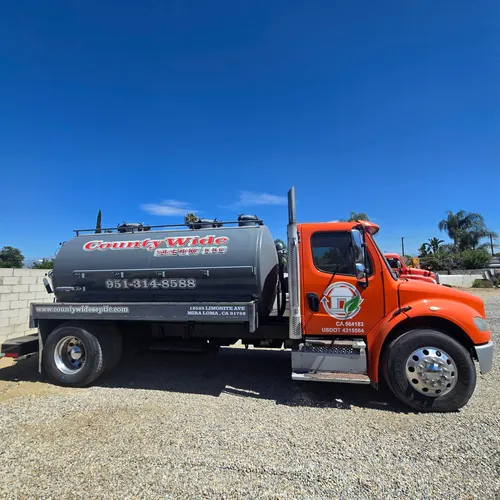
Countywide Septic Pumping LLC
5290 Capella Ct, Jurupa Valley, CA 91752
Countywide Septic Pumping LLC provides septic tank installation, pumping, inspection, and repair services in Los Angeles, CA, and surrounding counties including Riverside, Orange, and San Bernardino. They serve both residential and commercial clients, handling everything from soil sampling and permit acquisition to system maintenance and emergency repairs. The company offers 24-hour emergency septic tank pumping and repair services to address urgent needs promptly. Countywide Septic Pumping uses updated equipment to ensure effective septic system performance and safe installation, supporting properties where municipal water and sewage services are unavailable.
Why Septic System Inspections Matter in Redlands
Septic systems are a common method of wastewater treatment for homes not connected to municipal sewer lines. A failing system is more than an inconvenience; it can pose serious health risks and lead to significant environmental contamination. In Redlands and across San Bernardino County, septic system evaluations are regulated by the County Environmental Health Services to protect water quality and public safety 1. Regular inspections help identify minor issues-like a clogged baffle or early signs of drain field saturation-before they escalate into costly repairs or complete system failure, which can involve replacing the entire leach field.
For homeowners, a thorough septic assessment provides peace of mind. It verifies that waste from your home is being processed and treated effectively, preventing backups into your house or untreated effluent from surfacing in your yard. This is especially important in California, where protecting water resources is a high priority.
Understanding Local Regulations and Certification
San Bernardino County has specific rules governing septic systems. Any new installation or major modification requires a permit, a site evaluation, and final inspections for operational approval. The professionals who perform these crucial evaluations must be properly licensed. In California, a C-42 (Sanitation System) contractor's license is often required for the pumping and inspection needed for official certification, especially during property transfers.
One of the most common triggers for a formal inspection is a real estate transaction. A point-of-sale septic inspection is generally required when selling a home with a septic system in California 2. This isn't just a casual look; it's a detailed process resulting in a certification report that must be submitted to local health authorities, documenting the structural integrity and functionality of the tank, pipes, and drain field. This certification can be a decisive factor in closing a sale.
The Step-by-Step Septic Inspection Process
A comprehensive inspection, often called a "Full Inspection" or "Certification Inspection," follows a detailed sequence. Knowing what to expect can help you prepare your property and understand the value of the service.
1. Locating the System The inspector will first locate all critical components: the septic tank, its access lids, and the leach lines or seepage pit. This may involve consulting property records or using probing tools if the lids are buried.
2. Uncovering and Accessing the Tank The primary and secondary tank lids must be fully exposed. This often requires digging, which the inspection company typically handles. Good accessibility is key to a thorough evaluation.
3. Pumping the Tank For a proper inspection, the tank must be pumped out. This allows the inspector to visually assess the interior for structural damage, cracks, and the condition of inlet/outlet baffles 3. Pumping is a standard part of a certification inspection, not just a cleaning service.
4. Detailed Interior and Exterior Inspection The inspector checks for signs of leakage, corrosion, and the integrity of the tank walls. They also examine the drain field area for signs of failure, such as soggy ground, foul odors, or unusually lush grass.
5. Flow and Dye Testing This functional test verifies the system's operation. Water is run through household drains to ensure sewage flows properly from the house to the tank. A non-staining dye may be introduced to confirm that the wastewater is being absorbed by the drain field and not surfacing or backing up 4.
6. Reporting and Certification Finally, the inspector provides a detailed report on the system's condition. For a real estate transaction, this becomes the official certification document submitted to the county, outlining any issues that need to be addressed 5.
Find the perfect septic tank inspection companies for your needs
Get personalized recommendations and expert advice
Types of Septic Systems in the Redlands Area
While traditional gravity-fed systems with a drain field are most common, not all properties can support them due to soil conditions, slope, or high groundwater. In these cases, Alternative Treatment Systems (ATUs) may be installed. These systems use mechanical parts, filters, or advanced treatment processes to treat wastewater to a higher standard before dispersal. It's important to note that ATUs often require annual operating permits and more frequent maintenance inspections from licensed professionals 6 7. If your home has an ATU, ensure your inspector is familiar with its specific technology.
Inspection Frequency and Maintenance
A septic inspection shouldn't only happen when you're selling your home. Proactive maintenance is the best way to ensure system longevity and avoid emergencies. It is generally recommended to have your septic tank professionally inspected every 1 to 3 years and pumped every 3 to 5 years, though frequency can vary based on household size and usage 8. Regular inspections can catch problems like root intrusion, sludge buildup, or a failing baffle early on.
Think of these routine checks as essential preventative healthcare for your property. They help schedule pumping based on actual need rather than guesswork, and they keep minor issues from turning into landscape-destroying, wallet-draining disasters.
Cost Considerations for Septic Inspections
Costs for septic system evaluations in Redlands vary based on the tank's size, its accessibility, and the depth of the inspection required. A routine inspection without pumping may range from $250 to $600 9. However, most certification inspections for real estate include pumping, which brings the total cost typically into the range of $500 to $1,000 or more 10 11 12. The higher end often accounts for difficult access requiring extra excavation, larger tank sizes, or the additional reporting required for a full county certification. When comparing services, ensure you understand what is included-a true certification for a home sale is a more involved process than a basic maintenance check.
Choosing a Qualified Inspection Professional
Selecting the right provider is crucial. Look for a company with:
- A valid C-42 contractor's license for sanitation systems.
- Extensive local experience in San Bernardino County and Redlands.
- Positive reviews and a reputation for thorough, clear reporting.
- The ability to handle the entire process, from locating and excavating to pumping, inspecting, and completing all necessary paperwork for the county.
A qualified inspector won't just give your tank a glance; they will provide you with a clear, documented understanding of your system's health and any recommended actions.
Frequently asked questions
Sources
Footnotes
-
San Bernardino Residential C-42 Certification - West Coast Sanitation - https://westcoastsanitationinc.com/san-bernardino-residential-c-42-certification/ ↩
-
Point of Sale Septic Inspections: What to Expect - https://westcoastsanitationinc.com/point-of-sale-septic-inspections-what-to-expect/ ↩
-
Septic System Inspections - InterNACHI® - https://www.nachi.org/inspecting-septic-systems.htm ↩
-
What to Expect from a Septic Inspection - https://www.wrenvironmental.com/blog/2023/may/what-to-expect-from-a-septic-inspection/ ↩
-
Buying or Selling a House with a Septic System - https://westcoastsanitationinc.com/buying-or-selling-a-house-with-a-septic-system/ ↩
-
Top Septic Tank Rules to Avoid Costly Repairs - https://septictankbusiness.com/blog/septic-tank-rules/ ↩
-
California Septic Tank Requirements | Onsite Wastewater Treatment Systems - https://www.ntotank.com/blog/california-septic-tank-requirements ↩
-
The Californian's Guide To Septic Tanks - https://cacciaplumbing.com/blog/california-septic-tank-guide/ ↩
-
What to Expect During a Septic Tank Inspection - https://www.redfin.com/blog/what-you-need-to-know-about-septic-inspections/ ↩
-
Residential C-42 Certification - West Coast Sanitation - https://westcoastsanitationinc.com/residential-c-42-certification/ ↩
-
What Is a Septic Inspection? Everything Homeowners Need to Know - https://www.redfin.com/blog/what-you-need-to-know-about-septic-inspections/ ↩
-
Septic Tank Certification: What California Homeowners Need to Know - https://www.kgriverside.com/trending/septic-tank-certification-what-california-homeowners-need-to-know ↩