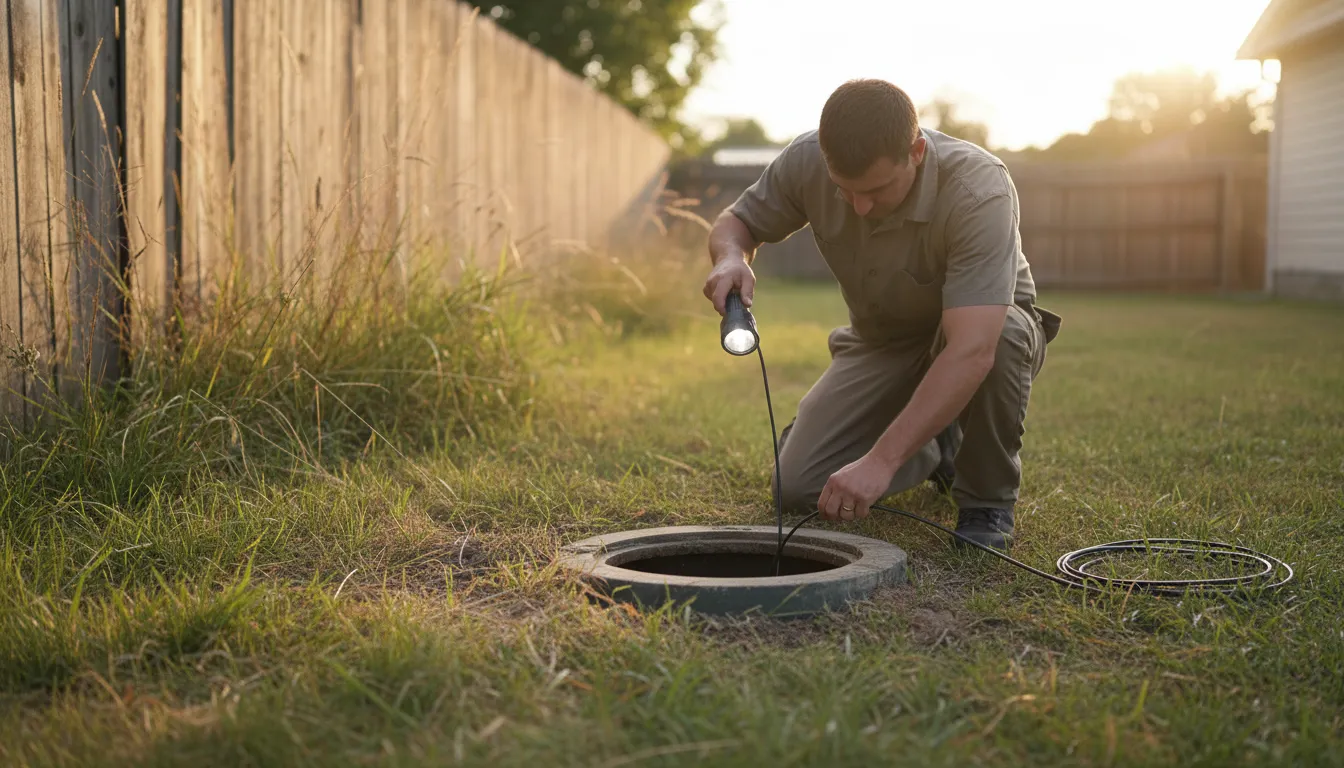
Find the Best Septic Tank Inspection Companies for Your Business
No obligation • Fast responses • Nationwide coverage

Why you can trust Septic Spot
Septic Spot is a leading United States resource for understanding and comparing septic services. Our editors review providers using consistent criteria and verify key business details. Listings and scores are independent, and companies cannot pay to influence our content.
Search providers near you
Top Septic Tank Inspection Companies in Rohnert Park, California Ranked
A septic tank inspection is a professional assessment of your onsite wastewater system's condition and functionality. This evaluation is crucial for protecting your property investment, ensuring public health, and maintaining environmental compliance in Sonoma County. For Rohnert Park homeowners, understanding the inspection process and local requirements helps you schedule necessary maintenance and connect with qualified, certified professionals in your area.
Superior Septic Pumping Service
Santa Rosa, CA
Superior Septic Pumping Service is a septic system maintenance and repair company based in Santa Rosa, CA. They offer services including septic pumping, tank cleanouts, repairs, and real estate inspections. With over 20 years of experience, the owner-operated business uses advanced equipment to handle issues such as sludge buildup, cracked pipes, and faulty drain fields. Their team serves Santa Rosa and surrounding areas, providing comprehensive septic solutions to help prevent backups and contamination.
BDK Septic Service
2100 Llano Rd, Santa Rosa, CA 95407
BDK Septic Service is a family-owned company based in Santa Rosa, CA, serving homeowners and businesses throughout Sonoma County. They specialize in septic tank pumping and inspections, offering detailed reports to ensure system functionality and detect any damages. The company is NAWT certified and licensed for a range of services including alarm troubleshooting, line locating, and camera diagnostics. BDK Septic Service is also a certified provider for various pre-treatment septic systems and holds a C-42 contractor license.
NorCal Superior Systems
Santa Rosa, CA
NorCal Superior Systems is a septic tank inspection, repair, and installation company serving Santa Rosa, CA, and the surrounding Napa, Sonoma, and Marin counties. With over 20 years of experience, the company offers services including septic system installations, repairs, hydrojet septic line cleaning, and inspections using advanced technology like borescopes for precise diagnostics. As a licensed, bonded, and insured contractor, NorCal Superior Systems handles both commercial and residential projects with a focus on safety and quality.
Joe's Farmer Septic & Grease Service, INC
Santa Rosa, CA
Joe's Farmer Septic & Grease Service, INC provides septic tank installation, inspection, pumping, and repair services in Santa Rosa, CA. They serve both residential and commercial clients, handling all aspects from soil sampling to system installation while managing permits and building code requirements. Their licensed team uses updated equipment to maintain septic systems, ensuring proper wastewater treatment and drainage. The company also offers emergency septic system inspections for urgent issues.
Bob's underground septic maintenance
Santa Rosa, CA
Bob's underground septic maintenance is a septic tank inspection company based in Santa Rosa, CA, serving Marin and Sonoma County. The business focuses on wastewater maintenance, including flushing leech lines, sand beds, and mound systems, as well as cleaning various types of filters such as pumps, spin filters, bio tube filters, and Zabel filters. They also provide overall system inspections to assess the condition of septic systems. The company emphasizes efficient service while adhering to safety guidelines.
Why Septic System Evaluations Are Essential in Rohnert Park
In Rohnert Park, where many homes rely on private onsite wastewater treatment systems, regular septic inspections are not just a recommendation-they are a key component of responsible homeownership. These assessments help prevent system failures that can lead to costly repairs, property damage, and contamination of local groundwater. Sonoma County, including Rohnert Park, follows specific guidelines under the California Plumbing Code, which often mandates systems with 2-compartment tanks for improved treatment 1. An inspection verifies that your system meets these standards and is operating safely. Proactive checks can identify minor issues like root intrusion or baffle wear before they escalate into major problems requiring a full system repair or replacement.
Understanding Local Regulations and Required Inspections
Compliance with local codes is a primary reason for septic tank inspections in Rohnert Park. Permit Sonoma, the county's permitting agency, requires official system evaluations for several property transactions and upgrades. If you are selling your home, applying for a building permit for an addition, or upgrading your system, a certified inspection is typically mandatory. Furthermore, the county requires a minimum of two inspections for new installations or major repairs: an open trench inspection before the system is covered and a final inspection after backfilling is complete 2. All septic pumping professionals must also be licensed through Sonoma County Environmental Health, ensuring they adhere to proper waste disposal protocols 3. These regulations are designed to protect the community's health and the sensitive environmental areas in and around Rohnert Park.
The Step-by-Step Septic Inspection Process
A thorough septic system evaluation by a certified professional follows a detailed sequence. Knowing what to expect can help you prepare your property and understand the inspector's findings.
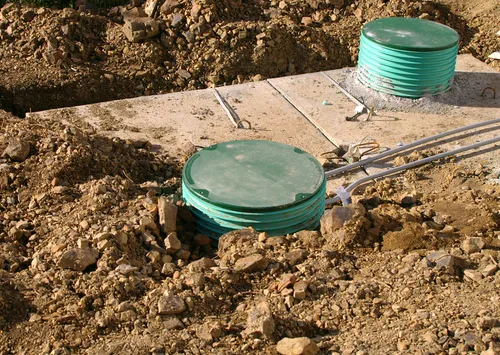
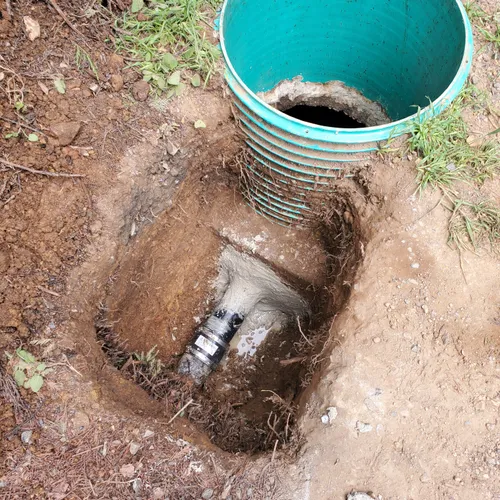
1. System Location and Access The inspector begins by locating the tank and drainfield. They will expose the manway risers-the access ports to the tank. Permit Sonoma strongly recommends installing risers to ground level for easier access during all future maintenance and inspections. If risers are not present, the inspector may need to excavate to find the tank lid.
2. Tank Integrity and Component Check Once opened, the inspector evaluates the tank's structure. They check for cracks, corrosion, and watertightness. Critical internal components are examined, including the inlet and outlet baffles or tees, which are essential for preventing scum and solids from escaping into the drainfield. The inspector also looks for signs of root intrusion, which can damage tank walls and pipes.
3. Liquid and Scum Level Measurement A key diagnostic step is measuring the liquid level and the thickness of the scum layer inside the tank. A liquid level that is too high may indicate a blockage in the outlet or a failing drainfield, while a level that is too low could suggest a leak in the tank 4. These measurements help determine if the tank needs immediate pumping.
4. Drainfield Assessment The inspection extends beyond the tank to the leach field. The professional will walk the area to check for any surfacing sewage, soggy ground, or persistent foul odors, which are clear indicators of a drainfield failure 5. They may also note the proximity of the system to wells, property lines, and waterways to ensure compliance with separation requirements, such as the mandated 5 feet between the trench bottom and groundwater 6.
Find the perfect septic tank inspection companies for your needs
Get personalized recommendations and expert advice
Recommended Inspection and Maintenance Frequency
How often should you have your septic system inspected? While Permit Sonoma may require an inspection for specific permits, general maintenance guidelines are clear. The U.S. Environmental Protection Agency and industry experts recommend having your system inspected at least every one to three years. In conjunction with inspections, routine pumping is generally recommended every three to five years, though the exact frequency depends on your household size, tank capacity, and overall wastewater output 7. Adhering to this schedule is the most effective way to extend the life of your system and avoid emergency situations. Think of it as routine, preventative care for an essential part of your home.
Costs Associated with Septic Inspections and Pumping
Budgeting for septic maintenance is an important part of homeownership. In California, the average cost for a standard septic tank inspection is roughly $800, though this can vary based on the inspection's depth, tank accessibility, and property size 8. If the inspection indicates that pumping is needed, that service incurs an additional cost. Pumping costs generally depend on the tank size (common residential tanks in Rohnert Park range from 1,000 to 2,000 gallons) and how easy it is for trucks to access the site 9. While these are upfront costs, they are minimal compared to the expense of repairing or replacing a failed drainfield, which can run into the tens of thousands of dollars.
Key System Components Inspectors Evaluate
A professional assessor focuses on several specific components that dictate your system's health. Understanding these parts helps you comprehend their reports.
- Baffles or Tees: These are pipes inside the tank at the inlet and outlet. They ensure incoming wastewater enters below the scum layer and that only clarified liquid (effluent) exits to the drainfield. Worn or missing baffles are a common finding that requires repair.
- Risers: Concrete or plastic extensions that bring the tank's access lids up to the ground surface. As noted, these are highly recommended for safe and easy access 10.
- Tank Structure: The inspector checks for structural soundness, looking for cracks, signs of collapse, or deterioration that could cause leaks.
- Effluent Filter: Some modern systems have a filter on the outlet tee to provide an extra layer of protection for the drainfield. This filter requires periodic cleaning.
- Distribution Box: This component, if present, evenly distributes liquid effluent to all lines in the drainfield. It must be level and free of blockages.
Signs You May Need an Inspection Sooner Than Scheduled
Don't wait for a scheduled check if you notice any of these warning signs. Contact a certified professional for an evaluation if you experience:
- Slow drains or gurgling plumbing fixtures throughout the house.
- Sewage odors in the yard or near the tank/drainfield area.
- Unusually lush or soggy grass over the drainfield, especially when the rest of the yard is dry.
- Backups in your home's lowest drains, like a basement or first-floor shower.
- Standing water or surfacing sewage in the area of your septic system.
Preparing Your Property for a Septic Inspection
To ensure a smooth and efficient inspection process, you can take a few preparatory steps:
- Locate Records: Find any existing "as-built" diagrams or maintenance records for your system.
- Clear Access: Ensure the area above your tank and distribution box is clear of vehicles, outdoor furniture, or landscaping.
- Mark Components: If you know where your tank lids or cleanouts are, marking them with flags can save time.
- Provide Access: Make sure gates are unlocked and dogs are secured to allow the inspector full access to the yard.
Frequently asked questions
Sources
Footnotes
-
California Septic Tank Requirements | Onsite Wastewater Treatment ... - https://www.ntotank.com/blog/california-septic-tank-requirements ↩
-
Building Sewer Permit and Inspection Process - https://cdnsm5-hosted.civiclive.com/UserFiles/Servers/Server_3037789/File/Public%20Works/Sewer/FAQ/Canon%20Manor%20Handout.pdf ↩
-
Sonoma County Rules & Orders Septage Vehicles - https://sonomacounty.gov/Main%20County%20Site/Health%20and%20Human%20Services/Health%20Services/Documents/Public%20Health/Sections/Environmental%20Health/Programs%20and%20Services/Septic/Sonoma%20County%20Rules%20%26%20Orders%20Septage%20Vehicles.pdf ↩
-
Septic Tank Testing & Inspection | What to Expect Guide | Blog - https://www.blueribbonseptic.com/blog/septic-tank-testing-and-inspection ↩
-
What to Expect from a Septic Inspection - https://www.wrenvironmental.com/blog/2023/may/what-to-expect-from-a-septic-inspection/ ↩
-
The Californian's Guide To Septic Tanks - Caccia Home Services - https://cacciaplumbing.com/blog/california-septic-tank-guide/ ↩
-
How Often Should You Pump Your Septic Tank: 3 Factors Solved - https://www.frasiers.com/blog/sewage-tank-pump-frequency/ ↩
-
How Much Does a Septic Inspection Cost? [2026 Data] - Angie's List - https://www.angi.com/articles/septic-inspection-cost.htm ↩
-
Frequent Questions on Septic Systems | US EPA - https://www.epa.gov/septic/frequent-questions-septic-systems ↩
-
WLS-012 Guidelines for Maintaining a Non-Standard Septic System - https://www.permitsonoma.com/instructionsandforms/wls-012guidelinesformaintaininganonstandardsepticsystem ↩