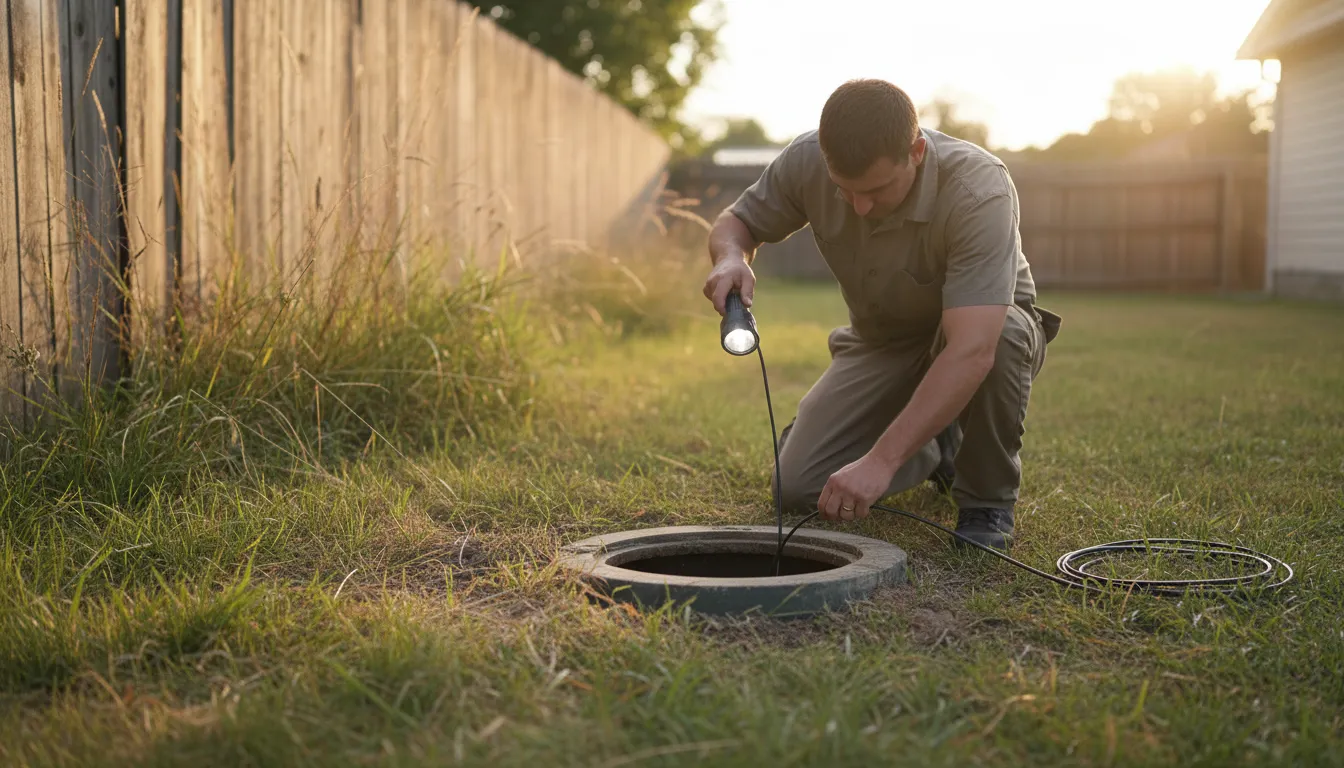
Find the Best Septic Tank Inspection Companies for Your Business
No obligation • Fast responses • Nationwide coverage

Why you can trust Septic Spot
Septic Spot is a leading United States resource for understanding and comparing septic services. Our editors review providers using consistent criteria and verify key business details. Listings and scores are independent, and companies cannot pay to influence our content.
Search providers near you
Top Septic Tank Inspection Companies in San Clemente, California Ranked
A septic tank inspection is a professional evaluation of your onsite wastewater treatment system to ensure it is functioning safely and efficiently. For homeowners in San Clemente, these assessments are critical for protecting your property investment, safeguarding public health, and preserving the local coastal environment. This guide will help you understand the process, local requirements, and how to connect with qualified professionals for your system's evaluation.
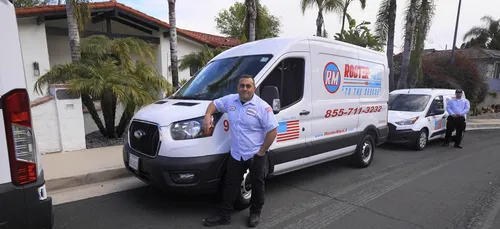
Rooter Man Plumbing of Orange
521 W Katella Ave, Orange, CA 92867
Rooter Man Plumbing of Orange provides septic tank pumping and inspection services in Santa Ana, CA. They offer a wide range of plumbing solutions including emergency repairs, drain cleaning, sewer line replacement, and hydro jetting. The company is equipped to handle both residential and commercial plumbing needs with capabilities such as leak detection and water heater maintenance. Emergency plumbing services are available 24/7 to address urgent issues at any time.
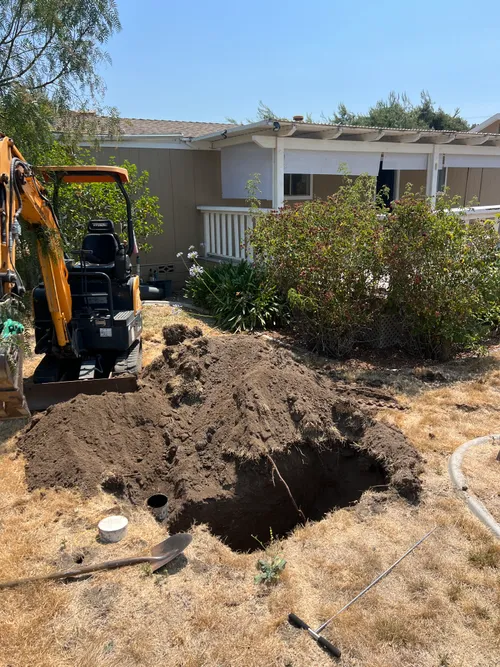
CertifiedSeptic.com
41700 Ivy St STE C, Murrieta, CA 92562
CertifiedSeptic.com provides septic tank pumping, inspection, installation, and maintenance services in Los Angeles, CA. Their offerings include septic pumping, certification inspections, system locating using ground-penetrating radar, sewer line video scoping, and hydro-jetting to clear clogs and buildup. The company designs and installs new septic systems following local regulations to ensure long-term functionality. Hydro-jetting is a key capability, using high-pressure water to clean pipes effectively and eco-friendly.
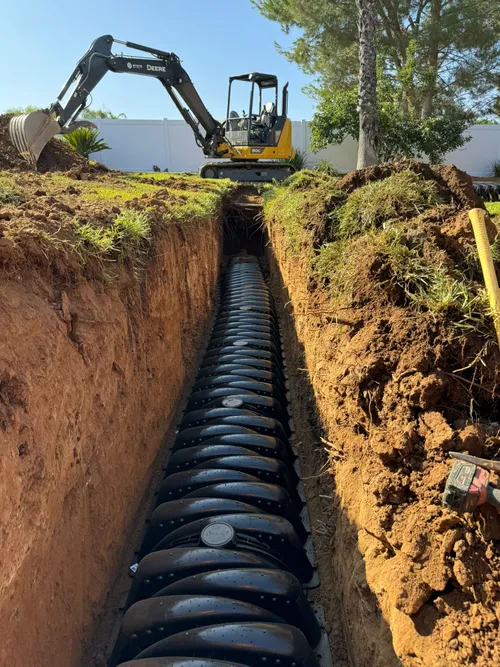
The Pink Septic Services
Riverside, CA
The Pink Septic Services is a septic tank inspection company based in Riverside, CA. They provide expertise in identifying and addressing common septic system issues, including odor problems both inside and outside the home. Their services include inspecting P traps, toilet seals, septic tank covers, and vent pipes to locate sources of septic gases. The company advises on practical solutions such as water replenishment in traps and installing charcoal filters to reduce odors. While specific years in business are not stated, The Pink Septic Services focuses on thorough septic system inspections to help maintain proper function and prevent potential failures.
Honey Doo Wagon Septic Pumping
Irvine, CA
Honey Doo Wagon Septic Pumping is a full-service septic company serving Irvine, CA. They offer septic tank pumping, inspections, repairs, installations, replacements, and maintenance. With over 18 years of experience, the company provides a wide range of septic services backed by a commitment to professionalism and integrity.
R.G Pumping Inc.
8130 Arcadia St, Corona, CA 92881
R.G Pumping Inc. is a septic tank pumping and inspection company serving Los Angeles, CA. With over 17 years of experience in the Inland Empire, they offer services including septic pumping, camera locating, and installation of risers to reduce the need for repeated digging. Appointments are required for service.
Why Septic System Inspections Are Crucial in San Clemente
Living in a beautiful coastal community like San Clemente comes with the responsibility of protecting its delicate ecosystem. Your septic system treats all the wastewater from your home, and a failure can lead to contamination of soil, groundwater, and even nearby waterways 1. Regular inspections are your first line of defense. They help identify minor issues-like a clogged filter or early signs of drainfield saturation-before they escalate into costly repairs or environmental hazards. For many, the most common trigger for an inspection is a real estate transaction, as lenders and buyers almost universally require a certified system evaluation before closing.
In Orange County, where San Clemente is located, specific guidelines govern onsite sewage systems. While the state provides a framework, local enforcement through OC Environmental Health Services adds another layer of requirements, especially for properties in environmentally sensitive areas. An inspection verifies that your system complies with these local standards, which is essential for maintaining your property's value and legal standing.
Understanding Local Requirements and Inspection Triggers
Orange County has established clear protocols for septic systems, also known as onsite wastewater treatment systems (OWTS). Knowing what triggers a mandatory inspection can save you from unexpected complications.
Common Mandatory Inspection Triggers:
- Property Sale: This is the most frequent reason. A passing inspection report is typically required to finalize a sale.
- System Age: If your system's design plans indicate it is over 15 years old, an inspection may be mandated for permit renewals or major property improvements.
- Missing Records: If the county has no as-built plans or maintenance records for your system, an inspection might be required to establish a baseline.
- Change in Home Use: Increasing the home's bedroom count increases the estimated wastewater flow. This change usually requires a system evaluation and possible upgrade to ensure proper sizing and function 2.
- Suspected Failure: Signs like sewage odors, soggy ground over the drainfield, or slow-draining fixtures warrant an immediate professional inspection.
The County's guidelines emphasize systems designed for longevity with materials approved for California's coastal environment, which an inspector will verify 3.
The Step-by-Step Septic Inspection Process
A thorough septic system evaluation by a certified inspector or licensed contractor follows a detailed sequence. Here's what you can expect during a standard inspection in San Clemente.
1. Locating the System The inspector will first locate the septic tank and the drainfield (leach lines). This may involve reviewing property records, using probing rods, or electronic locating equipment if the tank lids are buried.
2. Uncovering and Opening Access Ports The inspector will excavate to uncover the tank's manhole and inspection ports. For safety, this step requires caution due to potential hazardous gases. Many homeowners now install risers, which bring access lids to the surface, making this step much easier and less expensive for future checks.
3. Measuring Sludge and Scum Levels This is a core part of the tank inspection. Using specialized tools, the inspector measures the depth of the sludge layer at the bottom and the scum layer at the top. These measurements determine if the tank needs immediate pumping. According to guidelines, if the sludge and scum together occupy more than one-third of the tank's liquid depth, pumping is required 4.
4. Assessing Tank Structural Integrity The inspector will examine the tank interior (once pumped if necessary) and exterior for signs of damage. They look for cracks, leaks, corrosion (in metal tanks), or deterioration in concrete tanks. The integrity of the tank is non-negotiable, as leaks can contaminate groundwater 5.
5. Checking Critical Components Key internal components are evaluated:
- Baffles: These are checked to ensure they are intact and properly positioned to prevent solids from exiting into the drainfield.
- Effluent Filter: If installed, the filter is cleaned and inspected for clogs or damage.
- Inlet/Outlet Tees: The inspector ensures pipes are securely connected and not blocked.
6. Evaluating the Drainfield The inspector assesses the soil absorption area. They look for any signs of failure, such as surfacing sewage, overly saturated soil, or lush grass growth over the lines (indicating nutrient-rich wastewater). They may also perform a simple water load test to see how quickly the drainfield accepts liquid 6.
Find the perfect septic tank inspection companies for your needs
Get personalized recommendations and expert advice
Key Factors Influencing Inspection and Maintenance Costs
While the primary goal is system health, understanding the potential costs involved is practical for San Clemente homeowners. It's important to note that prices can vary based on the inspector's experience, the system's complexity, and the extent of the evaluation.
- Basic Visual Inspection: A standard inspection that includes locating the system, measuring sludge/scum, and a visual drainfield check typically forms the baseline cost.
- Comprehensive Inspection: This may include pumping the tank (to enable internal inspection), a camera scan of lines, and a detailed evaluation of the distribution box. Specialized inspections like these can increase the fee.
- Pumping Costs: If pumping is needed, it is a separate service. In the region, septic tank pumping can range from $300 to over $1,200, with an average around $423 7. Pumping is often required during a real estate inspection to properly assess the tank.
- Permit Fees: If the inspection is part of a repair or system modification permit submitted to Orange County, be prepared for local permit fees, which can range from $200 to $1,500 depending on the project's scope 8.
Always request a detailed written estimate that breaks down inspection fees, potential pumping costs, and any permit processing charges before work begins.
Proactive Maintenance for a Healthy System
An inspection tells you the current state of your system, but ongoing maintenance ensures its future health. The U.S. EPA and local health departments strongly recommend an annual check by a professional. This annual review can catch small issues early.
Essential Maintenance Tips:
- Pump Regularly: Don't wait for a problem. The general rule is to pump your tank every 3 to 5 years, but a household with more occupants or a garbage disposal may need it more frequently.
- Practice Water Conservation: Spreading out laundry loads and fixing leaky faucets reduces the hydraulic load on your system, extending its life.
- Mind What You Flush: Only human waste and toilet paper should go down the drain. Avoid flushing chemicals, fats, oils, grease, wipes, and feminine hygiene products, as they can clog components and disrupt the bacterial balance in the tank 9.
- Protect Your Drainfield: Never park vehicles or build structures over the drainfield. Keep roof drains and other surface water away from the area to prevent saturation.
Choosing a Qualified Septic Inspector in San Clemente
Selecting the right professional is crucial. Look for a contractor who is licensed by the state of California (C-42 or C-36 licenses are common for septic work) and has specific experience with Orange County's regulations. They should carry proper insurance and be willing to provide references from local clients. A reputable inspector will provide a comprehensive written report with photos, descriptions of any issues found, and clear recommendations for repairs or maintenance. This report is a vital document for your records and any real estate proceedings.
Frequently asked questions
Sources
Footnotes
-
Frequent Questions on Septic Systems | US EPA - https://www.epa.gov/septic/frequent-questions-septic-systems ↩
-
Septic System Design Criteria - County of San Diego - https://www.sandiegocounty.gov/content/dam/sdc/deh/lwqd/Septic_System_Design_Criteria_3-22-10.pdf ↩
-
On-Site Sewage Guidelines - OC Development Services - https://ocds.ocpublicworks.com/sites/ocpwocds/files/2021-06/On-Site%20Sewage%20Guidelines.pdf ↩
-
onsite-wastewater-treatment-system-requirements-procedures. ... - http://www.publichealth.lacounty.gov/eh/docs/permit/onsite-wastewater-treatment-system-requirements-procedures.pdf ↩
-
What to Expect from a Septic Inspection - https://www.wrenvironmental.com/blog/2023/may/what-to-expect-from-a-septic-inspection/ ↩
-
The Californian's Guide To Septic Tanks - https://cacciaplumbing.com/blog/california-septic-tank-guide/ ↩
-
Septic Tank Pumping Cost: Guide & Pricing in 2025 - Splash Plumbing - https://www.splashplumbing.com/how-much-does-it-cost-to-pump-septic-tank-understanding-pricing-and-factors-involved/ ↩
-
Septic inspection cost varies, what's typical? - https://www.facebook.com/groups/562934644102912/posts/2123059814757046/ ↩
-
Septic System DO's and DONT's - https://www.ihs.gov/california/index.cfm/offices/oehe/dsfc/water-san/maintaining-your-septic-system-guide/septic-system-do-s-and-dont-s/ ↩