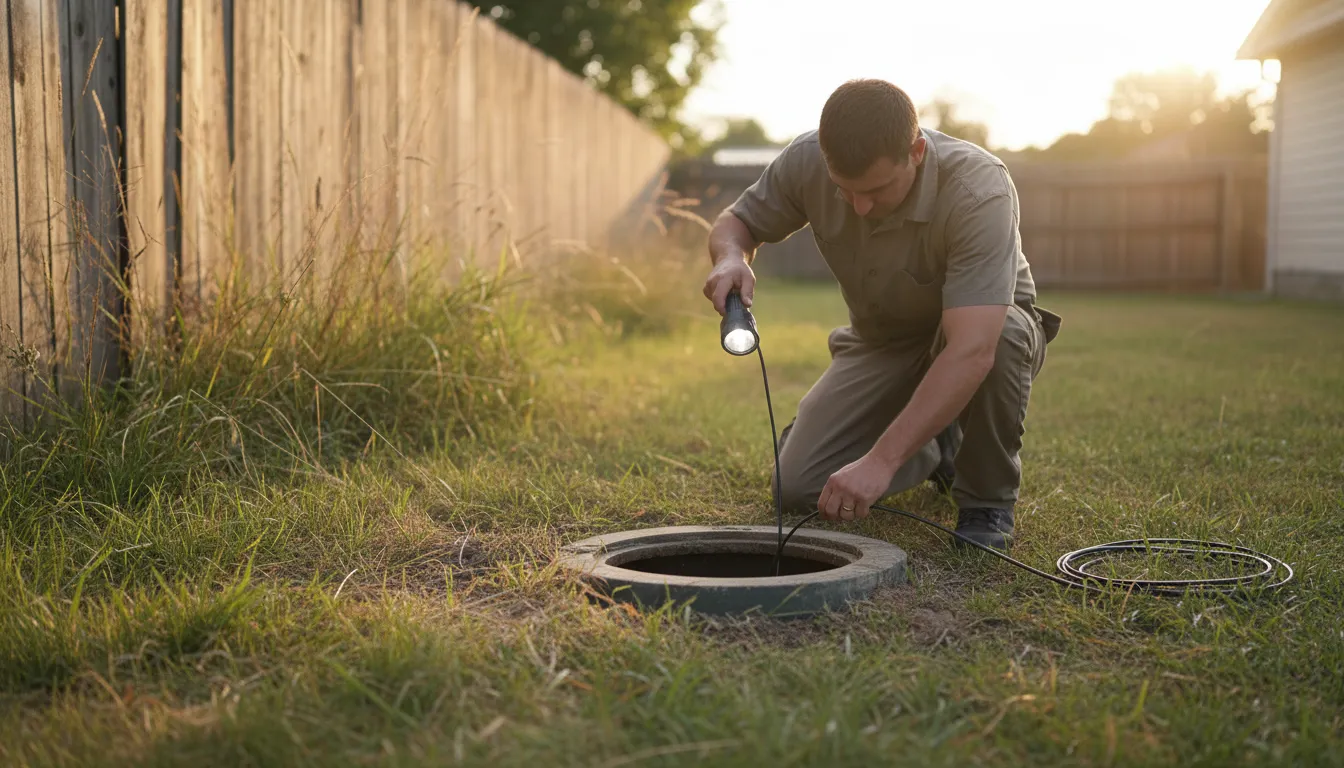
Find the Best Septic Tank Inspection Companies for Your Business
No obligation • Fast responses • Nationwide coverage

Why you can trust Septic Spot
Septic Spot is a leading United States resource for understanding and comparing septic services. Our editors review providers using consistent criteria and verify key business details. Listings and scores are independent, and companies cannot pay to influence our content.
Search providers near you
Top Septic Tank Inspection Companies in San Mateo, California Ranked
A septic tank inspection is a critical evaluation of your onsite wastewater treatment system to ensure it is functioning safely and efficiently. In San Mateo, where many homes rely on these private systems, a professional assessment is essential for protecting your property value, your family's health, and the local environment. This guide will help you understand the inspection process, local regulations, and how to find qualified professionals to evaluate your system.
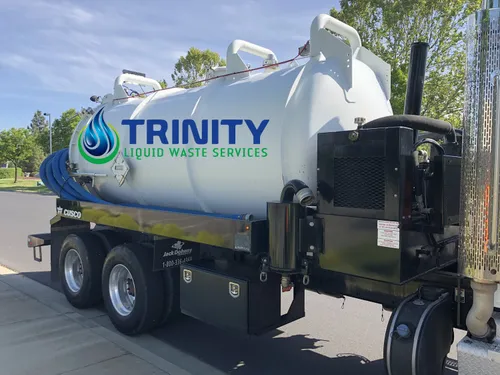
Trinity Liquid Waste Services
San Jose, CA
Trinity Liquid Waste Services provides septic tank pumping, inspection, repair, and maintenance services for residential and commercial clients in San Jose, CA. The family-owned company offers a wide range of septic system solutions including grease trap pumping, sewage ejector tank maintenance, and water jetting to keep systems functioning properly. They also handle storm drain cleaning and provide 24/7 same-day service for urgent septic issues. Their team is experienced in addressing common septic problems caused by household appliance overuse and sediment buildup, helping customers maintain optimal system performance.
PICHANGA PUMPING SERVICE LLC
901 N Rengstorff Ave, Mountain View, CA 94043
PICHANGA PUMPING SERVICE LLC is a family-owned business with over 10 years of experience, serving San Jose, CA. They provide septic tank pumping, inspection, repair, and installation services. The company uses specialized equipment for camera inspections and locating issues within pipes and sewer lines. They also offer restroom rentals. Pichanga Pumping Service provides after-hours and emergency services for added convenience.
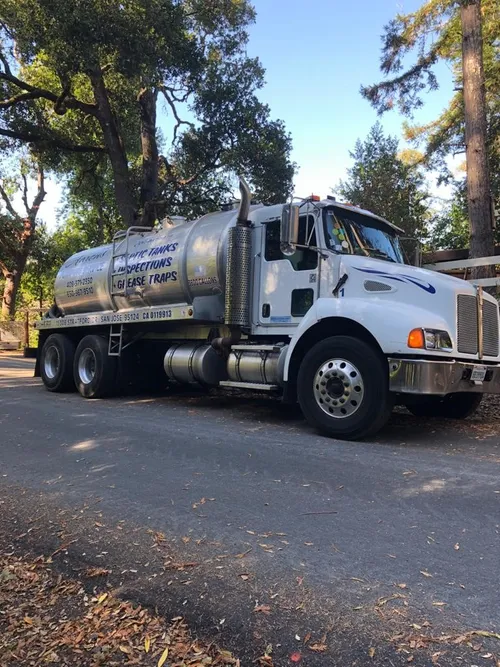
Aaron's Septic Tank Service
San Jose, CA
Aaron's Septic Tank Service is a septic tank pumping and inspection company based in San Jose, CA. Serving the Bay Area, including Santa Clara, San Mateo, and Santa Cruz counties, they offer a full range of septic services such as septic tank pumping, septic inspections, sewage ejector pump stations, and grease trap cleaning. Established in 1974, Aaron's Septic Tank Service brings over 45 years of experience to their work, specializing in real estate septic inspections and environmental health permit requirements.
Why Septic System Evaluations Are Crucial in San Mateo
Unlike homes connected to a municipal sewer, properties with septic systems are responsible for treating their own wastewater. A failing system can lead to costly property damage, create serious public health hazards by contaminating groundwater, and result in significant fines from regulatory authorities. In San Mateo County, inspections are not just a good idea-they are often a legal requirement, especially during real estate transactions1 2. Regular septic tank check-ups help you catch minor issues like a cracked baffle or excessive sludge before they escalate into a full system failure that requires a prohibitively expensive replacement.
Understanding San Mateo County's Septic Regulations
Septic systems, formally known as Onsite Wastewater Treatment Systems (OWTS), are regulated by the San Mateo County Health Environmental Health Services department. This agency sets the rules for installation, maintenance, and inspection to protect water quality in the region.
Key regulations you should know include:
- Permit Requirements: Any new installation or major repair of a septic system requires a permit from the county.
- Point-of-Sale Inspections: A septic system evaluation is frequently mandated when a property is sold. The county requires that a report from a certified pumper or inspector be submitted within 30 days of service.
- System Setbacks: Your septic tank and drainfield must be located within your property lines and maintain specific distances from wells, waterways, and structures3.
- Reporting: Professionals who pump or inspect your tank are required to submit a report to the health department, creating a record of your system's maintenance.
Staying informed about these rules is the first step in responsible septic system ownership.
What Does a Professional Septic Inspection Involve?
A thorough septic system assessment is more than just looking into the tank. Certified inspectors follow a detailed process to evaluate every component.
1. Initial Site Assessment The inspector will first locate all system components-the tank, distribution box, and drainfield. They examine the ground surface over the drainfield for telltale signs of failure, such as unusually lush or soggy grass, standing water, or sewage odors.
2. Tank Access and Interior Inspection This is the core of the inspection. The inspector will uncover the tank's manholes (having access risers installed makes this much easier and is highly recommended4). Once opened, they will:
- Measure Sludge and Scum: Using specialized tools, they measure the layers of sludge (solid waste at the bottom) and scum (grease and floating waste at the top). A general rule is that sludge should not fill more than one-third of the tank's liquid depth.
- Check Structural Integrity: The tank walls, floor, and baffles (inlet and outlet tees) are inspected for cracks, corrosion, or damage. Compromised baffles can allow solids to escape into the drainfield, causing clogs and failure5.
3. Drainfield and Hydraulic Testing The inspector will often conduct a flow test by running a substantial amount of water through the household plumbing. This tests the drainfield's ability to absorb the effluent. They check for slow drainage, gurgling pipes, or sewage backing up into the home-all indicators of a problem6 7. In some cases, a camera may be used to inspect the distribution lines.
Find the perfect septic tank inspection companies for your needs
Get personalized recommendations and expert advice
Septic Inspection Costs in San Mateo
The price of a septic system inspection can vary based on the size of your tank, the complexity of your system, and the ease of access. Based on available data for the region:
- A basic septic inspection typically ranges from $300 to $600.
- Septic tank pumping, which is often done concurrently with an inspection to allow for a proper interior evaluation, usually costs between $400 and $800+, depending on tank size (commonly 1,000-2,000 gallons)8.
- A combined inspection and pumping service can frequently total over $700 to $1,000+ for a comprehensive visit9.
While this is an investment, it is minor compared to the cost of repairing or replacing a failed drainfield, which can run into the tens of thousands of dollars.
Maintaining Your System Between Inspections
Professional inspections are vital, but day-to-day care extends the life of your system. The County Health Department recommends an annual check-up, with pumping generally needed every 2 to 5 years, depending on household size and usage.
Signs your system may need immediate attention include:
- Slow-draining sinks, tubs, or toilets
- Gurgling sounds in your plumbing
- Sewage odors around the yard or home
- Bright green, spongy grass over the drainfield area
- Standing water or surfacing sewage10
Helpful maintenance tips:
- Conserve Water: Spread out laundry loads and fix leaky faucets to avoid overloading the drainfield.
- Mind What You Flush: Only human waste and toilet paper should go down the drain. Avoid chemicals, grease, wipes, and feminine hygiene products.
- Protect the Drainfield: Never park cars or build structures over it, and divert rainwater runoff away from the area.
Frequently asked questions
Sources
Footnotes
-
Land Use, Septic Systems, Septic Pumper Businesses, & Water Wells - San Mateo County Health - https://www.smchealth.org/landuse ↩
-
The Californian's Guide To Septic Tanks - https://cacciaplumbing.com/blog/california-septic-tank-guide/ ↩
-
SECTION 1 POLICIES AND ADMINISTRATIVE PROCEDURES ... - https://www.smchealth.org/sites/main/files/file-attachments/201601_section_1.pdf?1490801087 ↩
-
SECTION 3 DESIGN AND CONSTRUCTION REQUIREMENTS FOR ... - https://www.smchealth.org/sites/main/files/file-attachments/201601__section_3.pdf?1490801087 ↩
-
Understanding Septic Tank Inspections: A Complete Homeowner's ... - https://septic-masters.com/septic-tank-inspection-homeowner-guide/ ↩
-
Point of Sale Septic Inspections: What to Expect - https://westcoastsanitationinc.com/point-of-sale-septic-inspections-what-to-expect/ ↩
-
How to Get Septic to Pass Inspection - https://www.guardianangelinspections.com/how-to-get-septic-to-pass-inspection ↩
-
How Often Should You Pump Your Septic Tank: 3 Factors Solved - https://www.frasiers.com/blog/sewage-tank-pump-frequency/ ↩
-
Essential Septic System Inspection Guide for Homeowners - https://smartsepticpros.com/blog/septic-system-inspection-for-homeowners/ ↩
-
Maintaining your Septic System A Guide for Homeowners - https://www.ihs.gov/california/tasks/sites/default/assets/File/SFC-MaintainingYourSepticSystemGuide.pdf ↩