Find the Best Septic Tank Inspection Companies for Your Business
No obligation • Fast responses • Nationwide coverage

Why you can trust Septic Spot
Septic Spot is a leading United States resource for understanding and comparing septic services. Our editors review providers using consistent criteria and verify key business details. Listings and scores are independent, and companies cannot pay to influence our content.
Search providers near you
Top Septic Tank Inspection Companies in San Rafael, California Ranked
A septic tank inspection is a critical evaluation of your onsite wastewater treatment system, ensuring it functions safely and complies with local health regulations. In San Rafael, these assessments are especially important due to Marin County's specific environmental standards and are often required for real estate transactions, permit applications, or short-term rental approvals. This guide helps you understand the inspection process, local requirements, and how to find qualified professionals to evaluate your system.
Trinity Liquid Waste Services
San Jose, CA
Trinity Liquid Waste Services provides septic tank pumping, inspection, repair, and maintenance services for residential and commercial clients in San Jose, CA. The family-owned company offers a wide range of septic system solutions including grease trap pumping, sewage ejector tank maintenance, and water jetting to keep systems functioning properly. They also handle storm drain cleaning and provide 24/7 same-day service for urgent septic issues. Their team is experienced in addressing common septic problems caused by household appliance overuse and sediment buildup, helping customers maintain optimal system performance.
Superior Septic Pumping Service
Santa Rosa, CA
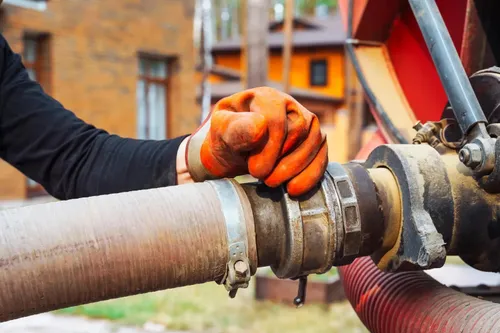
Superior Septic Pumping Service is a septic system maintenance and repair company based in Santa Rosa, CA. They offer services including septic pumping, tank cleanouts, repairs, and real estate inspections. With over 20 years of experience, the owner-operated business uses advanced equipment to handle issues such as sludge buildup, cracked pipes, and faulty drain fields. Their team serves Santa Rosa and surrounding areas, providing comprehensive septic solutions to help prevent backups and contamination.

American Eagle Plumbing & Construction
5441 Victoria Ln, El Sobrante, CA 94803
American Eagle Plumbing & Construction is a licensed, bonded, and insured plumbing and construction company based near Berkeley, CA. Serving the East Bay, Peninsula, North Bay, South Bay, and San Francisco, they provide a full range of plumbing, sewer, septic system inspection, pumping, and repair services for residential, commercial, and municipal clients. With over 26 years of experience since 2001, the company specializes in trenchless sewer repair and works closely with PG&E and local municipalities to ensure code compliance and efficient project approvals. Their licensed plumbers are available 24/7 for emergency plumbing services.
Wine Country Sanitary
1201 E MacArthur St Suite #1b, Sonoma, CA 95476
Wine Country Sanitary is a septic tank pumping and inspection company based in Santa Rosa, CA. They serve domestic and commercial clients in Sonoma and Napa County, offering services such as septic tank pumping, sump pump repairs, and mound system maintenance. The company also handles restaurant grease trap pumping, RV holding tank servicing, and winery wastewater management. With over 30 years of experience, Wine Country Sanitary provides site inspections and findings reports required by local regulations. They also offer portable toilet rentals for job sites and special events.
Roy's Sewer Service
577 Portal St, Cotati, CA 94931
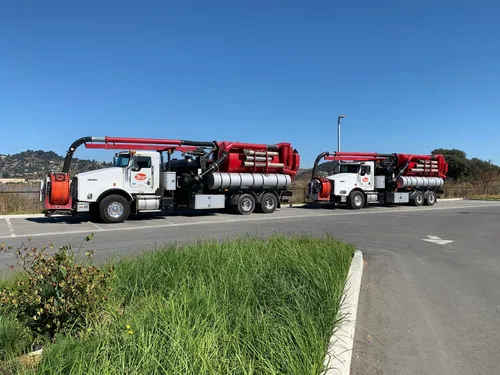
Roy's Sewer Service is a septic tank pumping and inspection company based in Santa Rosa, CA. They provide drain cleaning, pipe inspection, and septic pumping services, serving Sonoma and Marin counties. The company has over 40 years of experience and offers specialized capabilities such as hydro excavation, smoke testing, and plant service. Their technicians are NASSCO certified and have worked on commercial, municipal, and public works projects.
Understanding Septic System Evaluations in Marin County
In Marin County, septic systems are formally known as Onsite Wastewater Treatment Systems (OWTS). The local regulatory authority, Marin County Environmental Health Services (EHS), sets strict standards for their installation, maintenance, and inspection. A professional system evaluation is not just a good idea for maintenance; it's a mandated step for many property events. Whether you're buying a home, applying for a building permit for a remodel, or registering a short-term rental, a certified inspector must complete specific county forms documenting the system's condition 1 2. This process protects public health, preserves local waterways, and ensures your property's wastewater infrastructure is sound.
When Is a Septic Inspection Required?
Knowing when you need a formal system assessment can save you time and legal headaches. The most common triggers in San Rafael include:
- Real Estate Transfer: This is a primary reason for inspections. Before a property with a septic system can be sold, a "Point of Sale" inspection is typically required by the county or demanded by lenders and buyers. The inspection report becomes a key part of the transaction disclosures.
- Permit Applications: If you plan a significant remodel, addition, or any project that increases the wastewater load on your system, Marin County will likely require a current inspection report as part of the permit application process.
- Short-Term Rental Approval: Properties listed on platforms like Airbnb or VRBO often need to demonstrate a properly functioning septic system to obtain a business license or meet rental ordinance requirements.
- Routine Maintenance: Even without a specific trigger, experts recommend having your septic system professionally inspected every 3-5 years, often in conjunction with routine pumping, to catch minor issues before they become costly failures.
The Step-by-Step Septic Inspection Process
A thorough septic system evaluation is a multi-stage process conducted by a county-certified professional. Here's what you can expect during a comprehensive assessment.
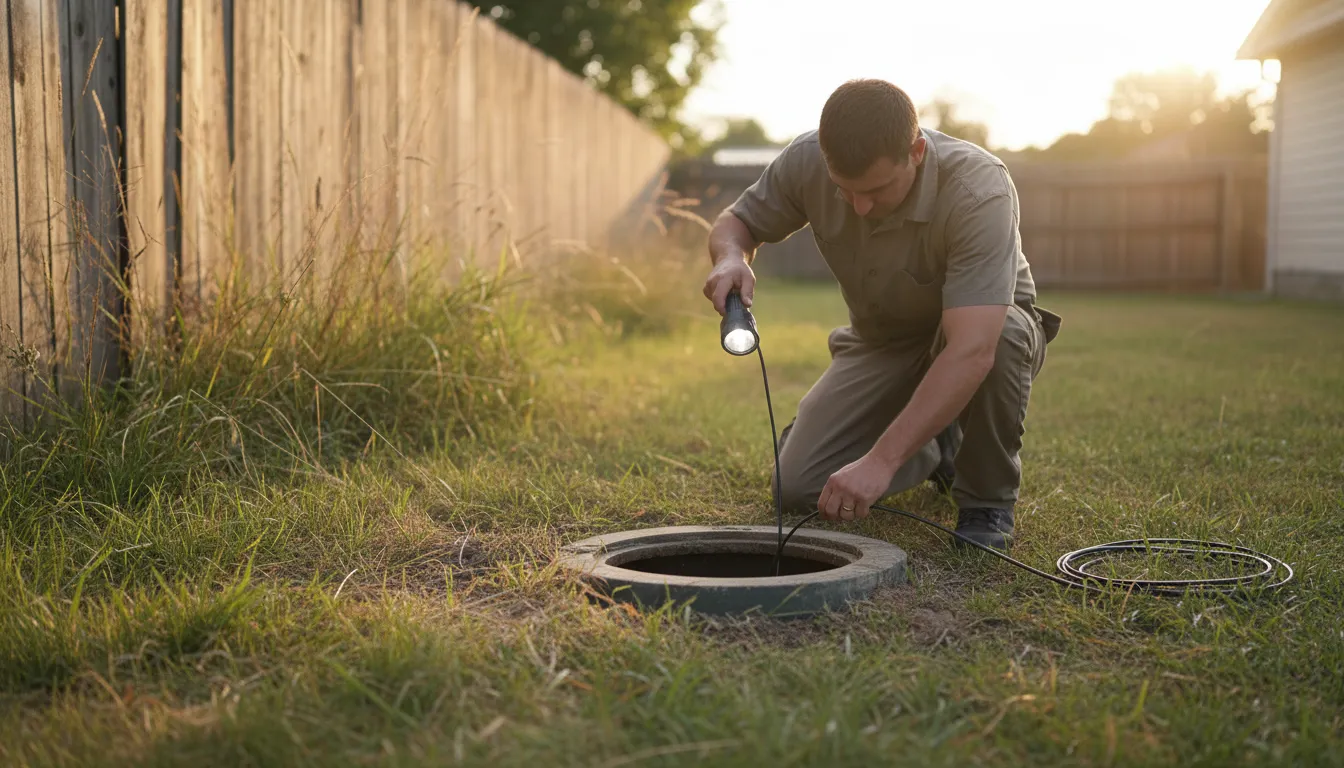
1. Record Review and Site Evaluation The inspector begins by reviewing any available county records for your property's "as-built" system design. This helps them understand the tank's expected size, location, and the layout of the drain field. They will then walk the property to visually locate the tank lids and assess the drain field area for obvious signs of trouble, such as soggy ground, sewage odors, or unusually lush vegetation.
2. Locating and Exposing the Tank If the tank lids are buried, the inspector will need to locate them using probing tools. In some cases, they may need to excavate to access the inspection ports. For older systems without modern risers, this step can be time-consuming. Installing permanent risers during an inspection is a wise investment for future easy access 3.
3. Pumping and Internal Tank Inspection For a complete evaluation, the tank must be pumped out. This allows the inspector to enter the tank (or use cameras and lights) to examine its structural integrity. They check for cracks, check the condition of inlet and outlet baffles (which are crucial for preventing solids from entering the drain field), and look for signs of corrosion or root intrusion 4.
4. Sludge and Scum Measurement Before pumping, the inspector measures the depth of the sludge layer at the bottom of the tank and the scum layer floating on top. These measurements indicate how full the tank is and whether it is being pumped on an appropriate schedule. Excessive sludge can signal that the tank is overdue for service or that the drain field may be at risk of clogging 5.
5. Drain Field Assessment and Hydraulic Load Test The inspector evaluates the drain field (or leach field) for signs of failure. They may also conduct a simple hydraulic load test by running a substantial amount of water from the home into the system to check for proper drainage and to see if any wastewater surfaces in the drain field area, which is a clear sign of failure 6 7.
Find the perfect septic tank inspection companies for your needs
Get personalized recommendations and expert advice
Marin County Regulations and Certified Providers
You cannot hire just any contractor for a legally binding inspection in San Rafael. Marin County EHS maintains a list of qualified septic service providers who are certified to perform these evaluations 8. Their report must be submitted on the correct county forms to be valid for real estate transfers or permit applications. Attempting to use an uncertified inspector will result in the county rejecting the paperwork, causing delays. Always verify a provider's current county certification before scheduling.
Cost of Septic Inspections in San Rafael
The price of a septic system evaluation varies based on the scope of work and property-specific factors. Here's a general breakdown:
- Basic Inspection (Visual Assessment): A visual-only inspection, which may not satisfy county requirements for a transfer, can range from $300 to $600 9.
- Full Inspection with Pumping: A comprehensive inspection that includes pumping the tank to allow for internal examination is the standard for real estate transactions. This combined service typically costs between $500 and $1,000 or more in the San Rafael area 10 11 12.
- Factors Influencing Cost:
- Tank Size and Accessibility: Larger tanks cost more to pump. Difficult access (e.g., tanks under decks or far from the road) increases labor time.
- Riser Installation: If your tank lacks risers for easy access, installing them will add to the cost but is highly recommended.
- System Complexity: Alternative or advanced treatment systems require more expertise to inspect.
- Need for Repairs: If the inspector identifies issues like broken baffles or a compromised tank, repair estimates will be additional.
Maintaining Your System After the Inspection
An inspection provides a snapshot of your system's health. To protect your investment and avoid future problems, follow a regular maintenance schedule. This includes pumping the tank every 3-5 years (or as recommended by your inspector), conserving water to avoid overloading the system, and avoiding flushing harmful chemicals or non-biodegradable materials 13 14. Keeping detailed records of all inspections, pumping, and repairs is invaluable for future property sales and for troubleshooting any issues.
Frequently asked questions
Sources
Footnotes
-
California Septic Tank Requirements | Onsite Wastewater Treatment Systems - https://www.ntotank.com/blog/california-septic-tank-requirements ↩
-
The Californian's Guide To Septic Tanks - https://cacciaplumbing.com/blog/california-septic-tank-guide/ ↩
-
Septic Inspection Process: What Homeowners Should Know | LunsPro - https://www.lunspro.com/vlog/the-septic-system-inspection-process-what-homeowners-should-know ↩
-
What Does a Septic Inspection Entail? - HomeLight - https://www.homelight.com/blog/septic-inspection/ ↩
-
Point of Sale Septic Inspections: What to Expect - https://westcoastsanitationinc.com/point-of-sale-septic-inspections-what-to-expect/ ↩
-
Homeowner's Guide to Septic Systems - El Dorado County - https://www.eldoradocounty.ca.gov/files/assets/county/v/1/documents/government/environmental-management/environmental-management/septic-documents/epa_homeowner_septic_guide.pdf ↩
-
On-site sewage/septic system inspections - https://kingcounty.gov/en/dept/dph/health-safety/environmental-health/on-site-sewage-systems/maintaining-your-system/inspections ↩
-
Septic systems/onsite wastewater treatment systems | Marin County - https://www.marincounty.gov/departments/cda/env-health-svcs/prgm-septic ↩
-
2026 Septic Inspection Costs | Tank, System, & Title 5 - https://homeguide.com/costs/septic-tank-inspection-cost ↩
-
How Often Should You Have Your Septic Tank Checked? - https://www.drsepticsd.com/news/how-often-should-you-have-your-septic-tank-checked/ ↩
-
Essential Septic Inspections: What Every Homebuyer and Seller Should Know - Septic-Masters - https://septic-masters.com/essential-septic-inspections-what-every-homebuyer-and-seller-should-know/ ↩
-
2026 Septic Inspection Costs | Tank, System, & Title 5 - https://homeguide.com/costs/septic-tank-inspection-cost ↩
-
Frequent Questions on Septic Systems | US EPA - https://www.epa.gov/septic/frequent-questions-septic-systems ↩
-
Maintaining your Septic System A Guide for Homeowners - https://www.ihs.gov/california/tasks/sites/default/assets/File/SFC-MaintainingYourSepticSystemGuide.pdf ↩